Civ Concept: The Seven Fires

English was not a powerhouses at all in Middle Ages. In years of 1300, french and HRE population was arround 15 millons both (with a 20 millons peak), england arround 6 millons. Incas population before spanish conquest ~14 millions.

You are talking about demography, not about military strength.
Goodluck arguing that Israel is weaker than Congo, because of its demographics.

2 Likes

Give me your source about the military strength of england in middle age? Or even economic strengh?

Years 1500
GDP england : 2815
GDP German : 8500
GDP France : 10900

Even Mexica had more GDP than england (~3200)

1 Like

Give me your source about the military strength of england in middle age? Or even economic strengh?

Years 1500
GDP england : 2815
GDP German : 8500
GDP France : 10900

Even Mexica had more GDP than england (~3200)

You are talking about economics now, instead of military strength.

But somehow, the source is basically what you’ve typed here yourself. France GDP was more than three times as large as English GDP, yet they couldn’t beat the English.

English punched way above their weight. English were a military powerhouse.

1 Like

You used the largest modern estimate
In conclusion, McEwan states that “Most modern Inca scholars seem to accept and work with figures ranging between 6 million and 14 million people.”

You’d think the Incas would have had some ball park figure, but I guess they didn’t…
Between 6 and 14 is not an estimate, that’s a guestimate.

The Spanish census is also a guestimate between 4 and 14

1 Like

It’s pretty op to start this game (middle age) on island when the rest of the continent fighting against each other. Moreover the 100 years war was not england vs france but france vs england+some unhappy frenchy+bourgogne. From the moment when france was stabilized, they win pretty much everything against england (defender adventage that’s true).

And yes i 'am talking about economic because you are not a powerhouse if you don’t have the economic to sustain your army. I have no idea how i can quantify army strenght in this time period but i am pretty sure it was correled with economic strenght.

@JetDinosaur2039 My source say “12-15 millions” so i said 14 (should have said 13.5 my bad)

First off, since when did the military power dictate who goes in the game? AoE is about history. It’s a study on the beauties of the past. A representation of what happened. That means economy, diplomacy (unfortunately not included), culture, science, and military (apparently your favorite). If military is the sole factor, the English shouldn’t even be in.

Here I compiled some of the greatest medieval powers according to the wikipedia:

  1. China
  2. Persia (Abbasids, Timurids, Samanids, Sasanians)
  3. Byzantine Empire
  4. Mongolia (Short time)
  5. Turks (Seljuks, Ottomans)
  6. Mayans or Incans (Relatively close to each other)
  7. Holy Roman Empire
  8. Khmer
  9. Poland-Lithuania

That took wayyy too long and wayyyyyy too many sources, I now have a migraine.

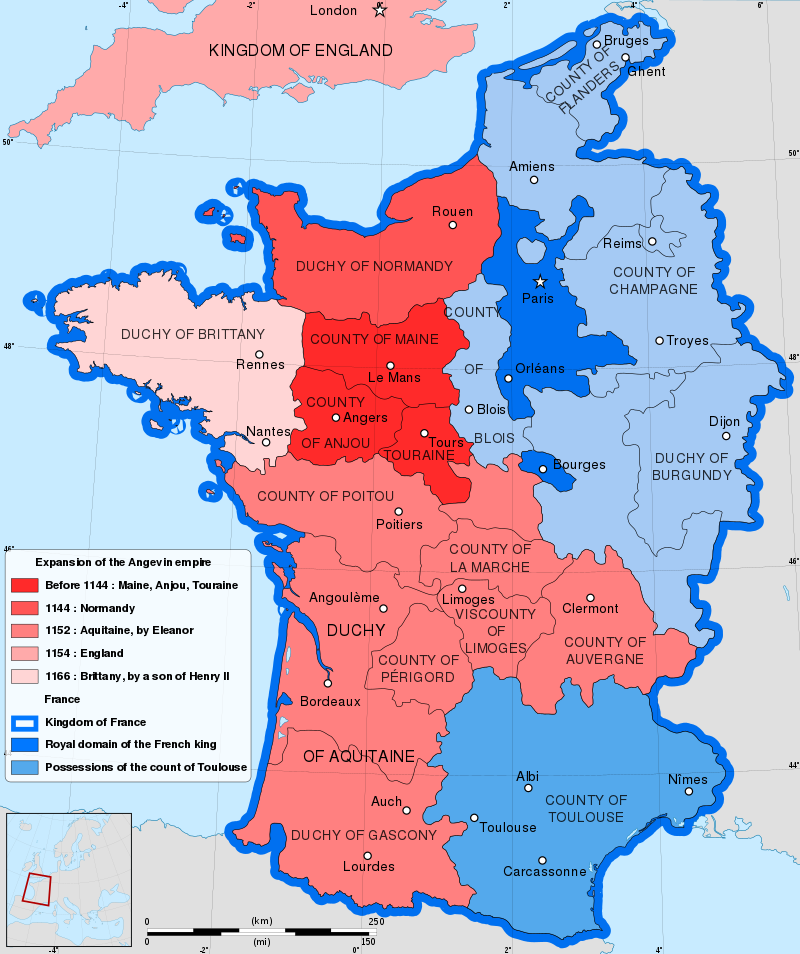
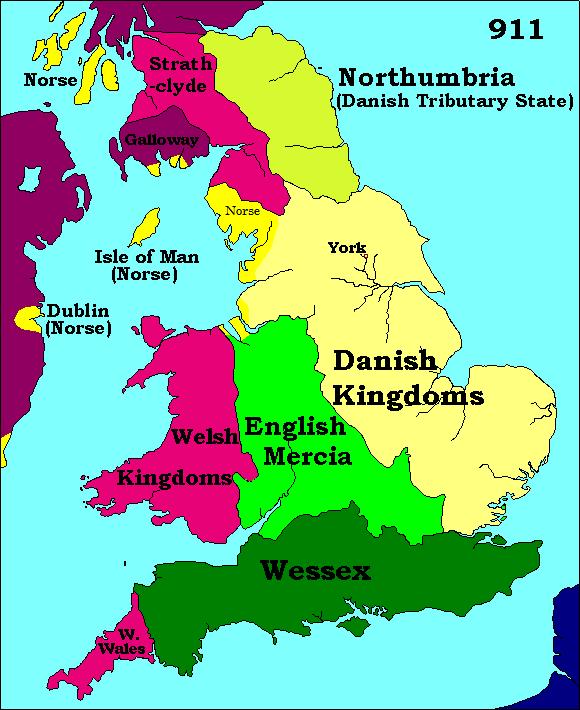
England was just a fraction of other nations at the time. If they were pitted against any nation in AoE4 besides France, I guarantee a loss. They could barely hold off the Picts and the Vikings during the early middle ages. I’ll post a picture, second one.

France was also divided, and at the time of the 100 years war they only owned around half of their rightful land. They were essentially a mini HRE at the time.

The Dutch, English, and themselves. They weren’t primarily a military civilization, but fun fact, Polynesians found South America at one point. I’ll link a page because it’s actually really interesting. Spent some time reading up on it at the local archives a few days ago.

2 Likes

Anyway, I don’t believe these high estimates for the populations in the Americas. Doubt anywhere near the percentage claimed died of disease, I think a smaller percentage died, and that were significantly less people than these high estimates claim. That explains the small number left.

The death rate of Ebola and the Bubonic plague are both around 50%.
They’re saying, what, 90% of Incas died of disease? Sounds super natural tbh

1 Like

Idk i have many source saying the aztek empire lost 90% of his population (20 millions at his peak) in a couple of years as well and i can’t find contradiction about it.

What happened to the Native Americans was honestly just really depressing. I can’t go in-depth because it’d be off-topic.

Anyways I got a university class soon so I’ll be off.

1 Like

No, it is not. If this were the case, the goal of the game wouldn’t be to defeat the opponent by destroying his or her base, but instead by composing nice music, by producing the best food or by building the most beautiful building.

If military is the sole factor, the English shouldn’t even be in.

Yes, it should. The reason why England (or Great Britain) later colonized the world is not because they were weak during the Middle Ages, but then suddenly some magic fairy appeared to turn them into a huge military power.
No. It was a long and gradual process, rooted in endless competition with its European neighbors, a militaristic culture of honor and glory, and always keeping searching for the next level, that led to England being able to colonize much of the world.
Heck! Even while Spain colonized much of the Americas, they STILL were unable to take England. They took the Americas, but were unable to take Little England. I daresay that England is the perfect candidate for AoE4, because it reaches it peak in the ‘Imperial Age’, while it was just a relatively irrelevant region in the ‘Dark Age’.

Here I compiled some of the greatest medieval powers according to the wikipedia:

Wikipedia can be rewritten by anyone, so I’d like to take it with a grain of salt in General (although I gave a wikipedia link myself to quickly point to a list of English-French wars… :stuck_out_tongue: ).

The wikipedia page you sent basically takes a look at the world and then per region asks itself the question: “What were the great empires of this region?”. What you then get indeed includes Mayans and Incas.

The problem with your approach is that it creates the impression that Inca’s are equal in strength versus for example the Turks or the Byzantines. This is complete nonsense. There is a technology gap that makes it impossible for the Inca’s to battle these other factions. They can ambush little groups of better armed men in the jungle (which they did of course), but they cannot win a real battle. It is basically the same as looking at Africa today, concluding that Egypt is a very strong power on that continent (source: https://www.globalfirepower.com/countries-listing-africa.php) and then saying: “Oh hey! Egypt can compete militarily with China or with France”.

England was just a fraction of other nations at the time. If they were pitted against any nation in AoE4 besides France, I guarantee a loss. They could barely hold off the Picts and the Vikings during the early middle ages. I’ll post a picture, second one.

True, true. You’re right, but that is besides the point. AoE4 looks at the entire period between 500 and 1500. Having a weak England in the beginning, but a powerhouse later on (which ultimately colonized the world) is a nice progression from Dark Age of Imperial Age. A weak group, became a huge military force later on.
The same can basically be said about the Rus. You could argue that the Rus should be removed from the game, because in the very beginning, they were just a small wooden town that really wouldn’t be able to hold off a French invasion.

France was also divided, and at the time of the 100 years war they only owned around half of their rightful land. They were essentially a mini HRE at the time.

Being internally divided and being at a very high level in the area of military are two distinct themes. They do not exclude one another.

The Ancient Greeks were internally divided, but still one of the strongest militaries of that time period.
The Holy Roman Empire also consisted of little regions that occasionally fought one another. The Mongols got divided into four blocks after Chingis Khan died. These four blocks still were major powers for a few hundred years.
In the case of the Ancient Greeks and the European nations it can even be said that being divided and having this internal competition leads to military progress, because of the constant improvement as described above. (Although this can also be a problem, because if the Ancient Greeks wouldn’t have been so internally divided, they could have been able to hold off the Romans).

This very same analysis (constant internal competition, a culture of honor and glory, constant military improvement) can also be made about Europe as a whole. Unlike China, Europe has never been united by a single power. This has led to the culture of military competition to continue basically all the way from the ‘Dark Ages’ (let’s say, the fall of the Roman Empire) until the First World War (where things went wrong in a catastrophic way, which also immediately ended the 1000+ years culture of honor and glory. The First World War destroyed the European ‘soul’ in a certain way),

Likewise, a large and internally stable empire could over time lose its strength, because there is not much incentive to improve. Yes, there is a very deep history of philosophy, science, etc. but there isn’t the same ‘pressure’ to keep improving the military. There is no absolute necessity! China at some point just didn’t have anyone in its region that would challenge it. In their view, Japan was just some island of ignorant people who were fighting amongst themselves. The Steppe Nomads in the North and the West were ‘under control’, they thought. So, an empire can be very large and wealthy, but can suddenly be challenged by an unusually strong foe (hello Chingis Kahn) that they suddenly get overwhelmed.

For ‘some’ reason, ‘Europe as a whole’ only had this happen for a little bit at ONE occasion: when the Turks invaded and got all the way until the gates of Vienna. Other than that ‘Europe a as a whole’ has always resisted the Jihad from the South and the Nomads from the East. ‘Europe as a whole’ was generally speaking stronger than any force that came from outside pf it, as a result of its endless internal competition inside of it.
And exactly THIS is why I don’t understand people who argue that the French or the English are too weak in comparison to the Chinese; because this REALLY is a misconception.

, but fun fact, Polynesians found South America at one point. I’ll link a page because it’s actually really interesting. Spent some time reading up on it at the local archives a few days ago.

You could also argue that the Sámi, the Inuits and similar tribes actually ‘discovered’ America through the north, because what is Greenland other than an extension of Canada (if you look at it using Google Earth instead of Google Maps)? I am sure that the inhabitants of Greenland interacted with the inhabitants of the southerh part of ‘Canada’, whom then interacted with the ancestors of the current ‘native Americans’ that now live in the USA. Also, there are alternative analyses of history - which might be correct - claiming that the Mali Empire also reached Brazil. The distance between West Africa and Brazil is quite small if you look at a map.
However, none of this implies that these groups also were the strongest military between 500 and 1500.

So, I fully agree with you that the Polynesians having reached the Americas is very interesting, but it is also off topic and it does not mean that it makes sense for the Polynesians to be included in the game.
Even Spain shouldn’t be put in the game JUST for ‘discovering America’.

Conclusion is that MOST nations, races, tribes and empires that existed in the period between 500AD and 1500AD should not be included in a game that is about military power. This also includes the civ concept that this topic is about.
3 Likes

Guns, Germs and Steel described this pretty well. The Spanish carried with them diseases such as the Black Plague, which the Europeans already had ‘herd immunity’ against, but the Americans did not.

Interesting it that this was basically the other way around when the Europeans reached Sub-Sahara Africa. The Africans did not get sick, but the Europeans were unable to go too far in land, because otherwise they would get sick. So, they decided to build fortresses near the coasts and trade with local rulers.

1 Like

HOLLYYY SHIITTTT that’s a long post. Not sure where to even start. This might be a while.

While this is all good discussion, I would appreciate if we can wrap the conversation back to the idea that OP provided

EDIT: So to do that, what do you all think about the alternate resources? I think it could work since the number remains the same, but I’m worried about the not being able to generate horses outside of trade and fighting enemy cavalry. I think a clever opponent may be able to lock you out of your own progression.

2 Likes

Guns, Germs and Steel is a book written by a physiology professor specialising in gallbladder ailments.
It is not a history book written by a historian. It is a well-written fanfiction written by an armchair historian before wide public access to the internet.

I wish you some merry reading, CommendedOwl62:
https://www.reddit.com/r/AskHistorians/wiki/historians_views#wiki_historians.27_views_of_jared_diamond.27s_.22guns.2C_germs.2C_and_steel.22
… and while we’re at it, you should drop the Don Quixote act. “A militaristic culture of honor and glory” :rofl:

3 Likes

France was no too weak (the strongest european nation with HRE in europe) but you can’t put england in the same category (based on pure fact number). England become a super nation arround 1700. Rus is very questionable as well.

Economy and military are the primary parts of AoE’s civilizations. What I meant is that military is not the sole reason.

The primary reason England got up the ranks so high was it’s location and the industrialization of Europe. Interesting thing, the British actually lived longer than anyone else in the world back then because of their intake of tea. Since it was boiled they weren’t drinking all that bacteria.

Back on topic though, the location was extremely advantageous. Once they were finally unified they essentially controlled that part of the sea. Any attackers could be easily taken down from the moment they got past the English Channel. Sailing with an invasion force during the medieval times was nigh impossible unless it was lucky timing or greatly planned out. William the Conqueror’s victory was mostly because of the lucky timing factor, as they were fighting Harald Hardrada to the north.

The Normans only barely took England. Coastal forts play a huge role in the defense of the Isles. Us Irish weren’t so lucky unfortunately, Brittania rules the waves and we were on the wrong end of the barrel. The natives on the other hand, they were ravaged by disease and the Spanish’s allies. I’m not going to get too in-depth on that or I’ll end up writing a fourteen-page essay. Long story short, they stood a decent chance, even without guns. The problem was disease.

Sounds like my history professor.

I didn’t look at a single page. First, I looked at the ‘great medieval powers’ page and a website on South American history. I individually went through every civilization’s wikipedia page and looked at the statistics. It was a pain in the ass.

I didn’t number them in chronological order, it was just the top ones statistically. According to written documents by conquistadors, the weapons of the natives pierced their plate and dealt incredible damage to the flesh. They used darts that somehow obliterated Spanish ranks until they began wearing a linen undercloth. Even with the cloth though, their obsidian weapons dished out some nasty wounds. Kind of a grizzly fight for both sides.

I don’t think any civ should be removed. My entire original point is to include weaker factions militarily.

I cannot provide sources for this one because I learned it in my university world history class last year, so it’s fine if you’re skeptical on this one, or if you even disregard it. Britain approached China in hopes of trade during the 1700s and were quickly turned down due to their insignificance and that China already had what they needed. China had one of the largest populations in the world as well as an abundance of natural and processed resources. It was an absolute economic powerhouse. I’m not trying to understate Europe here (they had the Holy Roman Empire after all), but China was incredibly powerful back then. It wasn’t until the 1750s+ that Europe became the dominant region. Industrialization is a huge part of history, and it’s what made Europe become Europe.

I was just giving a cool fact, didn’t mean they discovered it or that’s why they should be included. I was using Polynesians as an example anyways, they had technological innovation in the means of semi-nomadic travel.

Imo, I don’t think any nations should be removed like I said earlier. I think it’s a lot better to show less represented civilizations (of course along the must-haves like the mongols and so forth). It brings people to newer perspectives on history, rather than the European view. As a European myself I am not too well-versed in the history of Asia, Africa, Oceania, or the Americas because of my education, and that is what makes them so fascinating. I literally live on some tiny rock in the Atlantic Ocean that’s not even united.

But even if I disagree with some of your points, I admire the work you put into it. That was a hella long reply and very well-researched. Nice job.

We probably should get back on topic though. I agree with sir Xamnenn.

Jared Diamond does what many famous history or science writers do. They take work from historians / scientist and then present the information in a fun manner to the broader public. Richard Dawkins is another figure that does this. Of course, these people get criticized, which isn’t necessarily bad.

and while we’re at it, you should drop the Don Quixote act. “A militaristic culture of honor and glory”

From around 500 onwards there was indeed a violent culture of honor and glory in Europe.

I’d say we are discussing whether it makes sense to add this civilization concept to the game. Often it takes a long time to explain why it makes no sense to add such and such nation to the game.

This is something I had intended as weakness to the civ overall. Their baseline infantry is fairly streamlined, but versatile, but it’s also the only thing they can really rely on before Age 3. Lacking a dedicated anti-armor unit and an effective anti-cavalry unit would put them at a disadvantage into Knights until Age 3, which would make them susceptible to rushes from civs who can rush with Knights/Lancers. However, the goal of their economy is to make them begin to wander as early as possible, which could make them difficult to raid as they move around and you have to re-find them each time you want to effectively raid.
So their early game would be a little on the weaker side, but their later-game would make up for it. The idea was to make a late-game nomadic civ to reflect the history of the people - it’s the buildup towards the horse-centric culture the Seven Fires was during their heyday.

That idea is there, I want the Khuwa to be capable cavalry archers by their own merit, but I don’t think they should be at a strength that they’re a scary force on their own. Just that attacking the Seven Fires in the late-game should be seen as attacking a force made entirely of military units, with no villager-stat units to chase around.
Granted, they could also be given military upgrades alongside other units from the Arsenal and anything the Market Workshop passively upgrades, which would make their villagers just passively stronger as the game goes on anyway. Also, just to be clear, this implies that the Seven Fires’ villagers have a ranged attack, like the English ones.

No, still definitely a thing. There are dedicated warriors - the Akicita - and dedicated laborers and artisans and all that. The key difference is that women were capable of being a part of any them.

Honestly, I was thinking of giving them the ability to “construct” natural Landmarks that can’t be destroyed by the enemy, but rather converted. It’d give them some reason to stay in one spot and the natural landmarks could give aura bonuses when near them to bolster defense or economy.

Thanks for the input! I very much appreciate it.

1 Like

So many people have to get over themselves lol. None of us are arbitrators of who and who should not be represented in a game.

This thread is completely harmless yet some people are acting like they’d take personal offense if a civ like this was included. Stop taking things so seriously. When the USA civ came out for AoeIIIDE some people were saying how it ruined the game completely. So dramatic. Yet those same people either bought or played the challenges to get the civ. The addition of Native civs in AoEIII was a positive one and I have no doubt they would be for AoEIV as well.

I’m the last guy who is going to stand up for woke “diversity is our strength nonsense” but diversity in a game like this? it is indeed a good thing from a gameplay perspective.

The goal is to have fun. It’s a game.

2 Likes

The sole reason is military and in ‘some’ cases this military is supported by a strong economy.
However, take a look at the Mongols. They destroyed China without much of an economy. Having a strong economy is not really a prerequisite.

(About English) Back on topic though, the location was extremely advantageous. Once they were finally unified they essentially controlled that part of the sea. Any attackers could be easily taken down from the moment they got past the English Channel. Sailing with an invasion force during the medieval times was nigh impossible unless it was lucky timing or greatly planned out. William the Conqueror’s victory was mostly because of the lucky timing factor, as they were fighting Harald Hardrada to the north.

Yes, but that does not mean that the factor of location should either qualify or disqualify a certain civ. If you really dive into the topic of location you will find out that any nations success is partly dependent on the location. You need rivers. Natural barriers such as seas or mountains help too.

(About American Natives) The natives on the other hand, they were ravaged by disease and the Spanish’s allies. I’m not going to get too in-depth on that or I’ll end up writing a fourteen-page essay. Long story short, they stood a decent chance, even without guns. The problem was disease.

Perhaps they could have defeated the Spaniards just because of superior numbers, but to say that they were evenly matched I think is basically a lost case. The technology gap was way too big.

I individually went through every civilization’s wikipedia page and looked at the statistics.

Excuse me. In that case I didn’t understand your method. What statistic were you using to indicate military strength at a global level during that time period? Demography?

They used darts that somehow obliterated Spanish ranks until they began wearing a linen undercloth. Even with the cloth though, their obsidian weapons dished out some nasty wounds. Kind of a grizzly fight for both sides.

So, the Spaniards adapted and concluded that they could still get ‘nasty wounds’. What does this have to do with the topic exactly?

China believing that they don’t need anything from the outside world because they already have everything they need? That is just a tradition :slight_smile:

Japan was also very good at that.

It wasn’t until the 1750s+ that Europe became the dominant region. Industrialization is a huge part of history, and it’s what made Europe become Europe.

Which was the result of a long process that started before 1750. History does not consists of moments when magic fairies appear and turn a certain region into a dominant power.

I think it’s a lot better to show less represented civilizations (of course along the must-haves like the mongols and so forth). It brings people to newer perspectives on history, rather than the European view. As a European myself I am not too well-versed in the history of Asia, Africa, Oceania, or the Americas because of my education, and that is what makes them so fascinating.

I think that NOT having groups like native Americans in it does NOT mean that the game is therefore a “European view”. Chinese, Delhi, Abassids are not at all Europe, and I hope that they will add Dravidians (South Indians) and Turks to the game as well. It just has to make sense militaristically, as that is what the game is about.

Thanks! It was not as if I did the research while typing though. I have always been a history nerd.