Introduction to the Tatars

Not an inordinate amount of time looking for line infantry specifically, but I spent quite awhile reading up on them in general trying to find potential unit names for the whole roster and never really came across anything that worked well for musketeers. Central Asian civs are kind of tricky because most of the potential unit names just get mentioned generically as soldiers and it takes some digging to find correlations to a specific type of soldier.

I did come across Sarbaz in various roles including musketeers but I didn’t want to use them for that because I thought it would be a good unit to share with a Persian civ. And Persians would probably have Tofangchi for line infantry and Sarbaz as more of a melee infantry. Tofangchi probably would work okay for a musket unit name, but Persian musketeers dress very differently than Uzbek ones so it wouldn’t really work visually. So it’s not like there were no options, I was just constraining them to make them work better alongside other potential civs.

Now that I think about it, I probably could have shuffled things around with a different melee infantry instead. I’d have to double check but I think Shamshirbaz would probably work fine for Uzbek. So I probably could have done this:

Sarbaz → Shamshirbaz (could also be shared with Persia, Mughals)
Megan → Sarbaz
Recurve Bowman → Mergan (can be shared with any Turkic civs)

I kind of got sucked down the rabbit hole looking into it after one of the last Tatar civ concept posts and you did share some articles there. It would be interesting to see what you found that was different. Aren’t you helping with that Hindustan-Iran mod and planning to have Uzbeks with that?

I do have some half finished concepts for Morocco and Oman so I’d be more interested in if you have any good sources on them.

You can go with qƫrchī if you want the actual word for Musketeer.

You checked this paper already?

I am helping with the Hindustan-Iran mod and we’re gonna have uzbeks, yeah, it’s why I have the info on quick call.

Nothing particularly interesting on Oman I think, haven’t started looking up yet.

1 Like

This is what I mean about names. Sure, the word “Seymen” is only applicable to cultures in the Ottoman sphere of influence, but the strategic role the unit represents - a gunpowder infantryman in a military culture that 1) emphasises traditionally-equipped cavalry at its core, and 2) generally views infantry as cavalry too poor to afford a horse - has similarities to the role your Mergan plays in Silk Road societies. I did originally have a Tufekci musket unit as well, but it got cut to avoid overlapping roles with the Circassian.

This is a case of me slightly making things up: a social group called “young men” made me think of mediaeval England’s “bachelers”, or the Russian “Boyar children”, i.e. the sons of the nobility that made up the bulk of the fighting elite, so I applied that principle to my armoured heavy cavalry. I agree, Batir would also work for that unit. I ended up using it for my more basic heavy cavalry because I wanted to use the name somewhere, and I didn’t have a name I liked for that unit.

From the start, this mod was made to be compatible with the Just Poland mod that adds the Polish, so I do consider the Polish to be in the game, in a sense. Don’t forget the Crimean involvement in the various Northern Wars as well as alongside the Ottomans in their wars against the Habsburgs, which brought them into contact with Sweden, Venice, the HRE and any number of German states. Although I can’t find mention of them on the same batlefield as Crimeans, the larger conflicts also drew in Spain, France and Portugal.

With all that being said, I do take your criticisms of Crimean-centricity on board. In the name of pursuing a more generic umbrella, how would the following changes sound?

  • The Tribal Warrior is renamed to Tabar Warrior and its language is changed to Chagatai, with a retexture to more closely resemble Persianate footmen.
  • The Sibir Hunter is renamed to Mergen, with the infantry home city card renamed to reflect Sibir instead.
  • The Seymen is renamed to Tufang/Tufeng/Tufek-ci/ce/ji/chi. The Tufekcis card is renamed to Seymens.
  • The Batir’s language is changed to Chagatai, and the Oghlan’s to Persian, with retextures to represent commoner and noble Uzbek melee cavalry.

This way, the Golden Horde successor West and Chagatai successor East will have roughly equal representation in the unit roster, while no unit is explicitly tied to a specific area of origin (except Circassians, who are great and I will have no word said against them)

Regarding camels, I have plans to add consulate reinforcement cards that ship Sowars and Zamburaks, and I was toying with adding a Shaturnal mercenary that sits much closer to the historical Zamburak, behaving like an anti-cavalry leather cannon.

Ultimately, I don’t think there is going to be a satisfactory solution for either of us. No amount of changes will fully address the issues you have with an umbrella civ, and I have no desire to either create Crimean buildings and age-up mechanics from scratch, or fully abandon the West and Uzbekise. While it is ahistorical, I really like the variety of options that comes with representing such a range of people and places in a single civ.

I do appreciate your robust feedback, but I hope you can see what I’ve tried to make, even if it isn’t to your taste. Maybe download it and give it a game or two, see if it’s fun to play regardless?

1 Like

Technically yes, but it also has all the same problems as both Mergen (it derives from the same archery term Bill used for Qolcanci) and Tofangchi (it’s a very specific Persian bodyguard unit).

I think your approach of having Sarbaz be the line infantry is probably better since it just means soldier in Persian and seems like a more prevalent term among Uzbeks than Persians.

It’s probably easier finding some kind of melee heavy infantry to share with Persians such as a Shamshirbaz. The original Sarbaz I suggested would have had shamshir anyways.

I’m not sure about that one specifically but it’s pretty much the same info as others I looked at just with some interesting spellings.

Are you doing Oman in the Iran mod? I came across some pretty solid options for their unit roster.

I think you’re correctly interpreting that as the meaning behind Oghlan. It’s just that the fighting elite among steppe peoples was lighter cav like Uhlans not heavy knights like in Europe. Batir is more like an elite hero so I’d say it should be the heavier of the two. There’d also be more room to play around with their roles without Circassians as a primary unit.

I looked into it more and tabar bearer is just Tabardar in Persian so you can have a more concise name without the Changdao Swordsman vibe.

You could probably keep one of the units like Seymen or Oghlan having a Crimean basis. They’d still be part of an umbrella Tatars, they just don’t need to be the primary part.

They should totally be a mercenary. But I don’t really understand your affinity for having them as a standard unit because they’re not even Tatar. Even for Crimea they were enemies just as much if not more often than allies.

Thanks for taking it all constructively. You’ve done a pretty good job with what you’ve got so far and I’ll definitely try it out.

1 Like

Yeah Oman was an important player in the region so we’ll get to it eventually, it’s part of the plans. I very much would welcome any research you have on their military.

Have some extra notes on Uzbek units:

From Transoxiana book:

  • ālamān/alamāniya: word of Turkic origin literally meaning “robber” or “raid”; tribal contingents deployed for raids and looting during military campaigns and particularly after sieges; later also in the sense of soldier or soldiery.

    • Used for Turcoman nomad
  • āltĆ«n jilau: “the Golden Bridles”; in early and mid-eighteenth-century Bukhara and Khiva a khanly bodyguard consisting of Qalmāq slaves.

    • Mercenary material
  • āq Ć«ylÄ«: literally “the white house”; applied in a twofold manner: first to sons and relatives of local potentates sent to the royal court as wards and hostages—sometimes also in the sense of servants—and second to tribal contingents that were recruited for the royal army and sometimes also relocated to other areas.

    • There is one passage in QÄĆŒÄ« Wafā’s account suggesting that these troops were stationed in local garrisons where they had been subordinated to the governors and commanders of the citadels. This fact is confirmed by one of the inshā’ collections dating back to the early nineteenth century (reign of amÄ«r កaidar) where we find both terms, qarā chirÄ«k and āq Ć«ylÄ«, in the sense of irregular auxiliary troops that were recruited locally to man small garrisons.
    • Unique unit
  • mÄ«rgān/mihrgān: word of Mongolian origin (mergen), meaning “strike of an arrow,” later used for mounted archers; in late eighteenth and nineteenth-century Transoxania simply riflemen stationed to protect a fort.

    • Unique Unit
  • qĆ«rchÄ«: a musketeer.

  • shāgird pÄ«sha: royal palace guard consisting of slaves and freedmen without any tribal background, mostly Persians.

    • Around 1800 the shāgird-pÄ«sha (“servants; apprentices”) was a non-tribal group, that constituted a low-ranking and, numerically speaking, strictly confined body in the Bukharan military. They were mostly employed as guards, see Viatkin, “Karshinskii okrug”, 15-16; Abduraimov, “Voprosy”, 54. In 1123/1711, when Uzbek rebels attacked and looted the citadel of Bukhara, the shāgird-pÄ«shagān were closely associated with the ruler’s confidants (maáž„ramān) and the palace eunuchs (khwāja-sarāyān) (Muáž„ammad AmÄ«n, ÊżUbaydallāh-nāma, f. 246b; tr. Semenov, 275). In the 1830s and 1840s, two diverse connotations of the term shagird-pisha have been recorded by European travellers: a) a sizeable non-tribal section of the Bukharan cavalry made up of “mixed tribes of Bokhara” which were under the ruler’s direct command (Burnes, Travels, II, 374), and b) the Bukharan population of low, i.e. non-Uzbek origin, comprising Tajiks, persons of Persian descent as well as freed slaves (Khanykov, Opisanie, 185). Source
  • tĆ«qsāba: lower ranking Bukharan official with obscure and partly contradictory duties; often a leader of military contingents, but also performed a function during ceremonies and banquets at court; in the early nineteenth century, they were holders of golden maces and stood at the foot of the throne. Later the title was bestowed upon local representatives, amlākdārs and other office holders.

  • Ć«rusān-i ងāris: Russian guard serving the Emir of Bukhara

    • Mercenary material
  • khāáčŁa-bardār: infantry, mentioned with sarbaz. Noted to be in Persian style. Perhaps a gunpowder infantry.

    • khāáčŁáčŁa-bardār as a unit of mounted infantry palace guards made up of exclusively Tajiks armed with large “falconet muskets” operated by two people
    • topwar.ru said it was a falconet carried by horse cavalrymen.
    • Card?

zĆ«rābādÄ«: Persians recruited from a village of the same name near QarshÄ«. In the áș’afarnāma, the ZĆ«rābādÄ« contingents are distinguished by their black outfit. 
 he relied on
 two thousand Persian cavalry including MarwÄ« and ZĆ«rābādÄ«

1 Like

Yes, they are very different regions from others. Tatars are fine for Crimea and Eastern Europe
 but for Central Asia, Kazakhs and Uzbeks would be more appropriate


Oman is interesting because you can have Somali and East African allies as allies in the consulate


I’ll put together a post like the one I did for Egyptians at some point. There’s a lot of commonalities with the other Arab empires that carved up Africa (Arabs as a small military elite generally fighting as cavalry if at all, a few distinctive weapons that are over the top ornate, and the bulk of the army as foreigners and slaves, etc).

This it the book right?

What Is Beyond the River? Power, Authority, and Social Order in Transoxania 18th–19th Centuries – Andreas Wilde

It looks like a solid resource, but a couple of the terms are a little more nuanced than the glossary definition they have.

One of the best sources I came across was Nomad Military Power in Iran and Adjacent Areas in the Islamic Period - by Wolfgang Holzwarth which has an excellent breakdown of exactly what types of troops were used in each time period. They started off with basically a basically 100% cavalry force, but later adopted some infantry and artillery in response to Nader Shaw.

Lots of those terms are good unit material, but I think a couple would actually work better as cards rather than units.

Cards:

Golden Bridles (āltƫn jilau)

  • This unit was composed entirely of Kalmyk slaves, so rather than a merc, this would be good material for a card that sends Keshiks. There’s a Russian Kalmyk card that sends Keshiks, so the same idea as that.

White Yurt (āq ƫylī)

  • The āq Ć«ylÄ« were a subset of the militias more generally called Chirik. So Chirik would work well for a militia unit, and a White Yurt card could be a good Town Militia equivalent. Spawning militias for each destroyed Yurt and boosting the TC strength could be a good function.

Shāgird-Pīsha

  • Would be a good card that speeds up training time and/or buffs a few units
  • Means “apprentice-servants” and refers to a palace guard comprised of non-Uzbeks (Persians, Tajiks, Russians)
  • They definitely were a military unit, but I think their role is better covered by other units.
  • They’re generally described as cavalry, but also sometimes artillery so their role is a little ambiguous. Given their ethnicity, they almost certainly wouldn’t be cavalry archers which means their role would overlap with Naukers. So ultimately there isn’t really room in the roster to include them and they’d be better off as a card.

image
image
image

image
image

image [1]

Units:

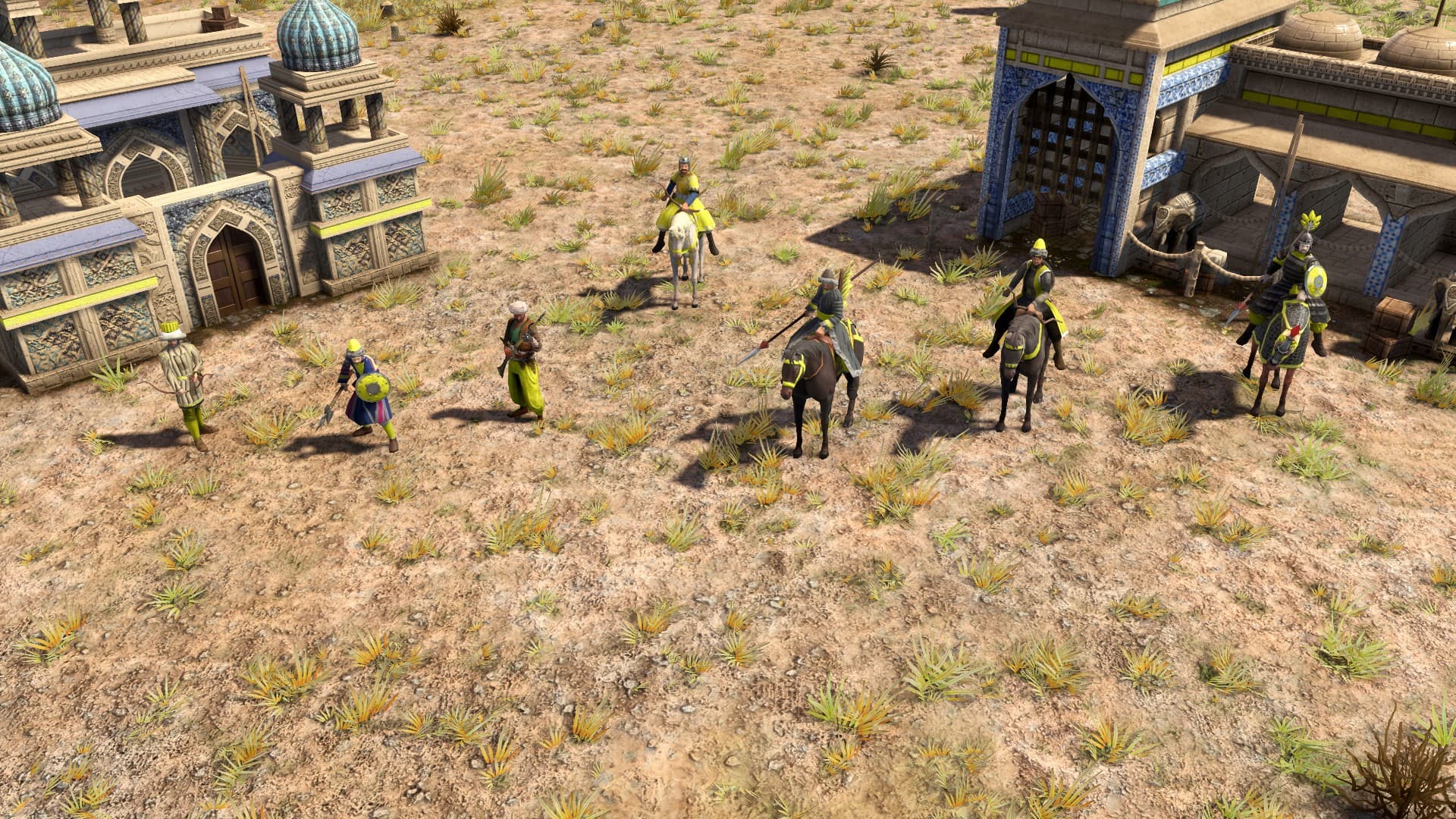
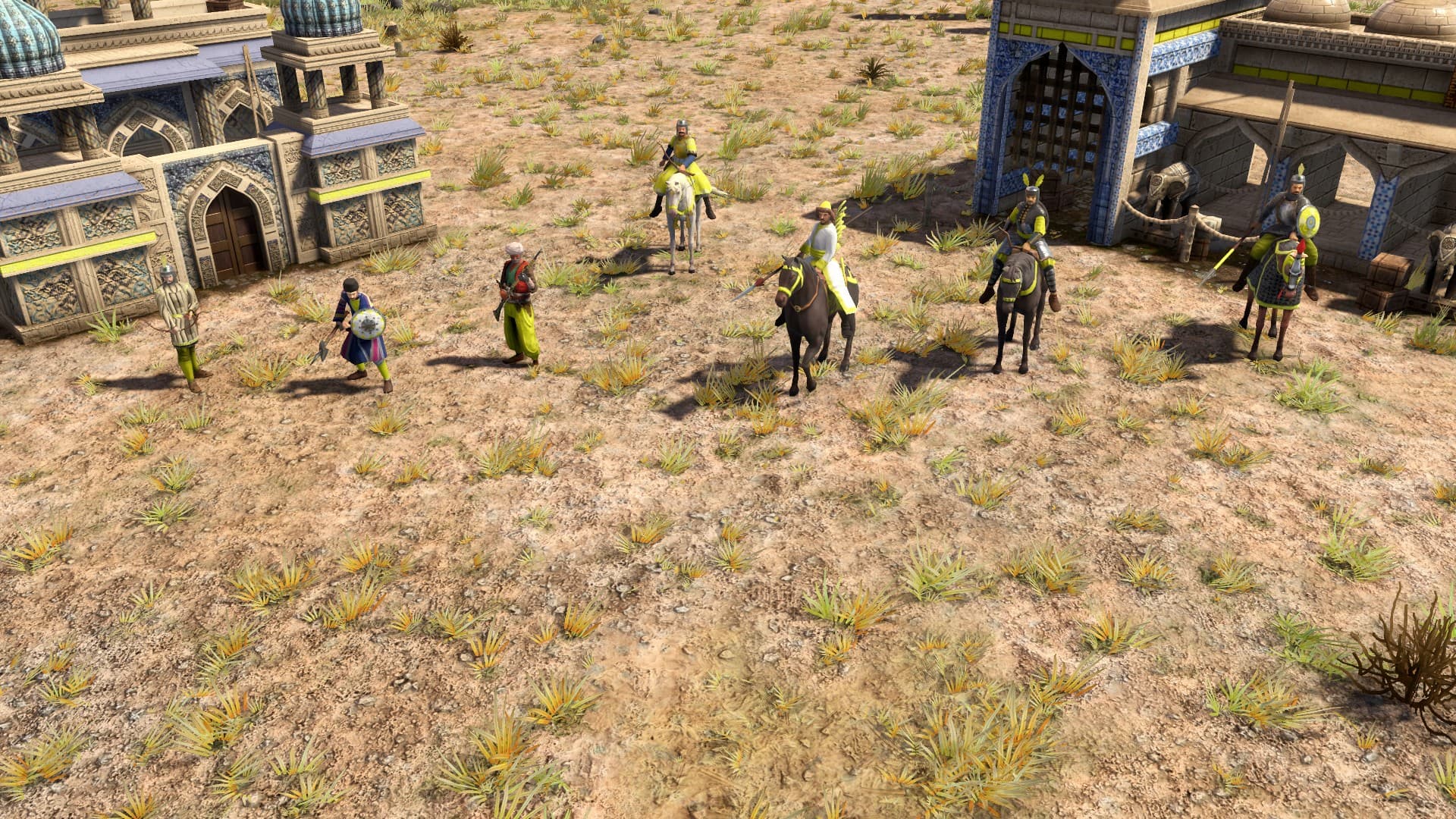
The following is my shortlist of potential Uzbek land units:

Infantry:

Chirik

  • Militia unit
  • Alternatively called Charish, Chaghrish, Qara-chÄ«rÄ«k, or Black Chirik
  • ChÄ«rÄ«k means to call up / the troops called up, Qara means commoners, and black refers to not being part of the regular army
  • Likely would be applicable to other Turkic civs

Mergan

  • Archer
  • Applicable to any Turkic civ
  • Alternatively called Mergen, MÄ«rgān, Mihrgān, etc
  • Derives from the hunting god Mergen, and the meaning shifted over time from archery to sharpshooters in general, and later musketeer. So it could work as a musketeer like my original suggestion, but I think archer is truer to the original meaning.
    image

Sarboz

  • Line infantry / Musketeer
  • Sarbaz means soldier in Persian and Sarboz is the Turkic spelling and is specifically foot soldiers
  • Organized as more modern infantry in response to Nader Shaw’s reforms
  • I originally suggested them as swordsmen so they could be shared with Persia, but line infantry seems like a more accurate role
  • Could potentially be shifted to age 3 to reflect their late adoption

Shamshirbaz

  • Swordsman
  • Uzbeks didn’t have dedicated swordsmen, but shamshirs were a ubiquitous weapon among them
  • It would be fitting for Uzbeks to share a unit with Persias and Mughals and this would work well for that
  • Would also fill the heavy infantry role early on if Sarbaz are restricted to age 3

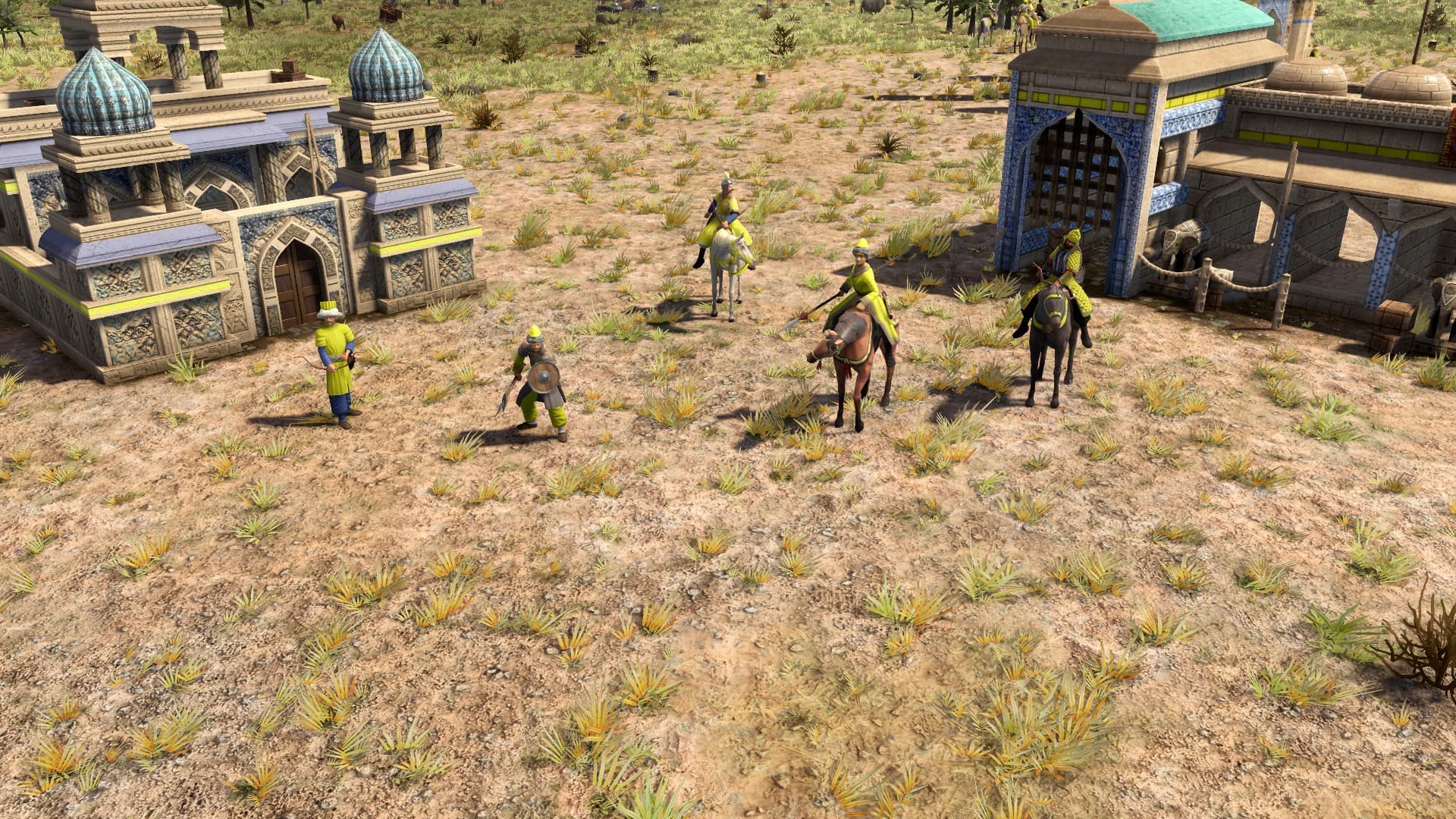
Shabgard

  • Spy
  • Means night wanderer in Persian
  • Potentially shared with Persia?
    image [2]

Cavalry:

Naukar

  • Mainline heavy cavalry
  • Alternatively Navkar, Nawkar, Nuker, Nooker, Nöker, etc
  • Means soldier, specifically in the regular army
  • They comprised of ethnic Uzbeks and generally fought as cavalry with weapons such as lances and sabres

Batir

  • Heavy lancer / semi-lancer
  • (shared with other Turkic civs)
  • Alternatively Bahadur, Bahadır, Bahodir, Batur, etc
  • Means hero or outstanding warrior and refers to the most elite troops
  • Applicable to any Turkic civ
  • Kokand Khanate had a special unit called Galabatirs, but I wasn’t able to find much detail on what type of soldier they were
    [3]

Alaman

  • Weak cavalry archer
  • Potentially only 1 population and available in age 2
  • Originally irregular raiders that gained a more formalized military role over time
  • The term is applicable for both Uzbeks, Turkmen, and potentially other Turkic civs
  • The only description of their armament I found listed muskets and lances, but that may have been from a later period. The Uzbeks transitioned away from archery to firearms in later periods, but units of non-Uzbeks such as Turkmen Alamans would have been more likely to stay as archers.

image
image

Mangudai

  • Elite cavalry archer
  • Originated as an elite Mongol bodyguard
  • Was the origin of the Turkic Manghud clan that went on to rule Bukhara and the Nogai Horde
  • Could also be applicable to other Turkic civs

Khan

  • Mounted archer hero

Siege:

KhāáčŁáčŁa-Bardār

  • Heavy skirmisher that can mount/dismount
  • Alternatively called Khusa Burdar, Cassabardar, etc
  • Means “special/elite weapons bearer” and they’re described as mounted infantry and ‘harquebusiers’ with very heavy “falconet muskets” as distinct weapons
  • Basically an Abus Gunner that can get on a horse (which sounds cancerous, but could be very interesting if balanced right)
  • They could be a 2 pop light infantry when dismounted, and a light cavalry when mounted. However, they’d need roughly the same counters in both forms, so the mounted form should have a multiplier versus light cavalry rather than heavy cavalry (good vs heavy inf, light cav and bad vs light inf and heavy cav in both modes)
  • Should have a really low fire rate when mounted

Zamburak

  • General purpose artillery mounted on a camel
  • Should have to unlimber and fire with camel kneeling more like a standard artillery not like India’s version that is a weak light cav

Darbzen

  • Turkish style anti-infantry artillery that was widely used in the Muslim world
  • Could represent the Uzbek artillery operated by Persians

Mortar

  • Uzbeks also used Russian slaves and mercenaries to operate their artillery so it wouldn’t be out of place to straight up have a regular European Mortar with Russian voice lines in their standard roster
  • If nothing else, access to some Russian consulate artillery would be a must

Exclusions:

The following have some issues which I think would exclude them from contention.

Qƫrchī

  • It’s derived from the Mongol Khorchin (quiver bearer) bodyguards so there’s an originally an archer association
  • By far the stronger connotation is as an elite bodyguard, and there’s a very specific Persian unit that uses that name
  • Overall, using the term for musketeers is arguably weaker than Mergan, so I wouldn’t use it for that role.
  • There is potential for this to be a unit, but I think there’s a stronger case for it to be a Persian Qurchi or even a Mongol Khorchin, not an Uzbek unit

Tƫqsāba

  • These seem a little too obscure. TĆ«qsāba seems to just come up as an administrative title more than any mention of military or guard function.

Zƫrābādī

  • Seems very niche to me.

Urusān-i Hāris

  • I think this translates to “Russian army” which I think is a bit too literal for a good unit name

  1. MILITARY ADMINISTRATION AND THE STRUCTURE OF THE ARMY IN THE KOKAND KHANATE ↩

  2. HISTORY OF THE RELIGIOUS AND MILITARY ADMINISTRATION IN THE CENTRAL ASIAN KINGDOMS (THE EARLY XVI TO XX CENTURIES) ↩

  3. MILITARY ADMINISTRATION AND THE STRUCTURE OF THE ARMY IN THE KOKAND KHANATE ↩

1 Like

Right, I’ve been doing a lot more reading and scrolling through interminable numbers of reference images. This is my new unit roster, soon to be released as a update to the mod once I’ve finished sorting the textures out.

Barracks

Tabardar

  • Renamed Tribal Warrior, identical stats-wise
  • Though I liked “Tribal Warrior” for telling you exactly what to expect out of the unit (bad), “Tabardar” has a lot more character.
  • I’m having some difficulty finding images of irregular, militia infantry. I don’t want the unit to look too well armoured.

Qaravul

  • A word of Mongolian origin shared by almost all Turkic languages, means “guard” or “sentry”
  • Renamed Sibir Hunter, HP increased slightly at the cost of attack
  • Among steppe people, the “default” archer was mounted, so Mergen might be a slightly more fitting name for the horse archer, at least for an umbrella civ. One place you would find a lot of foot archers is defending fortifications, hence the foot archer is a “guard”.

Seymen

  • Unchanged - it just works

Stable

Kazak

  • New hand cavalry unit, replacing Batir
  • Kazak (something like “free man”) is a good name for a unit representing the common tribesman, with relatively simple equipment - in this case, just a lance.
  • Stats-wise, is faster but less tough than the Batir and has a small attack range. No bonus damage, but can gain a minor anti-cavalry bonus with a card.
  • You can also give them a charged musket attack, representing the eventual adoption of firearms by Uzbek and Kazakh cavalry.
  • Visually based off Crimean and Bashkir light cavalry.

Mergen

  • Renamed Kazak (horse archer)
  • As mentioned, I decided to use Mergen for the mounted archer. The unit represents the same thing as the Kazak, commoner tribal warriors on horses, but equipped with bows for variety. They also carry sabres and shields, so have decent melee capabilities, but with reduced bonus damage.
  • Visually based off slightly better equipped warriors, such as this Tatar and this Kazakh

Batir

  • Renamed Oghlan, stats unchanged.
  • I decided in the end to use Batir for the elite heavy cavalry. It’s too widely used a term not to appear as a unit name, and it just fits. Oghlan is now used for a card that improves Kazaks.
  • Visually, I’m struggling a little to find good images that can definitively be called Early Modern Turkic. Currently, I’m thinking something like this Kazan warrior for age 3 and this Kazakh for age 4.

You will notice no Circassians. After a lot of soul-searching, I decided to relegate them to mercenary status. They just don’t fit the umbrella, and the number of lance units that do different things would be too confusing.

Castle units are completely unchanged. They work, they’re fun.

2 Likes

Those all look like good changes. Probably about as good as you can get for an umbrella Tatar civ.

Is something like this what you’re after? https://www.reddit.com/r/Tiele/comments/17n09nz/warriors_in_traditional_turkic_clothing_at_the/

To be fair, the default everything was mounted so it would be equally valid to have Mergen foot archers and Kazak mounted archers. But this works well enough for one civ since there isn’t the motivation to fit them into roles that can be shared across multiple civs.

Since you’re going for the more generic meaning it might be best to go with a spelling that’s a little more different from the Kazakh ethnicity. Something like Qazaq would be less likely to be confused with the ethnicity.

2 Likes

Exited for the update!

2 Likes

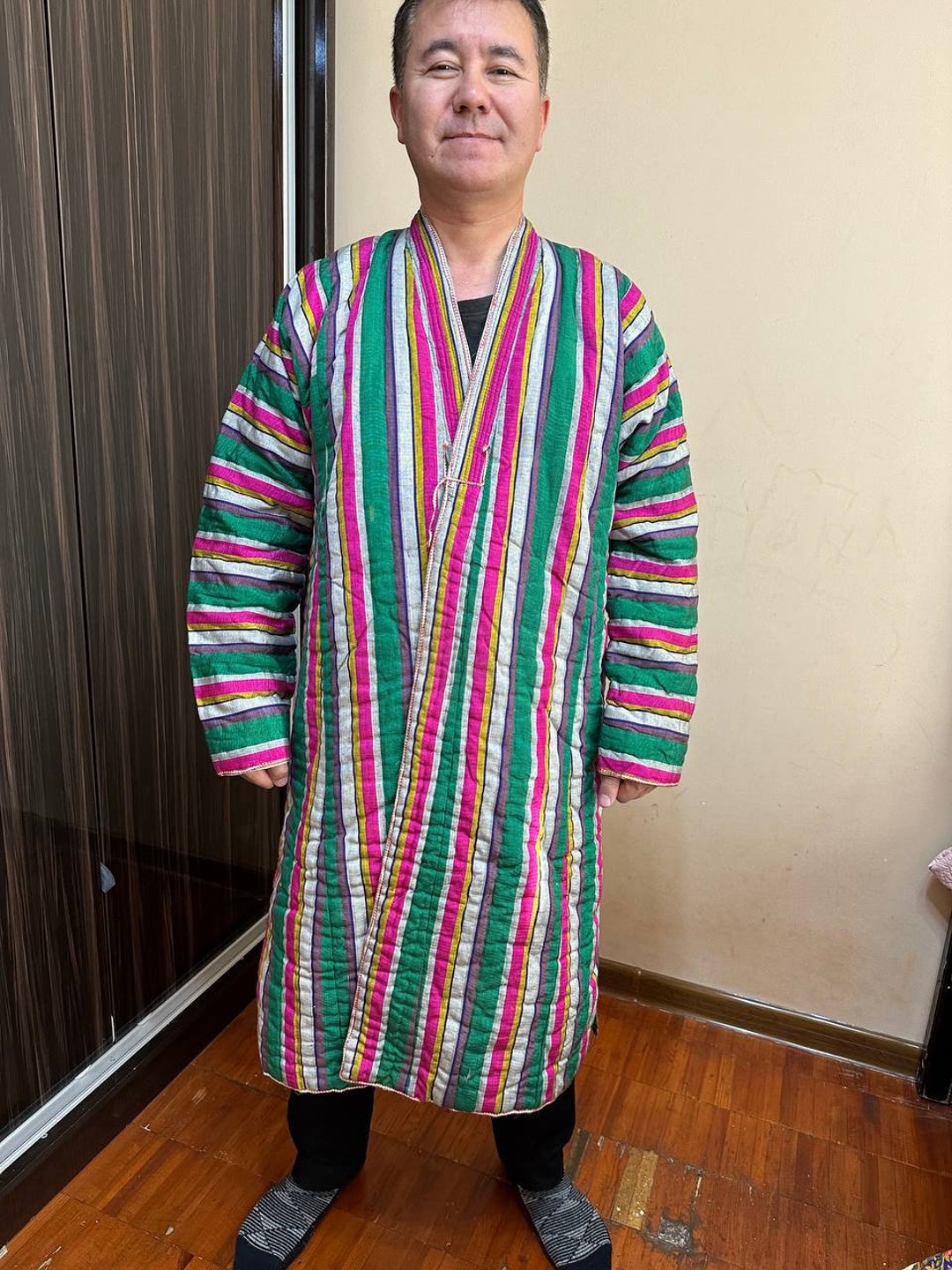
I like these, thanks. I ended using one of them for the base unit, then putting him in a chapan from Age 3. I’m quite pleased with the result, it really captures the “bloke with axe” vibe I was going for.

Good idea.

1 Like

Hi All,

It’s been a long time in the works, but the big update has finally arrived! I’m going to run through a few of the bigger changes, but there are countless balance tweaks as well.

Unit Changes

This update brings a massive overhaul to the Tatar unit roster in an attempt to more closely represent Central Asian military forces. Almost all of the units have received new textures, and there are stat changes everywhere. Without further ado, let’s begin:

  • Tribal Warrior is now called Tabardar (Axeman). Its stats are unchanged, but it has a new look.
  • Sibir hunter is now Qaravul (Guard/Sentry). It has been rebalanced to increase HP at the cost of attack, and also has a new look.


Your new Commerce Age units

  • Batir is now called Qazaq. It has been reworked into a lance-armed cavalryman with higher speed and a short attack range. It has no damage bonuses, but can gain a small anti-cavalry multiplier with a card.
  • Kazak is now Mergen (Archer). Balance-wise, its melee damage has been increased at the cost of losing most of its melee multipliers, making it a strong raider. It also has a new set of textures.
  • Oghlan is now Batir. It is largely unchanged, but has new textures.


The Fortress Age selection

  • The Circassian Lancer has been removed, and replaced by a new mercenary unit that fulfills the same role.
  • The Castle units are unchanged.
  • The Abrek mercenary has been reworked into a counter-skirmisher to better protect your ranged cavalry.


The Industrial Age

Along with the Circassian Lancer, there is another new mercenary - the Shutarnal! This camel mounted artillery piece is strong against cavalry and infantry, but its low base damage and shorter range make it vulnerable to enemy artillery.

Wonders

Many wonder shipments have been changed. The Polvon Gate now ships villagers, for example, which might make it a more tempting early game pick.

The Polvon Gate also allows you to train a selection of mercenaries with export, while the Hansaray grants a bonus to livestock cost and build limit. More excitingly, the Ark of Bukhara now contains a number of cheap military technologies that should help you get some more use out of your Commerce Age units.

That’s all for now. Please keep the feedback and suggestions coming, and I hope you have fun exploring the new and improved Tatars!

7 Likes