Yes, but it’s important to distinguish between mangoes and berries, because their situation in the Middle Ages was very different.
Mangoes 

Mangoes existed long before the Middle Ages. The mango tree (Mangifera indica) is native to South Asia, especially India and surrounding areas.
In medieval India, there were orchards and groves of mangoes.
They were also cultivated in parts of Southeast Asia.
However, in medieval Europe, there were no mango plantations because the climate didn’t allow it, and the fruit was practically unknown there.
Mangoes only arrived in the Americas with the Portuguese and Spanish maritime expansion after the Middle Ages.
Therefore, a French or Castilian peasant in the 13th century would never have seen a mango, but an inhabitant of the Delhi Sultanate or the Vijayanagara Empire could have known extensive mango groves.
Berries 

Berries were much more common in medieval Europe.
Among them:
Blackberries.
Raspberries.
Blueberries.
Sloes.
Currants.
Elderberry.
Many grew wild in forests and field edges, and some were also cultivated in monastic and manorial orchards.
In terms of Age of Empires 
If you think of a medieval European map:
 Berry forests: totally historical.
Blackberry and raspberry thickets: very common.
 Mango groves: impossible.
If you think of a map of medieval India:
Mango groves: perfectly historical.
Local berries: could also have existed.
In fact, the mango held such cultural significance in India that it is mentioned in religious texts, poetry, and historical accounts from many centuries before the Middle Ages.
Ultimately, mango groves could have existed in the civilizations of South Asia (India and Southeast Asia) and mango berries in Europe, from Portugal to Russia and from Scotland to Sicily…
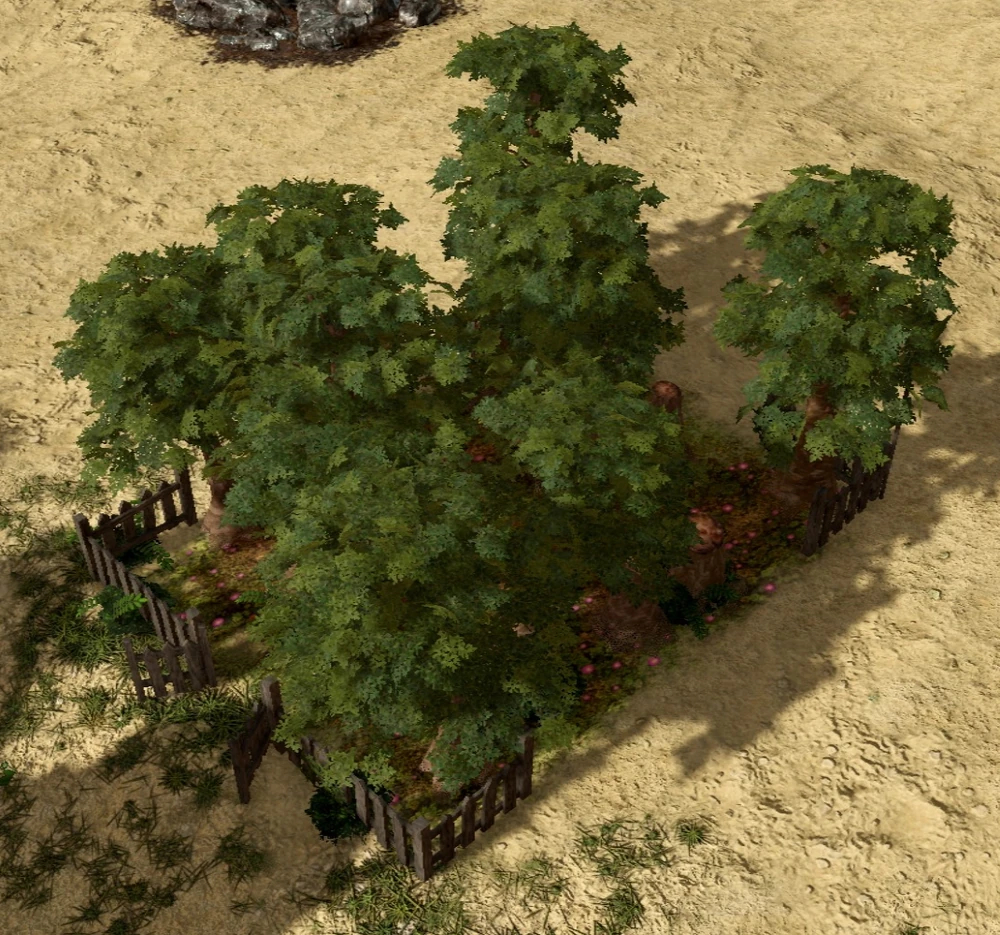
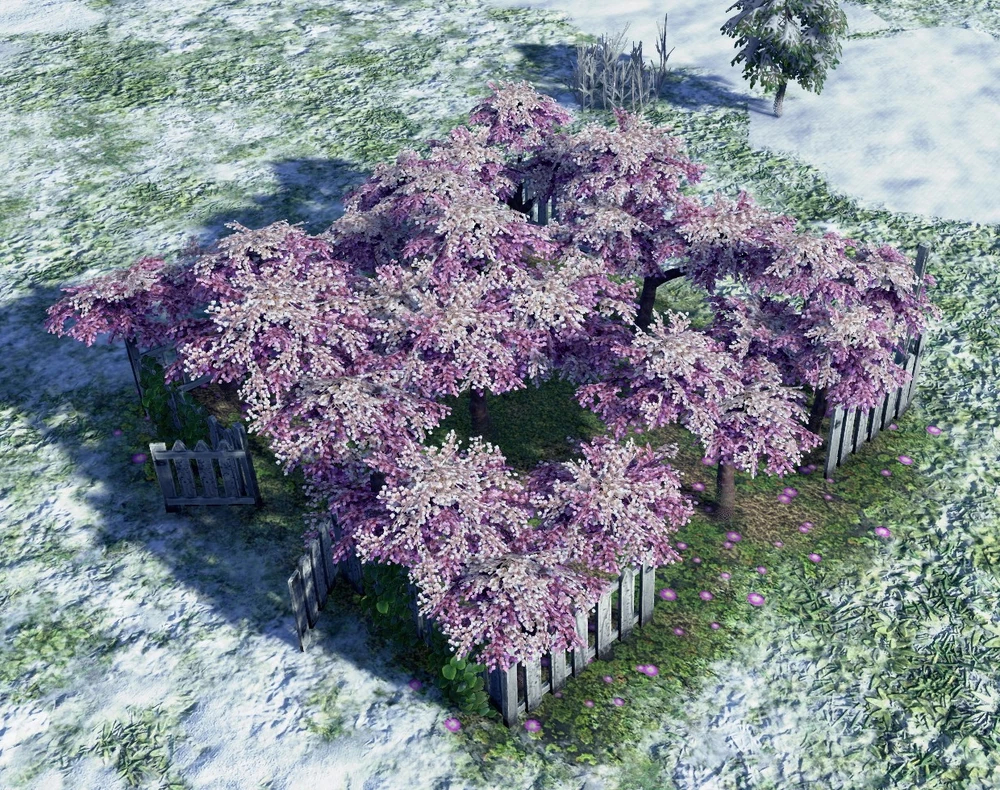
 … and yes, that exists in AoE 3… the Indians have mango groves that provide wood and the Japanese have cherry farms that produce food… in AoE 2 it could be a tree farm, that is, a grove and a berry farm, which could even be changed from the mill, having wheat farms for Europeans and Africans, corn for Americans and berries for Asians (except for nomadic and Central Asian civs who would have pastures)…