Some Suggestions on Reworking Chinese Units in Age of Empires III: Definitive Edition – The Asian Dynasties

Hello everyone on the forum,I am an Age of Empires fan from China. I really enjoy the Age of Empires series, especially the rich and diverse unit roster of Age of Empires III, with its Age of Discovery setting and gunpowder era. However, I have also noticed that the unit design for Asian civilizations in Age of Empires III is not perfect. Frankly speaking, it is full of stereotypes.

As a Chinese player with some knowledge of early modern Chinese history, I have some understanding of the melee and gunpowder weapons that were popular in China during the timeline of Age of Empires III (the Ming and Qing dynasties, mainly the Ming). Therefore, I take the liberty of listing a personal proposal for reworking Chinese units in Age of Empires III. I hope that after reading it, you can point out its shortcomings and offer suggestions for improvement. I would be very grateful.

Even if this proposal ultimately does not help the Age of Empires III: Definitive Edition developers carry out a large-scale rework of the three Asian civilizations in The Asian Dynasties like they did for the European and American civilizations, it will still serve as a small contribution if it helps fellow Age of Empires III players learn more about China.

Thank you!

The following is the rework proposal for Chinese units in Age of Empires III.

Infantry/Cavalry Units:

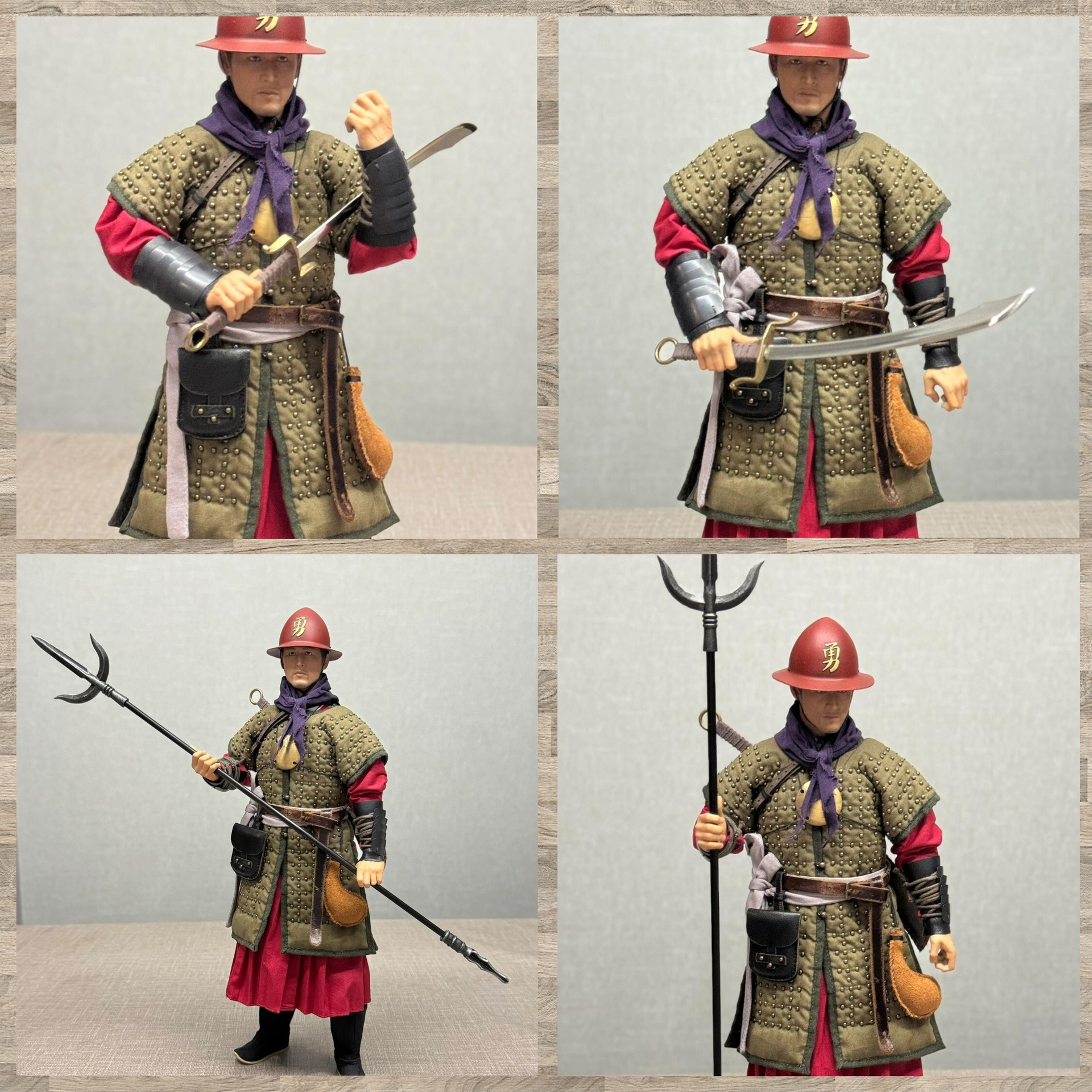
1. Qiang Pikeman(中国长枪兵): Unlocked in Age II. A 1-population heavy melee infantry unit, anti-cavalry/anti-building. After sending the “New Army”(新军) card, the Qiang Pikeman is replaced by the “Tang-Pa Soldier(镗钯手),” and the pike is replaced by a Tang-Pa.

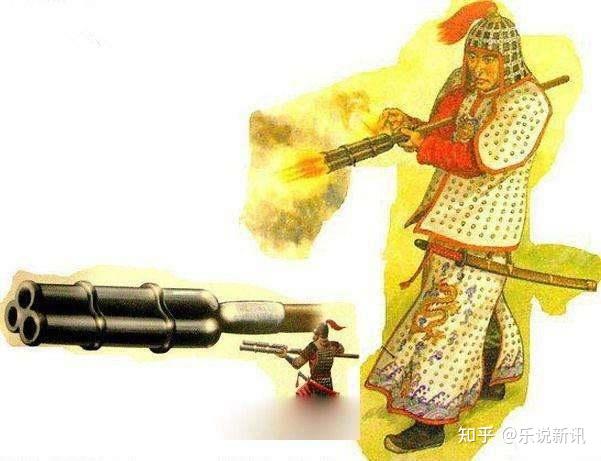
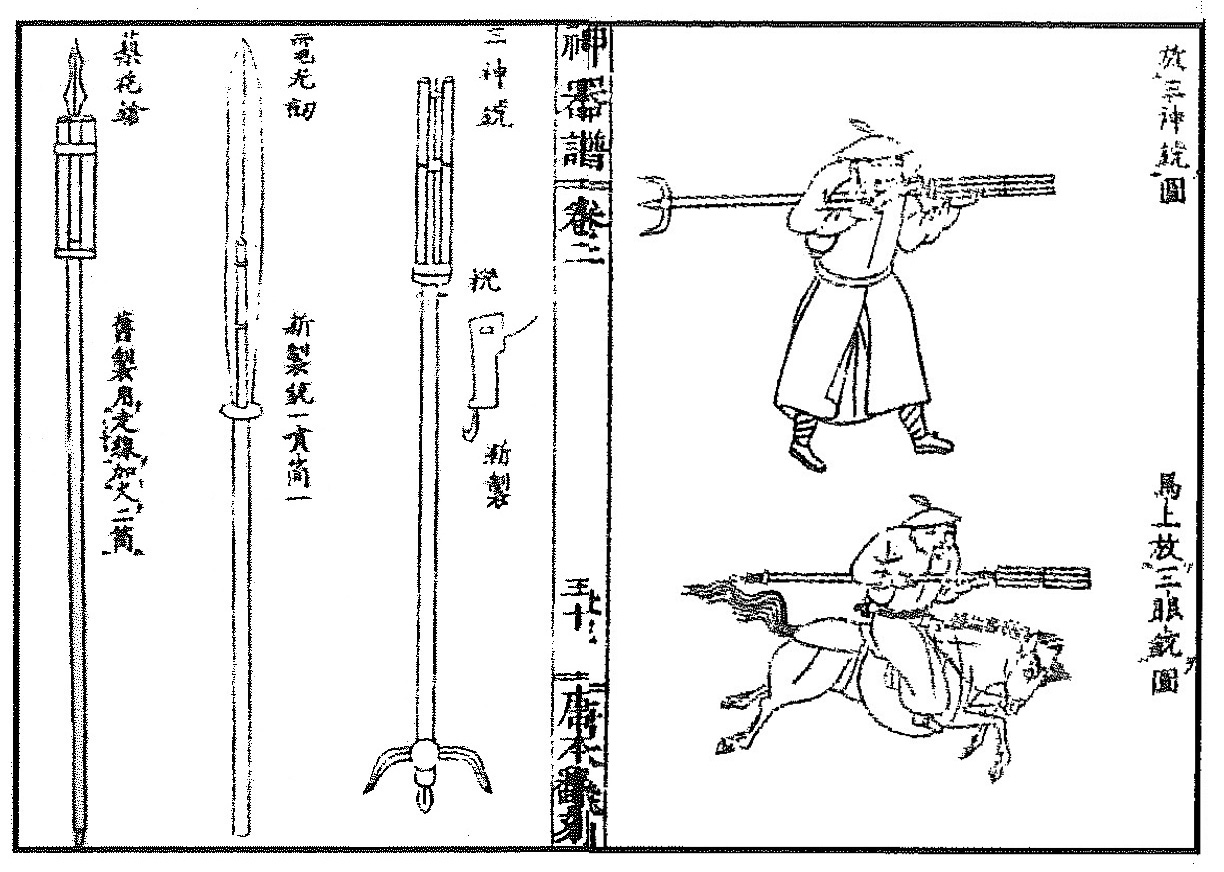
2. Chu Ko Nu(中国连弩兵): Unlocked in Age II. A 1-population light ranged infantry unit, anti-infantry. After sending the “New Army(新军)” card, the Chu Ko Nu is replaced by the “Hand cannon Soldier,”(三眼铳手) and the repeating crossbow is upgraded to a“Three-barrel Handgonne”(三眼铳),a Chinese three-barreled hand cannon.

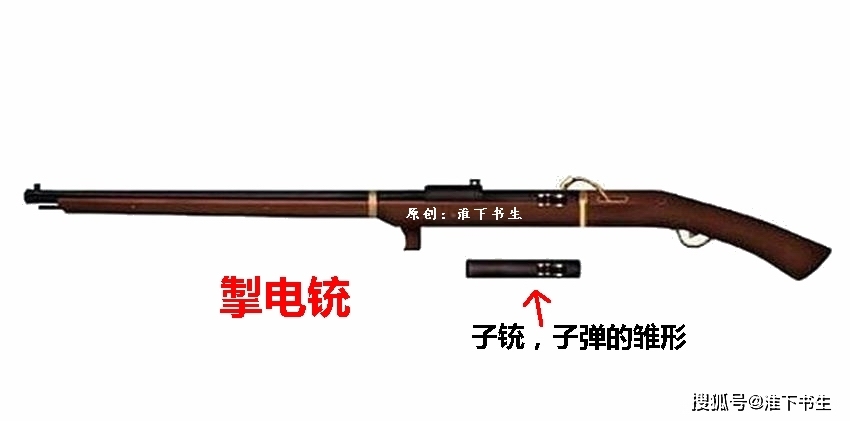
3. Arquebusier(中国火绳枪兵): Unlocked in Age III. A 1-population light ranged infantry unit, a skirmisher with high range and low HP; uses a Changdao(长刀) in melee, anti-infantry. After sending the “Che Dian Chong”(掣电铳) card, its rate of fire is increased.

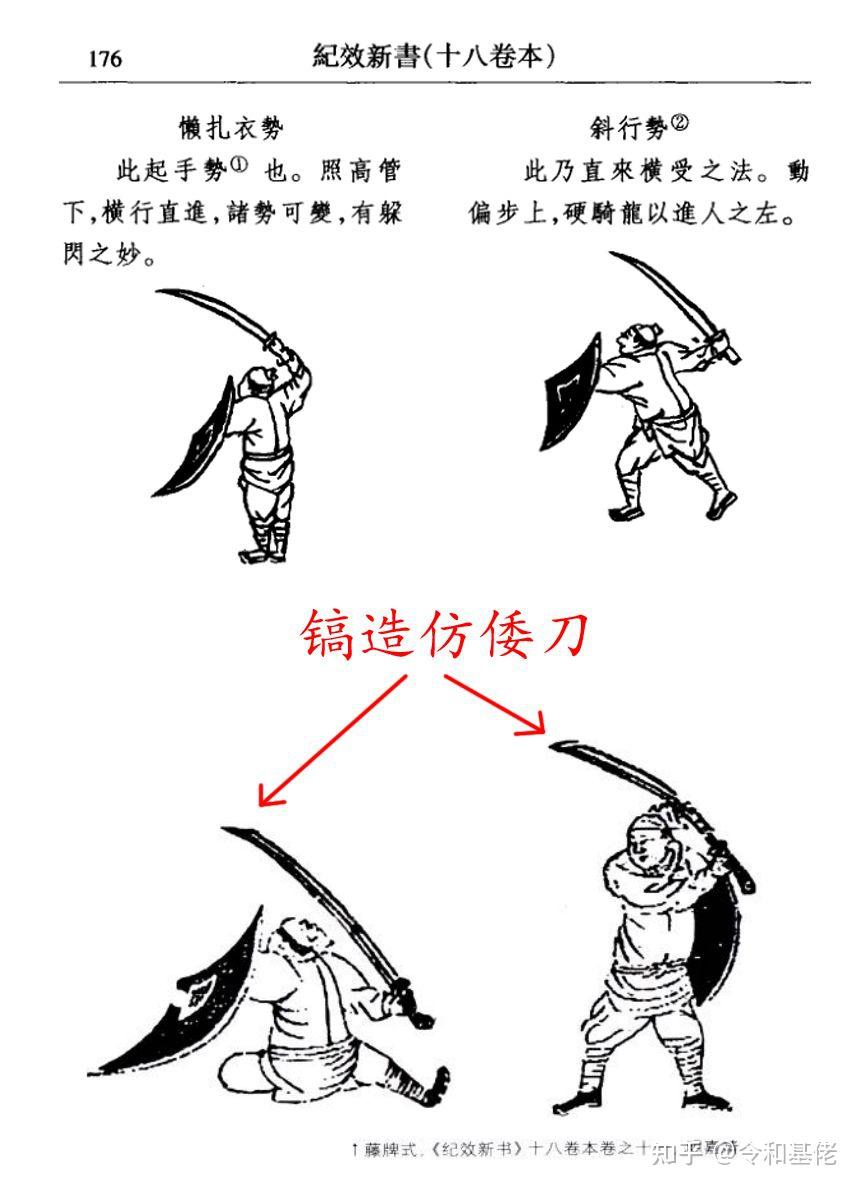
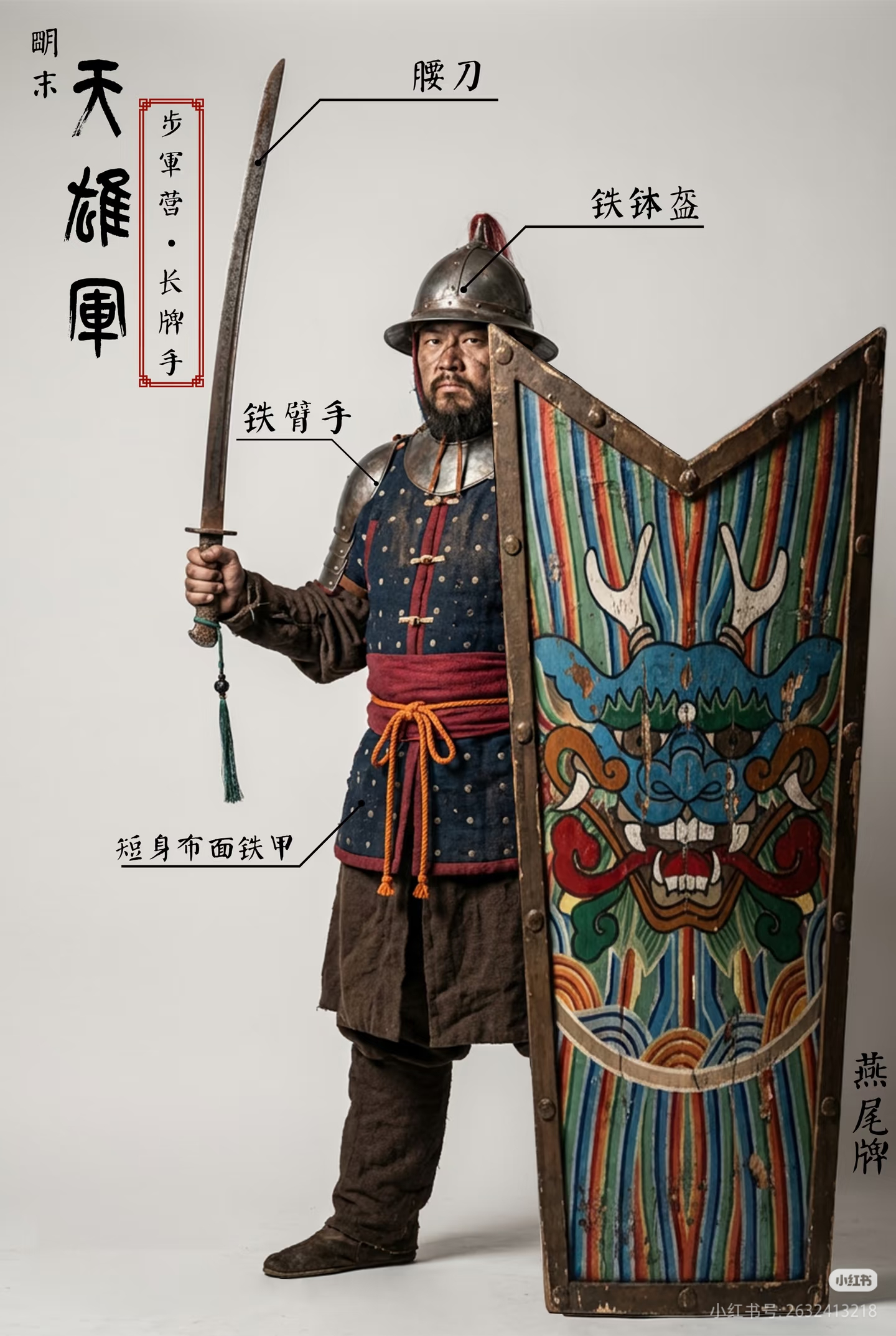
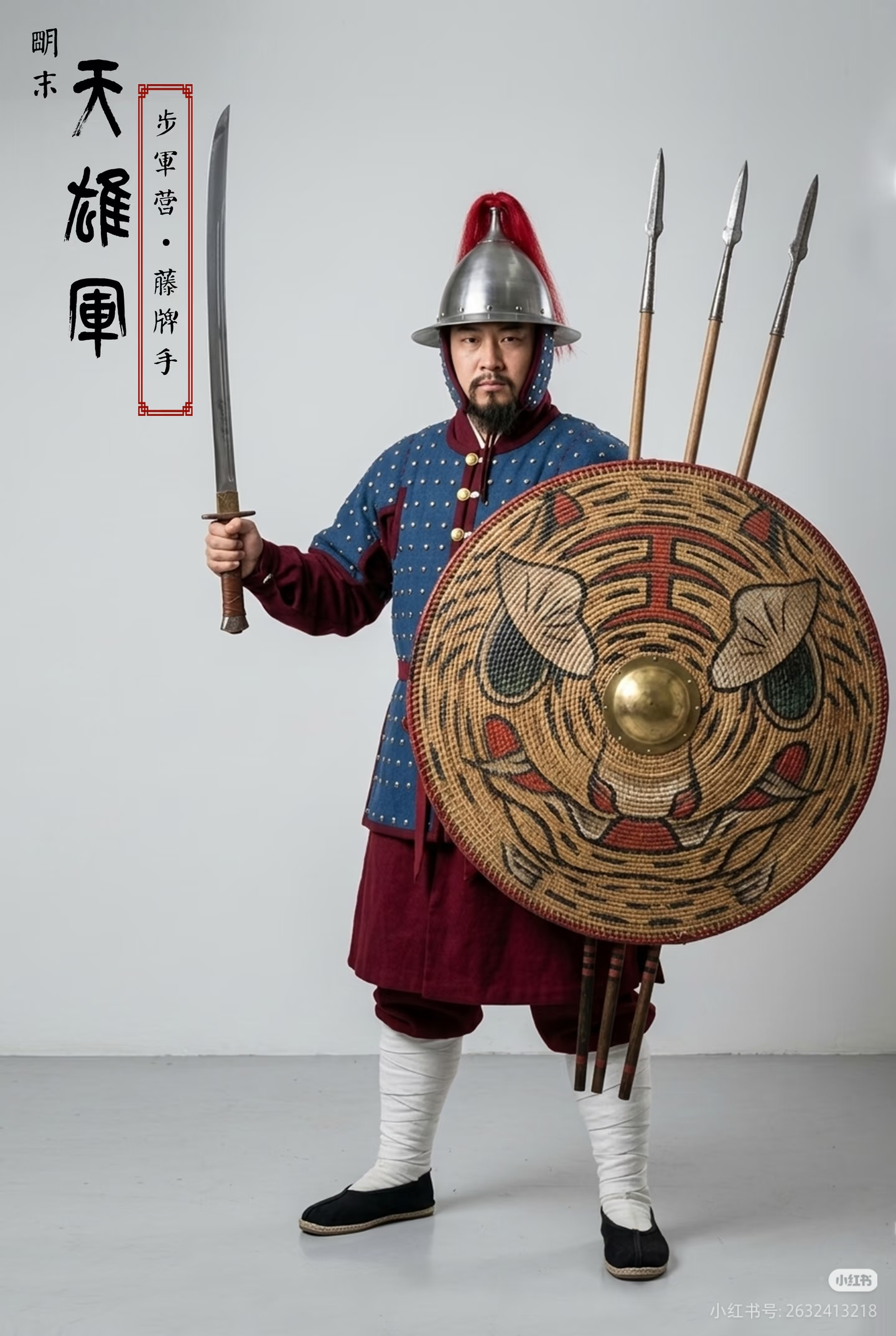
4. Dao-Pai Soldier(中国刀牌兵): Unlocked in Age III, formerly the Changdao . A 1-population heavy infantry unit that is effective at both range and melee, equipped with a changdao and shield.similar to the Ethiopian Gascenya,can throw javelins at enemies at range, anti-cavalry.

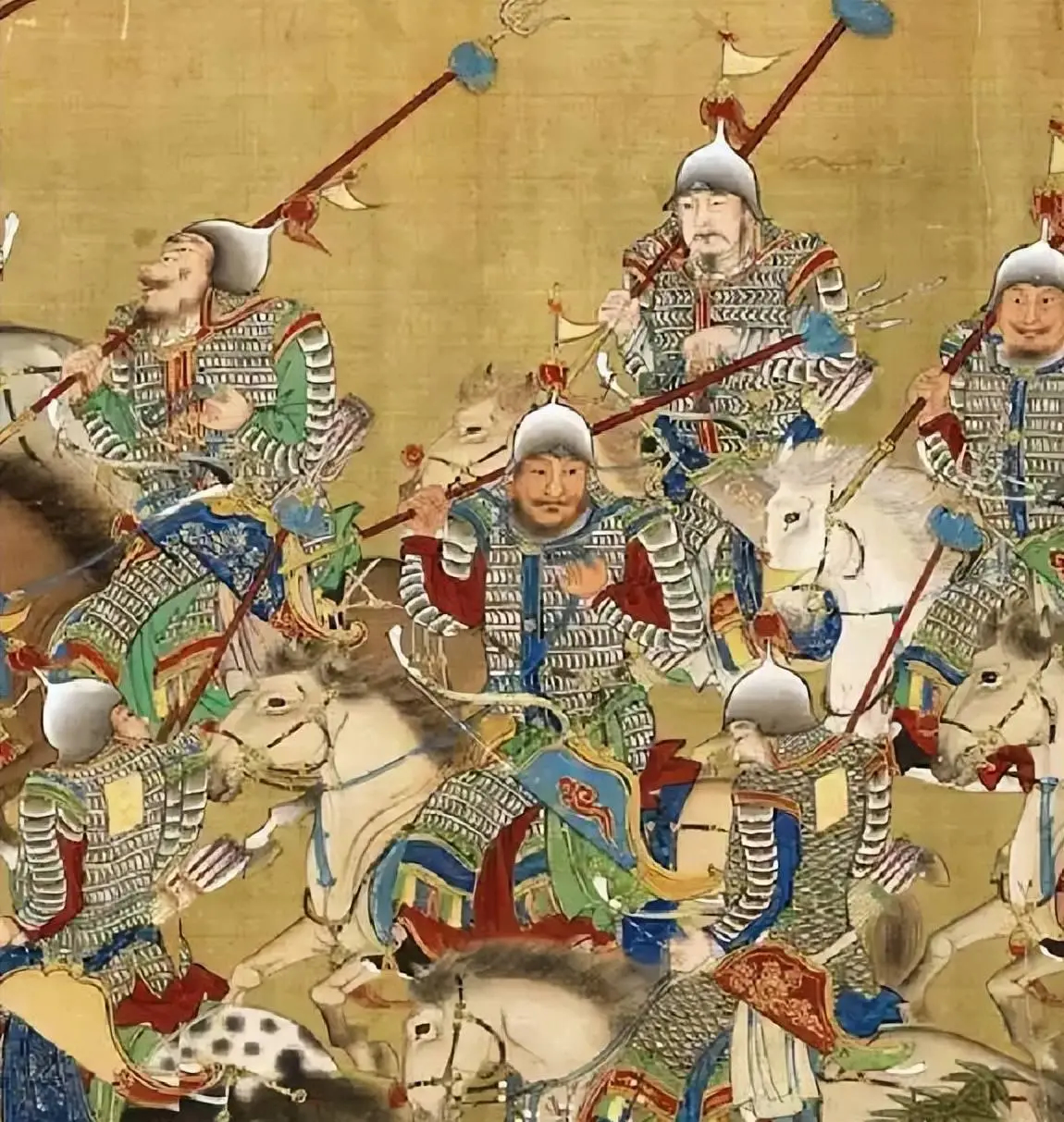
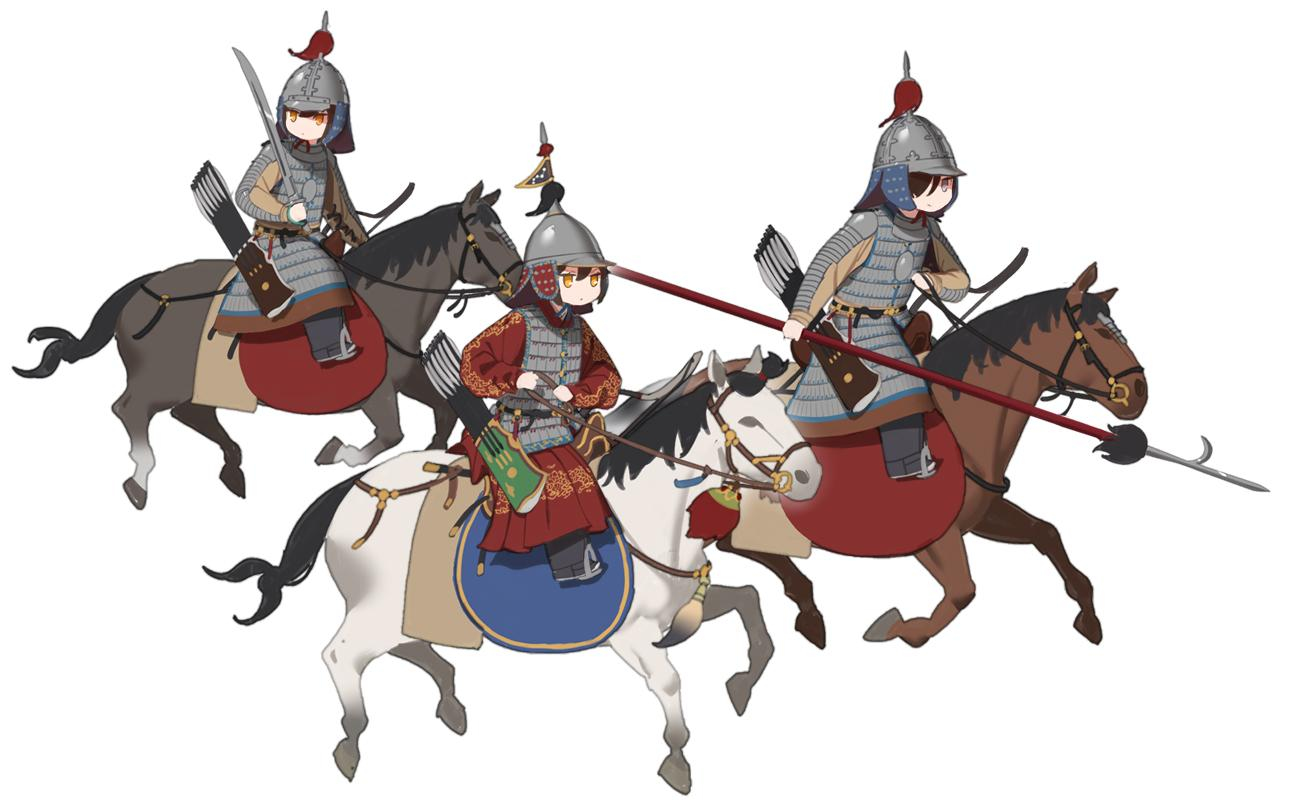
5. Frontier Cavalry(边军骑兵): Unlocked in Age II, formerly the Steppe Rider. A 1-population heavy melee cavalry unit, with its weapon changed to a lance, anti-villager/anti-building. After sending the “Huolongjing”(火龙经) card, Frontier Cavalry is equipped with a fire lance (火长矛)charged attack.

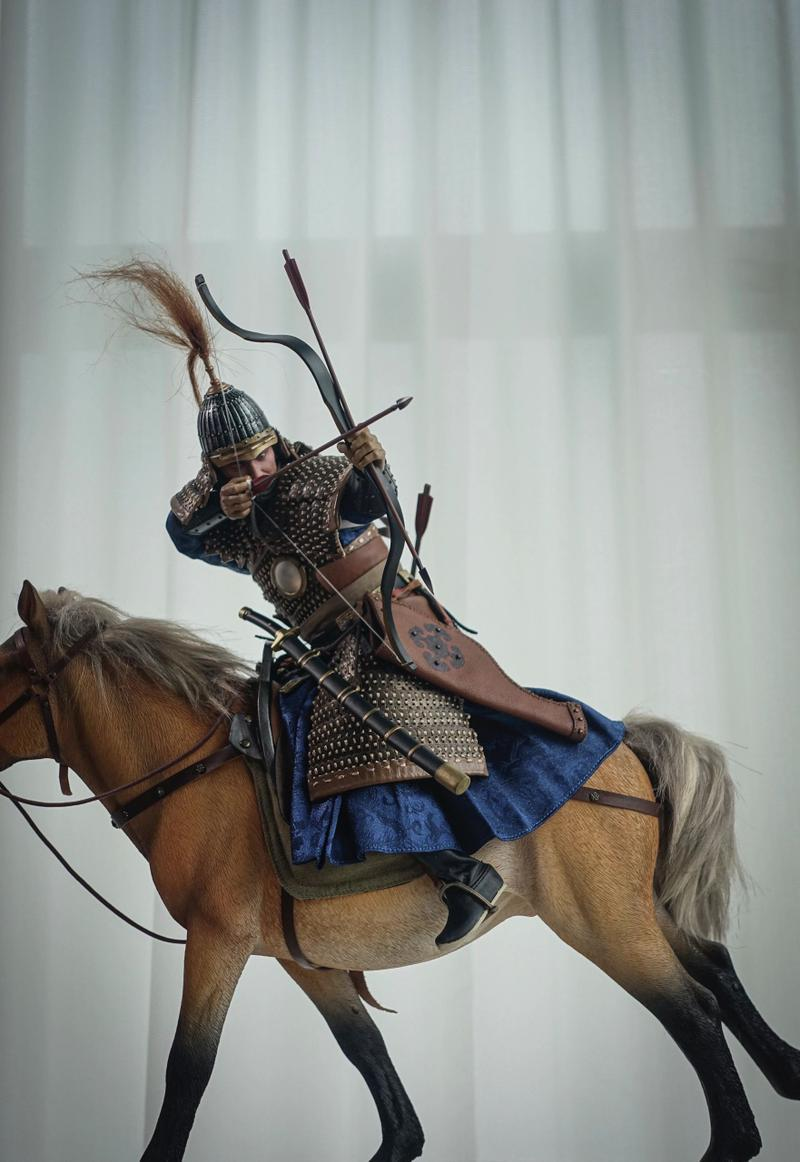
6. Frontier Cavalry Archer(边军骑射手): Unlocked in Age II, formerly the Keshik. A 1-population light ranged cavalry unit, anti-cavalry. After sending the “Mongol Brave” (蒙古勇者)card, it unlocks a charged lasso ability.

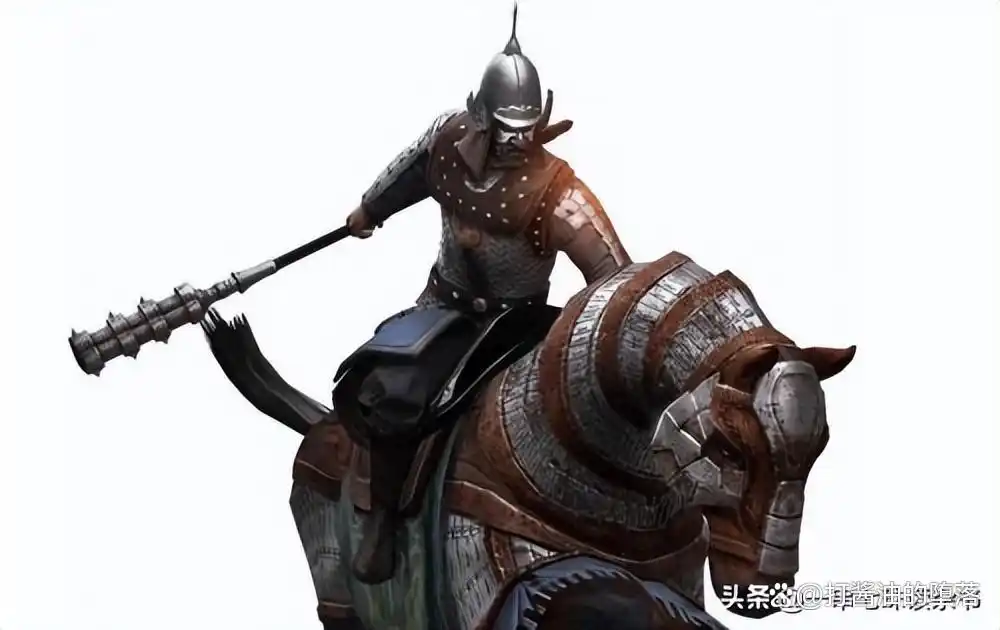
7. Hand Cannon Cavalry(火铳骑兵): Unlocked in Age III, formerly the Meteor Hammer. A 2-population heavy ranged cavalry unit equipped with Three-barrel Handgonne; it fires at range, and in melee uses the hand cannon as a club/mace, anti-archer/skirmisher/artillery.

8. Dadao Cavalry(大刀骑兵): Unlocked in Age III, formerly the Iron Flail. A 2-population heavy melee cavalry unit equipped with a long-handled dadao. Anti-archer/skirmisher/artillery.

Artillery Units:

9. Nest of Bees Rockets(一窝蜂火箭): Unlocked in Age II, formerly the Flamethrower. A 3-population siege weapon that can fire rockets continuously, anti-infantry/anti-building.

10. Hand Mortar(碗口铳): Unlocked in Age III. A 2-population light artillery unit, anti-artillery.

11. Berço War Cart(佛郎机车营): Unlocked in Age III. A 5-population light artillery unit,similar to the Wagenburg used during the Hussite Wars,anti-infantry/anti-ship.

12. Heavy Falcon(发熕炮): Unlocked in the Age in which the wonder [Confucian Academy] is completed, formerly the Flying Crow. A 7-population heavy artillery unit; it can only be trained through Home City shipments or at the Confucian Academy.

I will explain the design sources and historical background of these units in subsequent replies. Friends are welcome to discuss and offer suggestions under this thread. If there happen to be any experts in the comments who are knowledgeable about Chinese weapons and equipment in the gunpowder era and are willing to share what they know, that would be even better.
3 Likes

Yes, I can see some rework for the Chinese in an East Asian DLC (with Korea and Vietnam)…

Hello everyone, I’m back again. Now let’s begin introducing the weapons and equipment of the infantry units in the Chinese unit rework proposal:

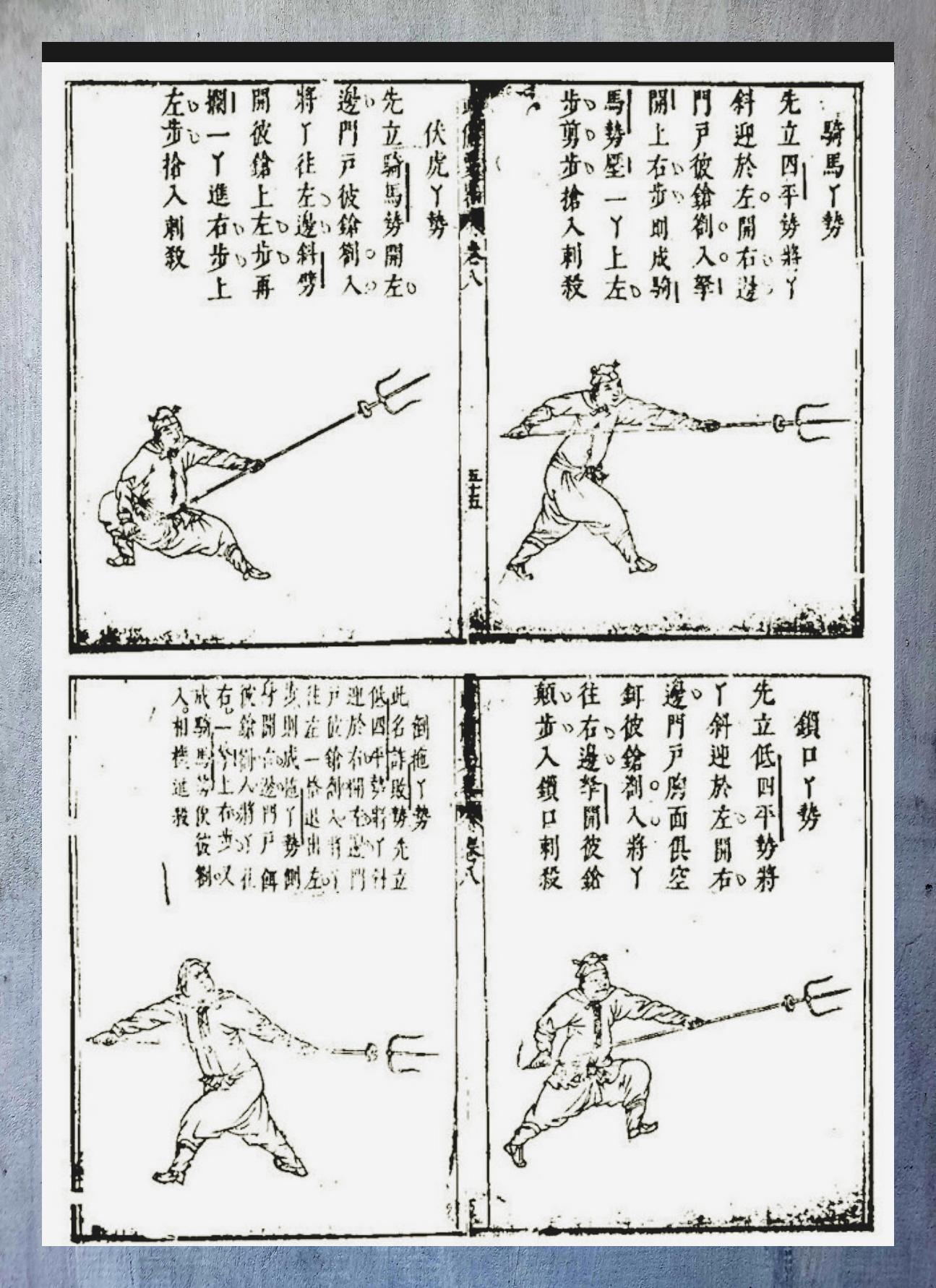
1. Qiang Pikeman becomes Tangpa Soldier

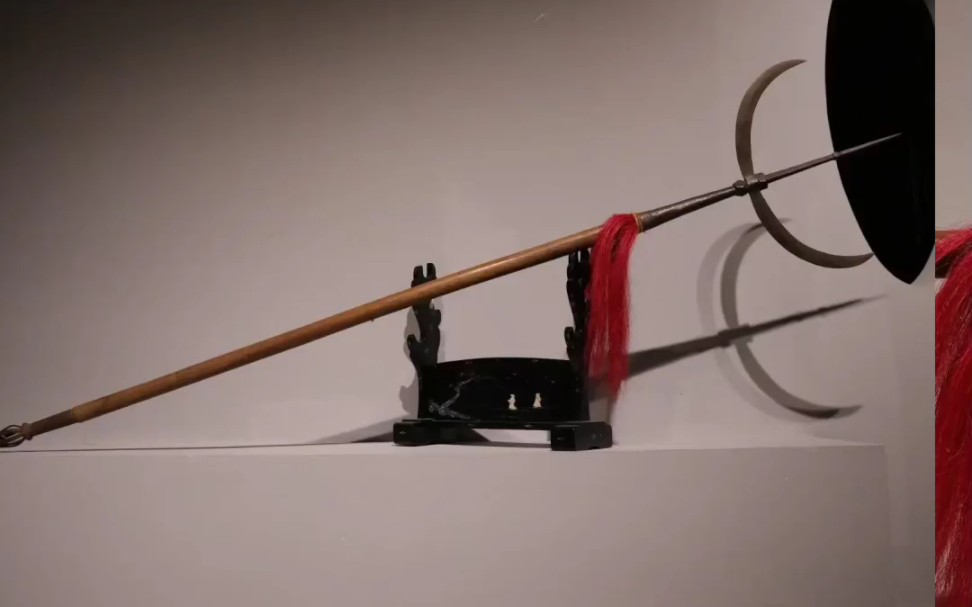
The tangpa(镗钯) is a unique weapon from China. Its appearance is somewhat similar to the Western trident. Qi Jiguang(戚继光), a famous Ming dynasty military general, attached great importance to the use of the tangpa, and in his famous military formation, the “Mandarin Duck Formation,”(鸳鸯阵) he incorporated a large number of tangpa soldiers. Under the cover of shield bearers, these tangpa soldiers would launch surprise attacks on Japanese pirates from the flanks of the formation, using the weapon’s distinctive three-pronged shape to parry the katana commonly used by the Japanese. If the tangpa is thrust into an enemy’s body, it is very difficult to pull back out. It is a violent and bloody melee weapon.

The appearance of the “tangpa”(镗钯)

How to use the tangpa

Tangpa soldiers

2. Chu Ko Nu becomes Three-barrel Handgonne.

The three-barrel handgonne is a distinctive hand cannon unique to China. Its shape resembles a small hammer, and it has three barrels. Below the barrels, just like all hand cannons, a wooden shaft is inserted. With a single ignition, it can fire projectiles from the three barrels one after another to kill enemies. It is an ancient multi-barreled firearm. The Chinese were very fond of using the three-barrel handgonne. In addition to ranged shooting, its iron barrels allow it to be used in melee as a hammer to strike enemies. The Chinese made extensive modifications to these ancient hand cannons; eventually, there even appeared three-barrel handgonnes that used a matchlock to fire, greatly improving reload speed and reliability.Even today, three-barrel handgonnes still exist as hunting weapons in some rural areas of China.

how to use the Three-barrel Handgonne

3.. Partial Changes to the Arquebusier

The Arquebusier(鸟铳手) is the unit with the fewest changes among these units, but here is still a brief introduction to two small changes regarding the Arquebusier:

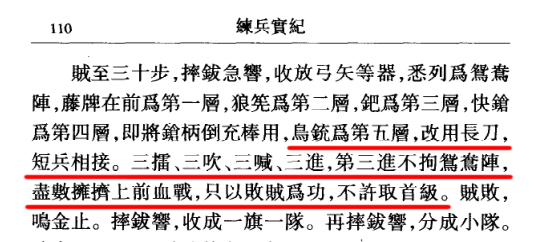
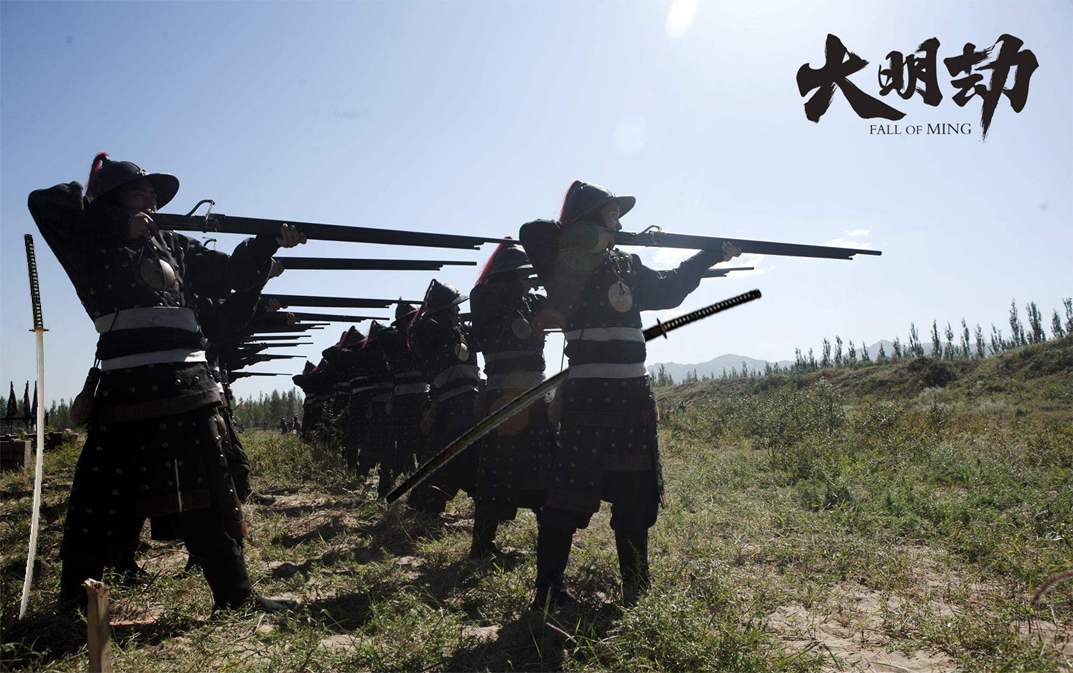
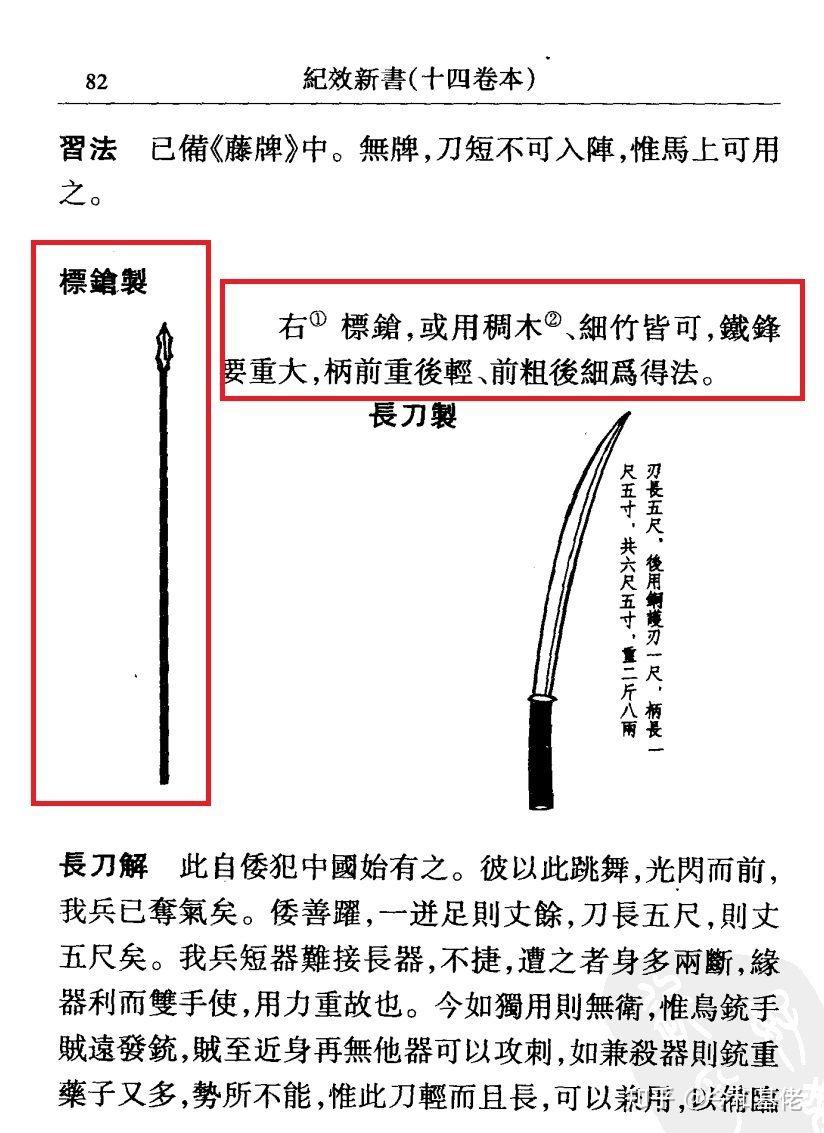
1. The Arquebusier’s melee weapon is changed to the changdao(长刀). In fact, in Chinese history, the changdao was never used as a standalone weapon, but was issued to certain special troop types as their secondary weapon. Qi Jiguang, who invented it, equipped arquebusiers with the changdao, allowing these arquebusiers to put up a fight when facing cavalry in melee, just like the Russian Streltsy.

II. “Chidian Chong”(掣电铳),The Chidian Chong is a distinctive matchlock gun invented by the Chinese military scholar Zhao Shizhen and recorded in his work 《Shenqi Pu》 (神器谱). This matchlock was improved from a new-style matchlock imported from Turkey, but Zhao Shizhen ingeniously combined the structure of the breech-loading Berço(佛郎机) with the matchlock, inventing a matchlock that could be breech-loaded and have its ammunition replaced. This was also the inspiration for designing this card; after sending the card, it increases the Arquebusier’s rate of fire.

Introduction to the changdao in Qi Jiguang’s military writings

Chinese Arquebusier and their use changdao

Chidian Chong

4.. Dao-pai(刀牌手)

The Dao-pai is a completely new Chinese heavy infantry unit that replaces the old Changdao Swordsman. It is a unit with a role similar to the Ethiopian Gascenya: it can throw javelins at range to damage enemies, while in melee it is equipped with a changdao and shield, much like the Spanish Rodelero, and is very effective against cavalry. China has had a tradition of using Dao-pai since ancient times. In his “Mandarin Duck Formation”(鸳鸯阵), the Ming general Qi Jiguang assigned dedicated Dao-pai soldiers to stand at the very front of the formation to resist enemy attacks and provide cover for the long-weapon soldiers behind them.

Some tactics for Dao-pai soldiers in Ming military books(纪效新书)

The changdao and javelins used by Dao-pai soldiers

Appearance of Dao-pai soldiers

That concludes the introduction to the infantry. Next, we will continue by introducing the historical background and weapons and equipment of the four cavalry units.

1 Like

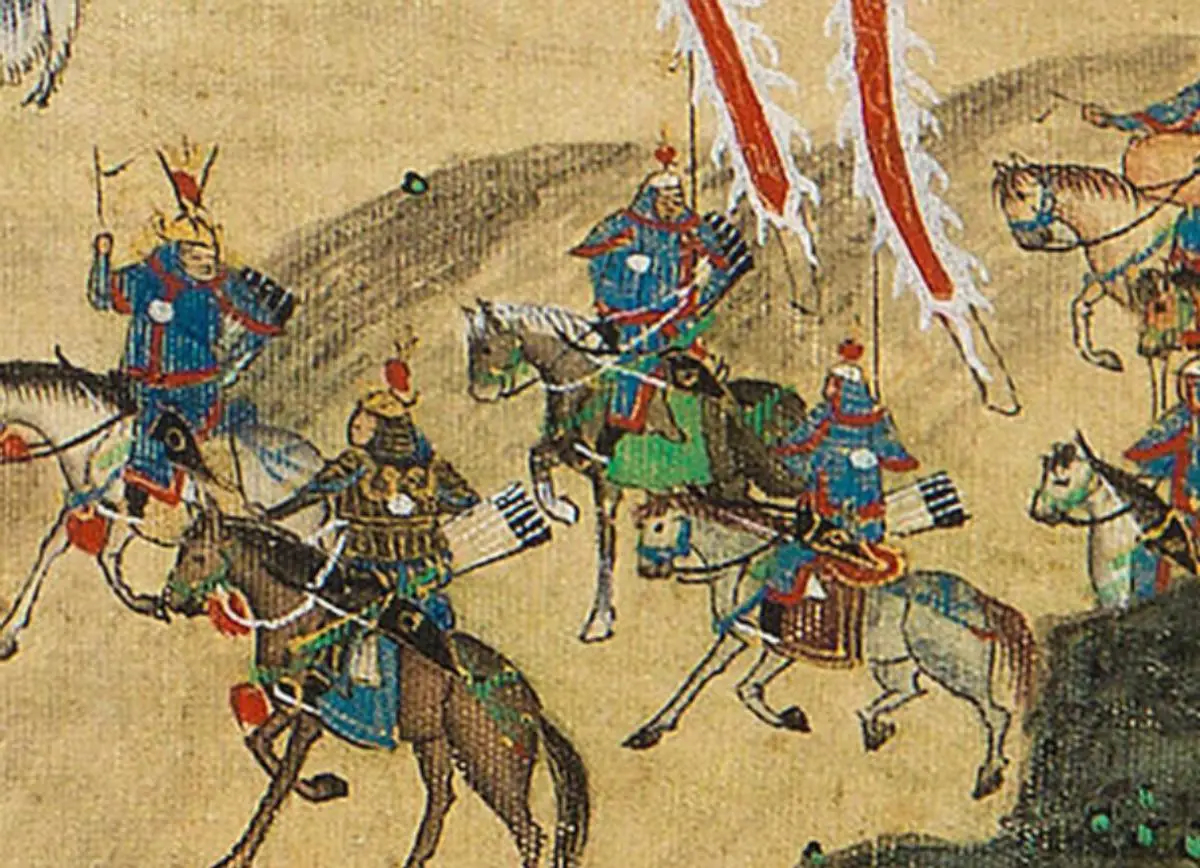
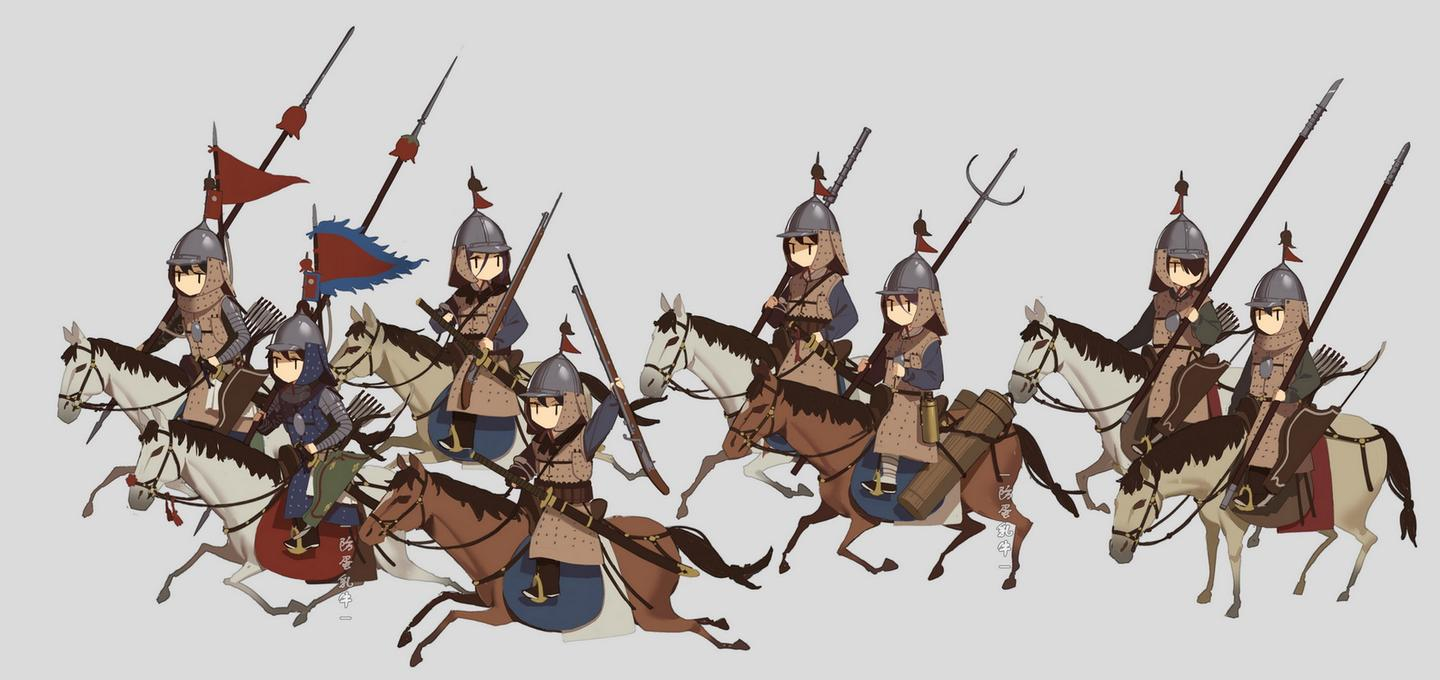
Next, we will discuss the Frontier Cavalry and the Frontier Cavalry Archer together. These two units originally belonged to the Banner Army [Mongolian Army], and they replace the original Steppe Rider and Keshik, featuring entirely new mechanics.

In the early years of the Ming dynasty, in order to defend against the Mongols from the north invading the Central Plains, China established nine important military garrisons(九边) along the Great Wall border. Each garrison oversaw ten to several dozen wei-suo (guard battalions). These wei-suo(卫所) were an important component of the Ming dynasty’s basic military structure, responsible for guarding cities and fortresses and defending against foreign invasions. Wei-suo soldiers were registered under a fixed military household status, and for generations they could only serve as soldiers. At the same time, however, they received wages from the imperial court. In addition, they were allocated land by the state, and in peacetime they were responsible for farming the land and supporting themselves. This military system, which combined soldiering and farming, persisted in China from the 14th to the 17th century and became an important organizational principle of military structure at the time.

It is worth noting that Chinese cavalry did not, as foreigners imagined, wield cavalry sabers and shields. Like all medieval knights, they held lances, were equipped with bows and arrows, wore heavy armor, and charged at the forefront of battle with fearless courage and excellent equipment, delivering a tremendous psychological shock to the enemy.

The Frontier Cavalry can gain a charged Fire Lance(火长矛) attack by sending the [Fire Dragon Manual/火龙经] card. This design was inspired by the Fire Lance Cavalry in Age of Empires IV. The Frontier Cavalry Archer, meanwhile, can use a powerful lasso charged attack similar to that of the Gaucho by sending the [Mongolian Valor] card. This is because the Ming army contained many Mongols who had come from the steppes to submit to Ming rule. In the Ming dynasty, they were also called “Yi Ding” (夷丁,foreign soldiers).

Cavalry archers in Ming dynasty paintings

Concept art of the Frontier Cavalry Archer

Cavalry in Ming dynasty paintings

Concept art of the Frontier Cavalry

The Hand Cannon Cavalry(火铳骑兵) were elite cavalry from the Liaodong(辽东) frontier in the late Ming dynasty. In the early Ming, the army used the wei-suo system: soldiers were born into military families, farmed state land in peacetime, and fought in war. Over time, this system broke down. Land was seized by officers and local elites, soldiers deserted in large numbers, and the old army grew weaker and weaker.

The Ming then came to rely more on recruited professional soldiers. Border generals also raised private elite guards called jiading(家丁), or “household soldiers.” These men received better pay and were far more effective in battle than the old-style troops. Liaodong, on China’s northeastern frontier (Manchuria), was the most dangerous front, facing attacks from both Mongols and Manchus. There, fast and powerful cavalry mattered most.

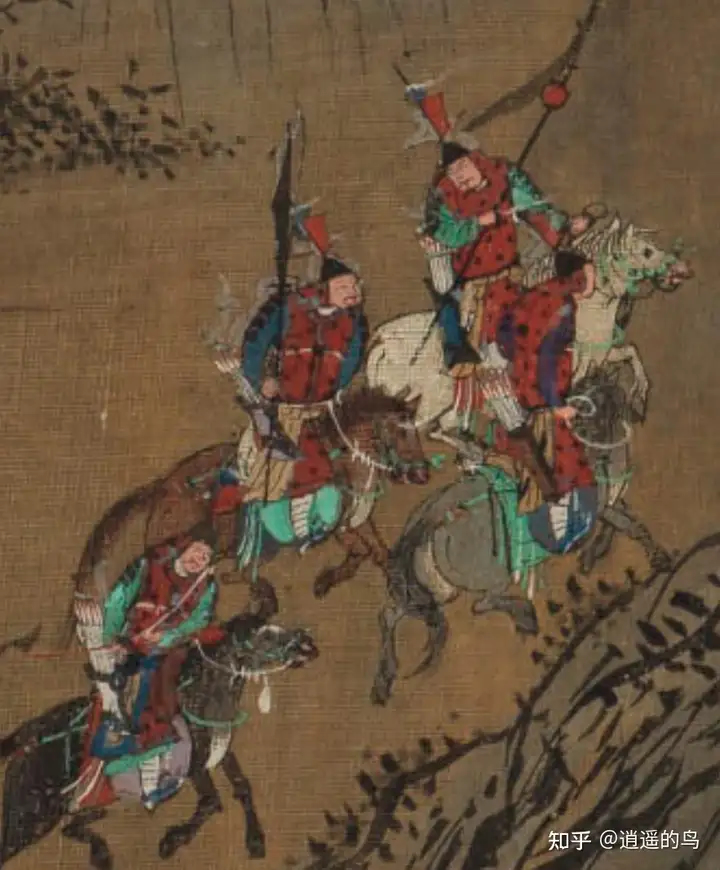
The Hand Cannon Cavalry emerged from this world. They rode horses, carried three-barrel hand cannons(三眼铳), could fire three shots in succession from horseback, and then used the iron barrels as maces to strike down enemies. These cavalrymen were fierce, efficient, and ruthless, and they became one of the strongest cavalry forces on the late Ming northern frontier.

The Hand Cannon Cavalry replaces the Meteor Hammer, taking on a role similar to the Lakota Rifle Rider as a heavy ranged cavalry unit. Their hand cannons deal area damage at range, while in melee they strike enemies with the weapon itself. However, the three-barrel handgonne is, after all, an ancient hand cannon, so the Hand Cannon Cavalry has a shorter range than other ranged cavalry and must close in further to attack effectively. They should therefore be combined with other units to avoid being picked off by light ranged cavalry and heavy ranged infantry.

Cavalry wielding Three-barrel Handgonnes (bottom right of the image).

Concept art of the Hand Cannon Cavalry

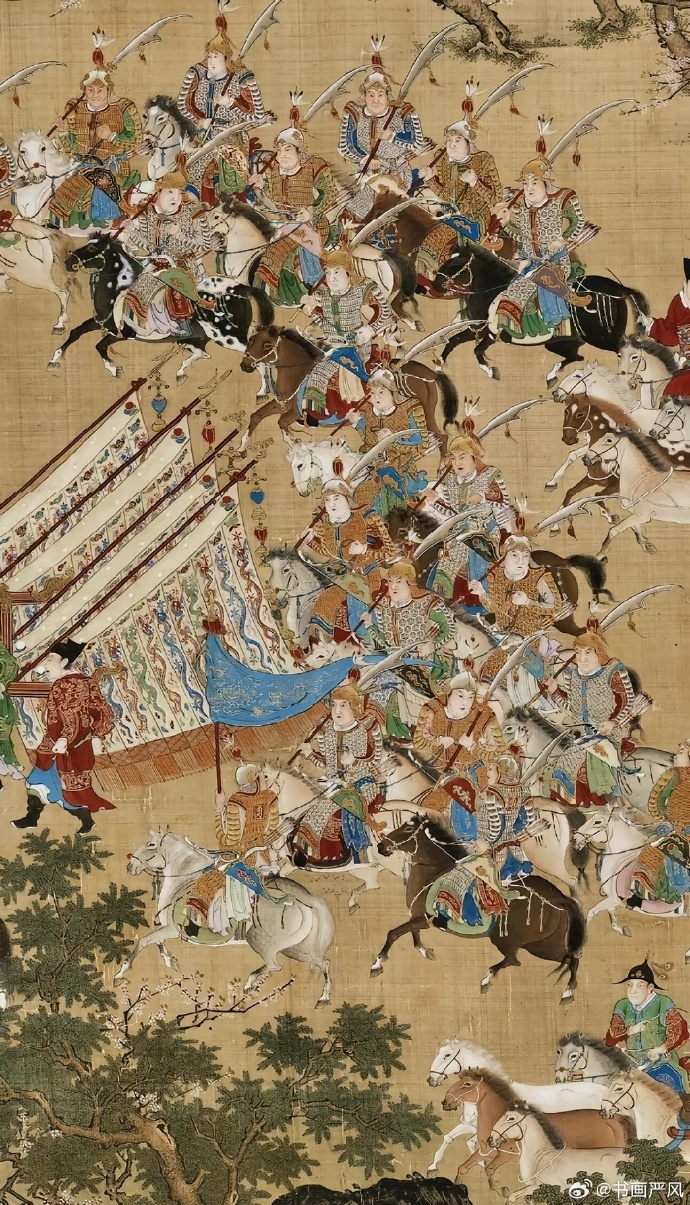
The Dadao Cavalry(大刀骑兵) is equipped with the heavy, long-handled dadao, an ancient Chinese chopping weapon. It has a long, broad, single-edged curved blade mounted on a long shaft. Some versions are so large that they require two hands, making them closer to a polearm than an ordinary sword. It is not designed for thrusting, but for delivering powerful downward and sweeping cuts. The weight and curve of the blade allow it to cut through armor, flesh, and bone.

On horseback, the rider adds the horse’s momentum to the cut, making it especially deadly against infantry and other cavalry. Readers can think of it as a Chinese glaive or fauchard, but with a broader, heavier blade built for chopping rather than thrusting. Unlike a katana or a slender saber, the dadao is a brutal battlefield weapon made for raw cutting power. In melee, it is slow but devastating, able to cut down multiple enemies in a single sweep.

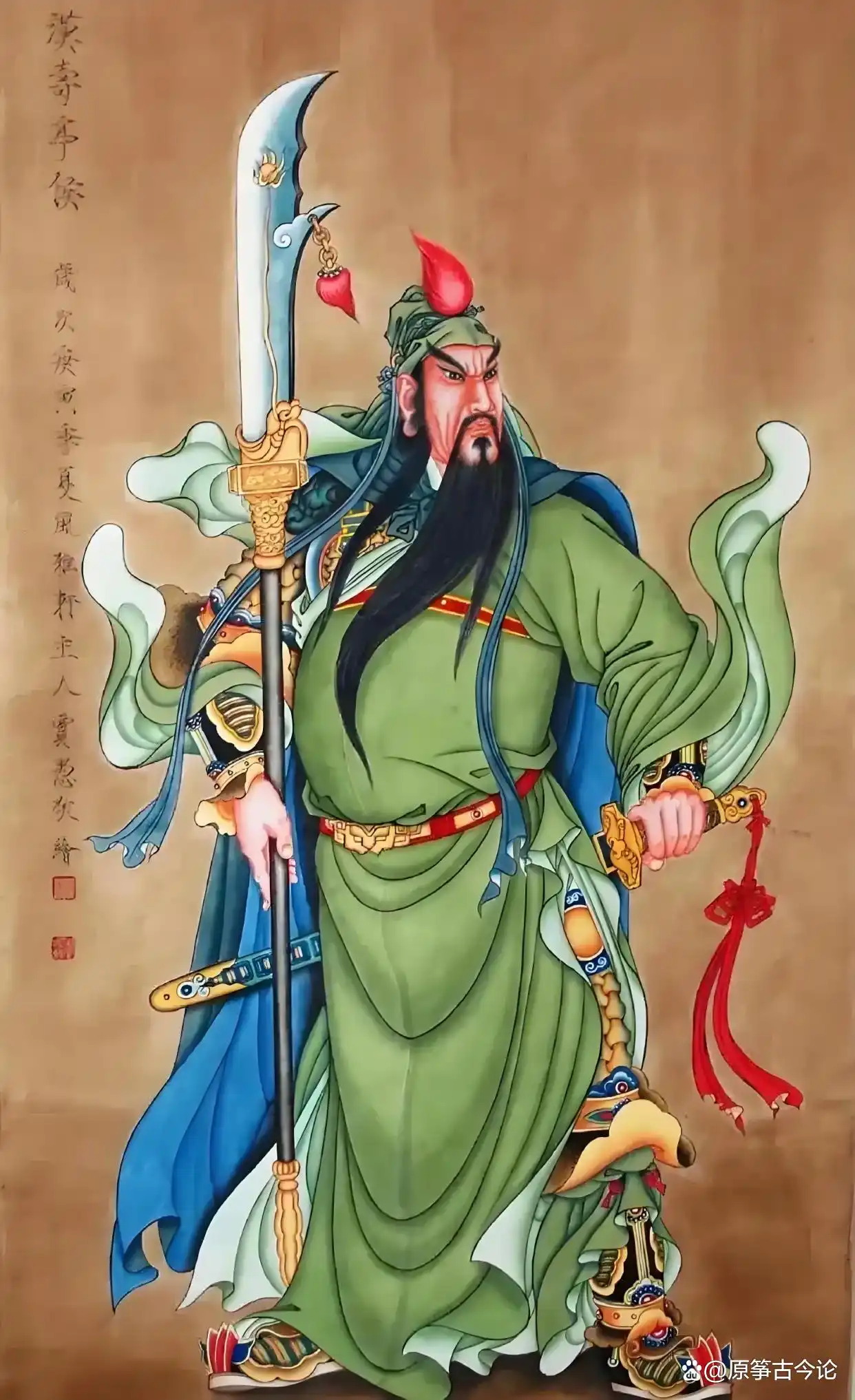
In Chinese history and legend, many heroes of immense strength were devoted fans of the dadao. For example, Guan Yu(关羽), known as the Martial Saint in Romance of the Three Kingdoms, wielded the Green Dragon Crescent Blade(青龙偃月刀), a magnificent long-handled dadao. During the Ming and Qing dynasties, the dadao was both a traditional martial arts weapon and an important ceremonial weapon used by honor guard cavalry during imperial processions. Ming military texts repeatedly recorded the manufacture and distribution of the “horse-chopping saber”(斩马刀) and the “Mazha dadao.” (麻扎刀)The court specifically issued horse-chopping sabers to border forts in Liaodong and taught the method of “cutting horses.” This type of blade had a long, heavy blade designed specifically for mounted chopping; a single strike was enough to cleave through both man and horse. A Ming general named Liu Ting(刘铤) was famous for his skill with the dadao. It was said that his pattern-welded steel dadao weighed 120 jin (about 70 kg), and he could wield it on horseback as if it were wind. In the army, he was nicknamed “Liu Dadao”(刘大刀) — Liu the Great Saber. This image of cavalrymen using the dadao as their signature weapon was not unique in Ming border armies.

Portrait of Guan Yu

Illustration of Ming Dadao Cavalry on the march

Concept art of the Dadao Cavalry

That concludes the introduction to the cavalry. Next, we will continue with the historical background and weapons/equipment of the four siege units. Given the wide variety and complexity of Chinese siege weapons, I need to prepare carefully. In the meantime, everyone is welcome to discuss the infantry and cavalry rework proposal above, offer suggestions, point out its shortcomings, and raise questions about its possible impact on game balance. If any friends have more detailed knowledge of the Chinese military system and unit types and can offer a little guidance, I would be even more grateful. Thank you, everyone.

2 Likes