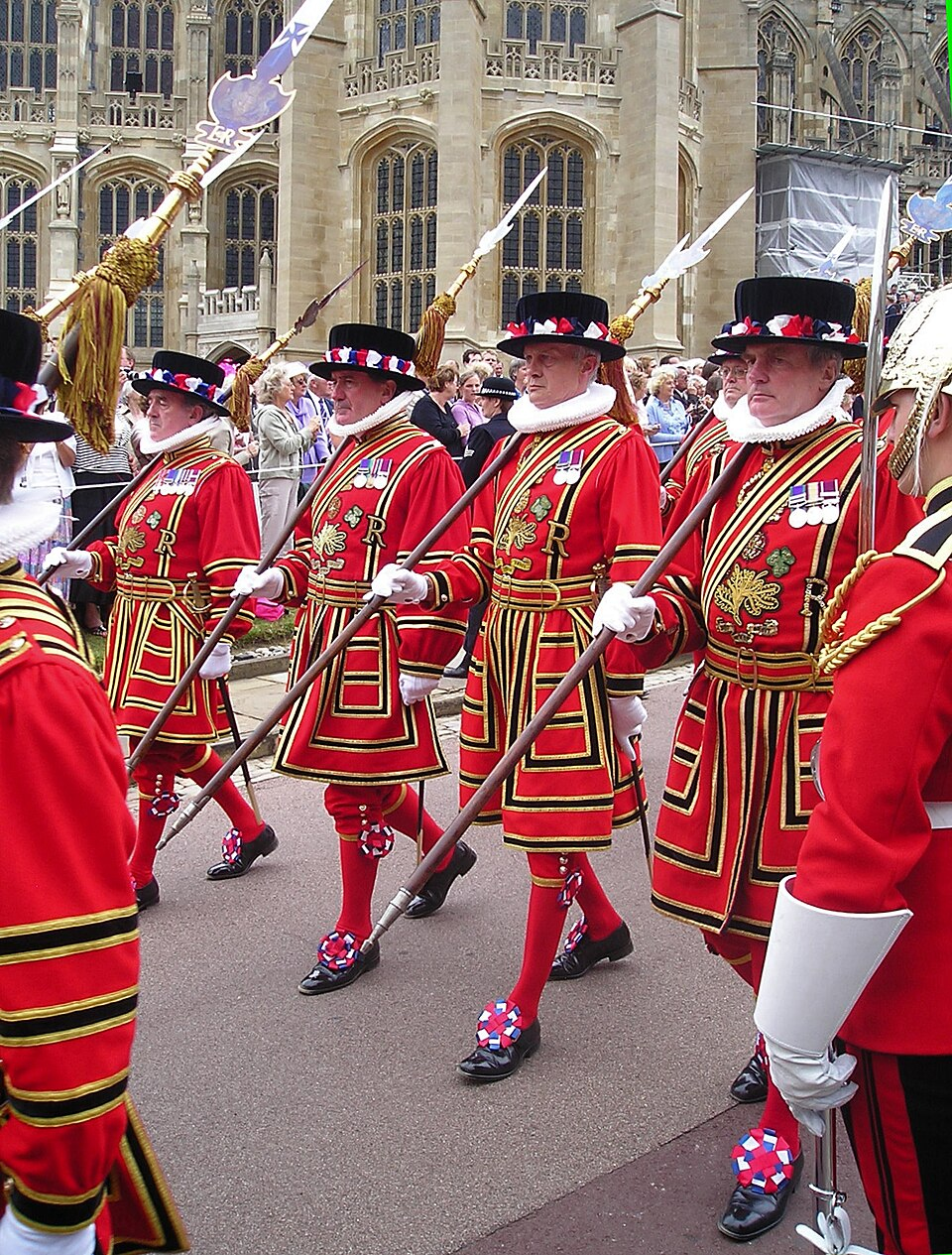
Well, it’s conceptual; obviously, they’re aiming for something more medieval…
Nobody knows for sure… The gaming community and history experts have pointed out that the team at Relic Entertainment and Xbox Game Studios used fictional or altered names for two main reasons:
• To avoid strict historical anachronisms: The game covers a very broad period. Hampton Court Palace (the real one) began construction in 1514, almost at the end of the game’s timeframe. By calling it “Wynguard,” the developers give themselves the creative freedom to offer a landmark of the Imperial Age with a purely military function without having to justify its exact chronology within British history.
• To separate “historical fantasy” from reality: As with Berkshire Palace (which is loosely based on Windsor Castle), using invented names with Anglo-Saxon influences allows them to create unique gameplay mechanics (such as Wynguard’s special armies and battalions) within a medieval legend context.
The Linguistic Meaning of “Wynguard”
Etymologically, the name was designed to sound distinctly English and military:
• Wyn/Win: In Old English and Germanic languages, it is associated with concepts such as “friend,” “joy,” or, in military contexts, derived from words linked to winning or achieving victory (win).
• Guard: It means “guard,” “protection,” or “defense.”
Therefore, the name was chosen simply because it evokes the idea of a “Victory Guard” or a fortified noble bastion, fitting perfectly with the military aesthetic of the English civilization in the game…
I’m referring to a cultural level; just as the Heart Troop is an evolution of the Gothic Huskarl in Anglo-Saxon times, the Wynguard Footman could be an evolution of this in the Norman era (but the Footman itself would already be anachronistic for the Imperial era, with Wynguard Ranger being more accurate and also a nod in name to the Ranger from AoE 3)…
Well, then let it be Billman…