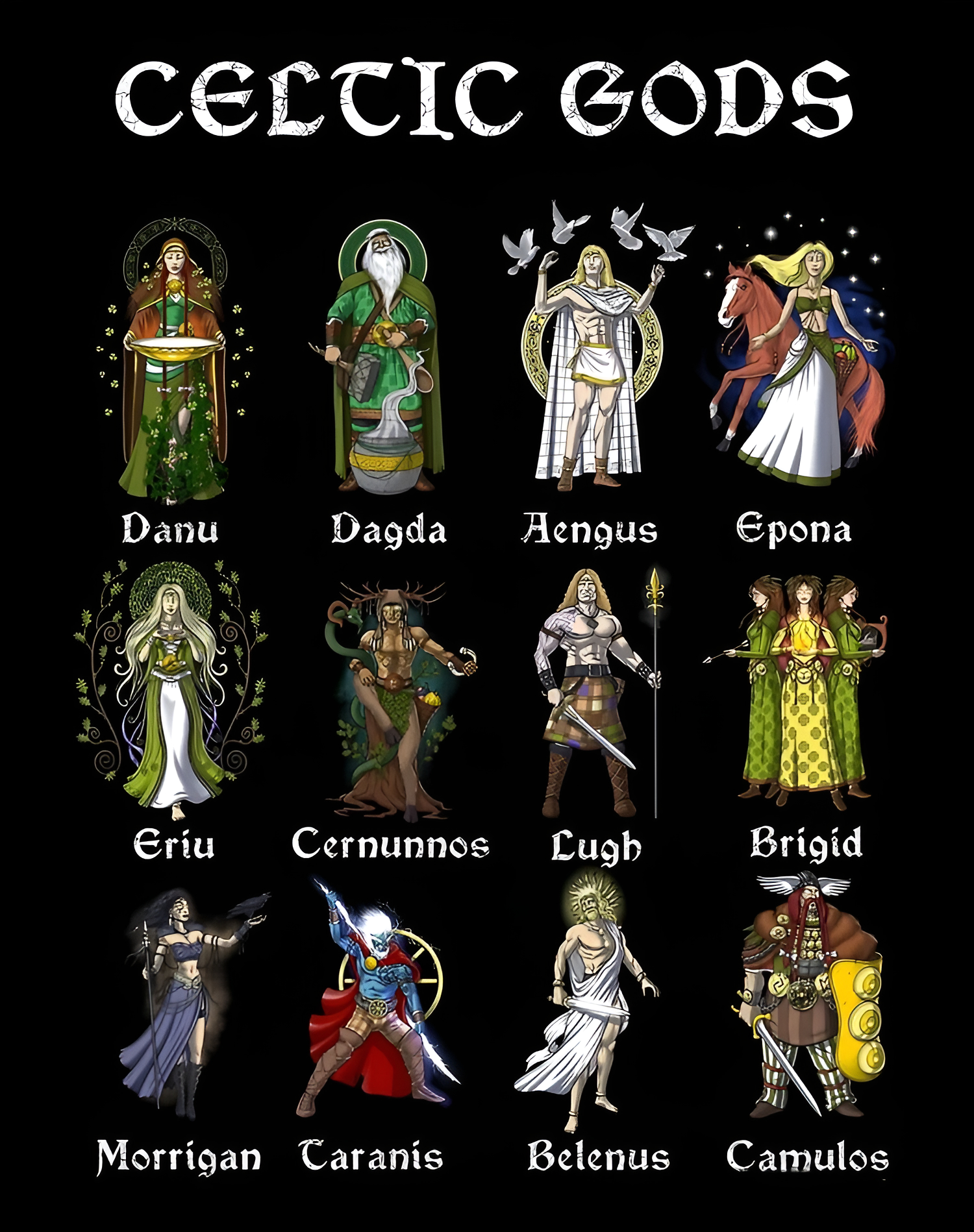
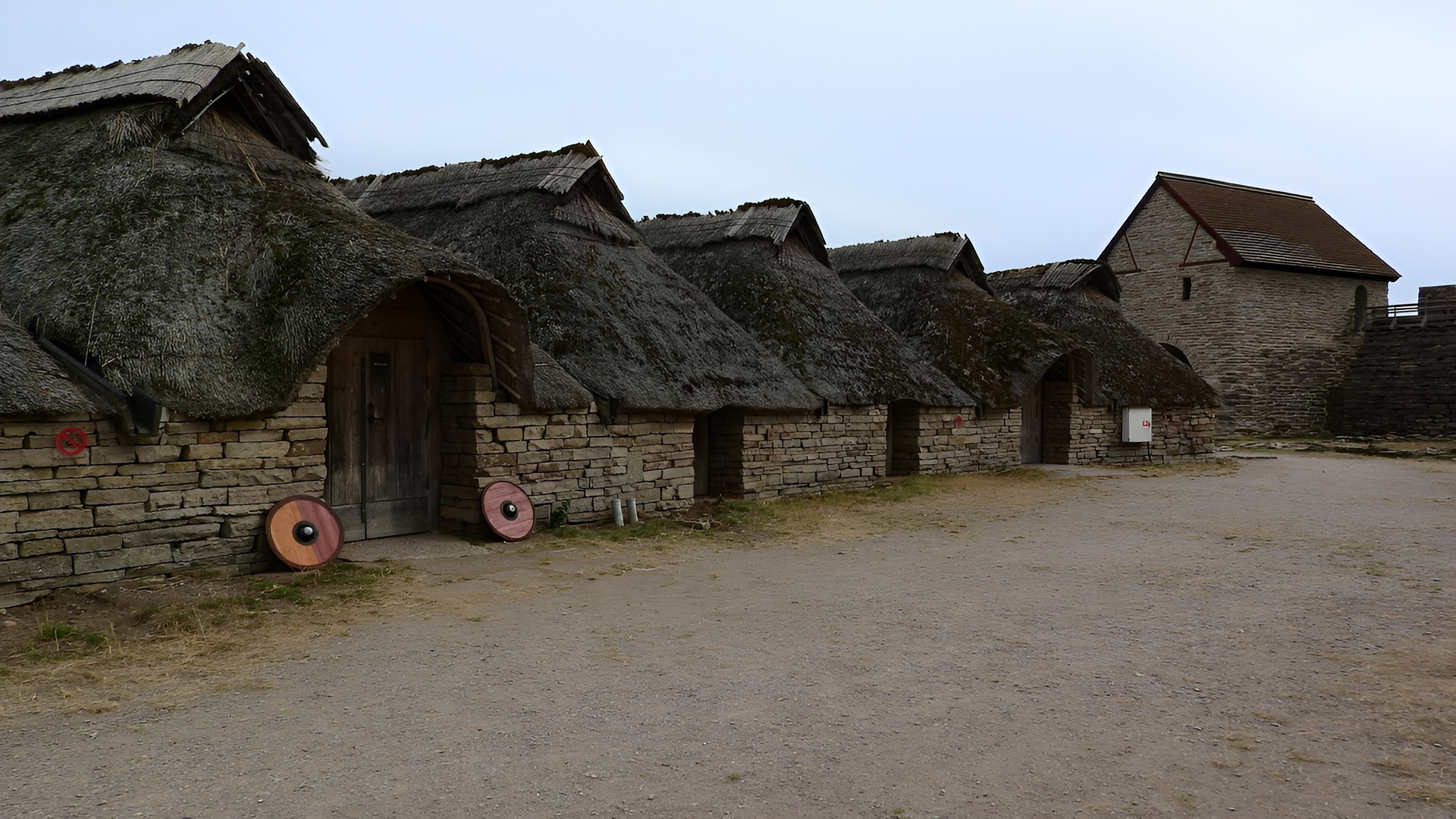
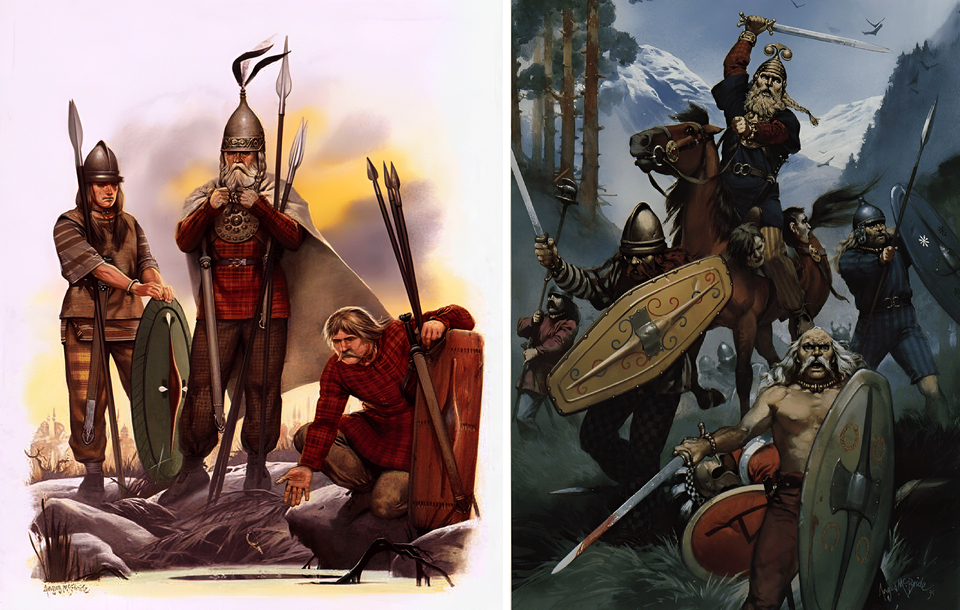
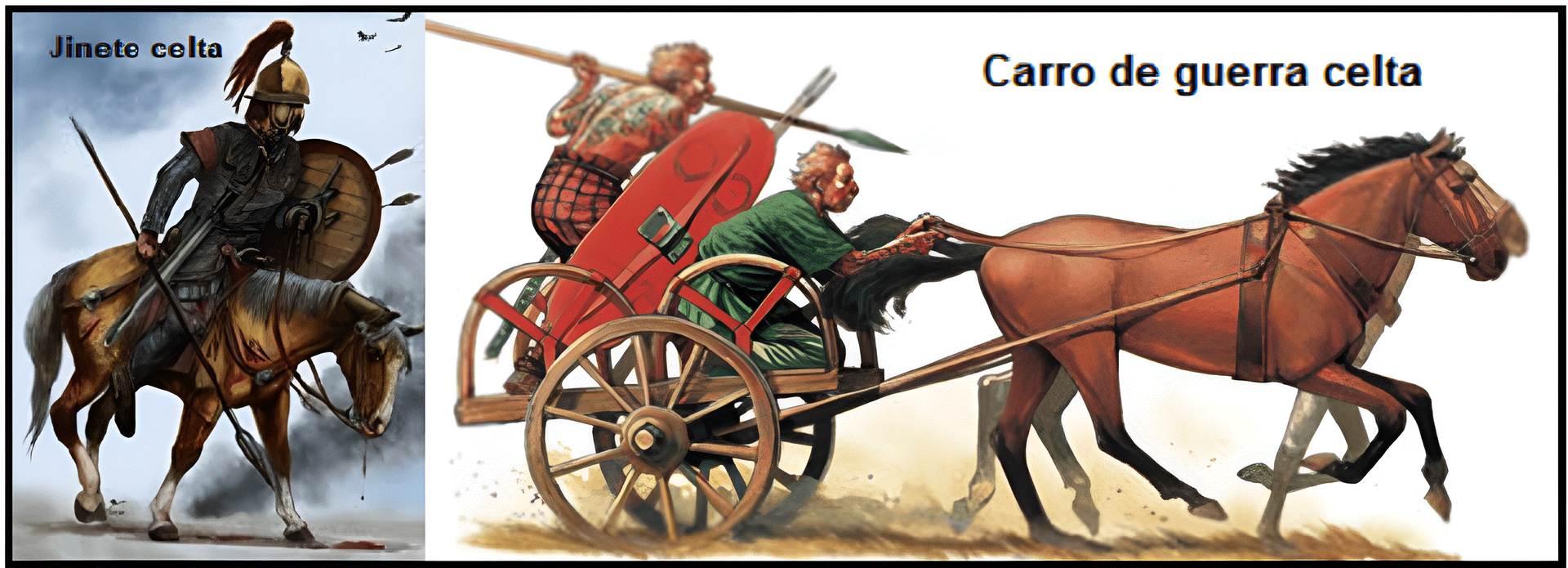
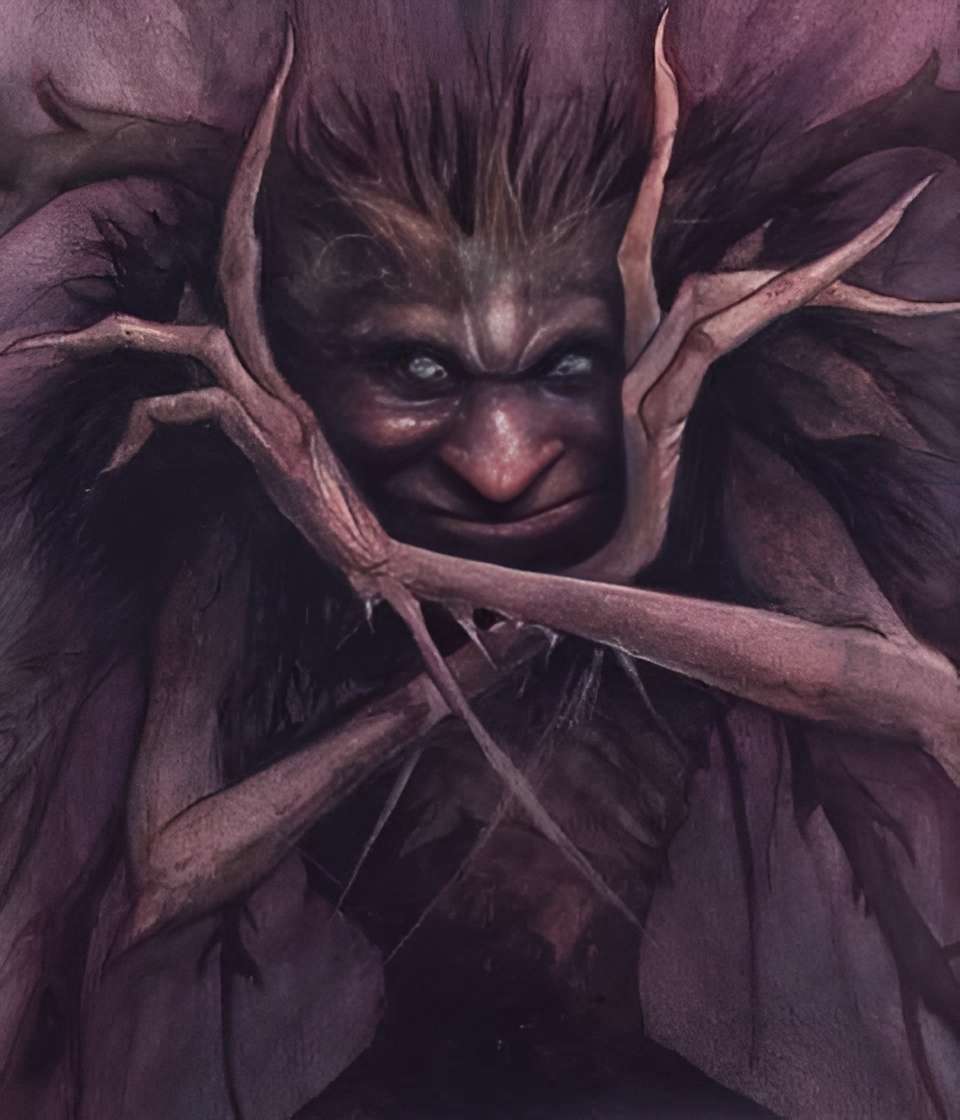
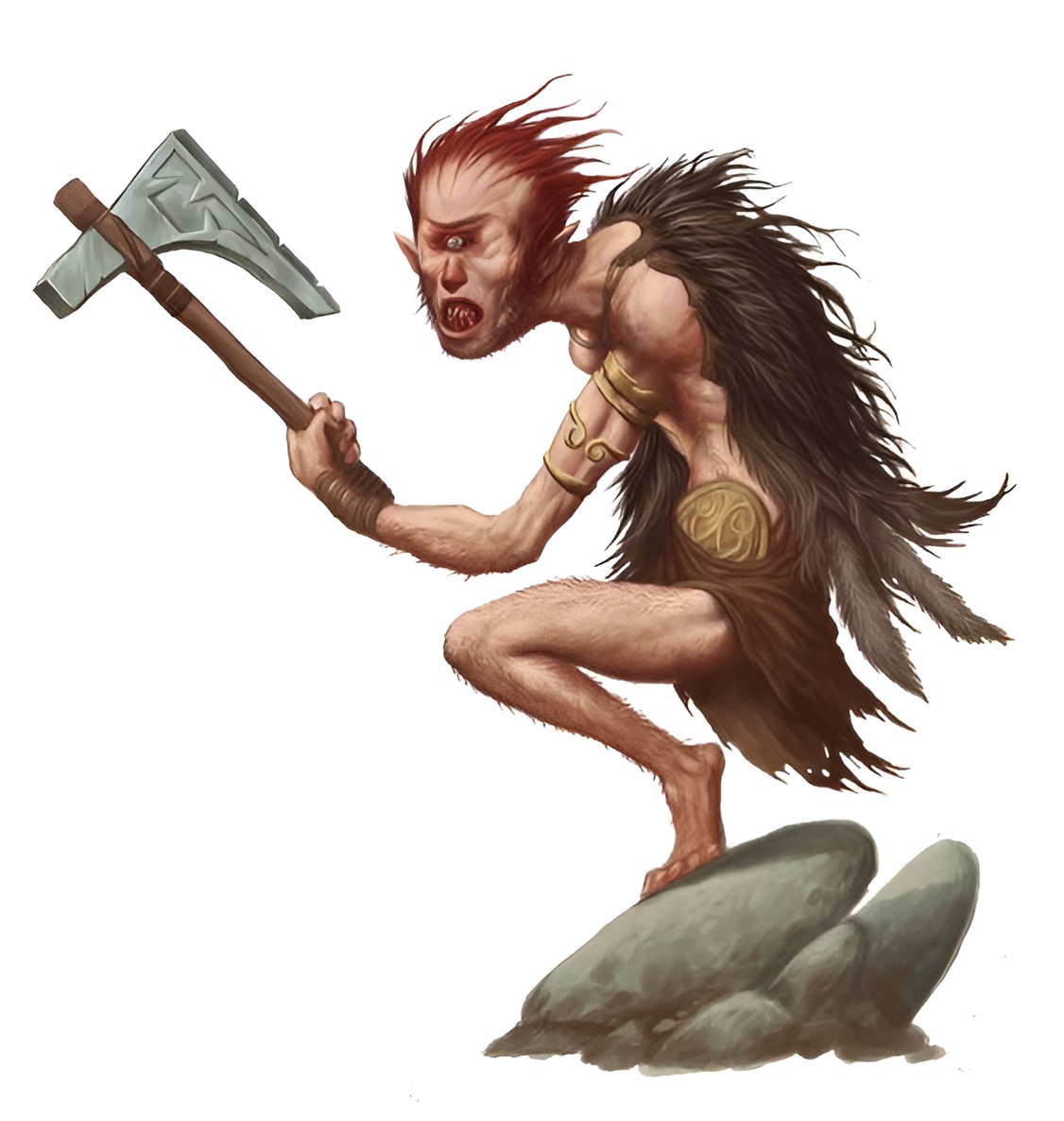
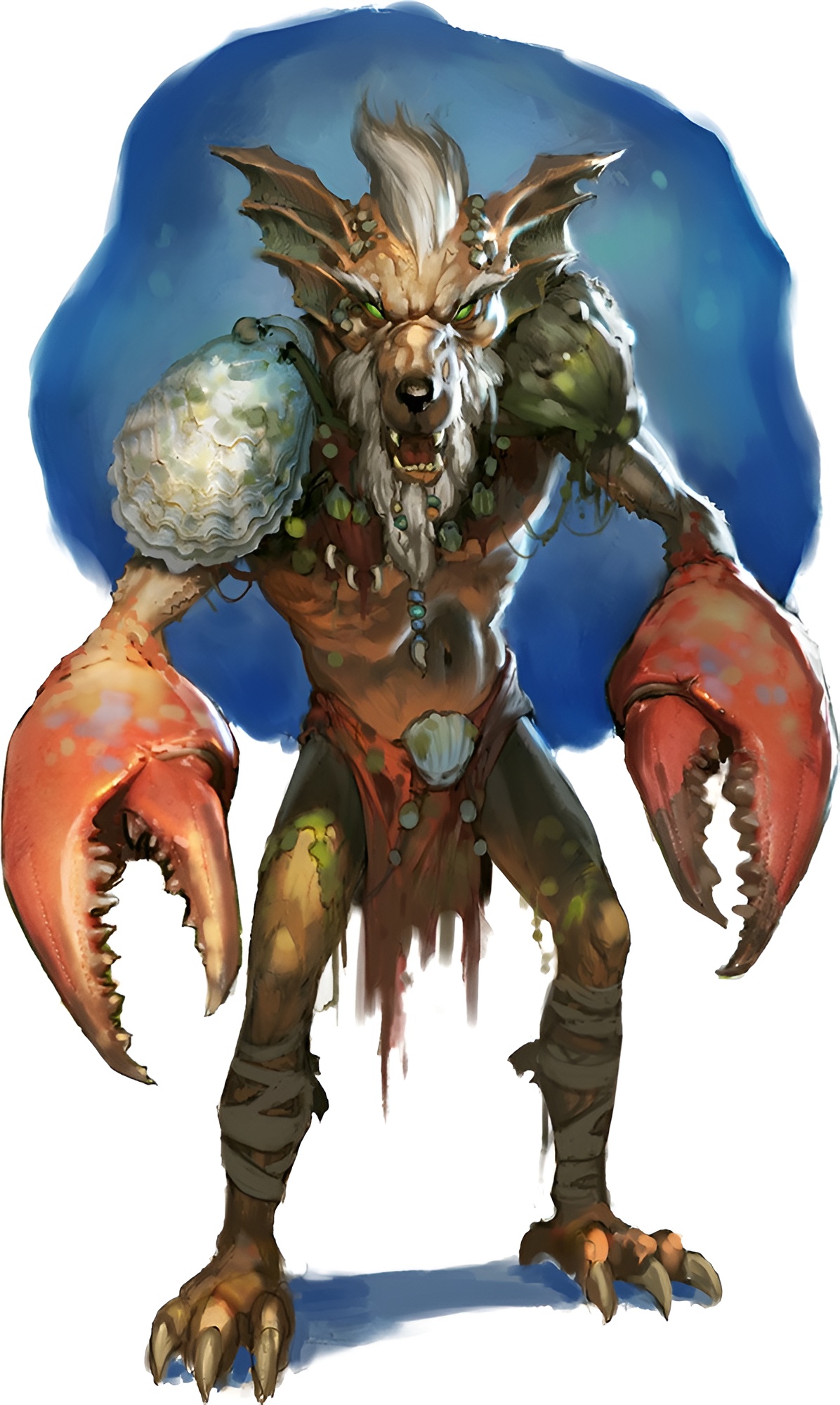
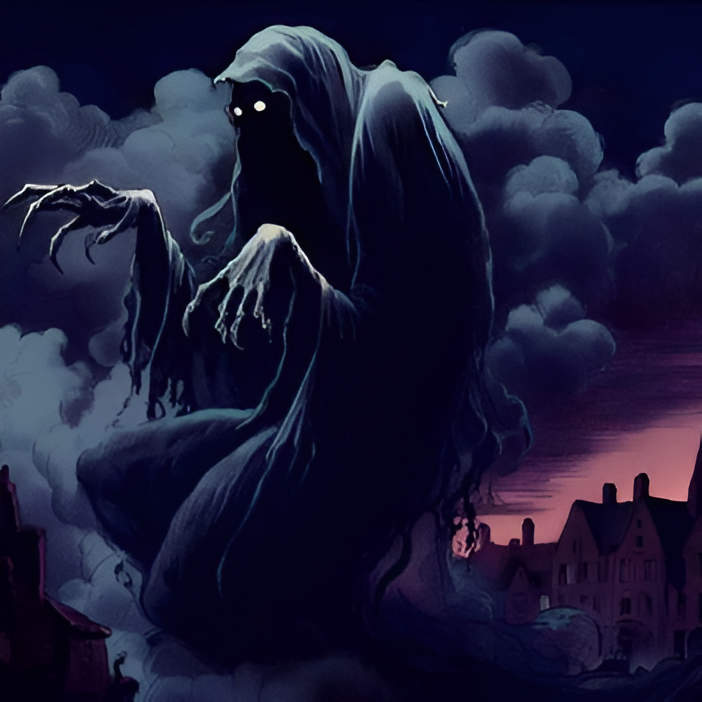
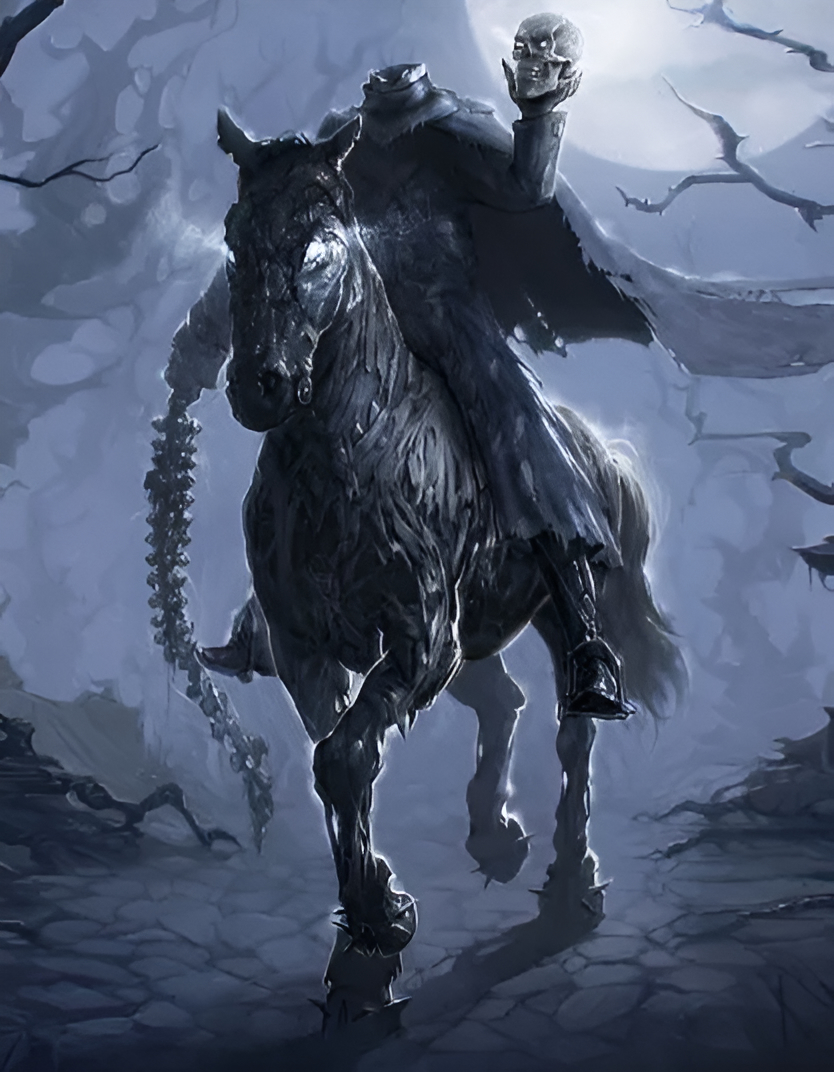
Now with all that out of the way, we can get on to the most exciting part of a pantheon – the gods themselves! To save on space, I’m going to try and keep my background/lore explanations to a minimum in some places, but please do go and read up on Irish mythology! I’ve also chosen not to try and represent these gods, simply because I couldn’t hope to create what’s in my own head and I don’t have the funds to commission an artist. But hey, now you can have fun imagining them yourselves!
MAJOR GODS
The Dagda
God of Fertility, Agriculture, and Strength
Focus: Economy and Human Units
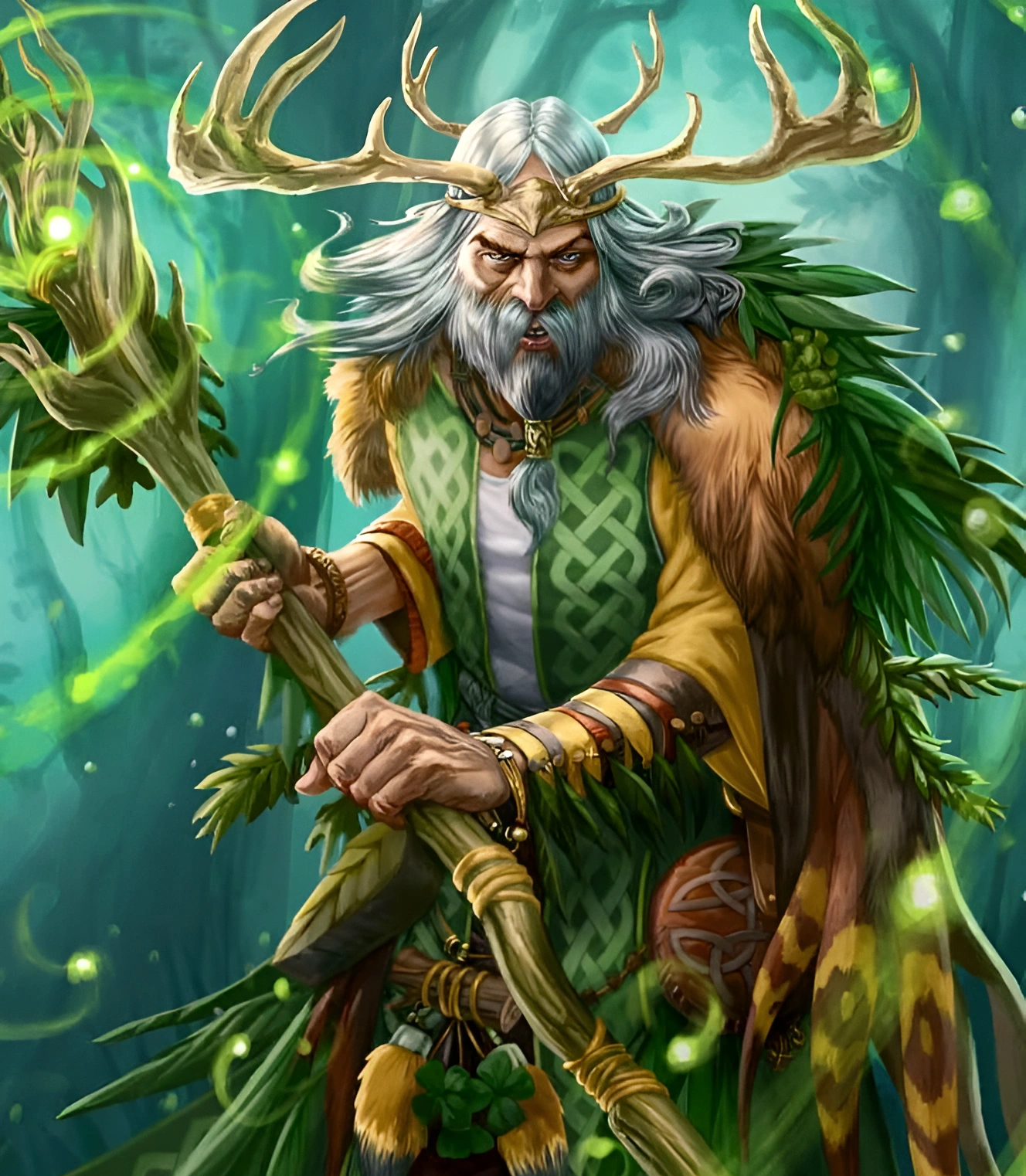
What’s this? A god with a definite article in front of their name? It’s more likely than you think. Known simply as “the good god” or “the great god” in most stories, though with plenty of other epithets to potentially serve as “names”, The Dagda is the chiefest god of the Tuatha Dé Danann, serving as a patriarch, king, and druid. Associated with many elements, such as fertility, masculinity, magic, wisdom, weather, the seasons, and life and death, he is described as a large, bearded man, or even a giant, wearing a hooded cloak. He also has numerous symbols/relics associated with him, such as his magical staff that can kill with one end and resurrect with the other, a cauldron that never runs empty, and a harp which can fly to him when summoned.
- Temples and Druid Groves cost -10%
- Bards cost -50% Food and Population space
- Muster Grounds and Dúna train and research +5/+10/+15% faster in Classical/Heroic/Mythic Age
- Garrisoned Yeomen, Fishing Boats, and Cú Faoil heal +0.5 HP per second
God Power: Nature’s Bounty – Target a group of livestock to increase their number and automatically fatten them. If used on berry bushes, it increases their number and doubles their Food yield. (65 Favor to recast)
Unique Tech: Silviculture (150 W, 10 Fv) – The Dagda increases the rate at which the trees in your Druid Groves mature and allows them to grow even larger. (Researched at Druid Grove)
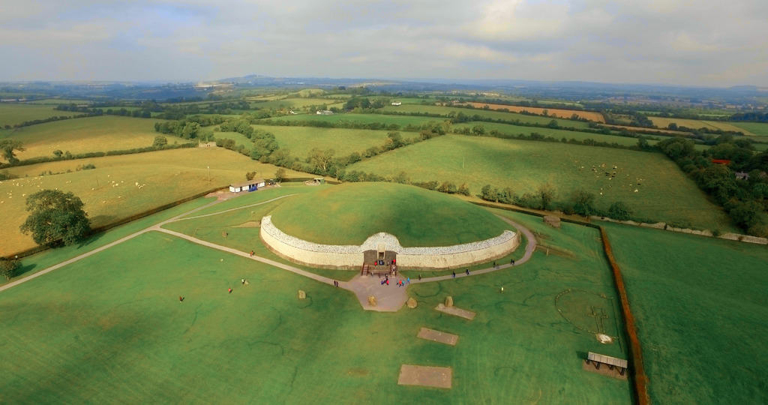
Given that he was said to dwell in Brú na Bóinne (nowadays called Newgrange), it’s fitting that that should be his Wonder.
Lugh
God of Justice, Kingship, and Craftsmen
Focus: Elite Units and Buildings
Warrior, king, master craftsman, savior-figure; the god Lugh has many standout skills among the Tuatha Dé. Described as a large, beautiful, youthful horseman with curly yellow hair cloaked in green, red, and gold, his most common epithets are Lámfada “long-arm”, possibly for his skill with a spear, and Samildánach “equally skilled in many arts.” Similarly named and depicted gods figure into many other Celtic mythologies, such as the Gallic Lugus.
- Dún units and technologies cost -5%
- Human units trained at the Dún grant 3 Favor upon dying in battle
- Resource drop-sites can garrison 5 units each, gain a ranged attack while garrisoned
- Cú Faoil move 5% faster
- Gain a unique Mythic Age wall upgrade
God Power: Heroism – Target anywhere on the map to temporarily grant Hero units double damage and increase the rate at which all units use their special attacks. (75 Favor to recast)
Unique Tech: Otherworld Timbers (200 W, 20 Fv) – Lugh enlists Luchtaine the carpenter to increase the hitpoints and decrease the Wood cost of all buildings. (Town Center)
Unique Tech: Divine Walls (600 Fd, 500 G, 35 Fv) – Upgrades Fortified Walls into Lugh’s Divine Walls, which have much better armor and hitpoints. (Fortified Wall/Gate)
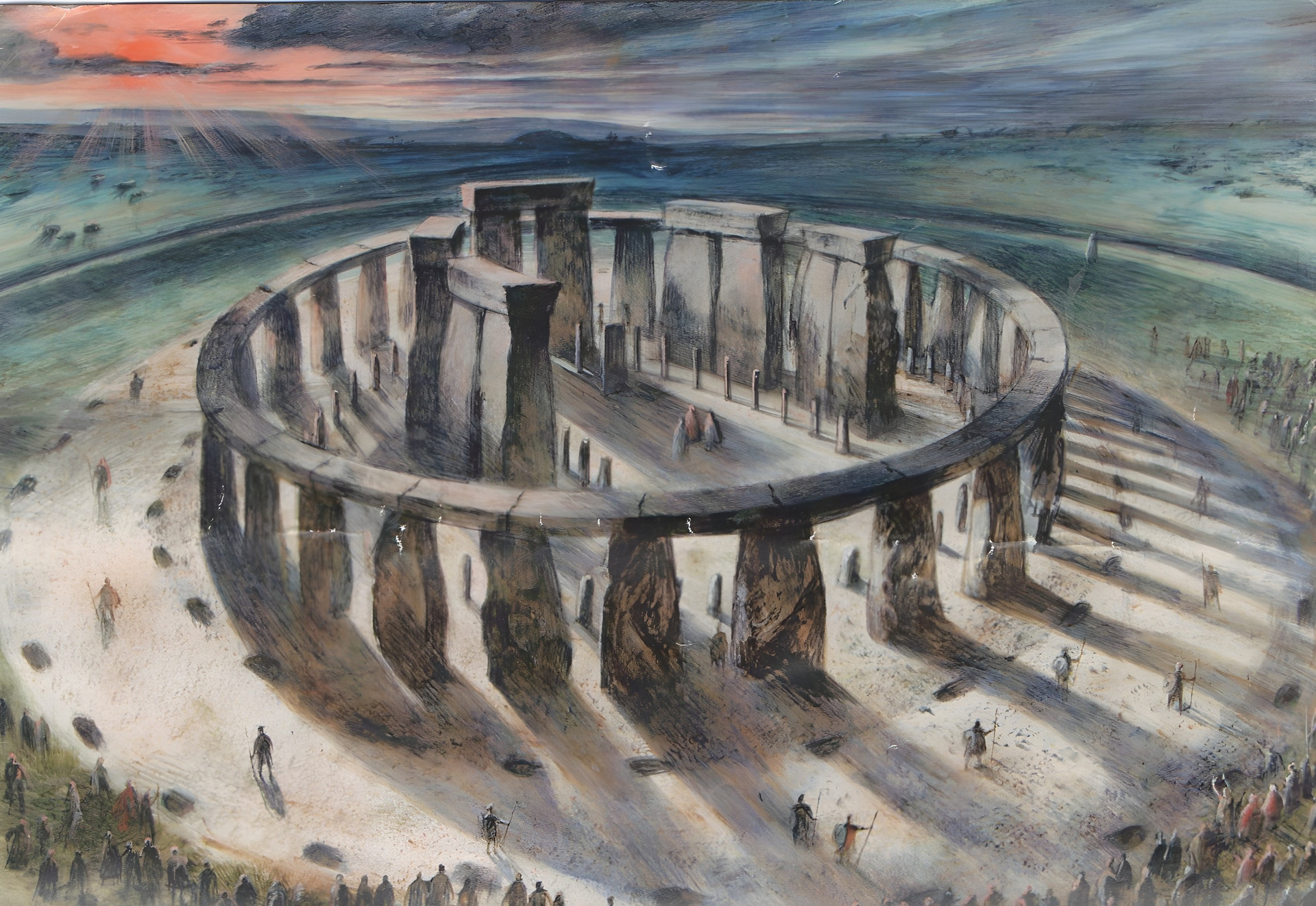
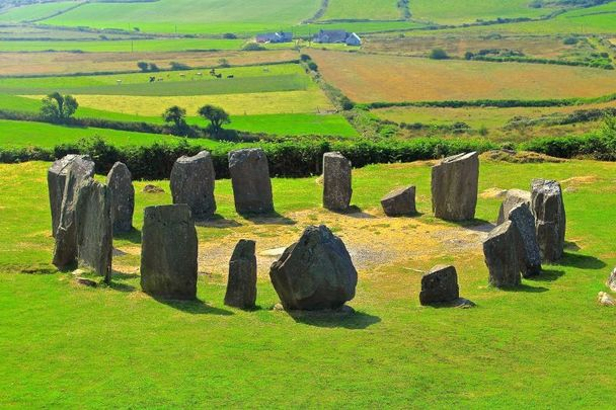
Lugh’s Wonder, I think, could be something like the Shronebirrane Stone Circle, albeit with more decoration, like torches, tents, a pile of treasure and the like. (A friendly reminder that Stonehenge is both in England and was not built by the Celts.)
The Morrígan
Goddess of War and Fate
Focus: Myth Units
Ah, The Morrígan, the “great queen” or “phantom queen” – a goddess with manifold depictions and just as many stories. In some tales, she is the three Morrígna, Badb, Macha, and Morrígan/Anu, perhaps alike to other tripartite goddesses, such as Hekate. They were simultaneously treated as sisters and as different names for the same goddess. Some say she would later go on to inspire the Arthurian character of Morgan Le Fay. Regardless of her origins or her future, she is the envious wife of The Dagda who inspires warriors to do brave deeds, foretells doom or victory, and washes the bloodstained clothes of those fated to die.
For gameplay purposes, I’ve chosen to depict The Morrígan similarly to Hekate, as a three-bodied goddess (though her statue would likely combine the three or only focus on one) associated with crows or ravens; I’ve also chosen to split Macha off as a separate, minor goddess both for gameplay reasons and because the myths I took inspiration from for her were kind of vague as to whether she was an independent goddess or not.
- Myth Unit upgrades cost -5/-10% in Heroic/Mythic Age
- Herdables generate Favor as they fatten, but stop when fully fattened, killed, or stolen
- Bards generate Favor while in combat
- Ships cost -10% Wood, gain +5% hitpoints
- Gain a unique Myth Unit scout
God Power: Ill Omen – Target a group of enemy units to demoralize them for a short time, slowing their attack and movement speeds, as well as reducing the amount of damage they deal. Villagers targeted by this God Power move and work more slowly, but their attack is unaffected. (50 Favor to recast)
Unique Unit: Badb Catha (1 Fv) – The Morrígan can spawn up to 3 Badb Catha scouts at your Temple. The Morrígan’s Badb Catha travel faster than Odin’s Ravens and have greater line of sight but have less hitpoints and armor. They also grant a slight boost in combat power to allied units below them.
(The Badb Catha, or “crow of battle”, was the name for the crow or raven which The Morrígan often appeared as to mortal eyes.)
Unique Tech: Prophecy (200 Fd, 15 Fv) – The Morrígan prophesies doom for your enemies, decreasing the research time of your human military technologies. (Temple)
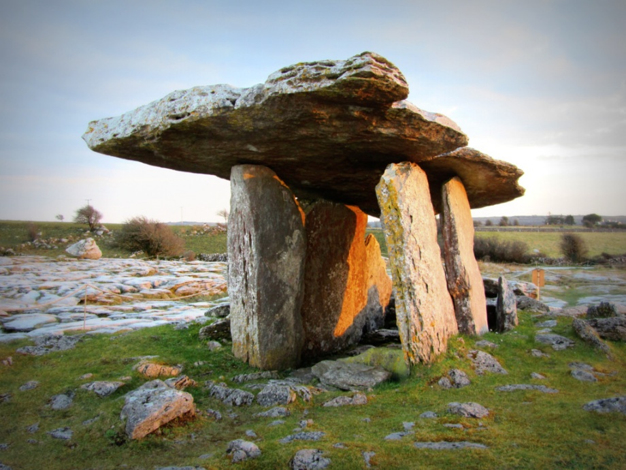
The Morrígan’s Wonder could potentially be a dolmen, like Poulnabrone Dolmen, but with decoration such as torches, totems, etc.
Classical Age Minor Gods
Macha
Goddess of Sovereignty and Fertility
Focus: Economy
“You have advanced to the Classical Age through the endeavors of Macha!”
(Available to The Dagda & The Morrígan)
There are numerous women named Macha that appear throughout Irish mythology, and chances are their tales have blended together over various retellings, so please forgive me if I’ve conflated two or more distinct characters here. To keep the story short, Macha, as one of the three Morrígna, had been forced by the (human) King of Ulster to run a footrace against his fastest horses while heavily pregnant with twins. Being a goddess, she had won, but was fittingly offended, and so she (or the Morrígan) cursed the men of Ulster’s army with labor pains for nine days during the Táin Bó Cuailnge (Cattle Raid of Cooley), which led to the hero Cú Chulainn stepping up to fight… but that’s a story for another time. 
Myth Unit: Mac Donn (250 Fd, 30 Fv, 3 Pop) – Powerful myth unit that gores and bucks enemies, sending them flying. Good against human units and buildings.
(The Mac Donn, literally “Son of (the) Donn”, represents a similarly fantastic bull sired by Donn Cúailnge, the Brown Bull of Cooley, who was the subject of the aforementioned cattle raid.)
Myth Unit: Selkie (150 Fd, 25 Fv, 1 Pop) – Water-dwelling myth unit that can gather Food at a greater rate than Fishing Ships. Good against ships, especially Fishing and Transport Ships. (Dock)
(Selkies are mermaid-like creatures from Scottish folklore who can shift between human and seal forms. Here depicted as sort of a half-seal mermaid, she’ll target both fish and ships alike with her whalebone harpoon.)
God Power: Wrack with Pain – Target a group of human units to temporarily immobilize them and deal damage for a few seconds. (30 Favor to recast)
Technologies:
Prosperous Herds (400 Fd, 25 Fv) – Macha grants your people advanced knowledge of and skill in husbandry, increasing the movement speed and Food yield of all herdables, as well as slowing their decay rate. You can now spawn up to 3 Cows per Age, for free from any Town or Village Center; these Cows cannot be stolen, spawn fully fattened, yield more Food than normal, and are harvested twice as fast. (Town/Village Center, Granary) (500 Food per Cow)
Crop Rotation (250 Fd, 250 W, 5 Fv) – Macha teaches your farmers the art of crop rotation, allowing them to build and gather Food from Farms twice as fast. (Granary)
Sledge (100 W, 5 Fv) – Macha introduces the sledge to your Yeomen, allowing them to move faster while carrying resources and construct and repair buildings faster. (Granary, Lumberyard, Ore Pit)
Aengus
God of Youth, Love, and Poetry
Focus: Heroes and God Powers
“You have advanced to the Classical Age through the inspiration of Aengus!”
(Available to Lugh & The Morrígan)
The blue-eyed, fair-haired son of The Dagda, Aengus (or Óengus) is said to play music on his winged harp that lovers will follow. He’s also had his fair share of his own romantic adventures, including being able to identify his lover from a group of 150 other maidens, all of which had been turned into swans. In Scottish tales, he is married to Brigid. Aengus is often associated with the sun, both due to his beauty and because his father, upon learning he’d impregnated Aengus’ mother, cast a spell on the goddess’ husband so that the sun stood still for him and he wouldn’t notice the passing of time; some think this tale may relate to the path of the sunlight on the winter solstice at The Dagda’s home of Newgrange. Aengus is sometimes also associated with the faeries, though many later authors would attribute all of the Tuatha Dé as being faeries.
Myth Unit: Ellén Trechend (250 G, 25 Fv, 4 Pop) – Flying, three-headed, avian myth unit that attacks with gusts of wind. Can only be attacked by ranged units. Good against human units.
(Though interpretations of what this creature is vary, here I’m going for a copper-colored, monstrous three-headed vulture.)
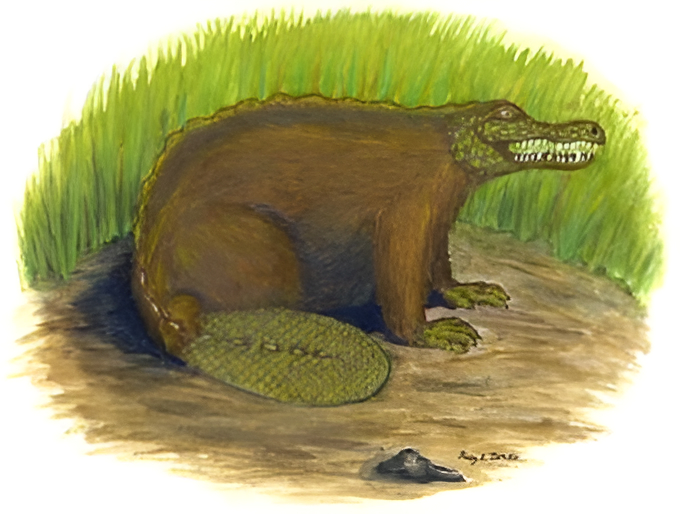
Myth Unit: Dobhar-chú (200 Fd, 20 Fv, 3 Pop) – Amphibious myth unit with high hack and pierce armor. Good against human units and ships. (Temple, Dock)
(Essentially a giant and very ferocious otter, it was said to emerge from lakes during the night and drag off unfortunate humans while being nearly impervious to damage, even from firearms.)
God Power: Blessing of the Aos Sí – Target a group of any damaged units; the magic of the faeries will heal them, generating Favor while the spell lasts. It generates more Favor if used in later Ages. (70 Favor to recast)
(The Aos Sí or Aes Sídhe are a supernatural race, similar to elves or faeries, said to descend from the Tuatha Dé Danann.)
Technologies:
Spirited Epics (200 G, 25 Fv) – Aengus inspires your Bards with divine poetry to raise their attack power and cause them to regenerate hitpoints. (Town Center)
Sídhe Offerings (250 Fd, 250 G, 15 Fv) – Aengus uses faerie magic to greatly decrease the cooldown on your God Powers. (Temple, Druid Grove)
(Sídhe are “fairy mounds,” otherwise known as barrows or burial mounds, which were said to be portals to the Otherworld where the faeries lived.)
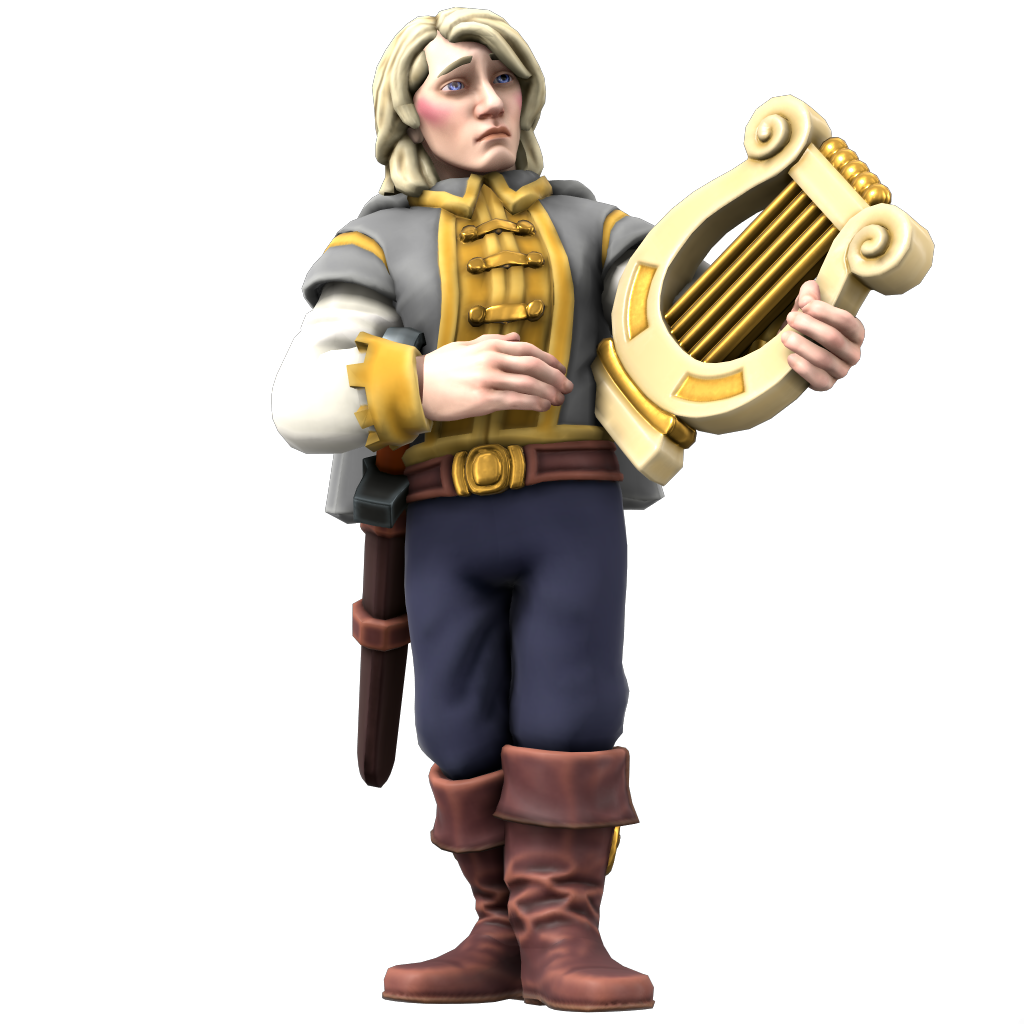
Tír na nÓg (100 Fd, 100 G, 15 Fv) – Aengus summons the legendary Oisín from the fairy world, a powerful bardic Hero who can be retrained if he dies. (Town Center)
(“The Land of Youth” was another name for the Otherworld. Oisín’s tale is too long to go into here but suffice to say he wound up living there for a time.)
(Here you can see Oisín basically shares the Bard’s model and animations except for having a different face and some extra details.)
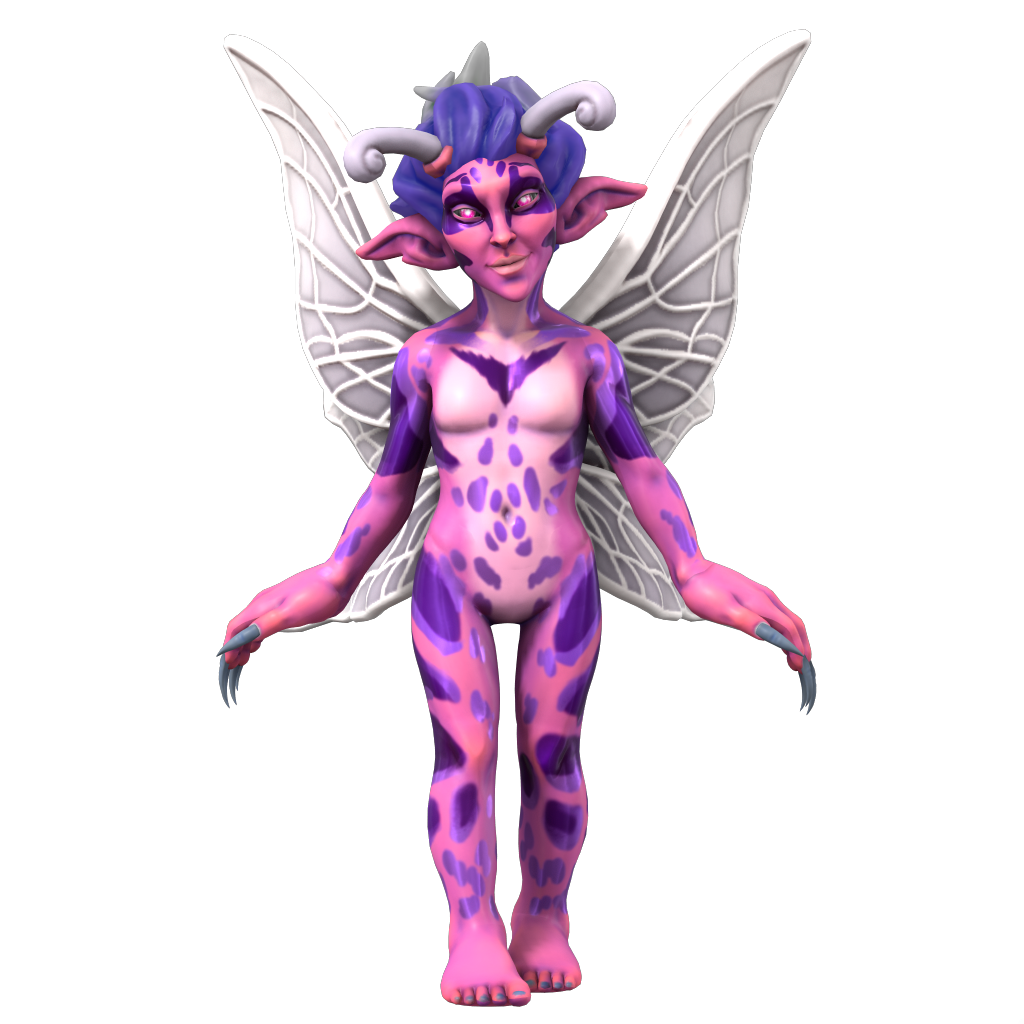
Púcaí (200 Fd, 150 G, 15 Fv) – Aengus causes Fae-folk to spawn under your control near units your Heroes are attacking. (Temple)
(Púcaí [singular Púca] are shapeshifting sprites or other mischievous fairies from the folklore of the British Isles. Here, they would function akin to Anubis’ Serpents, only completely under your control. Fae-folk cannot attack buildings.)
(Here I’ve included two images of the spawnable Fae-folk unit, one with default colors and one with Player 1’s colors from a second angle to better showcase what actually changes. And you can bet they’re hovering and surrounded by light the entire time.)

Brigid
Goddess of Wisdom, Healing, and Fire
Focus: Druids and Myth Units
“You have advanced to the Classical Age through the insight of Brigid!”
(Available to The Dagda & Lugh)
Brigid, Brigit, or Bríd, the “exalted one”, is a goddess associated with the dawn and fire, healing, poetry, and smithing, though some of these affiliations are due to two alleged sisters also named Brigid, suggesting that she might be a tripartite goddess, or that Brigid was more of a title than a name. Regardless, in Irish myth, Brigid is the daughter of The Dagda (and here, thankfully, not married to Aengus) and her feast day, Imbolc, at the beginning of February, shares a date with the modern St. Brigid’s Day.
Myth Unit: Will o’ the Wisp (3 Fv) – Scouting myth unit with no attack. Can only be harmed by enemy Heroes. Can enter stealth mode near the treeline but is visible to scouts and towers.
(Known in Irish as tine ghealáin “flashing fire,” the wisps were said to be ghosts or fairies that revealed or concealed paths from mortals.)
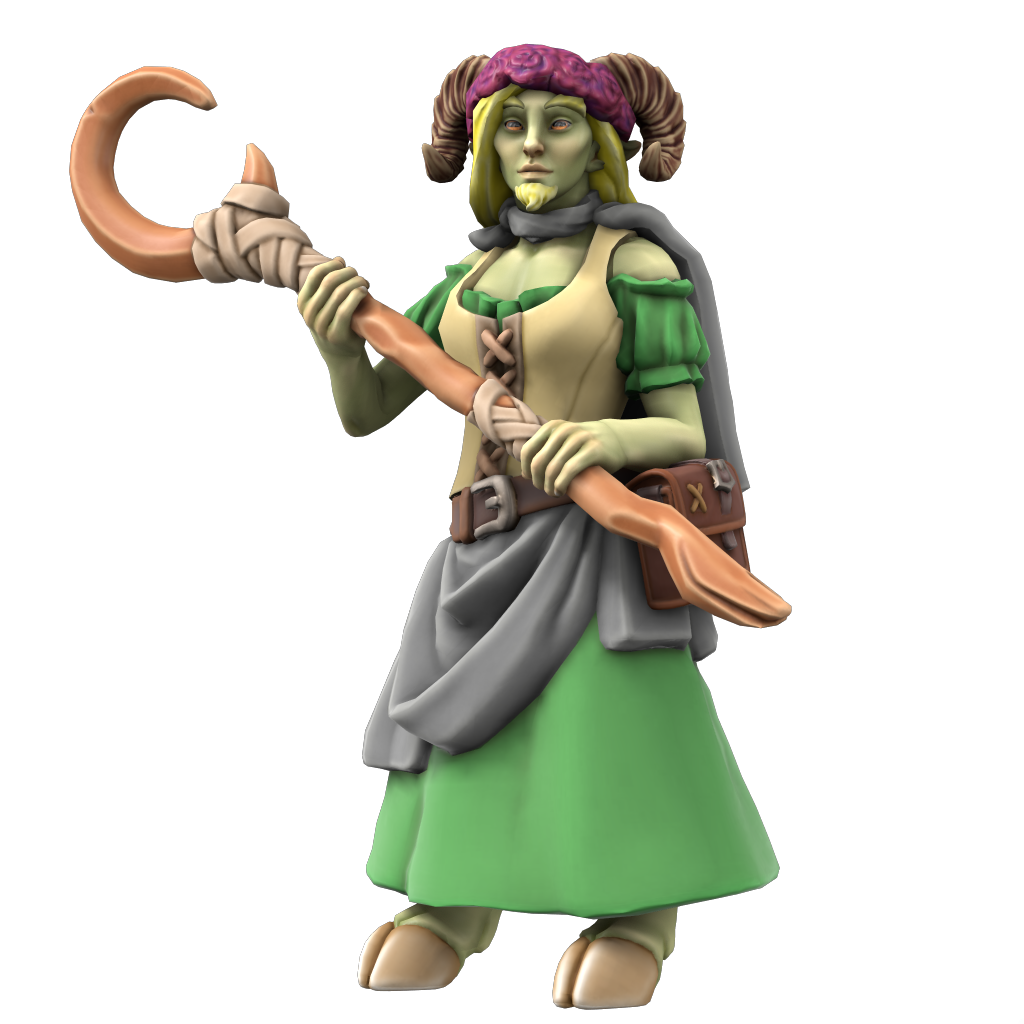
Myth Unit: Glaistig (250 Fd, 25 Fv, 2 Pop) – Myth unit that can gather Food at a greater rate than Yeomen. Livestock fatten faster and cannot be stolen when near it, berry bushes near it last longer, and Farms worked by it generate a trickle of Favor. Attacks by throwing stones. Good against human units, especially villagers.
(The Glaistig, or Green Maiden, is a Scottish forest spirit that could be malevolent or benign depending on the tale. Here, she is a protector of cattle, herders, and huntsmen, and will use her staff-sling to hurl stones at approaching danger.)
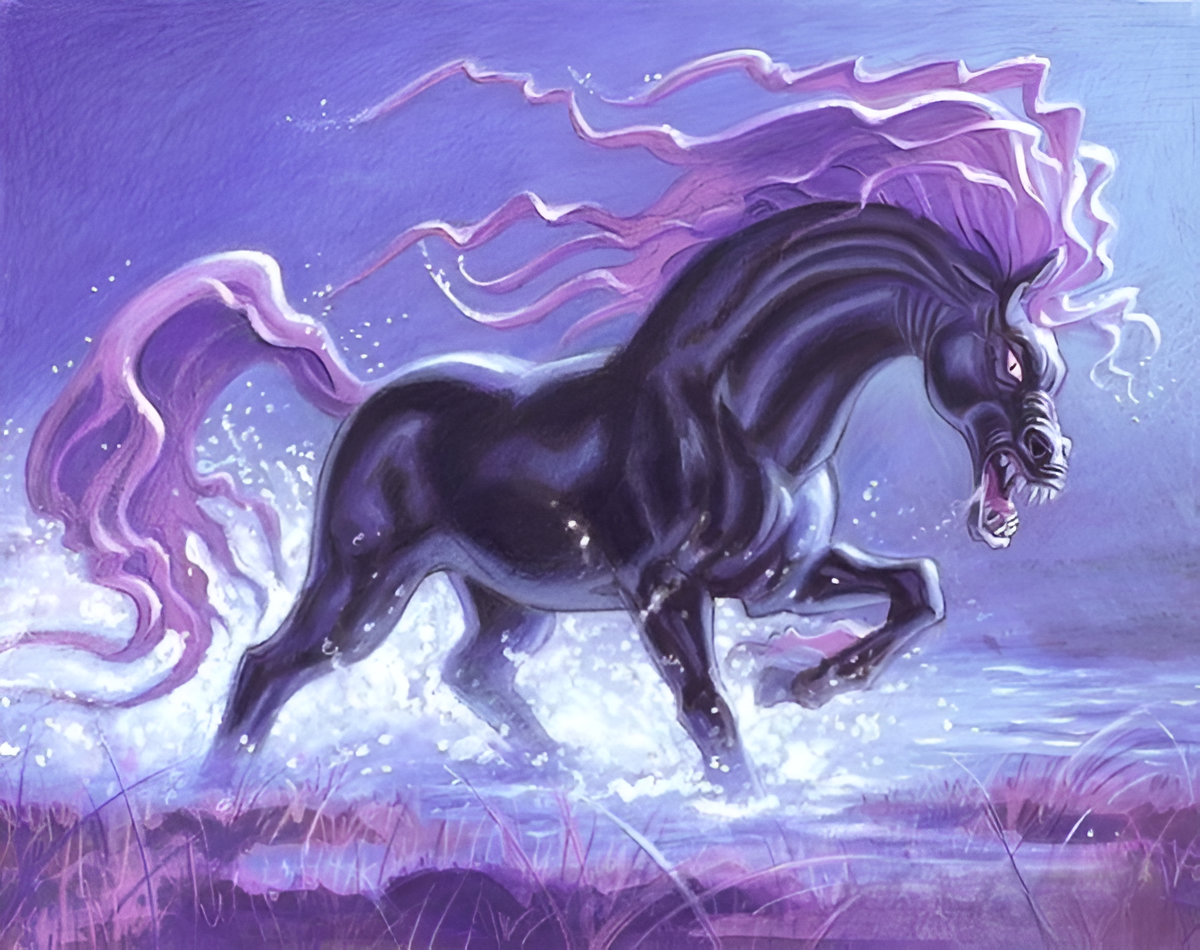
Myth Unit: Kelpie (200 Fd, 20 Fv, 2 Pop) – Water-dwelling myth unit that can drown human units on the shore. Good against human units and ships. (Dock)
(The Kelpie is one of many Celtic “water horses”, including the Irish each-uisge. They would appear to weary travels as beautiful mares at the waterline before ensnaring them and running back into the depths to drown them.)
God Power: Gaoth Sídhe – Target an area to summon a fae whirlwhind that throws enemy units, damages them over time, and slows their movement speed. (50 Favor to recast)
(The Gaoth Sídhe, or “fairy wind” was said to come wherever the fae had passed by. It sounded like the flight of thousands of bees and could cause fainting, deafness, loss of speech, or even seizures, among other things. Many Irish people were quick to step out of the way of a strong breeze to avoid offending the passing faeries.)
Technologies:
Reincarnation (30 Fv) – Brigid decreases the training time of Will o’ the Wisps and improves their line of sight and hitpoints. (Temple)
Abyssal Chill (200 Fd, 200 G, 30 Fv) – Brigid upgrades your Kelpies to Tidal Kelpies, improving their hitpoints, armor, and speed, as well as making them slightly larger. (Dock)
Undertow (300 Fd, 25 Fv) – Brigid increases the range at which your Kelpies can target human units and also allows them to target smaller myth units. (Dock)
Ancient Knowledge (200 G, 25 Fv) – Brigid grants your Druids ancient knowledge, decreasing their cost and training time and improving their skill at converting human units. (Temple, Druid Grove)
Please join me in Part 3 for the rest of the gods and more! – TyrannusRex