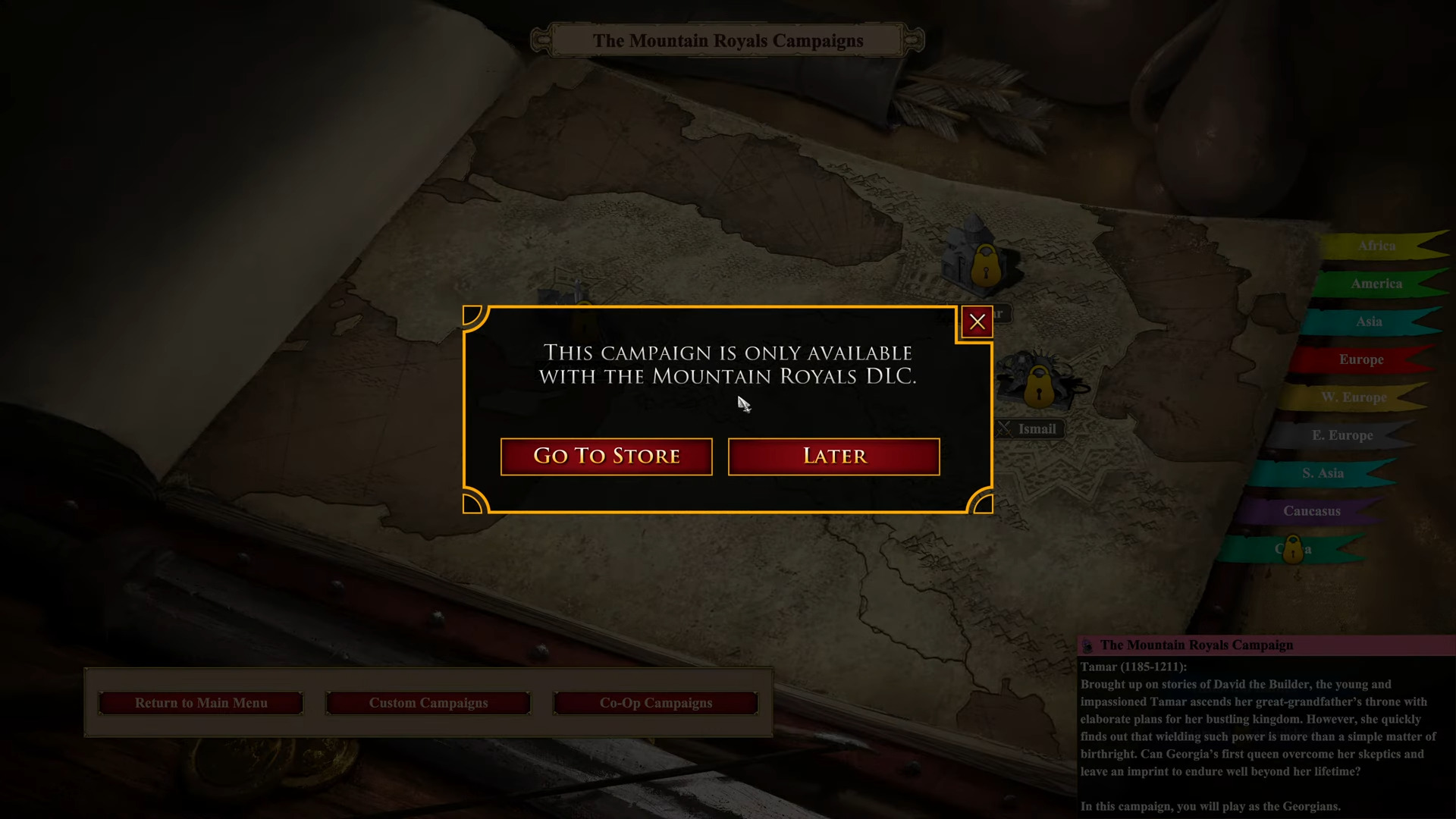
Not “Close”, “OK”, “No”, or “Cancel”. But “Later”. Is a user interface supposed to take a stance on what the user is assumed to do at another time as opposed to neutrally offer the possible options to nothing but the current pop-up window?
Anonymous poll:
Is your user experience affected by this wording?
- My user experience is positively affected by this wording.
- My user experience is not affected by this wording.
- My user experience is negatively affected by this wording.
1 Like
I have seen way way way worse things by Microsoft then this.
Popups without a “no” button and only a “remind me in 3 days button”. Though my favourite is the “never show this popup again” checkbox that has 0 effect and I get the same popup the next day or sometimes imminently again. Why is there a “keep me logged in” option if it apparently has no function at all? Half of my time at work is spend logging into different Microsoft services again and I don’t even use Windows.
I think the wording “Later” on this button would be building less pressure then a “No” button. “No” could imply that you will never have the chance to buy the DLC again after this popup. “Later” implies that you can choose to do so at any time with no pressure. I think the most customer friendly wording would be “Maybe later”.
1 Like
That’s a good point. “No” might give that impression, although I have never heard of a DLC which stops selling during the main product’s lifetime (other than it being made free like with the first three aoe2de DLC’s.
But I think it’s also interesting how the user is put into a position where they have to assume what the options would entail, how they could come to a conclusion that “No” might mean lose opportunity forever. If you ask me, it’s because the question here (“Would you like to go to the store page now?”) is omitted and implied instead of explicitly stated. So it’s not immediately clear what question it is the user would be answering, and they are forced to assume what they are saying no to.
Time limited content is becoming more and more common. Abusing peoples FOMO (fear of missing out) forcing them to come back to your game regularly, sometimes even daily. Every 2nd game has a battlepass and daily quests now.
Even AoE does that to a limited extend with monthly events that unlock profile pictures and stuff like that.
So I think it is something that especially young people that grew up with those kind of time limited content might assume.
1 Like
That is a good point.
What rubs the the wrong way with this pop-up is that it is an information pop-up (it doesn’t ask or tell the user to do anything) which provides a specifically worded declining option to an assumed question which is never stated. “OK” might be a better candidate than “No”, since what the “Later” button here actually means is nothing but “Close This Pop-Up” if we’re to have it as explicit as the Store button.
Now that I think of it, this might also be an accessibility issue.
The implicit question is obviously “Would you like to purchase this DLC?” Where the implicit two options are “Yes, please take me to the store page now.” and “No, not at this time. Please close this pop-up.”
The UI designer decided to leave the question completely unsaid, shortened the affirmative option to “Go To Store” and the negative option to “Later”.
“Go To Store” is fine, it still works even if the pop-up is strictly informational, since it simply provides an option as information (as in, this button can be used to go to store and not necessarily telling you to go to the store - “Go” can be button description and not an imperative command to the user).
“Later” is problematic - it is not merely a shortening from “not at this time”, it has the implied meaning that the affirmative option being taken is only a matter of time and the user will purchase the DLC at another time. “Not at this time” does not contain any implied meaning of what will or will not happen at another point in time, it only states what does or does not happen at this time.
But that’s not the only reason it’s problematic. “Later” doesn’t really work in the case of the pop-up being strictly informational, it requires the question. It obviously doesn’t mean clicking this button will make this campaign be only available with the Mountain Royals DLC at a later point in time but available to you now once you click this. “Later” is a response to the unstated question.
Normally functioning people probably will have no problem understanding this pop-up. But would a neurodivergent person have the same experience? “Later” what? No question is asked. What do you mean “Later”? And why is it left unsaid?
But expanding the pop-up message with a question is just solving a problem which doesn’t need to be there to begin with. Why not have the close option (which is essentially what the right-hand side button is here) be called “OK”?
Is it problematic if a developer advertises their DLC within their game?
1 Like
No, it is not problematic at all if a developer advertises their DLC within their game.
If the developer cares about accessibility (which I am under the impression is the case here, given the amount of development effort gone into accessibility elsewhere, the narrator by default as one example) for less able people, the wording of this pop-up is problematic - not because it markets, but because it markets in a way which is not as accessible as it could be.
Edit: and the accessibility issue is admittedly only one of the two reasons I stated earlier for the wording being problematic. Accessibility aside, “Later” here is a minor case of dark pattern, which is an ethical (and also legal in more serious cases, see eg. State of Washington vs. David W Plummer 2006) question in marketing practices. So from that perspective answering your question, the fact that the DLC is marketed at all is not what I meant is problematic, but how it is being marketed in this instance is what I meant is problematic.
I see your points but I think the current wording is relatively short and efficient at getting the point across. More correct wordings would be longer which can cause confusion.
This is probably the mildest case of “dark pattern” I have ever seen.
1 Like
The more correct wording “OK” is two characters, which stands at three characters shorter than “Later” which is five characters long. I don’t tnink “OK” would be more confusing than “Later”
1 Like