Same reason why Napoleon is leading Royal French, and Frederick is leading Austrians.
All civs have elements of their entire History in the whole period.
Same reason why Napoleon is leading Royal French, and Frederick is leading Austrians.
All civs have elements of their entire History in the whole period.
but they were stronger than Japan
the Imjin war where Japan didn’t even fully mobilize suggest very much, no the Koreans where in no way as strong as japan.
Japan had a more modern military mostly built around handguns, korea still mostly fought like the 1400s.
true Korea did win a lot of naval battles, but they where utterly and completely overran on the land, if not for China interfering Korea would have lost the war.
then there is the fact that Korea always was someone’s vassal, which japan wasn’t, or the fact that the Korea population is dwarfed by Japans.
Uhlan - A Polish unit, later used by the Prussians
Doppelsoldner - All-German unit
War Wagon - Hussite (Czech) unit
Settler Wagon - The Germans used wagons of this type during the colonization of America - Pennsylvania to be exact. The exact name of this wagon is Conestoga wagon. They were Germans from various regions of Germany - most often Lutherans.

HRE is not an indicator of Austria, but of all Germans !!!
If this civilization is to affect all Germans, let them change the ruler. So far, this CIV represents Germany 1871 in area, not all Germans !!!
In addition, the Austrians fit AoE 3, because they had an empire in central southern Europe, thanks to the Hungarian crown.
And that’s exactly what Austria should be presented in this game and let’s discuss it. Not about early Austria, which has yet to become unique.
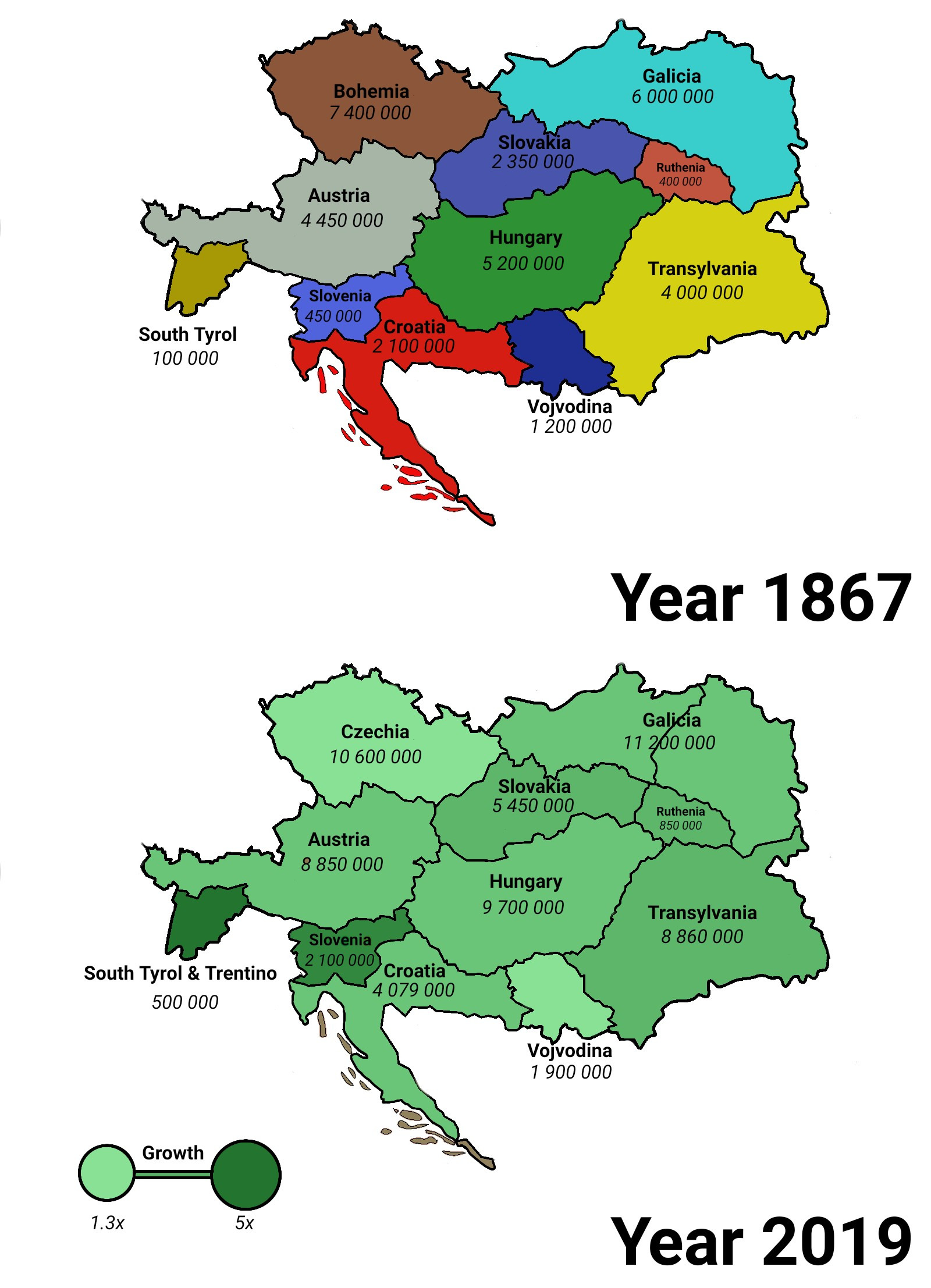
The Austrian Empire encompassed the territory of present-day Austria, Hungary, the Czech Republic, Slovakia, Galicia (after the partitions of Poland), Slovenia, Croatia, and part of northern Italy and northern Romania (Transylvania). This Austria was definitely different and more interesting in terms of nationality than the rest of the German states.
The present-day Germans simply represent a united Germany (through different times) led by the Prussians. Hence, we have Frederick the Great and the civ capital in Berlin. The flag of the Germans is the HRE flag, but it must be remembered that previously their flag was the Prussian flag. Most likely, they used the HRE flag to make it historical and able to unite the Germans.
And why is the Autriak missing in the game? First, they were a significant empire.
Secondly, they occupied an area that is not represented in the game (times of AoE 3 it is easy to present the whole of Europe because there were great empires - not what in AoE 2, where there were many kingdoms. 4 civ in Europe is enough for it has become complete).
Third, the Austrians could also represent the nations that were part of their empire: Czechs, Croats, etc.
Fourth, the Austrians could be represented by Maria Theresa Habsburg, and their flag would be black and gold, the capital would be Vienna. The units could be different, for example Panjur, Hajduk and Grenzer (if someone says that they are in the game, they are wrong. It’s just a different name for existing units, already known in the classic version of the game).
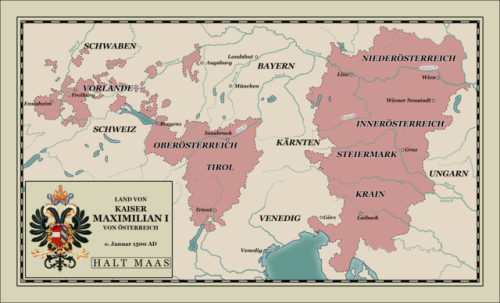
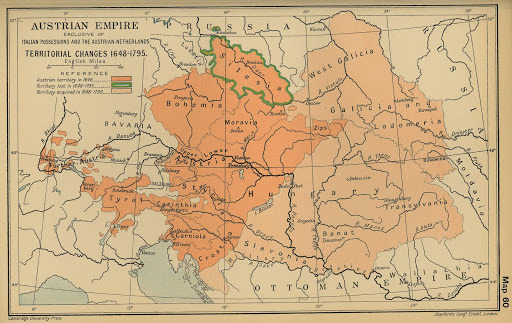
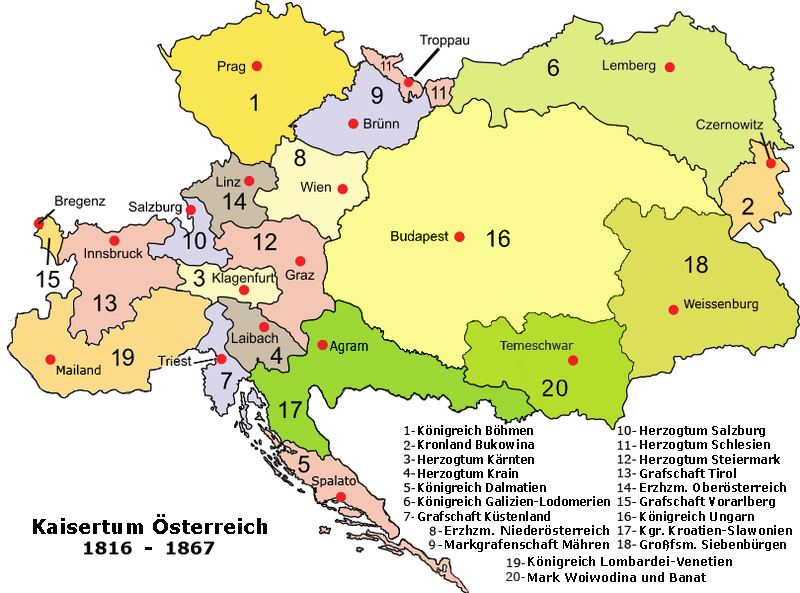
Maps of Austria
Maria Theresa Habsburg
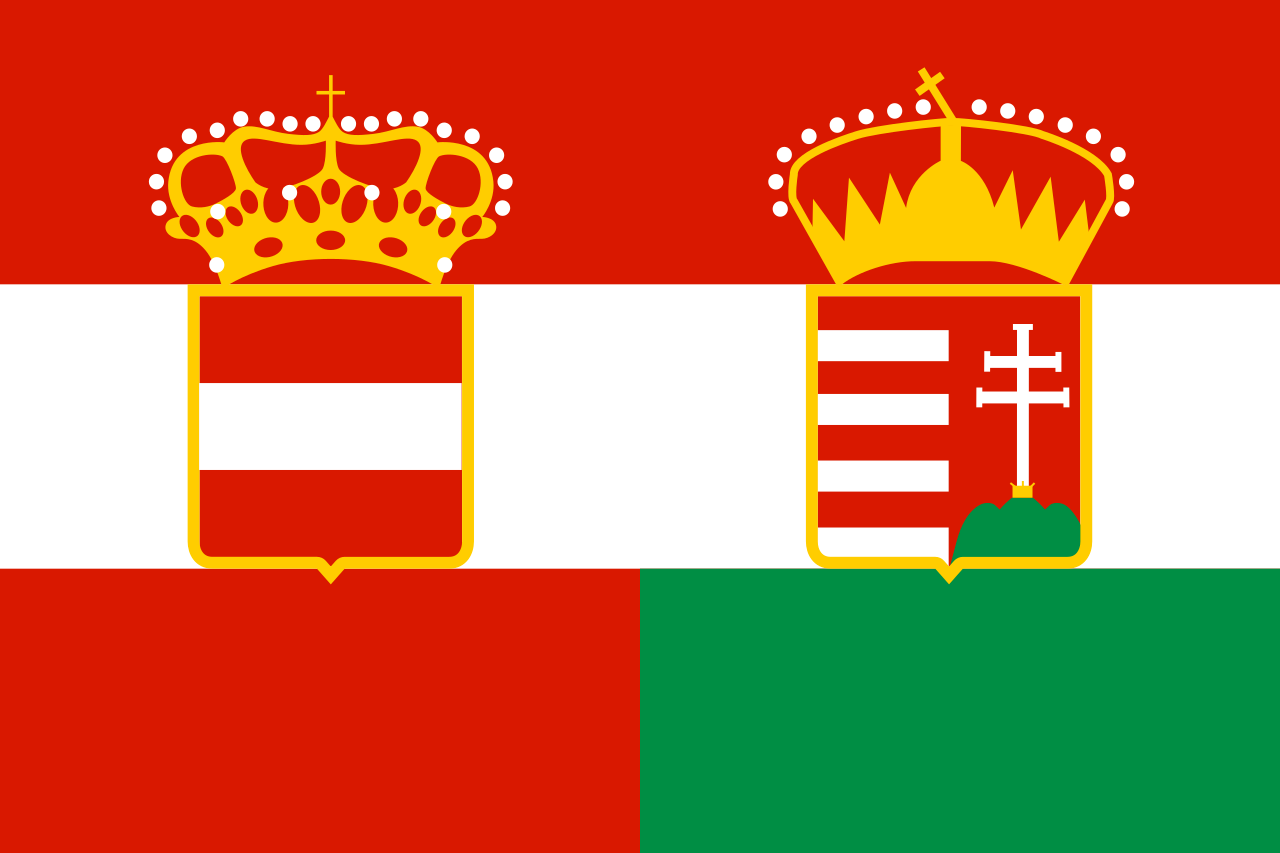
Austrians flags
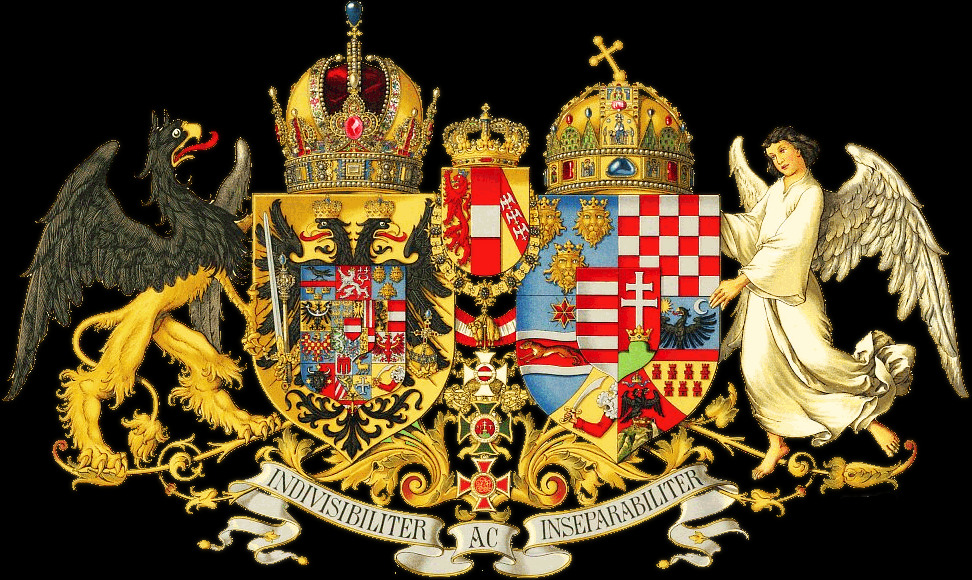
Coat of Arms
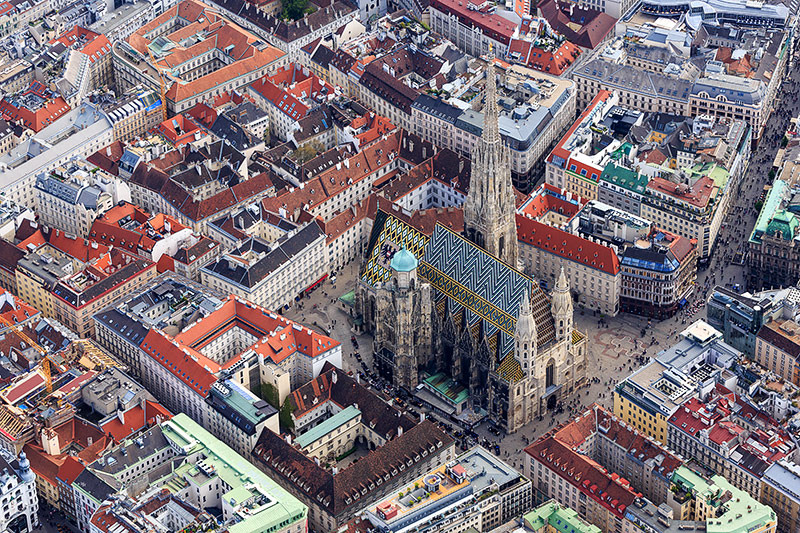
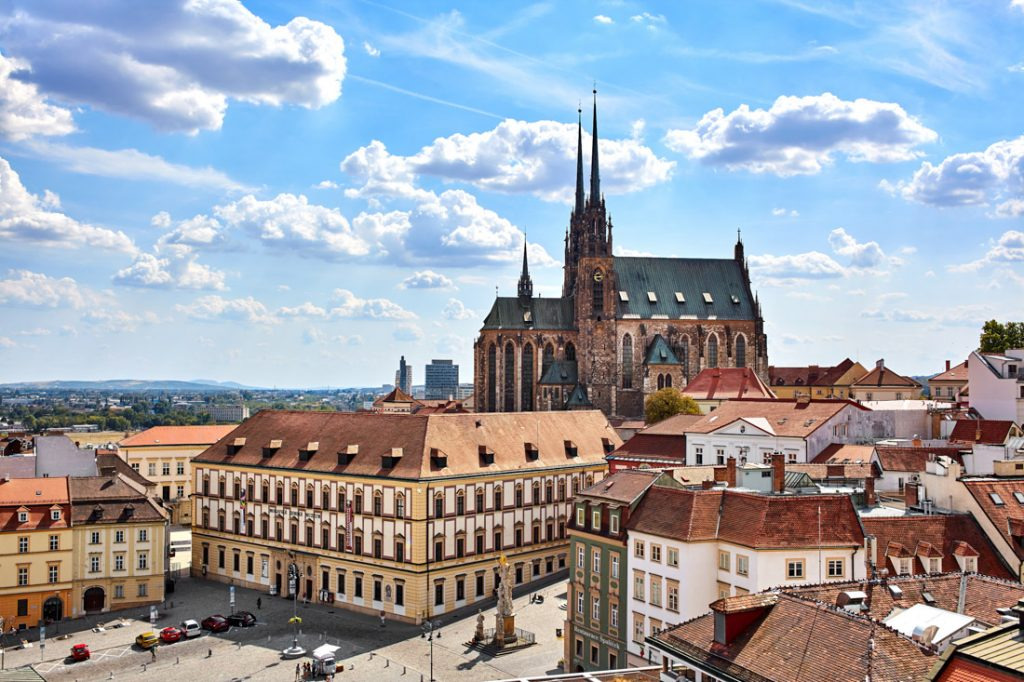
Vienna
That is not correct. 30Yrs War was the end of globally powerful House of Habsburg (because of ruling Spain and Austrian lands) but not for Austria. Austria was victorious in terms of uniting the lands and launching centralised absolutistic elements in statehood. Personally, I would say the peak for Austrian prestige and power was somewhere before Napoleon took a throne in France.
Then came Napoleon (and his reformed army taught the Europe), 1848, Prussian outpacing economy, national unrests in Austrian state, rising police and army budgets, burecracy…
Back to topic: Austrians should not be in AoE3 unless there would be a new DLC focused on Europe. I cannot imagine how to include Austria into colonial theme of AoE3 despite the fact they had some colonial experiments…
I want an African expansion, the Zulu, the etiopians and the Italians.
That way the Zulu can spank the British and the etiopians can spank the Italians 
Though, an expansion set in the thirty years wars would be good.
Polish–Lithuanian Commonwealth colonies
Couronian colonisation refers to the colonisation efforts of the Duchy of Courland and Semigallia, a vassal state of the Polish–Lithuanian Commonwealth. Small, but wealthy, the Duchy took a modest part in the European colonization settlement attempts of West Africa and the Caribbean.
Like Brandenburg, that had far larger German colonising power before the formation of the German Empire, the Polish-Lithuanian fief of Courland had a European crusading, hence expansionist, past. The colonies were established under Jakob, Duke of Courland and Semigallia, and were indirect colonies of the Polish–Lithuanian Commonwealth. During his reign (1642–1682), the Duchy established trading relations with all of the major European powers. Jakob established one of the largest merchant fleets in Europe, with its main harbours in Windau (today Ventspils), and Libau (today Liepāja). His fleet made voyages to the West Indies as early as 1637 when the settlers established the first colony on Tobago. The first colony was a failure, but it was refounded in 1639.
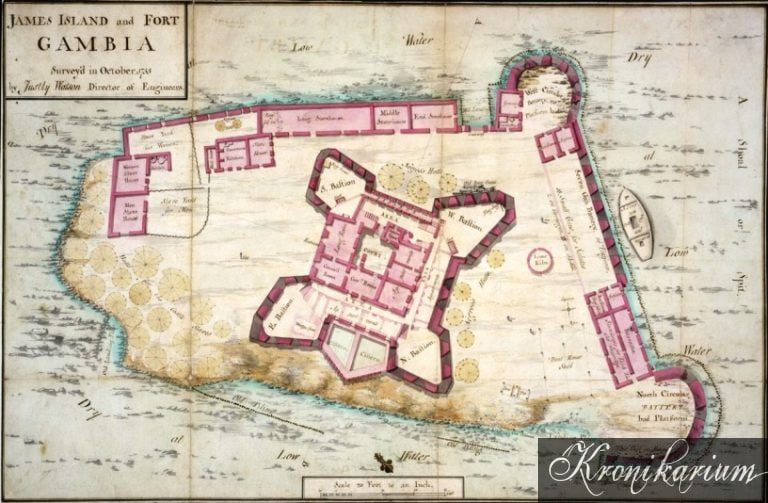
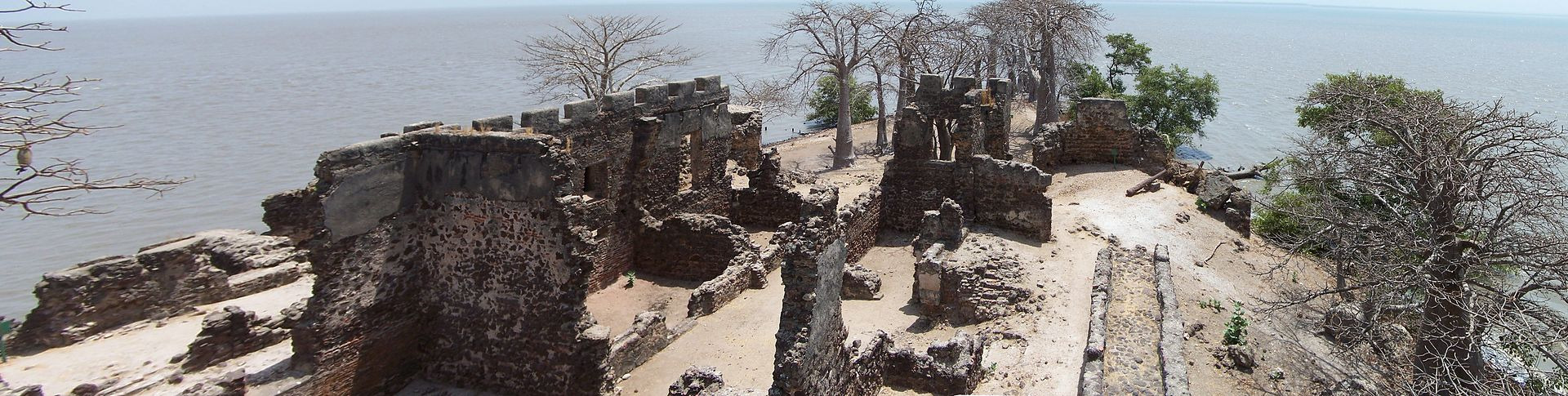
In 1651, the Duchy gained a colony in Africa on St. Andrew’s Island in the Gambia River and went on to build Fort Jakob on the island. The Duchy also gained control of additional land, which happened to include St. Mary Island (modern day Banjul) and Fort Jillifree. The Duchy’s colonies exported sugar, tobacco, coffee, cotton, ginger, indigo, rum, cocoa, tortoise shells, as well as tropical birds and their much sought after feathers. In the end, the Duchy would manage to retain control of these lands for less than a decade and the colonies were formally ceded to England in 1664.
The colonies were lost when the Duchy’s neighbours took advantage of its weakened defences during the Northern Wars, when Jakob was held captive by the Swedish Army from 1658 to 1660. However, after the end of the war the island of Tobago was returned to Courland. However, the Duchy ended up abandoning the island in 1666. In 1668, a Courish ship attempted to reoccupy Fort Jacob but was driven off by the Dutch garrison stationed on the island. The Courland Monument near Great Courland Bay commemorates the Duchy’s settlements.
A final Courish attempt to establish a Caribbean colony involved the construction of a settlement near modern Toco on Trinidad.
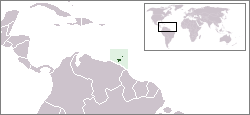
New Courland, on Tobago (1637, 1642, 1654–1659, 1680–1690)
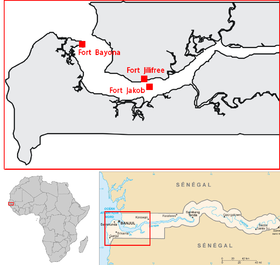
St. Andrews Island or Courlander Gambia, was also the later British Fort James. (1651–1660, 1660–1661)
Jakub’s fort in honor of Jakub Kettler - Duke of Courland
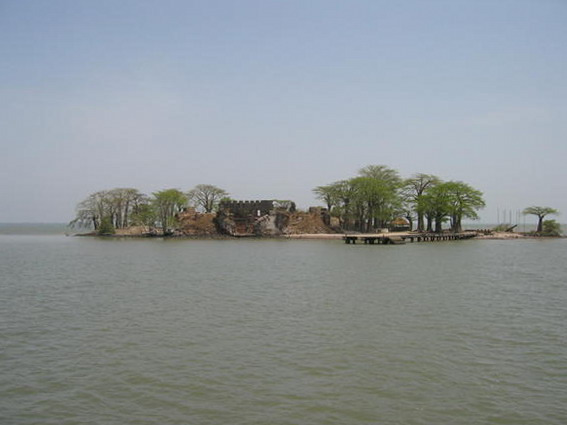
Jakub’s fort now
where do you get the italian in there? italian african “adventure” is after the games periode.
Italy colonies
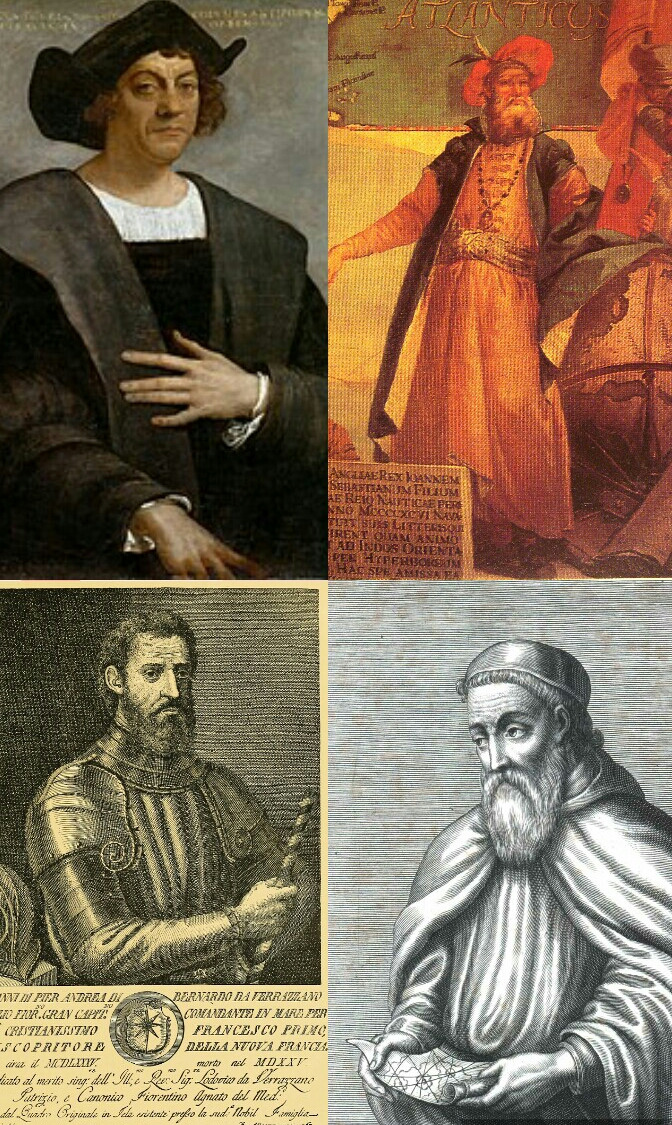
Italian explorers
Clockwise from top: Cristopher Columbus, John Cabot, Amerigo Vespucci and Giovanni da Verrazzano
Tuscany expedition
The Grand Duchy of Tuscany (Ferdinando I) expedition to South America was the only tentative to colonization done by Italians in the centuries after Columbus discovery.
The Thornton expedition was a 1608 Tuscan expedition under Captain Robert Thornton, an Englishman, sent by Ferdinando I of Tuscany to explore northern Brazil and the Amazon River and prepare for the establishment of a settlement in northern coastal South America, which would serve as a base to export Brazilian wood to Renaissance Italy.
The area that Thornton considered as a possible site of a Tuscan or Italian colony now lies in modern French Guiana, near Cayenne, which would be colonised by France in 1630.
In the first years of the 17th century Ferdinando I of Tuscany evaluated the possibility of a colony in Brasil and gave captain Thornton a caravelle and a tartane for an expedition in 1608. Thornton sailed for one year, reaching Guyana and Brasil, exploring the Amazon and Orinoco river but in February of that year the Grand Duke died and in Florence, no one thereafter considered establishing an overseas colony.
Indeed Thornton was ready to sail back to the area between the rivers Orinoco and Amazon in the summer of 1609 with nearly one hundred Italian settlers from Livorno and Lucca to create a settlement in the bay of actual Cayenne, but the project was scrapped. Thornton’s galleon ‘Santa Lucia’ returned to Italy in 1609 with plenty of information (after exploring the area between Trinidad island and the delta of the Amazon river), some indigenous natives of the Americas and a few tropical parrots.
Malta’s colonies
Giovanni Paolo Lascaris, Italian nobleman and Grand Master of the Knights Hospitaller of Malta, was interested in colonial affairs and in 1651 bought the island of Saint-Christophe, along with the dependent islands of Saint Croix, Saint Barthélemy, and Saint Martin, from the failing Compagnie des Îles de l’Amérique. The Knights’ ambassador to the French court, Jacques de Souvré, signed the agreement.
The Order’s proprietary rights were confirmed in a treaty with France two years later: while the king would remain sovereign, the Knights would have complete temporal and spiritual jurisdiction on their islands. The only limits to their rule were that they could only send French knights to govern the islands, and upon the accession of each new King of France they were to provide a gold crown worth 1,000 écus. In 1665, after Lascaris’s death, the Knights sold their islands back to France, ending their brief colonial project.
Yes, I know. That is why I wrote “experiments”.
Meh, there really isn’t a time were AoE3 end, since we don’t have AoE4. Until we don’t get on the 2 world wars.
The civilizations I have outlined above had colonial ambitions and experiments - some were better, others were worse.
If there is a European DLC with European maps, these civilizations are necessary. I did not mention Denmark because their colonial empire is indisputable.
4 new European civs in the European DLC - this is the optimal number and indisputably necessary for the final presentation of the European civs in AoE 3.
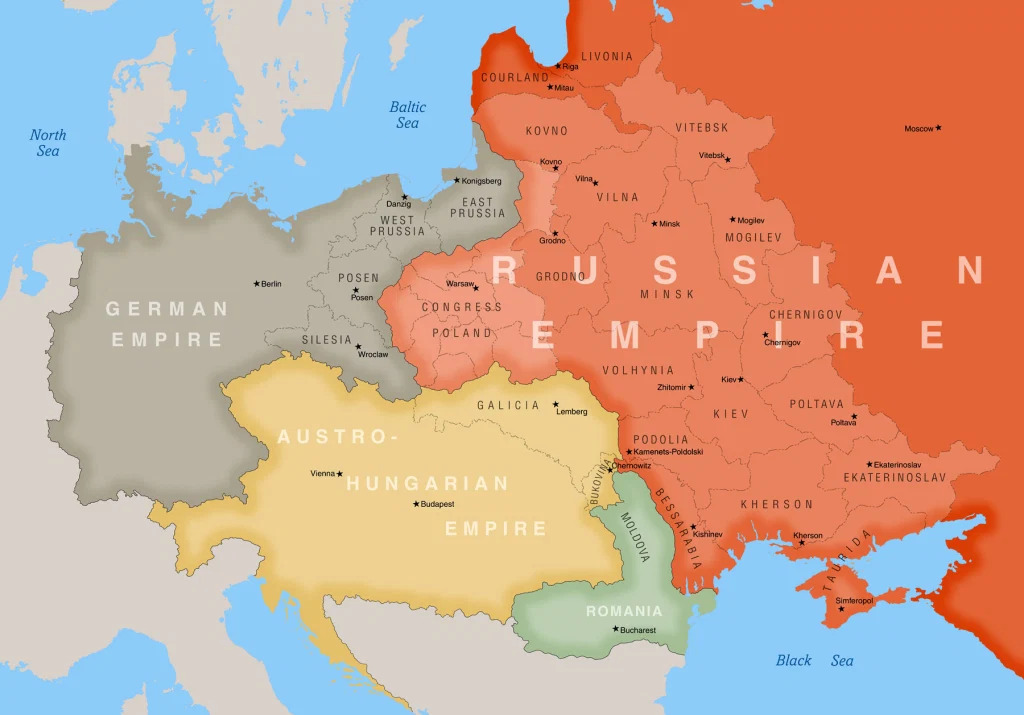
Central Europe after the partition of the Polish-Lithuanian Commonwealth
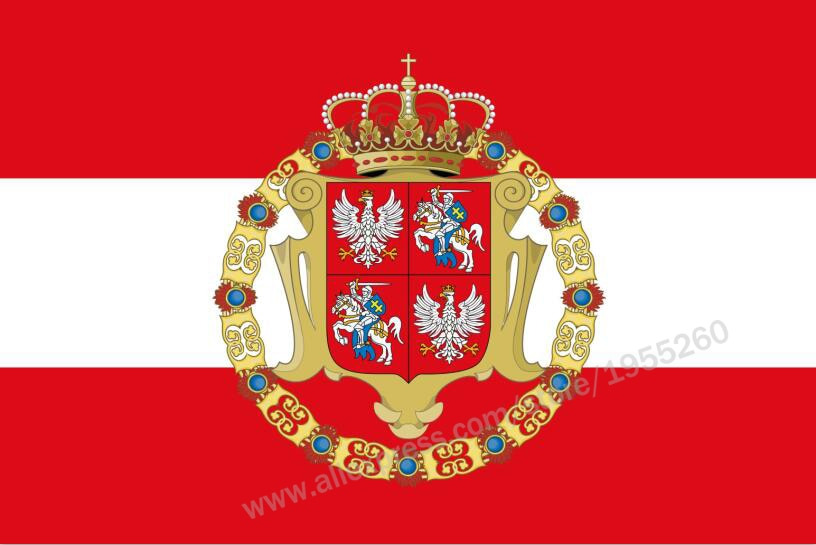
Flag of Polish-Lithuanian Commonwealth
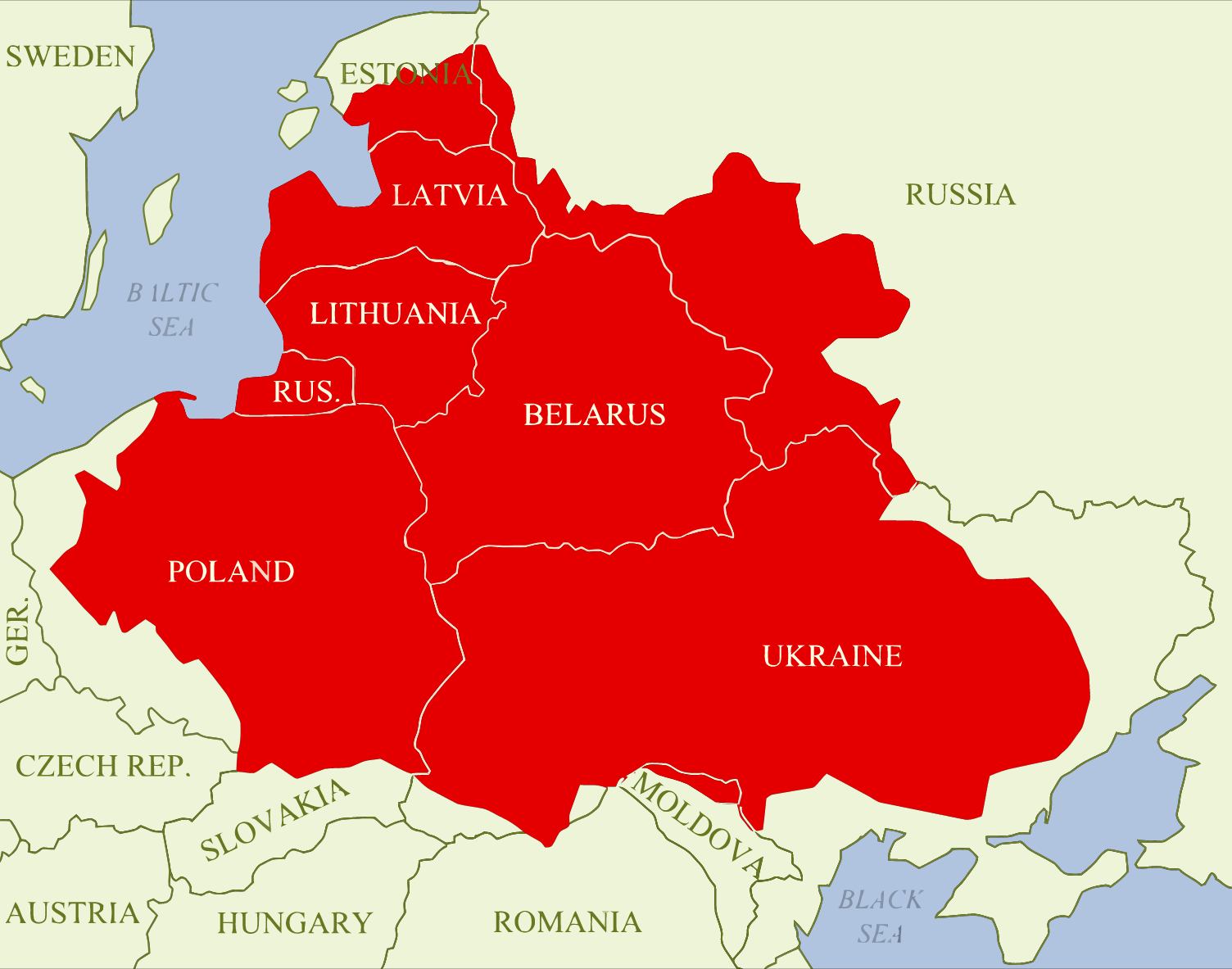
Polish-Lithuanian Commonwealth
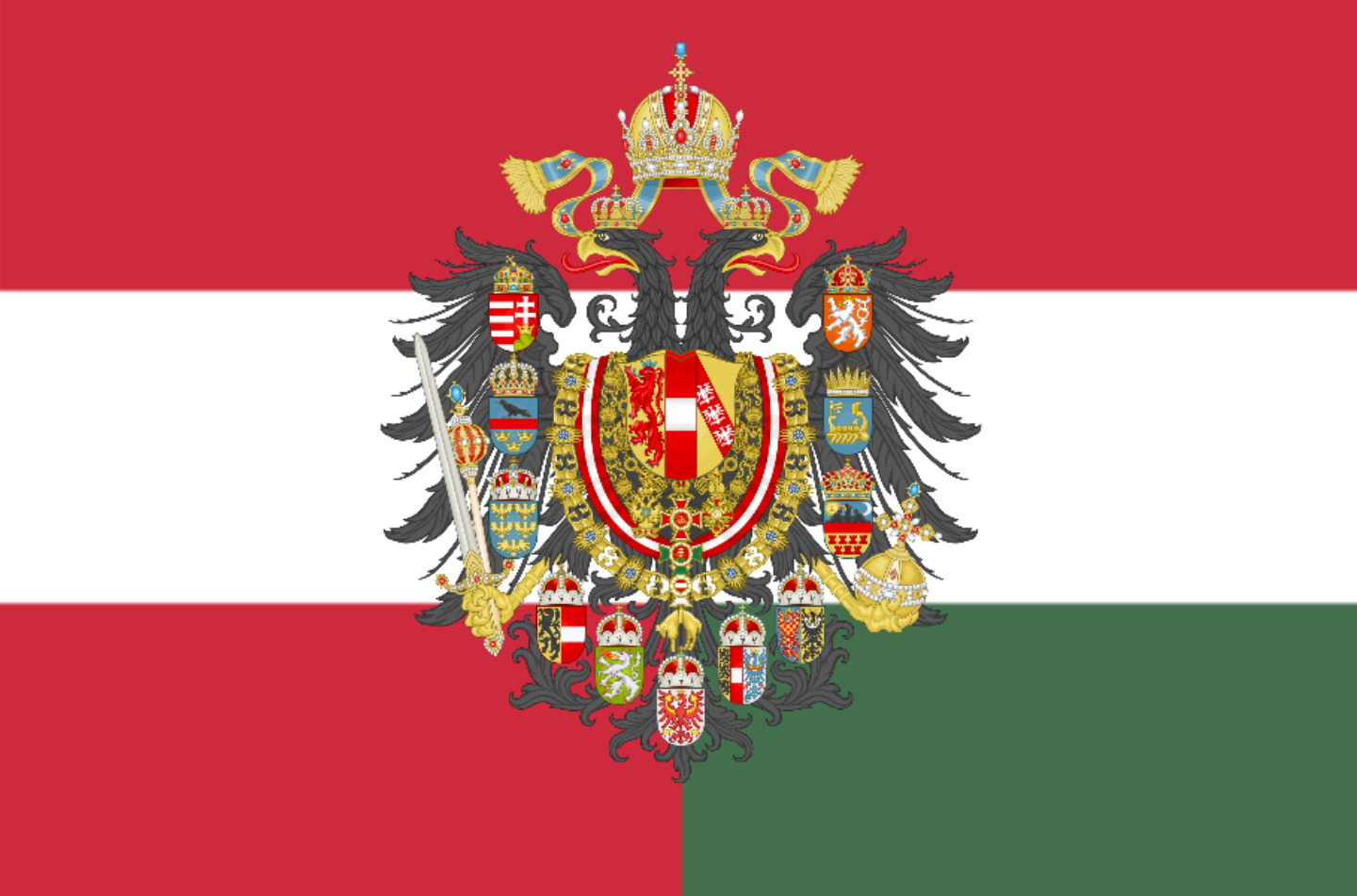
Flag of Austro-Hungarian Empire
Flag of the Austrian Empire (used c. 1700–1867)
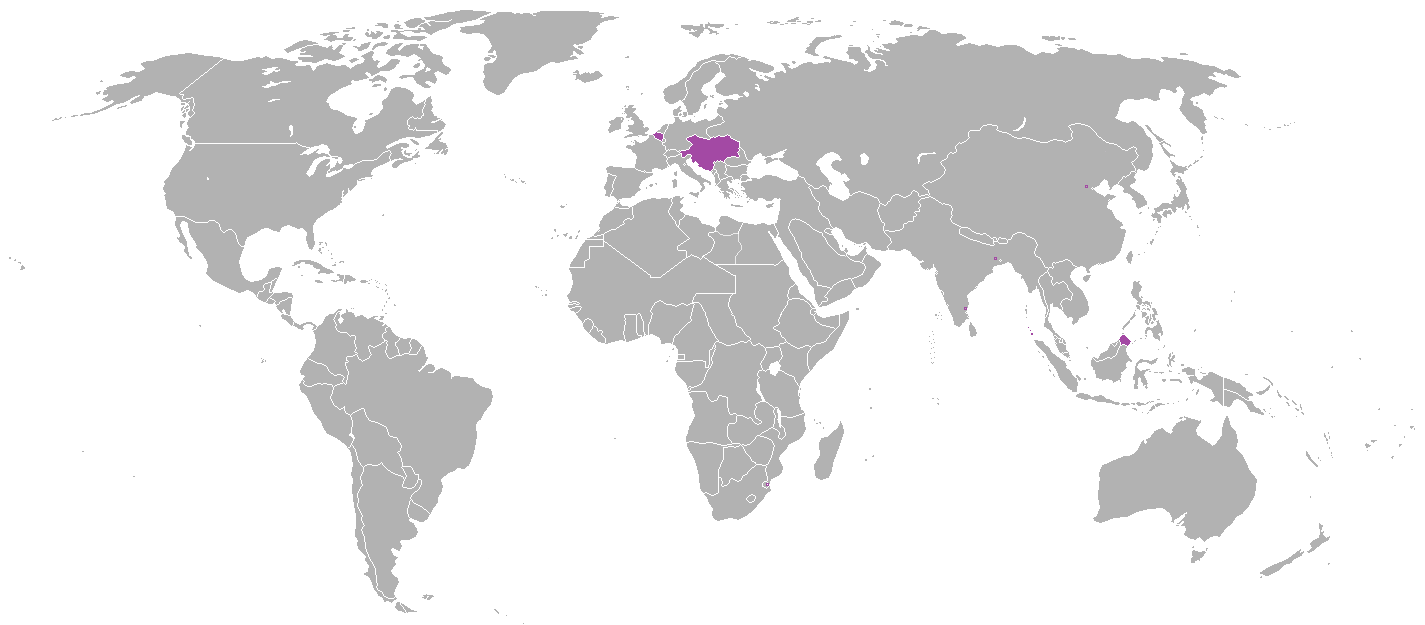
Austro-Hungarian Empire (I couldn’t find a nice map like the one above - comparing the old borders with the present ones. The map shows A-H Empire in 1867 - after the demolition of PLC, the borders did not change drastically)
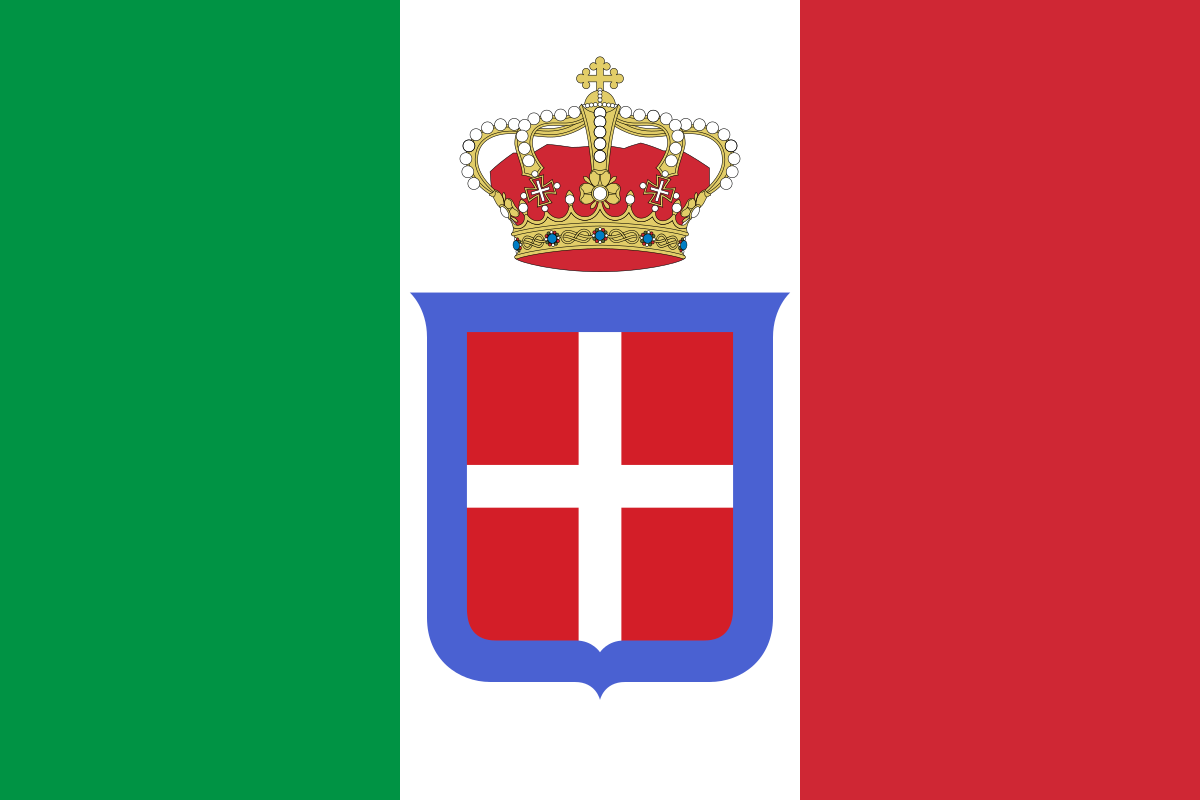
Flag of Italy Kingdom (used c. 1861–1946)
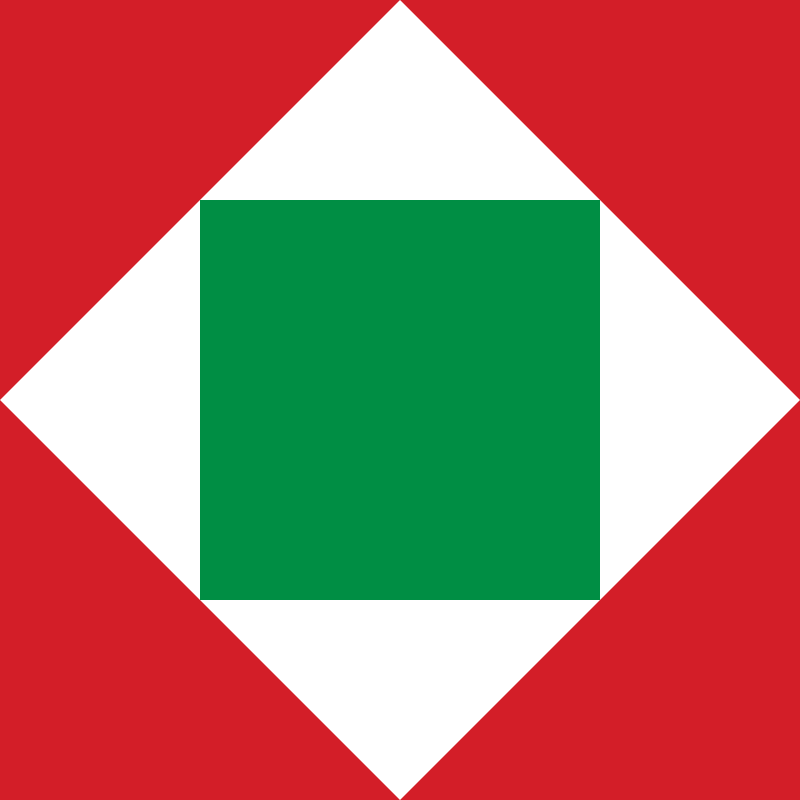
Flag of Italian Republic (Napoleonic) - more suited to AoE 3
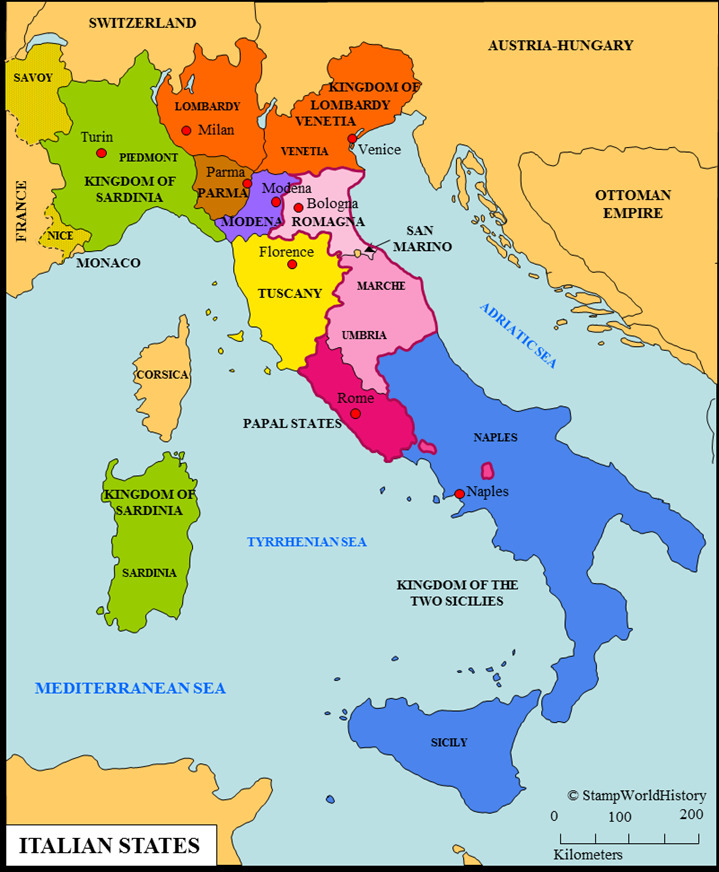
Italian states in 18th
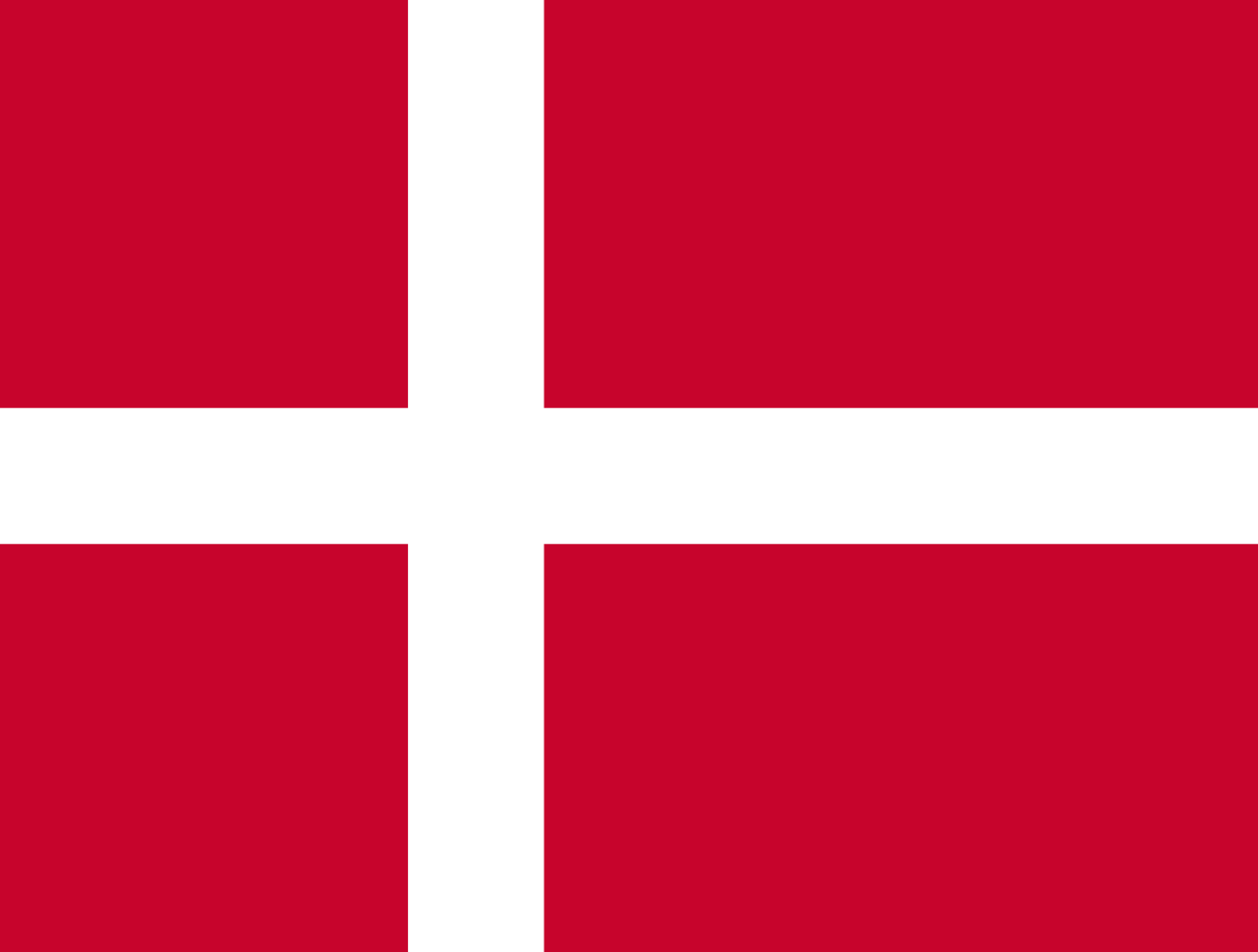
Flag of Denmark–Norway
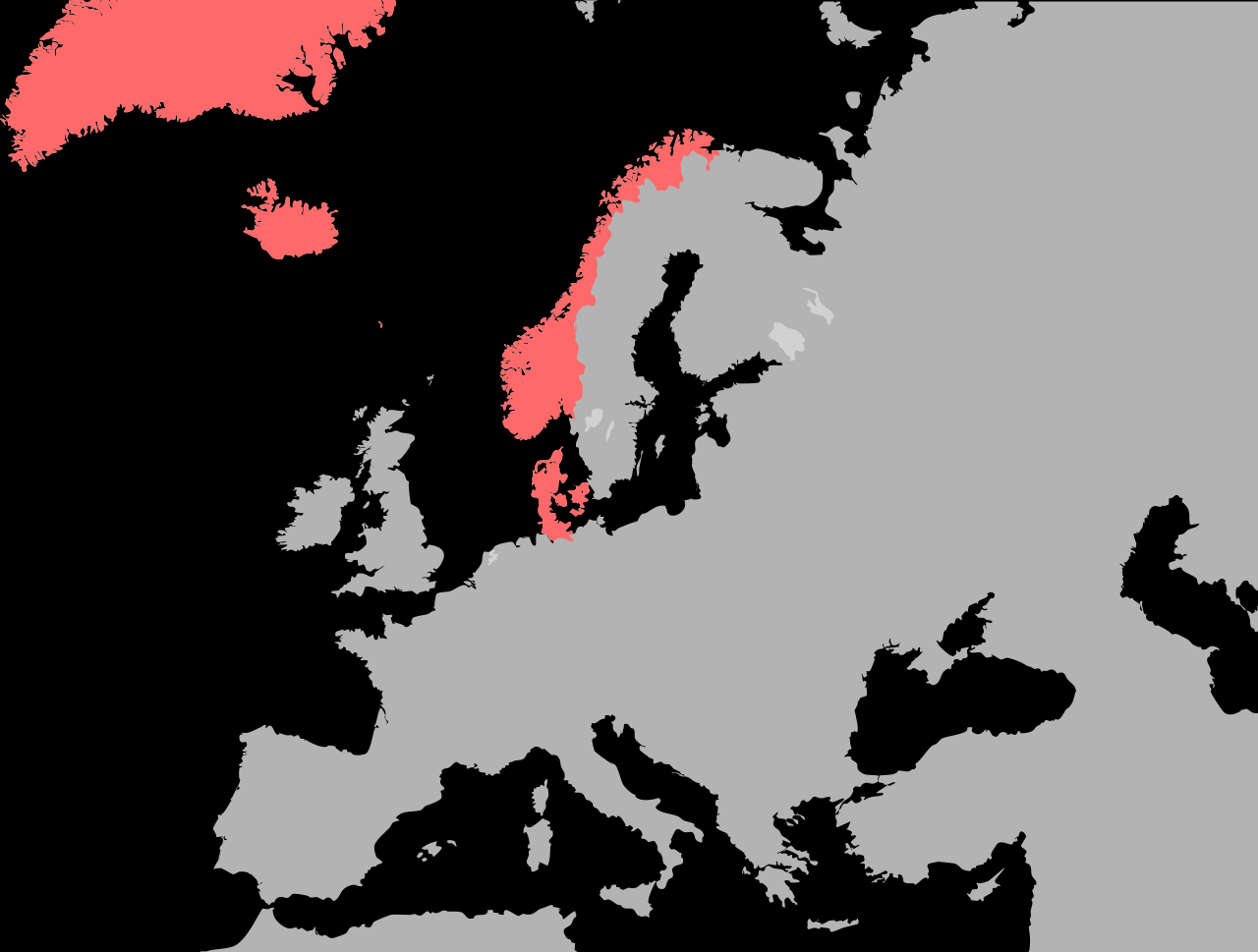
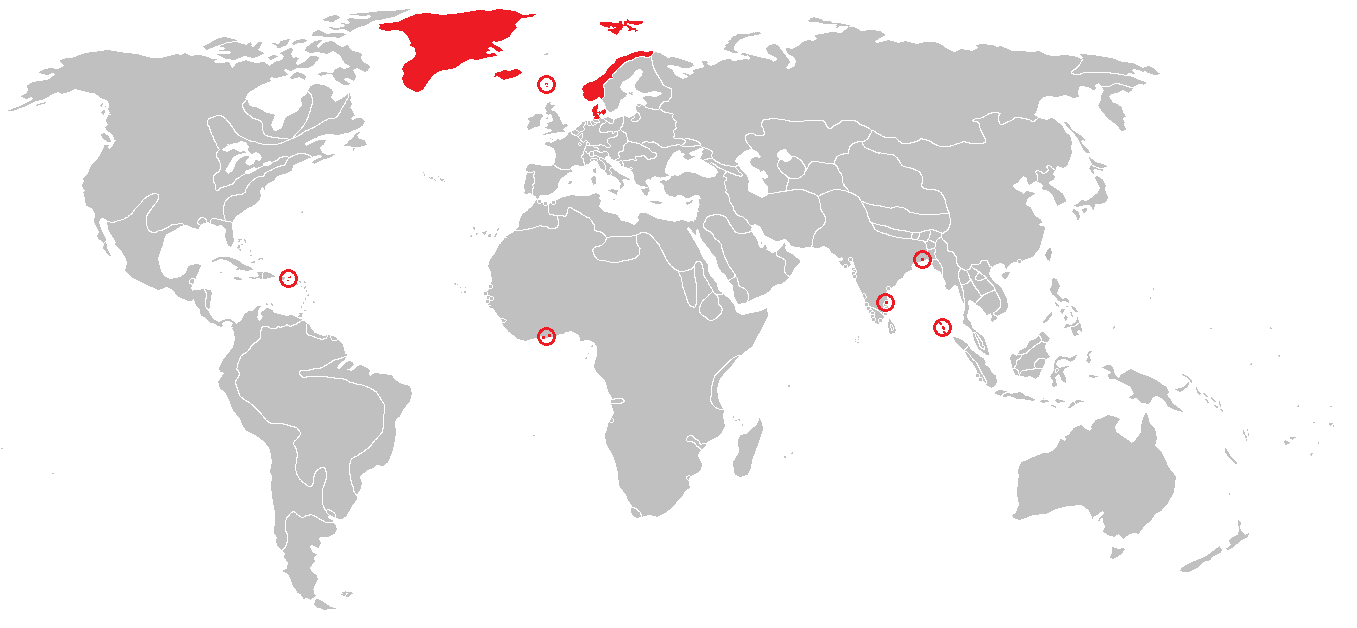
Kingdom of Denmark-Norway
It definitely ends with the 1800s, there is no 20th century content.
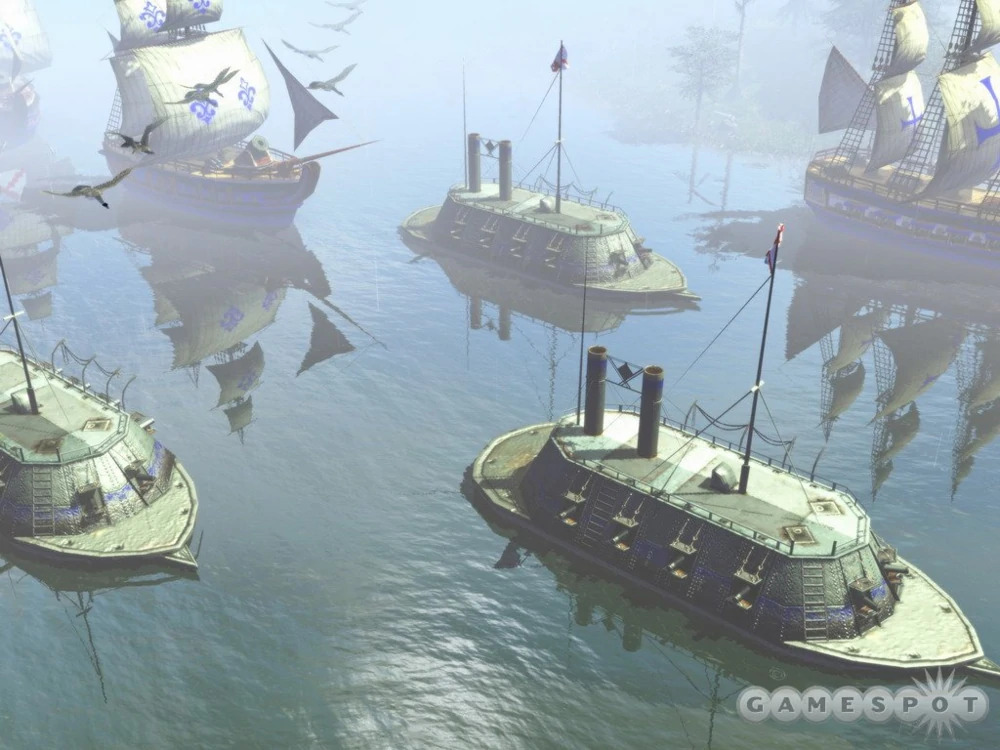
How late into the 1800s, is open to interpretation, since we get Iron Clads, Crazy Hortse (originally), Monitors (though they should be renamed to Bomb Ketchs, since a Monitor was an Ironclad with a moving turret), Gatling Guns, Needle Guns and Repeater Rifles.
Some of these elements made it all the way to WW1, but the game clearly does not go into the 1900s.
1800s is the 19th century…
Hype.

Yes, but it sounded like AoE 3 was ending with the end of the Napoleonic Wars, where it’s actually hard to set an end date for this game - at the earliest in 1850. In fact, this game could contain the Victorian Era as well.
Ohhh, I hope they will reveal the new DLCs of aoe2 and aoe3, but aoe4 looks horrendous, it will be a cashgrab for sure.
Yes, please yes!
I swear, all RTS needs, is for new content on old games. New games just do not sell as well, just look at the new Stronghold: Warlords.
The new Age Of Empires 4 looks like aoe3: kid version, I used to watch cartoons that looked like this when I was a kid, I won’t even buy it.