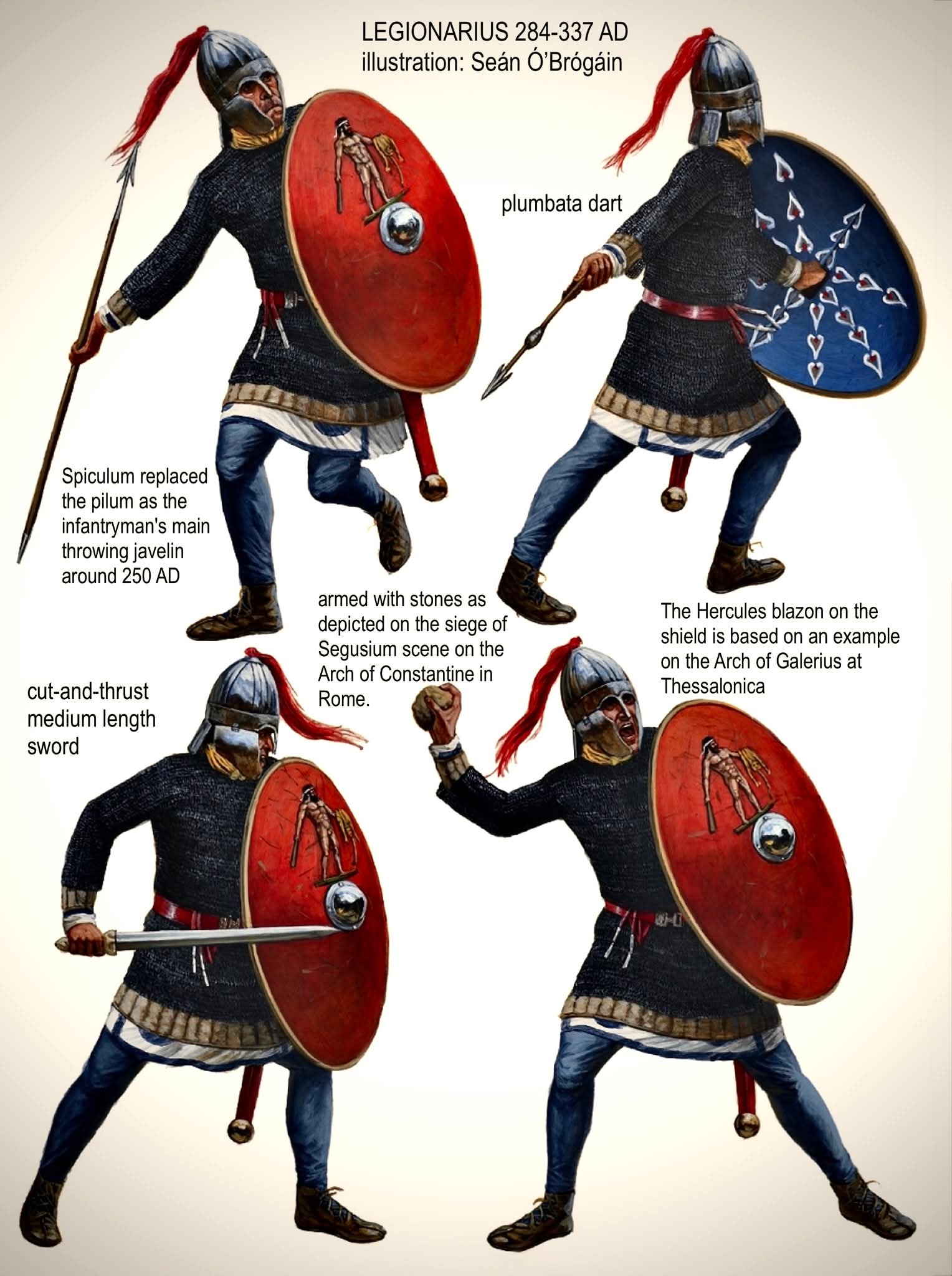
Can always “enhance” the situation by adding stuff from AoM 
4 Likes
Lol don’t give them ideas xd
5 Likes
They are not even remotely comparable, the first three (besides being factions on a short lived civil war and not unique cultures) went beyond the timeline of any base AoE2 content before (the Alaric campaign doesn’t start till 186 years later). In comparison, the Last Chieftain’s campaigns (and therefore their civilizations) are well within the timeline set all the way back in The Conquerors (which have scenarios like Lepanto, Kyoto and Noryang Point), all this without even mentioning that both the Tupi and Muisca’s civ designs also represents the cultures that were present for hundreds of years before the Europeans arrived, it’s only the Mapuche that have horses
Edit: Victors and Vanquished also includes Xie An (it was added to it at the same time as the Three Kingdoms), but that only happens 11 years before Alaric, oh and the expansion came with 3 more scenarios set after TLC’s campaigns
Oh and the Burmese campaign’s last scenario is also set after all those campaigns
7 Likes
Yes, exactly…those DLCs should have been for their respective games…
Yes, that’s true, but they still feel like strange civs within the game…
So @GentleEvening5 can you please elaborate?
Their design is weird but not the choice of the civs imho.
That’s very rude bro. I find the OG poster’s ideas unappealing, but he done nothing worth apologizing for.
3 Likes
How does this design of a Tamil civ stack up? Ideas and feedbacks are welcome.
It’s because their design is based on their AoE 3 versions, that’s why they feel strange for AoE 2…that’s why I said that…
Muiscas, mapuches and tupis are designed around c. XVIII and XIX info (muiscas not that much, but considering they are designed from historical fantasy: the campaign, the bonuses and the techs, well let’s just include them for the sake of the argument).
Ofc those people existed and were there, it’s not like they magically appeared. But the point is that aoe2 only covers up to 1600, and those civs do NOT represent what those 3 civs were at that point in time.
I don’t think they are more anachronistic than the Koreans with their turtle ships tho 
What about the Tupis and Muiscas reflect a post-European encounter design? I’m genuinely curious
1 Like
- Several of the AI player names for the Tupi refer to tribes or people groups, rather than individuals. Additionally, one of the player names is Cabelo de Velha, who lived in the 17th century, outside of the timeframe established by the Age of Empires II campaigns.
Yep, I see where you are coming from, but it well counts as part of the game timeframe as the japanese invasion of Korea takes place between 1592 and 1598.
-The ibirapema was a ritual weapon used to execute prisoners of war with a single blow during the c. XVI. It’s a weapon with a strong religious and ritualistic background. However, it started to be used as a regular weapon from either the late c. XVII or early XVIII onwards. And even that itself is debatable since there isn’t strong historical consensus on when this shift occurred. The only thing we know for sure is that it had ritual importance and execution use in c. XVI. Regardless, its inclusion as a unique unit (no less) gives off thirisadai vibes, and this unit would fit better in aoe3 due to the limited evidence supporting a clear transition timeline.
-One AI player is a c. XVII character.
-The castle doesn’t look like anything the tupis built before 1600. A better castle would have been something similar to the wonder but without the waterfall and surrounded by palisades at the base and the middle.
A now that we are talking about inaccuracy: What’s up with the civ techs? civ design, bonuses, etc?
Also, why the only civ in south america that’s famous for not having slingers and metal maces has access to inca slingers and champi? I mean, they went to the trouble to design them around generic bonuses, techs, and took liberties with the unique units, the castle and wonder, but couldn’t give them 1 unit that represented a blowpiper and 1 unit that represented a tupi war club? Or they didn’t care enough?
The same situation about muiscas and mapuches. Why do the guecha warriors, both non-elite and elite models, look like wari warriors, when they should look like a shirtless non-elite temple guard model with a cape and a spear? Why do the mapuches have inca or wari architecture, inca or wari castles, champi warriors, and inca or chanka bolas rider? When they should have their own architecture set (shared with tupis and maybe muiscas if you stretch the design liberties to add muisca columns in castle age), and they should have a fortified kuel as a castle. Why the non elite bolas rider model is a half naked inca or chanka warrior with wari war paint, and the elite model is the same but wearing a manta? it should be a laki or lekaitun warrior wearing lonko clothes and cape or maybe a toki cape. You know, like the mapuche bolas rider model from aoe3. This is what grinds my gears, Ensemble already did the job for them decades ago, but FE still messes up.
In the first place, why do tupi, mapuche and muiscas even have access to champi if they never used them in history? The worst part is that I’m pretty sure FE knows that the only civs that used champis (star shaped maces) were the waris, the chimor and the incas. The champi model from castle age uses a chimor helmet and shield, a wari champi mace and skirt, and the elite champi warrior uses inca equipment. Ironically, all the models from the champi scout to the elite version wear a toki shirt (which doesn’t make sense because the toki is the leader of the mapuche military in times of war i.e Lautaro. It’s like the grand general or grand duke in medieval europe; or the dictator in rome. It doesn’t make sense to have the toki as just a scout lol). This is probably the dlc with the most inaccuracies after 3 kingdoms in historical, art, civ design and even modeling terms.
It’d make a lot more sense if the scout line was a generic andean warrior and the last upgrade was unique for each civ: Tupis get the tupi war club warrior, mapuches get the clavas warrior, muiscas get a real guecha warrior with a spear (the model wields like the eagle warrior), and incas get the elite champi model.
Sure, I know, devs take liberties here and there, but at least the models and art make sense for the most part. There is no excuse because it’s easy to find pictures and fan concept art nowadays; and even Ensemble did it better back then when there wasn’t as much available.
To be fair hun castle is not something they would have built nor the cumans.sometimes you have to take artistic liberties when desiging stuff.
2 Likes
Yes, exactly… I agree with that…
-
Cabelo de Velha (fl. 1617–1621): Leader of the Tupinambá Revolt in northern Brazil during the early 17th century
-
Several of the AI player names for the Tupi refer to tribes or people groups, rather than individuals. Additionally, one of the player names is Cabelo de Velha, who lived in the 17th century, outside of the timeframe established by the Age of Empires II campaigns.
- The Tupi Castle appears to be based on an illustration of a typical 16th-century Tupi village by Theodor de Bry.
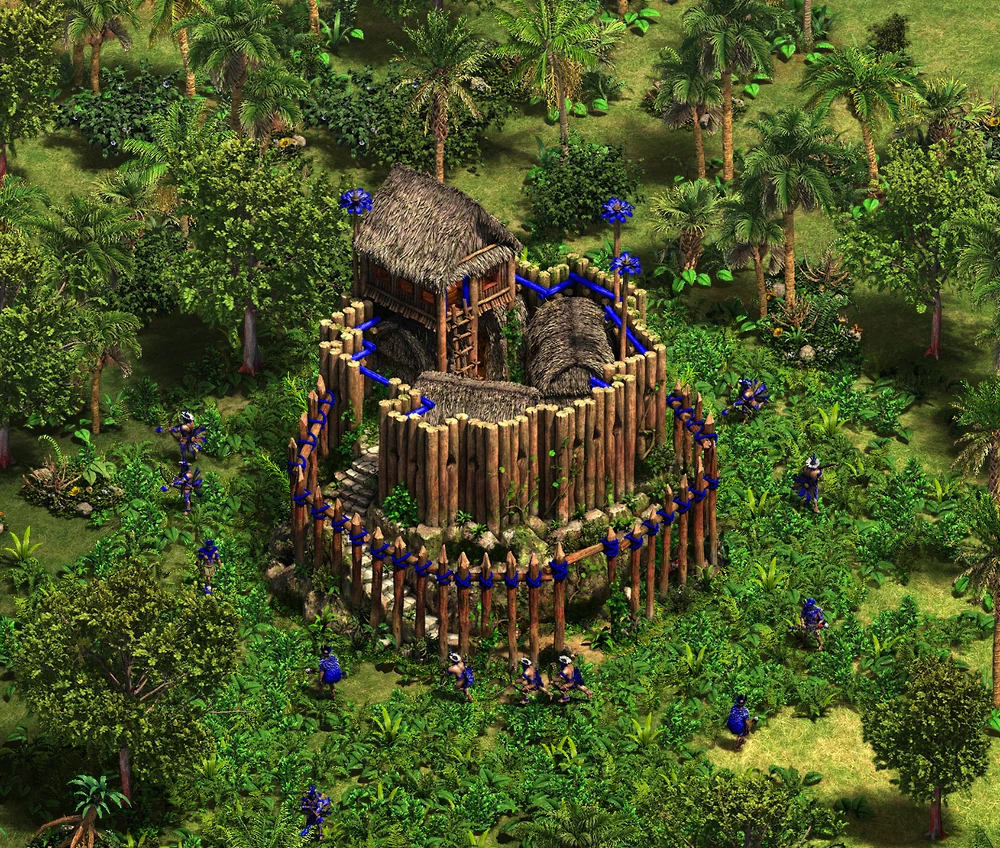
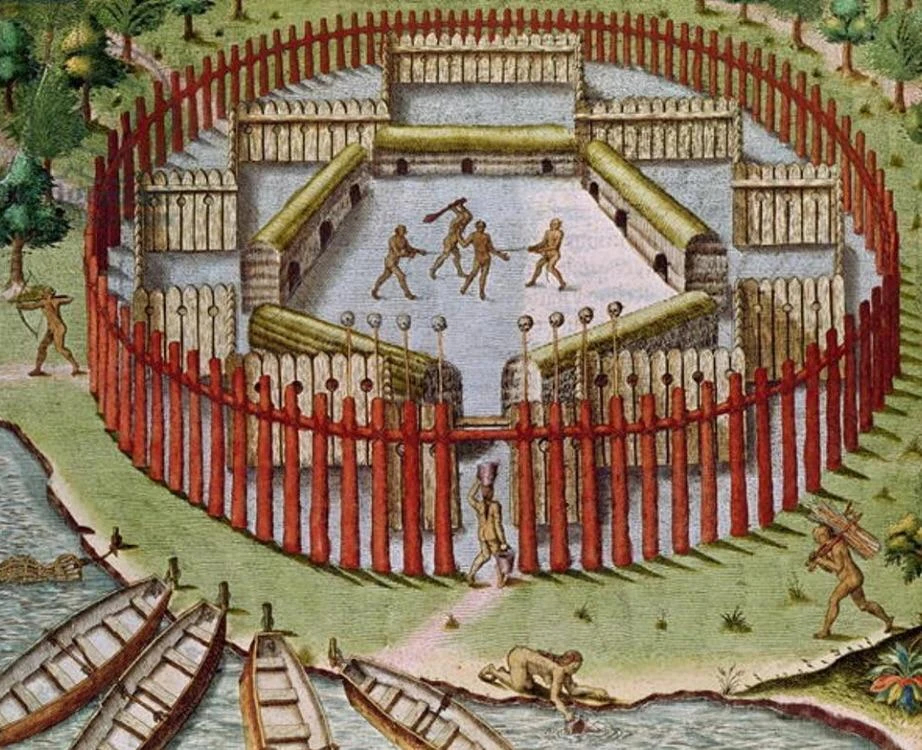
So does this imply the current game time frame is upto 1620 now?
If that’s true, then an Isokelekel campaign for the Micronesians is more or less possible, since Nan Madol was dated to be in use until 1628. However, the oral legends are supposed to take place in the 1500s, so it was arguably already within the timeline.
1 Like
Yep, I’ve seen that pic before tupis were included in aoe2, but isn’t that just a fence though? The dude was just bad at drawing. A palisade looks more elaborated and defensive, more fitting for war; maybe in a different color like reddish brown.
If this is what passes for an empire now, I don’t know whether to laugh or cry?
1 Like
Yeah, if you include the Chinese, the game would go up to 1644 (but without including the 17th century events that already appear in AoE 3)…
Yes, anything is possible…
Nor could we complain about that with civilizations in the saga like the Huns and Cumans in AoE 2 or the Lakota in AoE 3, who don’t even have walls until the 4th age and their villages are just teepees and corrals…