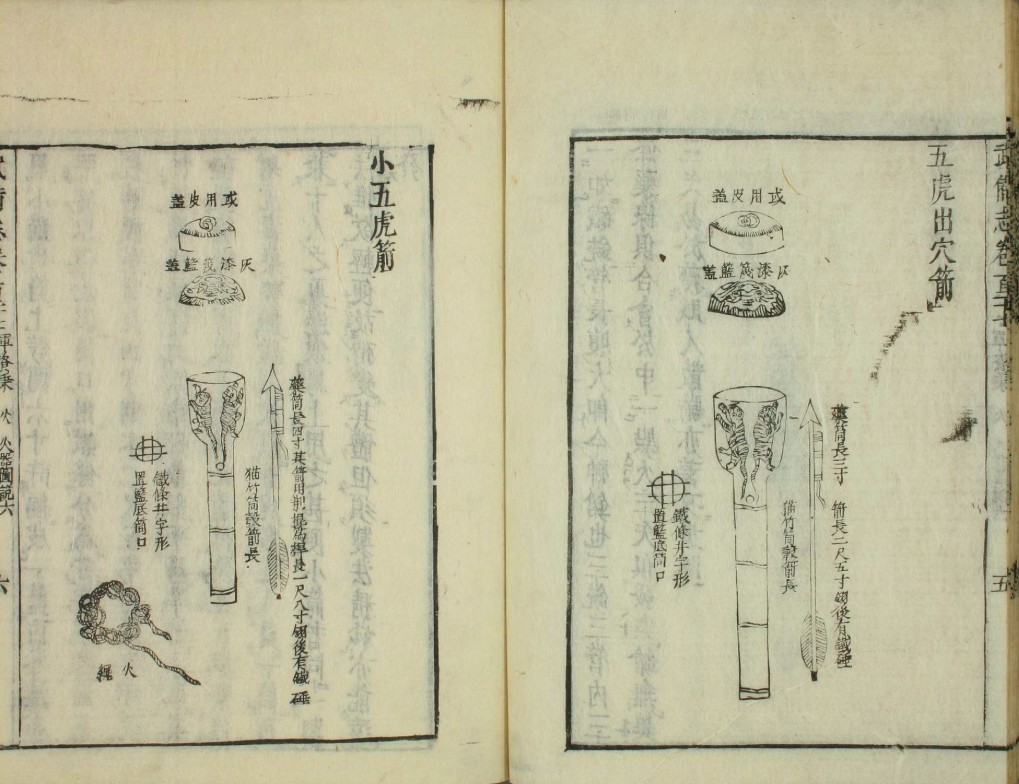
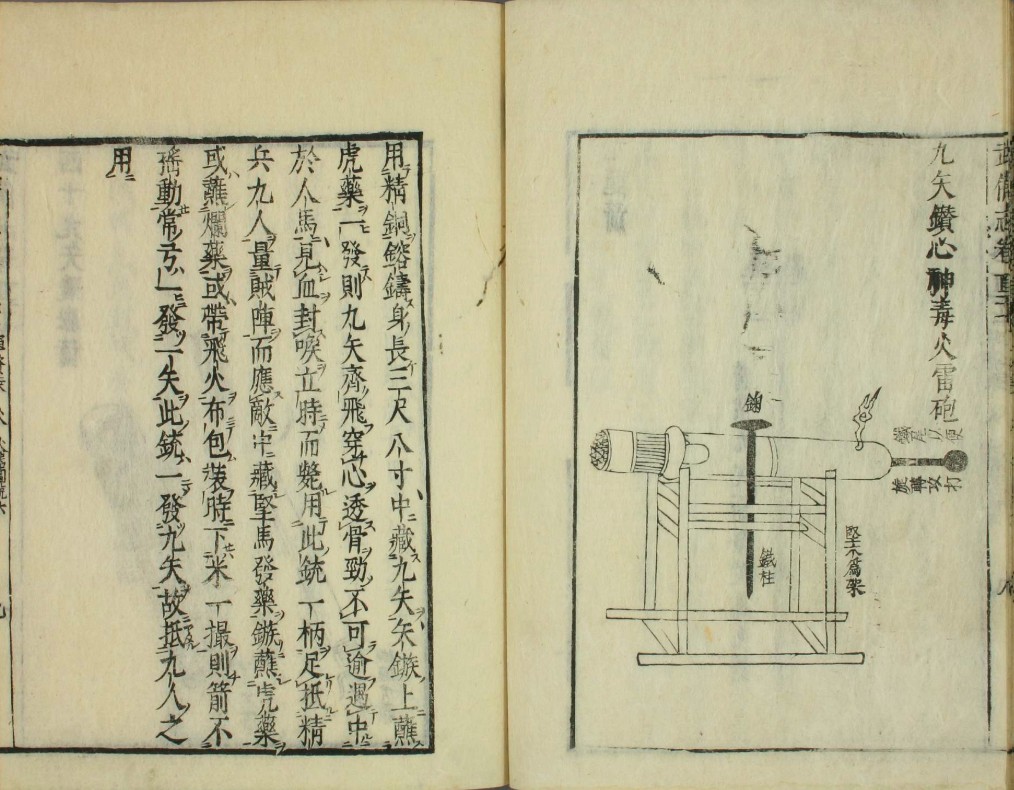
Please be informed that the entire contents of this book were written by a man named “Mao Yuanyi” during the Ming Dynasty in China, and were completed in the first year of Tianqi (1621).
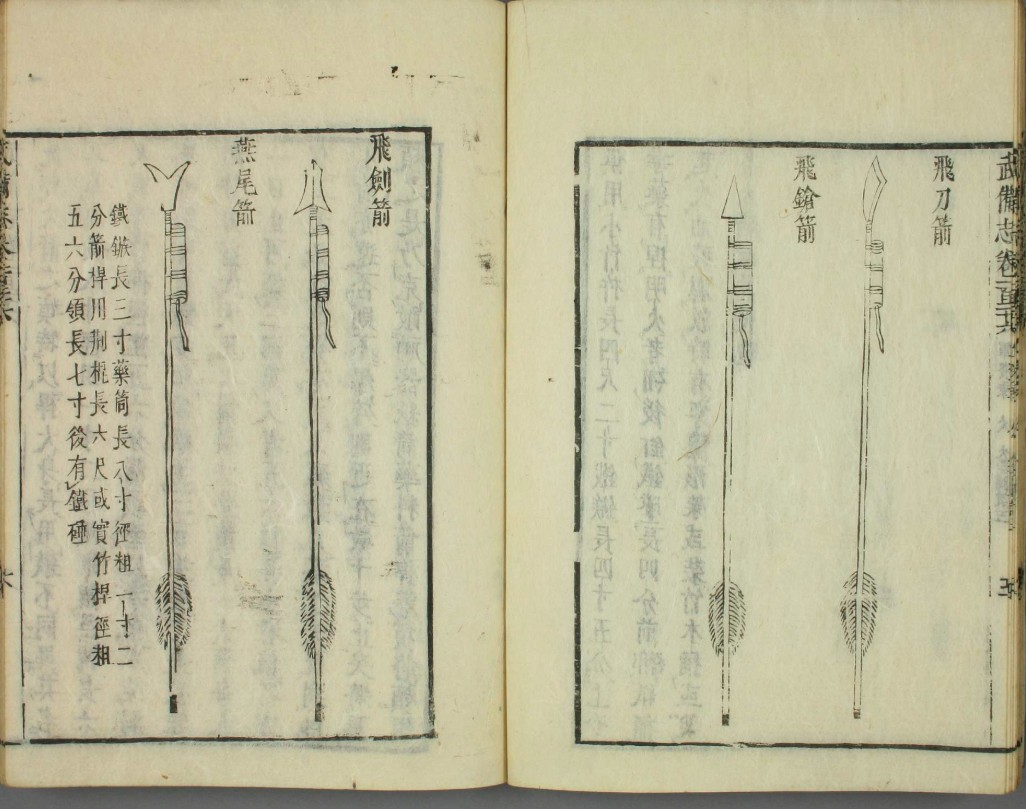
In the case of arrows, China used “shingijeon (神機箭)”, while Goryeo-Joseon used “juhwa (走火)/singihwajeon (神機火箭)” to avoid confusion in Chinese terms. However, Joseon later used the term “shingijeon (神機箭)” during the improvement process, but concluded that they were unrelated because the content did not match the Chinese meaning of “shingijeon.”
As I mentioned last time, the meaning of the term “神機箭” used in China and “神機箭” used in Joseon are different.
"神機箭"in China
It refers to the “gunpowder can” of the launcher that launches the projectile.
"神機箭"in Joseon
It refers only to “the arrow itself propelled by gunpowder”
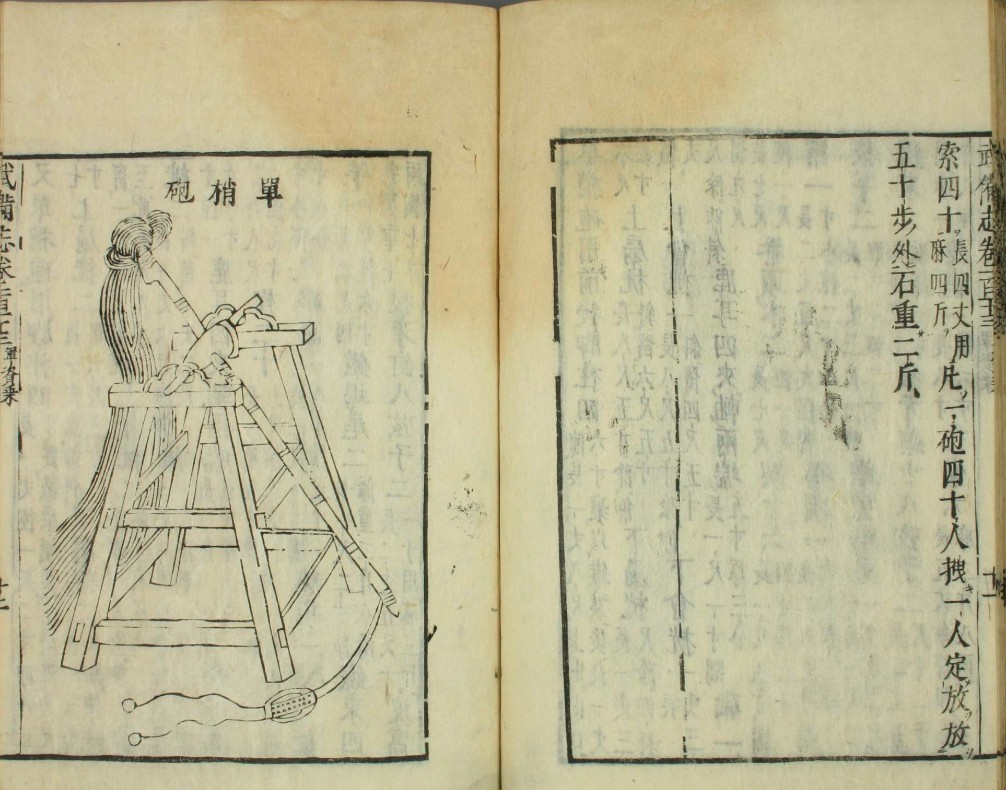
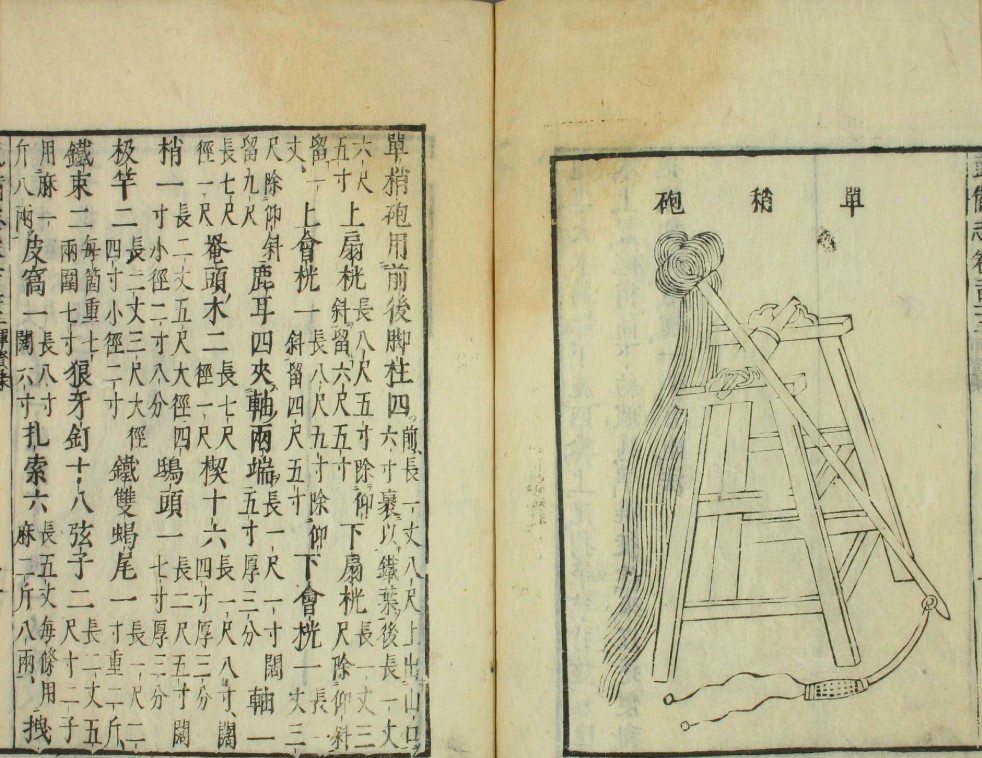
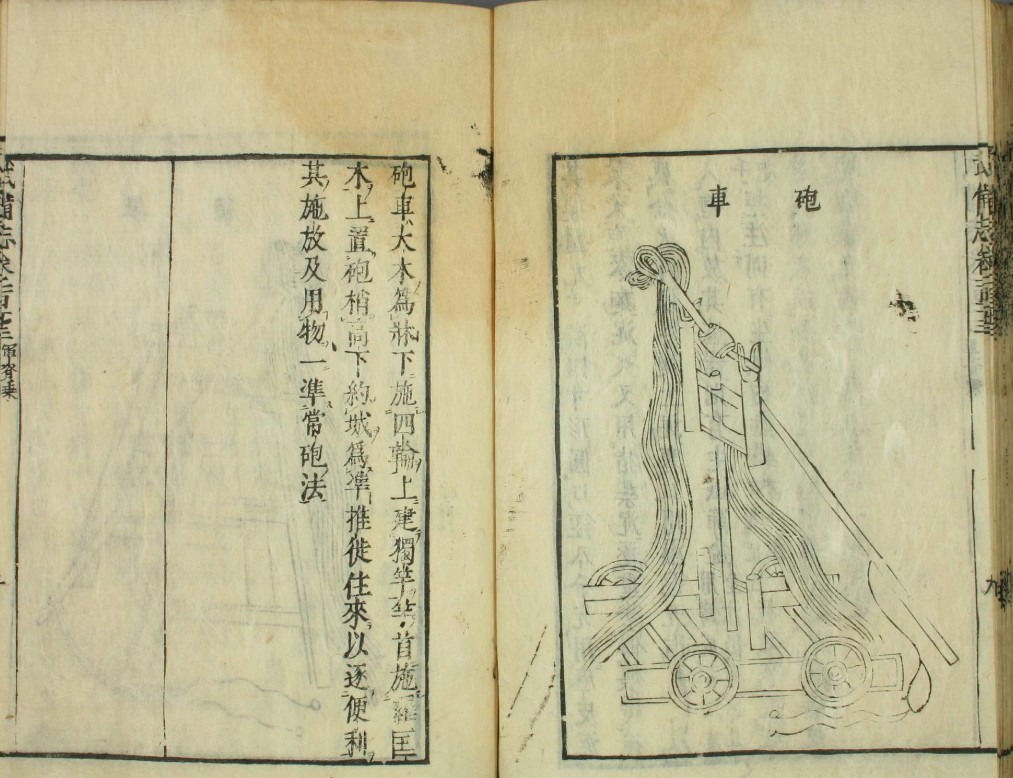
In the Chinese character cultural sphere, the entire catapult is called “砲”. Whether it’s Mangonel or Onager, in the East, Onager/Mangonel/Trebuchet are all just “砲”. The only difference is whether the first letter is “石” or “火”.
[I’ll give you a link in advance about Korean weapons. Of course, since it’s not translated into English… you might need a translator. Link to the National Orye Uiseorye Byeonggi Doseol]
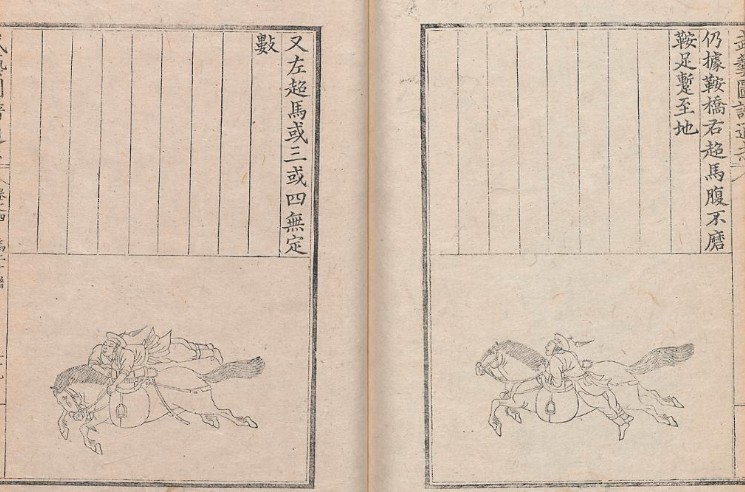
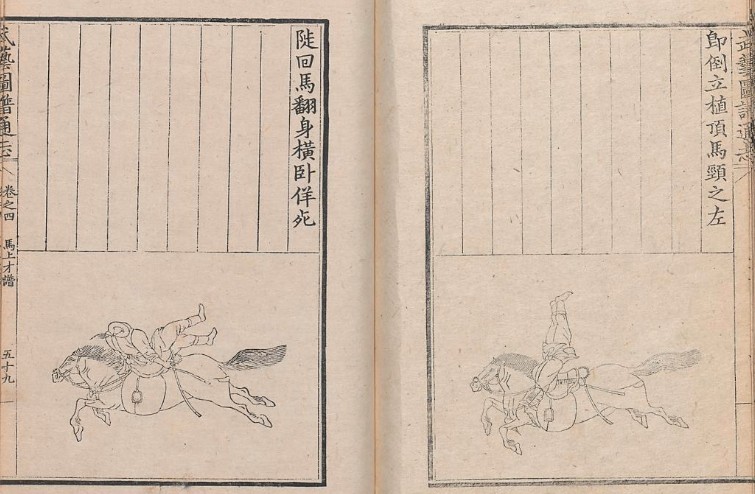
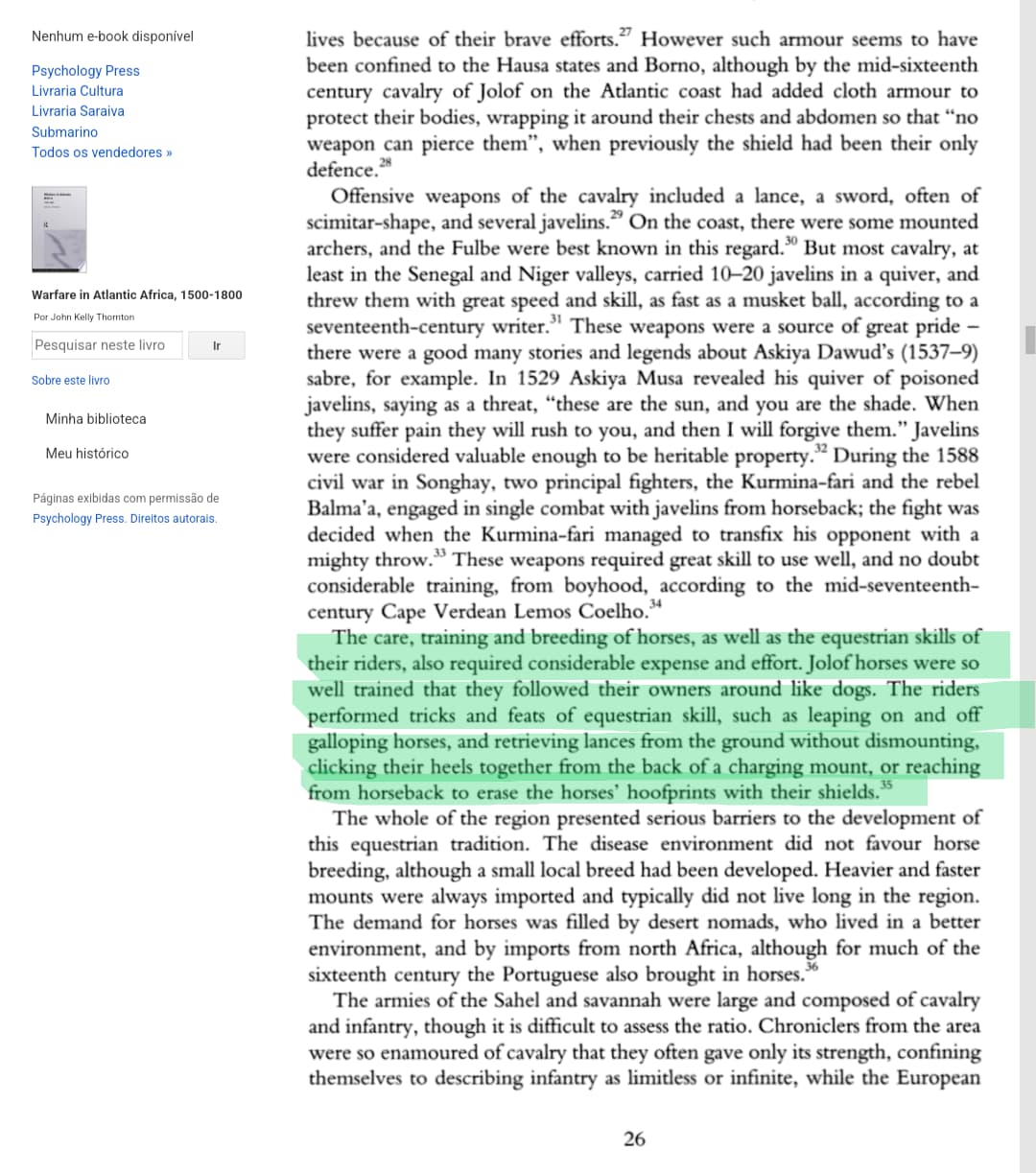
When I first saw this, I thought it was some kind of circus troupe. But then I found out that they practiced this kind of horsemanship to fight against the Jurchen people.
It is said that the cavalry of the Jurchen tribe had even more fearsome horsemanship than that. So if you didn’t learn the parthian shot, it is said that you basically couldn’t fight them. There are countless records of the parthian shot in Chinese and Korean weapon books. That’s because the Jurchen’s horsemanship was even more fearsome.
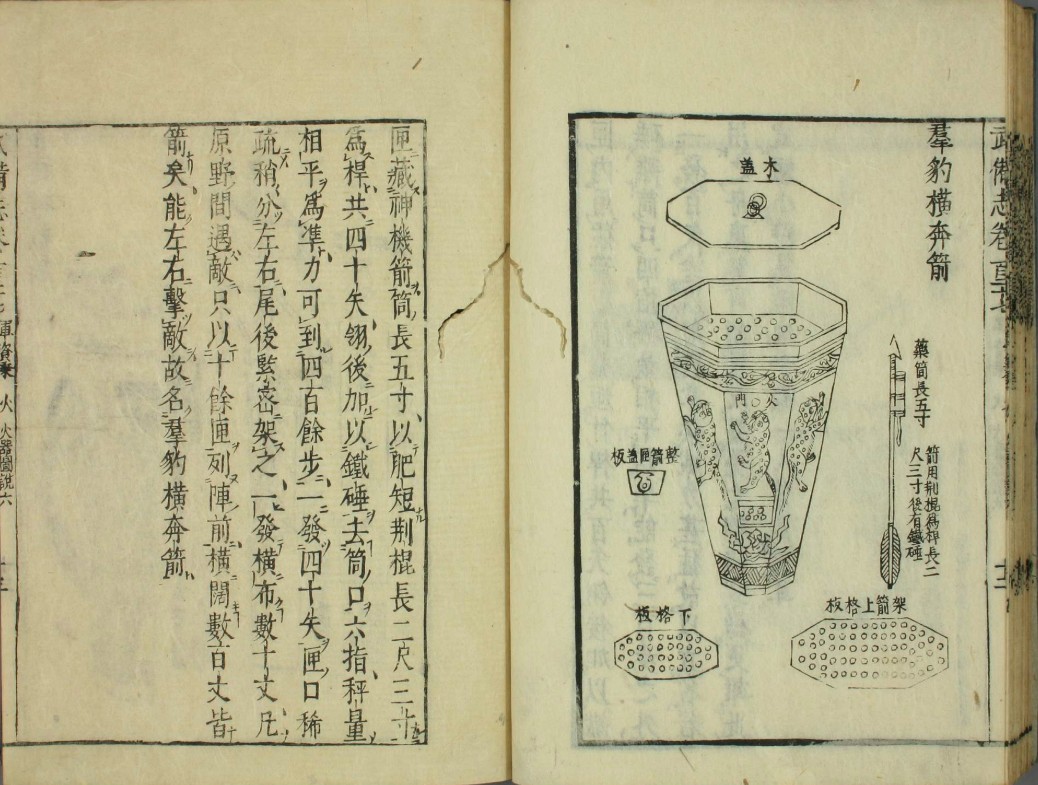
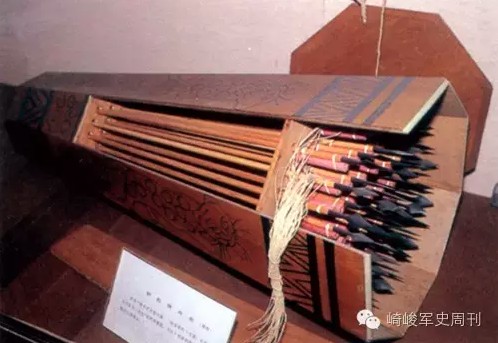
Just load 40 of them one by one, aim them at the enemy as best as you can (of course, considering the rocket technology at the time, don’t expect an accurate rate), light them, and shoot.
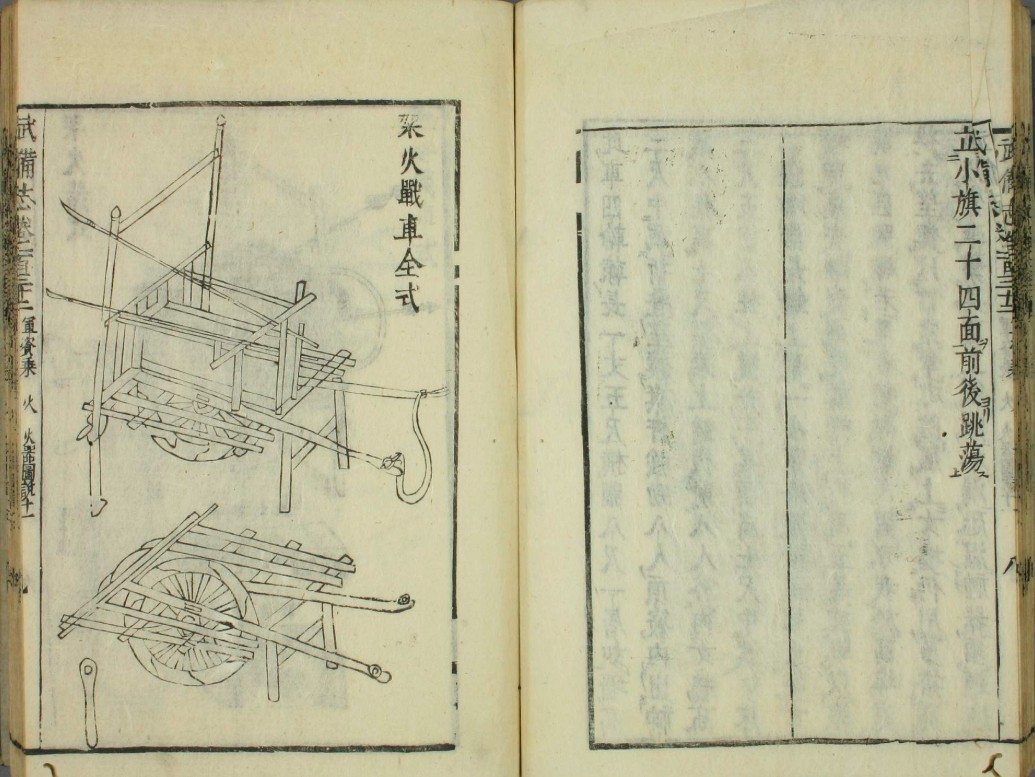
And the form shown in the photo was not one that could be carried and fired directly by a person, but was often operated by placing it on a cart + Chinese-style portable cannon + short cold weapon.
This weapon could be carried and operated by one person for up to 10 to 20 rounds. From 30 to 100 rounds, it was operated by mounting it on a frame or cart. Incidentally, it is said that there was also an improved version that fired arrows forward and backward.
I’m often asked, “Who developed the world’s first multiple rocket launcher?” I always answer like this. “The portable multiple rocket launcher (MRL) was first developed in the Ming Dynasty, and the modern multiple launch rocket system (MLRS) was first developed in Joseon.” In the first place, “a weapon that can fire multiple arrows at once” was a huge technological innovation at the time, so I really don’t understand why there’s an argument about who developed it first.
Please, stop the initial debate. At the time, just making it was the first step in the development of infinite knowledge for mankind.
I don’t think the Rampaging Leopards rocket battery was something that a person could hold and shoot, you’d have to put it on a frame or a cart before shooting.
There were personal versions of this weapon, but they tended to be smaller and had less arrows.
Good point. Yes. So it is likely that they chose to shoot up to 20 rounds by a person, and then mount it on a cart and shoot from 30 rounds or more. There was a sentence that was intentionally written incorrectly, so I will have to correct it.