Hello everyone,
Well, I’m very excited about the new Spanish unit and would like to talk about it and clarify a few things.
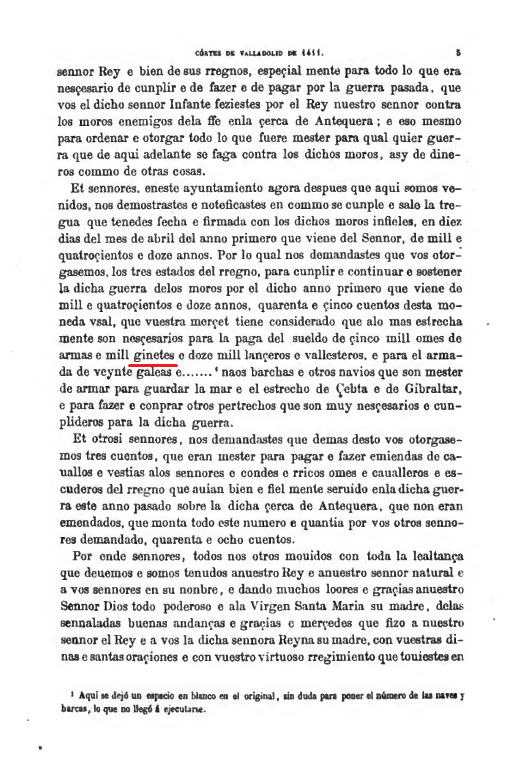
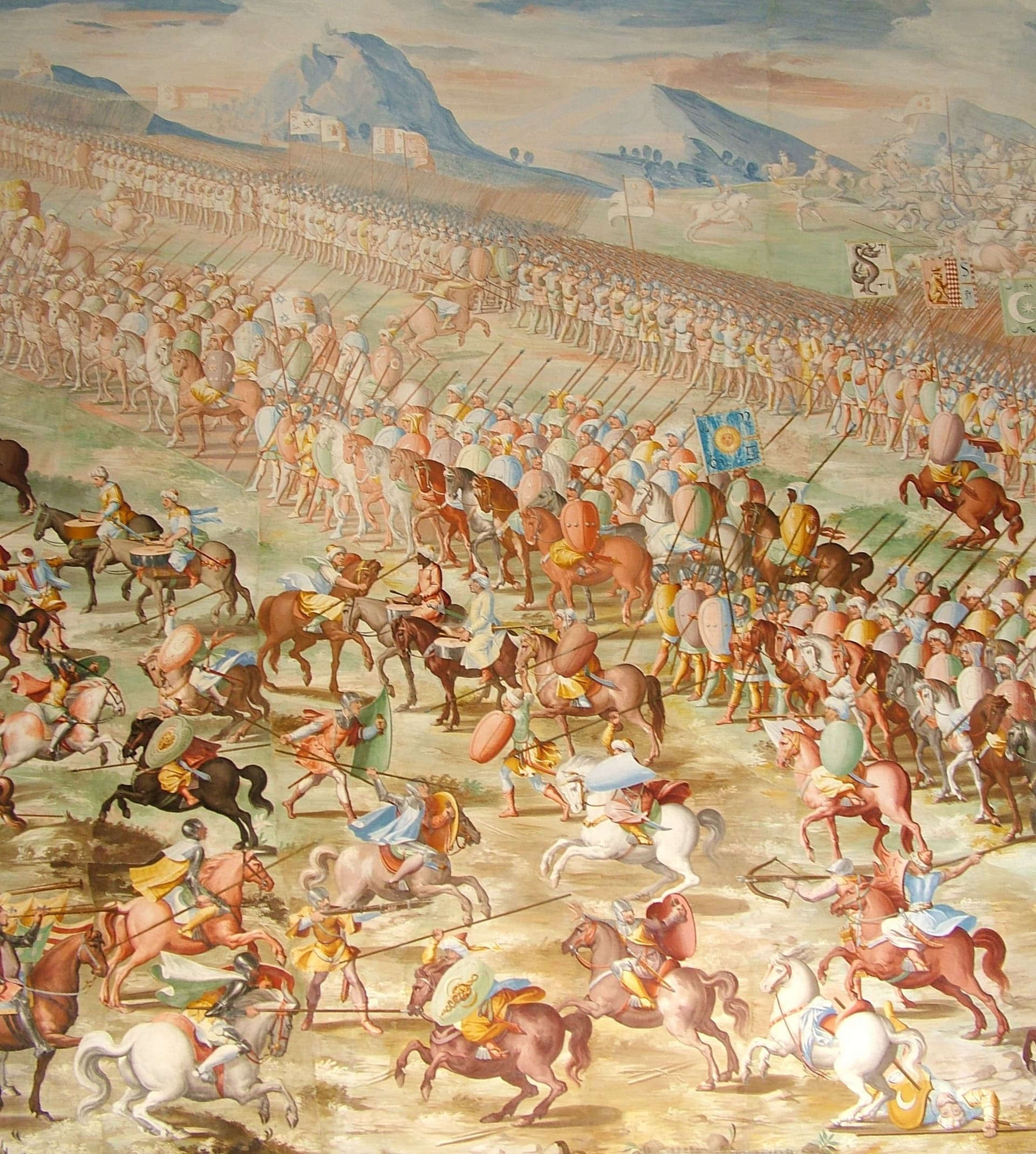
First of all, I want to clarify the misnomer being given to this unit. In all the platform posts, forums, and photos, I see that it’s been called “el jinete” (horseman), “jabalinero” (javelin-fighter), among others. “Jinete” is simply the name given to a person riding a horse. The reality is that on the Christian side of the Reconquista, there was no specialized javelin unit because the riders were of noble origin, the only ones who could afford horses and their equipment. In contrast, the Muslims had many horses, even establishing stud farms on the peninsula, eventually raising 46,000 horses. That’s why the Christians created a “hybrid” unit that would cover melee and ranged combat, called the “cavalry villana” (villano knight), or “pardo” (the latter due to the color of their clothing). This is the name that the new Castile unit should have in the game and I hope the developers do it that way, but let’s go back to “Spain” in the early 10th century to put it into context and help you understand why.
By the 10th century, the need for cavalry increased sharply due to the constant wars with the Muslims. The Christians were gaining territory and the land they gained from the Muslims and the resulting socioeconomic changes made possible the emergence of a new class of “non-noble” knights. The settlers became owners of rural lands, with which they could afford to own a horse and weapons, which they used to defend these lands as mounted warriors.
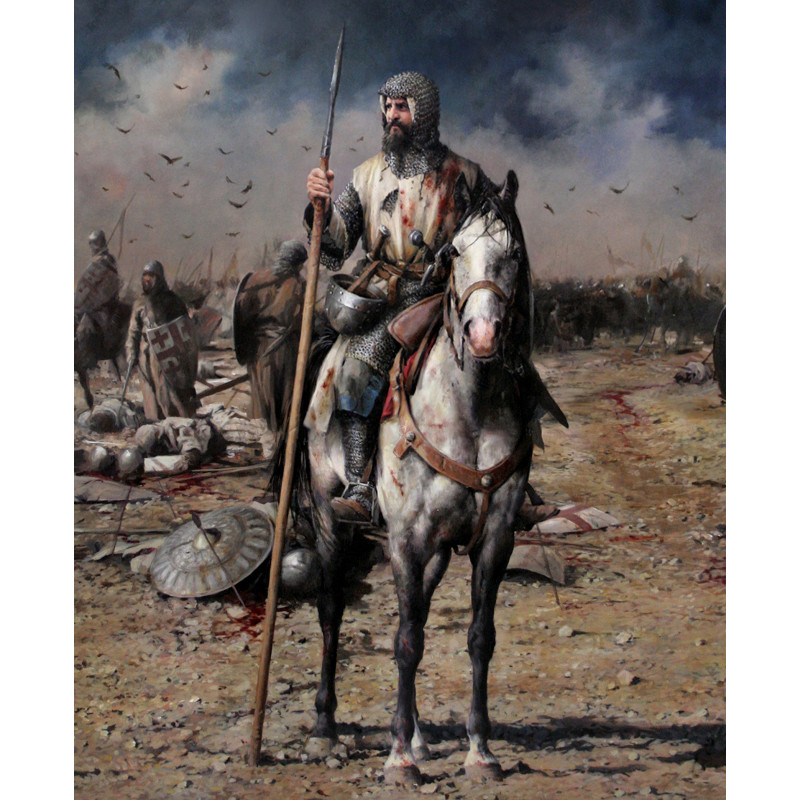
In every document, “villano” refers to a resident of a village.They were armed with a lanza jineta that attacked from top to bottom; they could also carry several azagayas or javelins.
Lanza jineta
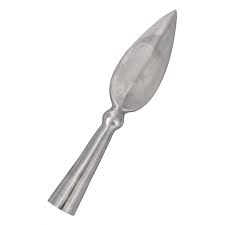

Azagaya
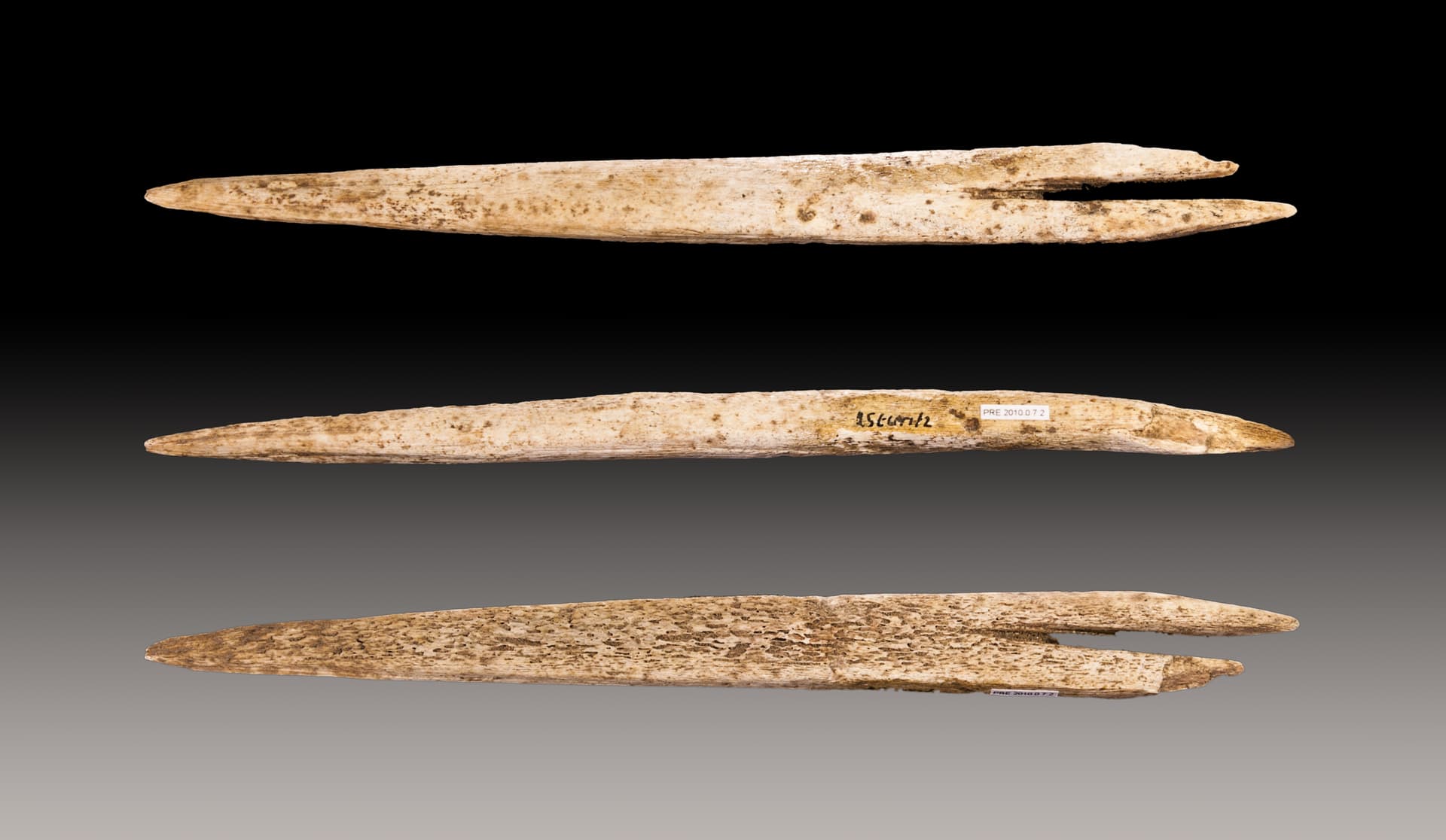
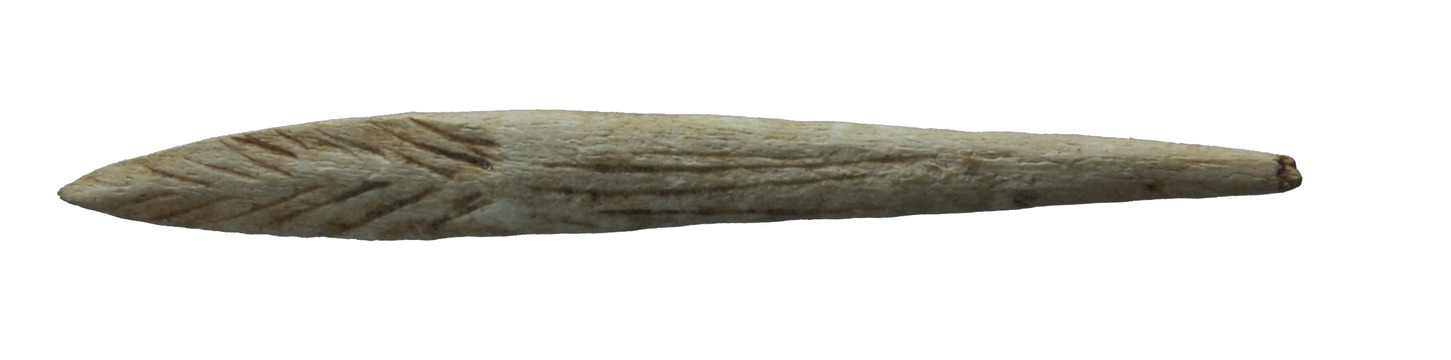
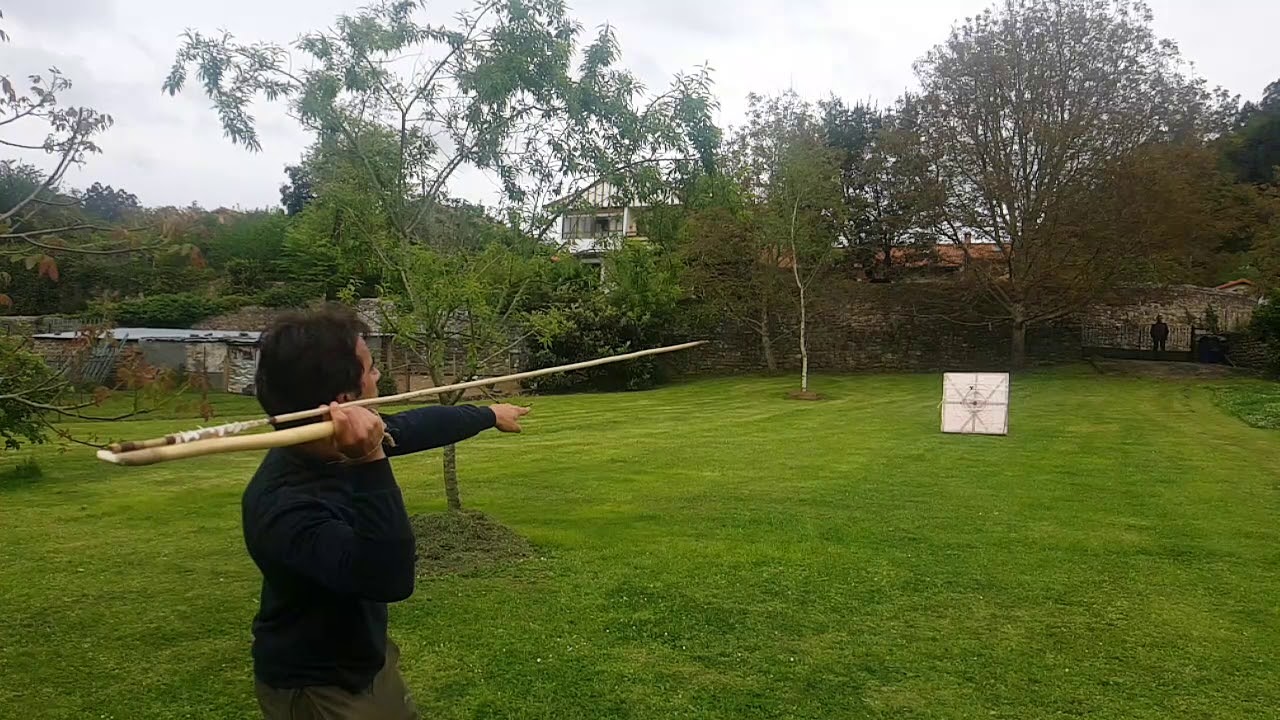
Note: “jineta” comes from the equine style of riding a horse, with the stirrups raised and legs bent to enhance agility when attacking with a short lance.
Note: “azagaya” are ancient javelins tipped with deer antler.
Therefore, a villano knight was an inhabitant of a village who owned a horse and weapons. Villano knights gained privileges and became legally equated with infanzones, the lower nobility, although of course without a title. Villano knights in the border areas were responsible for organizing the council militias when necessary.
To make this status attractive, villano knights were granted certain privileges; neither their horses nor their weapons could be seized for debt, and they were exempt from some taxes, specifically the stud tax. Even after the death of their horse, if it occurred in a war event, they were allowed a period of time to acquire another animal. They enjoyed a special legal status that reduced the penalties for knights compared to peons for certain crimes, and in trials they could demand the presence of the warden. Furthermore, the status of knight-villano extended to children and was retained by the widow as long as she did not remarry.
Regarding the helmet, chain mail with a hood began to be worn due to European influence, later evolving into a conical helmet. In the game, it is a combination of a conical helmet and a morión (a helmet worn by the Tercios from the 15th century onwards). I like that they’ve given it that distinctive touch to show that it’s Spanish.
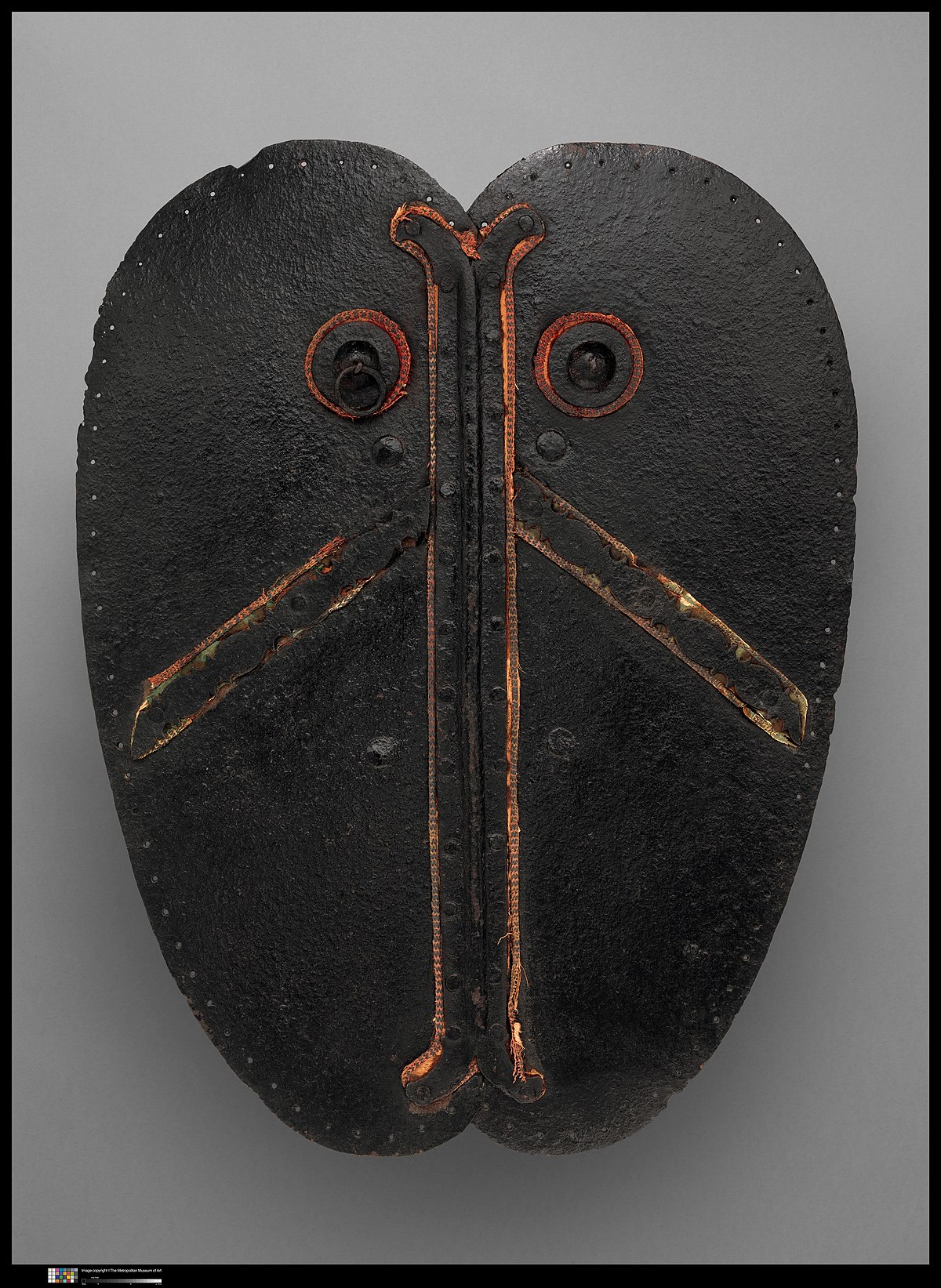
The shield was initially used in the shape of a small kite, eventually growing in size until it became a round shield. In the game, the shield is an adarga, a shield originally from North Africa and used by the Spanish from the 14th to the 16th century due to its light weight and resistance to swords, spears, and arrows. It was made of leather and shaped like a heart.
Adarga
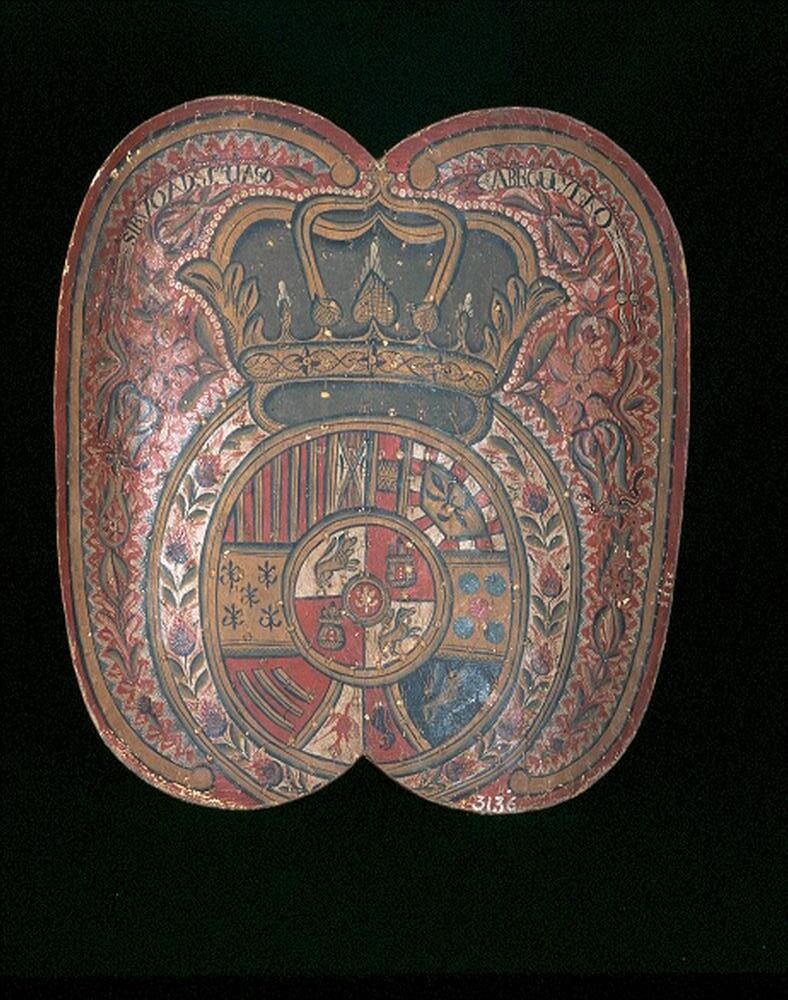
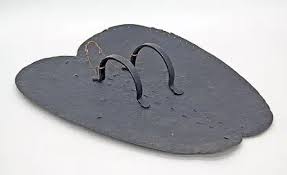
I’ve only found two sources confirming that Villain Knights threw javelins, but what is clear is that in one form or another, they sometimes threw the short lance and then used the sword. In the game, they could do both: use the short lance at range or in melee; that would be fun.
I hope you enjoyed the information and that the developers give the unit the name it deserves.
Forgive me for my written English and the corrections.
Greetings