Greetings to all forum members. For some time now, I have been publishing a series of overhauls for the classic revolutions, culminating in the recent addition of the Paraguay revolution alongside the other South American ones. In total, there are two posts where I address key topics regarding how best to manage new units and Home City cards for the classic revolutions of Latin and North America. These posts were very well received and—thanks to many of you—gained significant traction, even becoming viable options for developers to consider incorporating into the official version of Age of Empires III: Definitive Edition. I want to thank everyone who resonated with this project and offered suggestions to refine the work done on each revolution. Now, I would like to present a new project: one that has been in development for months and is finally complete. Ladies and gentlemen, I present to you the future of Age of Empires III. This project seeks to pick up where the Wars of Liberty mod left off, reimagining what would happen if all Age of Empires III nations could advance into a more modern era, culminating in the early 20th century. This new transition demonstrates exactly how this could be achieved effectively—without altering the original game’s timeline—allowing players to experience a fresh reinterpretation of their favorite civilizations. Without further ado, let’s take a look at the new features included in this transition. I hope you enjoy it and—as always—find fun details and additions to your liking. Thank you very much for supporting my posts; I hope this major project meets with your approval.
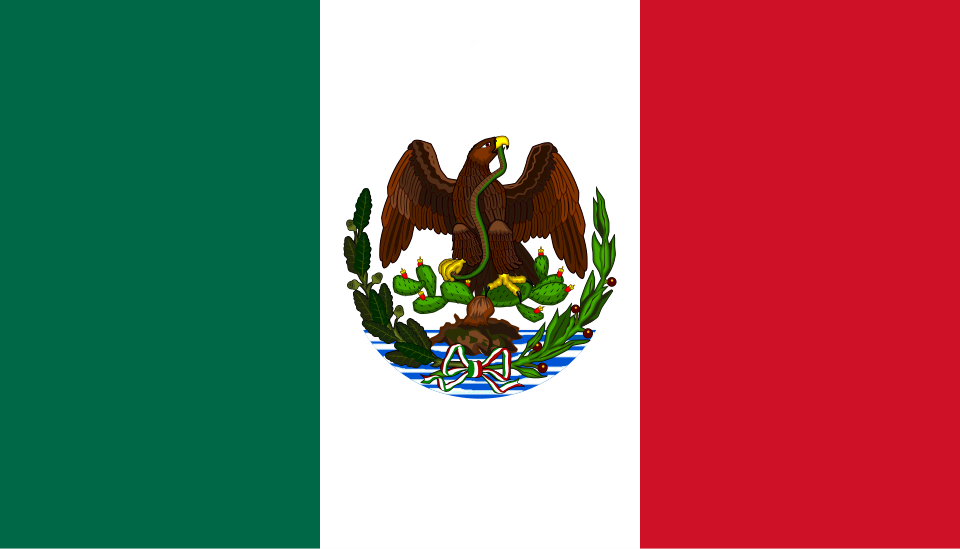
Porfiriato:
A new advance in age option for Mexico following the Industrial Age: it update Mexico to the industrial status it held in the late 19th century—a period of great technological and military advancement spanning from 1876 to 1911. In this new age, you can experience new technologies, the transition from the old Mexican army to a more modern force, the evolution of military weaponry, and new revolutionary mercenaries, as well as agrarian reforms and exclusive upgrades for local militia units. This new age advancement, available at the Town Center, is similar to Japan’s Meiji Restoration—(which is also available in the Industrial Age)—serving as a new alternative imperial age transition for Mexico. Cost: 1,500 Food / 1,500 Wood / 1,500 Gold.
All your Settlers transform into Macheteros. Macheteros are insurgents with Guard status who use a machete for melee combat and a rifle for ranged attacks. Insurgents are upgraded to Macheteros at the Barracks. Settlers upgrade to Campesinos, which can be naturally produced at the Town Center.
Macheteros
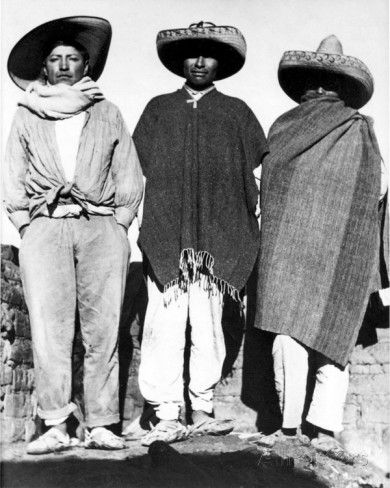
Campesinos
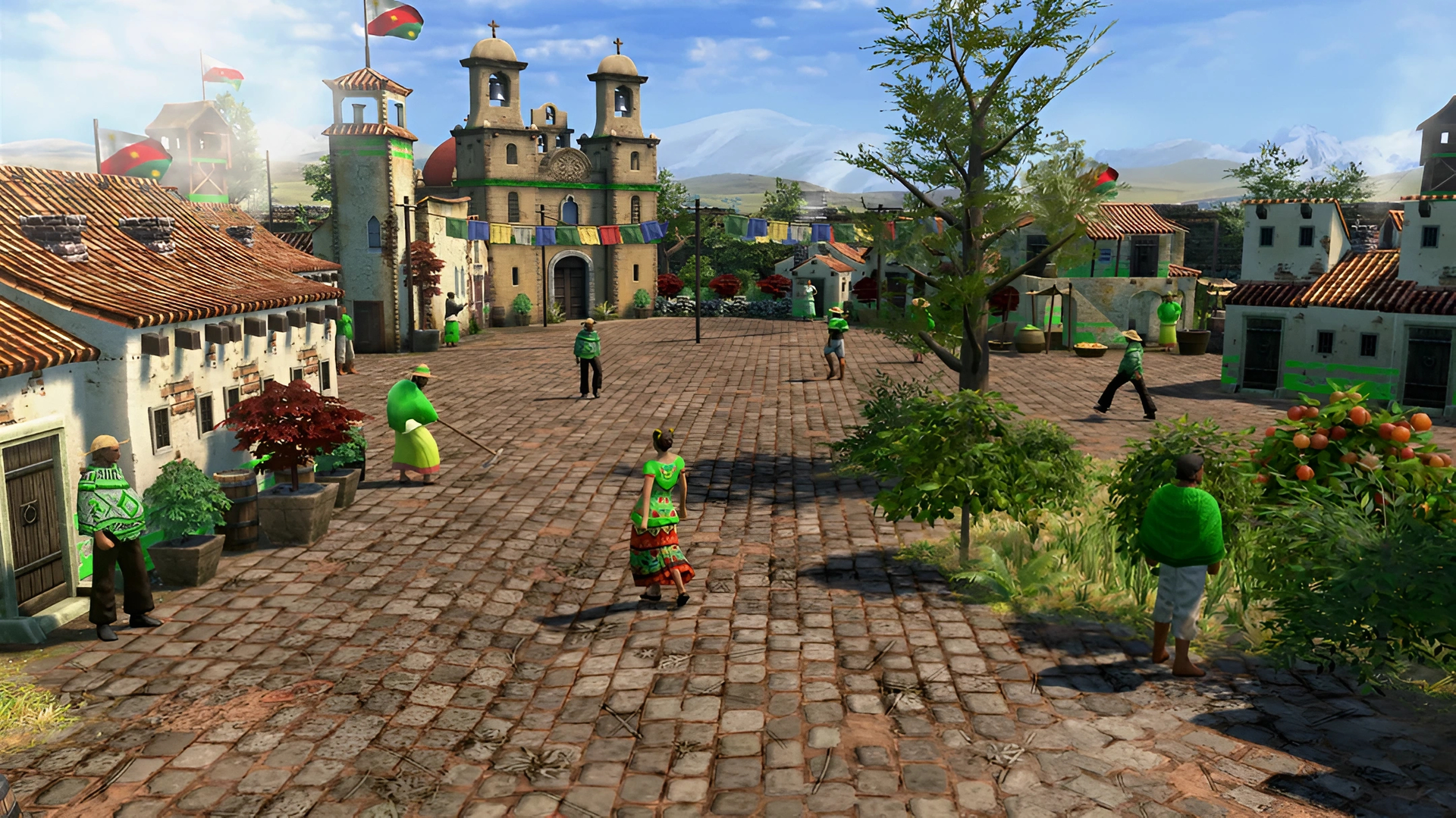

Gives a trickle of 1.5 food/sec. grants peasants +20% food gathering speed. Chihuahua Sawmills:

Grants peasants a +25% bonus to wood gathering, and enables wood gathering on Haciendas. Proaño Mine:
Sends 4 Miners and a silver prospecting wagon. Peasants gather gold from all sources 25% faster, and Miners gather it 20% faster from mines. Enables the creation of silver prospecting wagons at the Town Center for a modest cost. Spanish Immigrants:

Due to the social conflicts of the late 19th and early 20th centuries, several Spaniards decided to migrate to Mexico, providing military support to their new Mexican homeland. Deploy a squadron of 12 Imperial Tercios loyal to the Republic of Mexico. Enable Imperial Tercios at the forts. Cost: 1000 Food. Irish Immigrants:

Following the era of U.S. invasions, Mexico saw a growing influx of Irish migrants who settled in what is now the state of Sonora, where they established European-style villages. Sends 3 Irish Settlers and a Livestock Pen wagon; from the pen, you can train Irish Settlers—who grant double the experience upon creation—as well as pigs and sheep. Enables Irish Brigadier at Taverns. Sends 6 Irish Brigadier. Cost: 800 Gold. Chinese Immigrants:
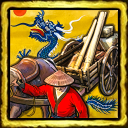
Following the Opium Wars, the Chinese Empire was left divided and devastated; consequently, Chinese peasants chose to migrate to Mexico, drawn by the recent economic and technological growth the nation was experiencing under the Porfiriato. Sends a 6* Chinese villagers* and 1 Chinese Village wagon to build a Village where Chinese villagers, goats, and water buffaloes can be produced, and where groups of sentinels and irregulars can be summoned to protect the village; if your Chinese Village is lost, the Chinese villagers can build another one. Cost: 600 Wood. National Palace:

Unlocks exclusive upgrades for the Mexican Capitol and enables the creation of Outpost Wagons, Haciendas, and military buildings at the Capitol. sends a capitol wagon.
-
- Angel of Independence:
The imposing monument adorning the streets of Mexico City grants double the experience when constructing new buildings; additionally, they gain 40% more hit points. Cost: (500 food / 400 gold).
- Angel of Independence:
-
- National Bank of Mexico:
With the arrival of foreign banking, the modernization boom is financed, and the economic momentum attracts new investment to the country. Sends 1 Bank Wagon. Banks gain 50% more hit points (they can be re-acquired at the Capitol for a modest fee, limited to one); cost: (450 gold).
- National Bank of Mexico:
-
- Tiendas de Raya:
It deposits 700 units of food and 700 units of wood directly into your reserves, but the peasants’ health and efficiency are compromised as they work double shifts to pay off the debt, resulting in a 20% loss of health points. (-20% peasant health points).
- Tiendas de Raya:
-
- Brigadier General.
-
- Cadets.
-
- Immigrants.
-
- Legendary Natives.
-
- Spies.






The state transitions from gas and oil lamps to electric lighting with the new political reforms. It grants all your buildings and units +10 field of vision, and defensive buildings receive +2.0 range. (Sends a building construction wagon). National Railway Company of Mexico:

Upgrades Stagecoaches to Trains, and future revenues improve by 60% (long live modernity!). Telegrafos:

It arrives quickly. All trading posts generate an experience flow of 0.45 per second. Send two trading post wagons. Correos de México:
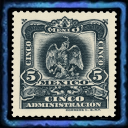
Arrives quickly. Shipments arrive 60% faster, and trading posts gain the “Shotgun Messengers” ability. Magónismo:
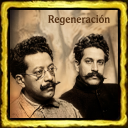
The Flores Magón brothers, owners of the newspaper Regeneración, brought new intellectual ideas—manifested through protests and social expression—to the public, thanks to the printing press. You get two free metropoli shipments. Porfiriato:

Ships 1 Factory Wagon; Factories get +100% hit points and are repaired for free; Cannery, Water Power, Steam Power, Mass Production and Imperial Cannon upgrades are free; Costs 500 food / 500 wood Fábricas de Francia:

Famous Mexican department store chain founded in Guadalajara in 1878 by French immigrants, which introduced fabric innovations to the manufacturing industry. Enables new technologies in the factories and factories operate 10% faster. Sends a factory wagon.
-
- Domestic Cotton Fiber:
Factories provide a small amount of experience in addition to resources. Cost: 500 gold.
- Domestic Cotton Fiber:
-
- Imported Outfits:
Grants +25% Health and 1.0 Ranged Armor to Peasants. Cost: 300 food / 300 wood.
- Imported Outfits:



Send a fort wagon. Forts are built 40% faster. Cannons attacking near a fort deal more damage to infantry. The General can build a second fort. Plan of La Noria:

Send 4 Outpost Wagons and upgrade Outposts to Frontier Outposts. Enables the training of military units at Outposts. Enables Salteador and Dragoons at Outposts, and allows all infantry and cavalry to be trained 25% faster. Cost 600 wood. Cananea strikes:
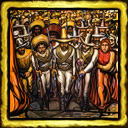
The Peasants and miners in Sonora take up arms due to poor working conditions. Attack and points of resistance increase by 15% for the peasants and by 10% for the miners. The peasants gain a rifle attack. General Díaz:
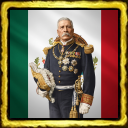
The General Díaz orders the Federal Army to protect Mexico’s borders from foreign invaders. He dispatches 10 Federal Soldiers, 8 Light Cavalrymen, 6 Vanguard Dragoons, 2 Mondragón Mountain Howitzer, and 2 Saint-Chamond-Mondragón Cannons. Cost: 2,000 gold Supreme Command:

Upgrade all your infantry and cavalry to Imperial status. (Machetero / Soldado / Vigilante / Guardia Rural / Light Cavalry / Charro / Dragoon). Cost: 4,000 Food / 4,000 wood / 4,000 gold. Mauser rifle:
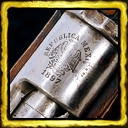
Upgrade obsolete muskets to modern rifles mauser, granting Soldiers, Salteadores, and Militia +1.0 range and +15% ranged attack. Outlaw Combat:

Outlaws and mercenaries get +15% hit points and attack Mexican Revolution:
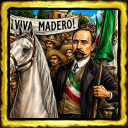
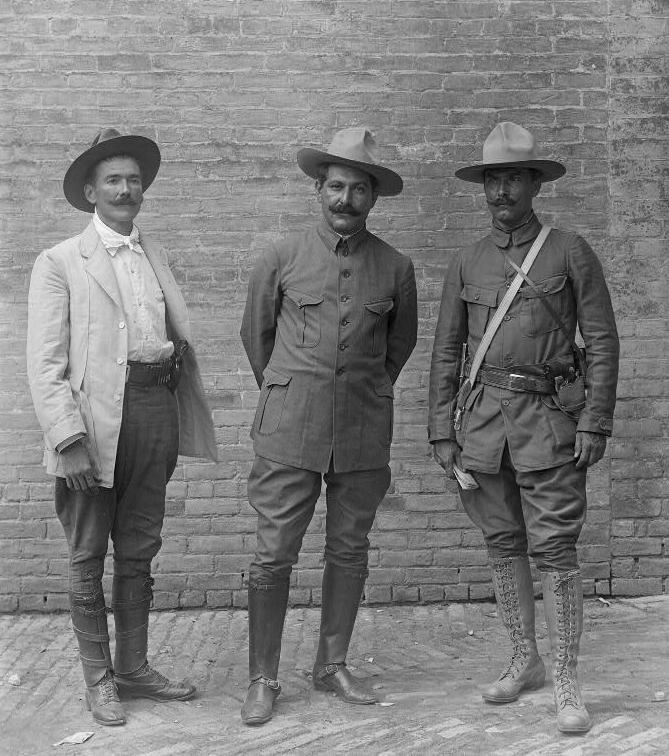
The Mexican Revolution erupts. From the south, the caudillo Emiliano Zapata rises in arms; in the north, General Francisco Villa takes up arms; and in the center of the country, General Venustiano Carranza rebels. Deploy 8 Zapatistas, 8 Carrancistas, and 6 Villistas. Enable the Zapatistas, Carrancistas, and Villistas at the tavern, replacing your former Mexican outlaws. Cost: 1,500 gold.
Zapatista (replaces the Bandido)
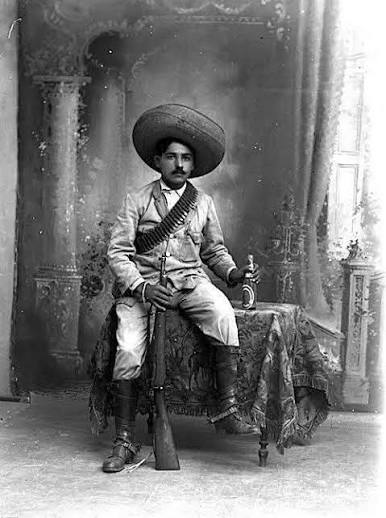
Carrancista (replaces the Desperado)
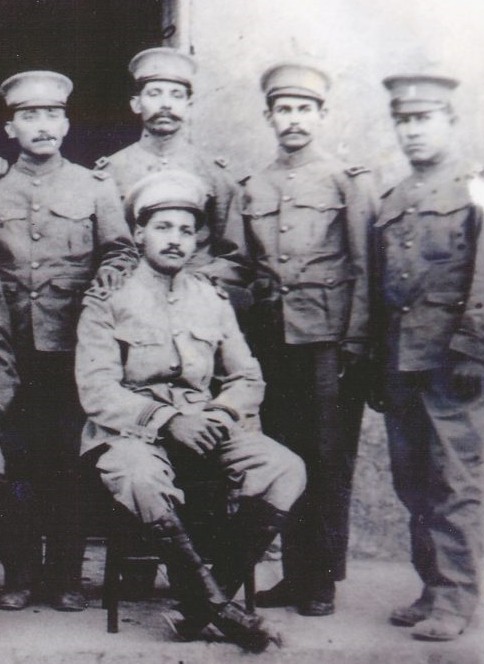
Villista (replaces the Cuatrero)

The Guardia Rural was the Mexican police force that maintained order in the country’s various cities from the late 19th century through the early 20th century. This force was established in 1876, during the early years of the Porfiriato. The force faced heavy criticism for employing unorthodox methods to uphold justice on Mexican soil; its members wore dress uniforms and were heavily armed—if a thief tried to escape, they would not hesitate to shoot at point-blank range. Upgrade your Militia in Town Centers to the famous Guardia Rural. The Guardia Rural boasts 15% attack and 15% more health points, as well as a bonus against buildings, and It no longer loses health points. Enables them in urban centers and forts. The cost to train the Guardia Rural is 60 food and 40 wood. Send 12 Guardia Rural units.
Guardia Rural

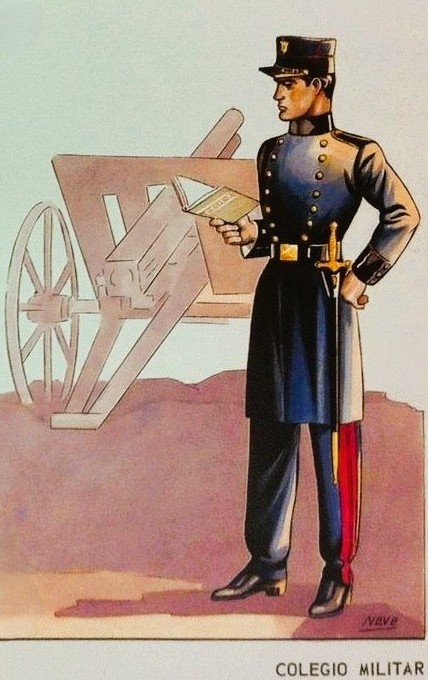
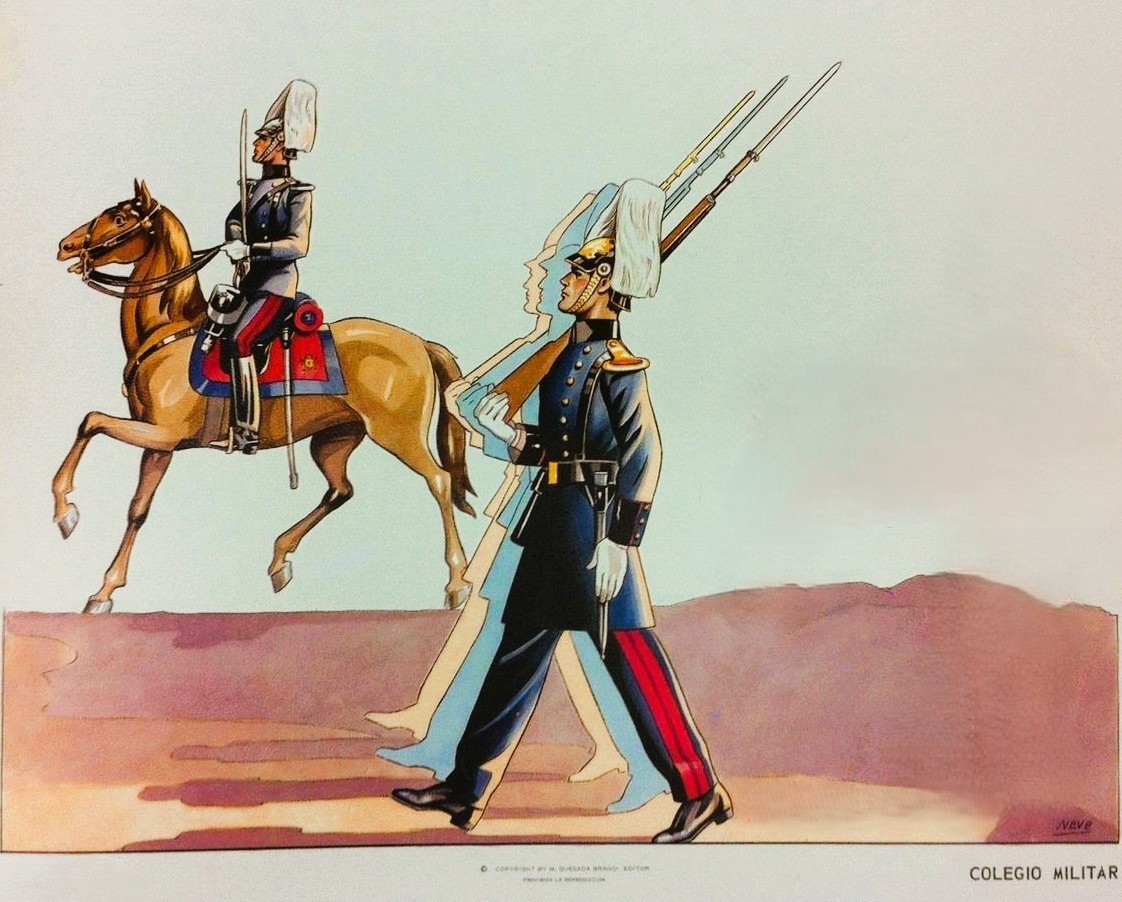
Upgrade your Soldiers to Federal Soldiers, which are produced faster and cost fewer resources (cost changed to 60 Food and 45 Gold). The grenade-throwing ability has been removed; new saber attack ability counters cavalry. Upgrade Salteador to Cadets, which have 15% more hit points and a range of 1.0. Ship 6 Federal Soldiers and 6 Cadets.
Federal Soldiers
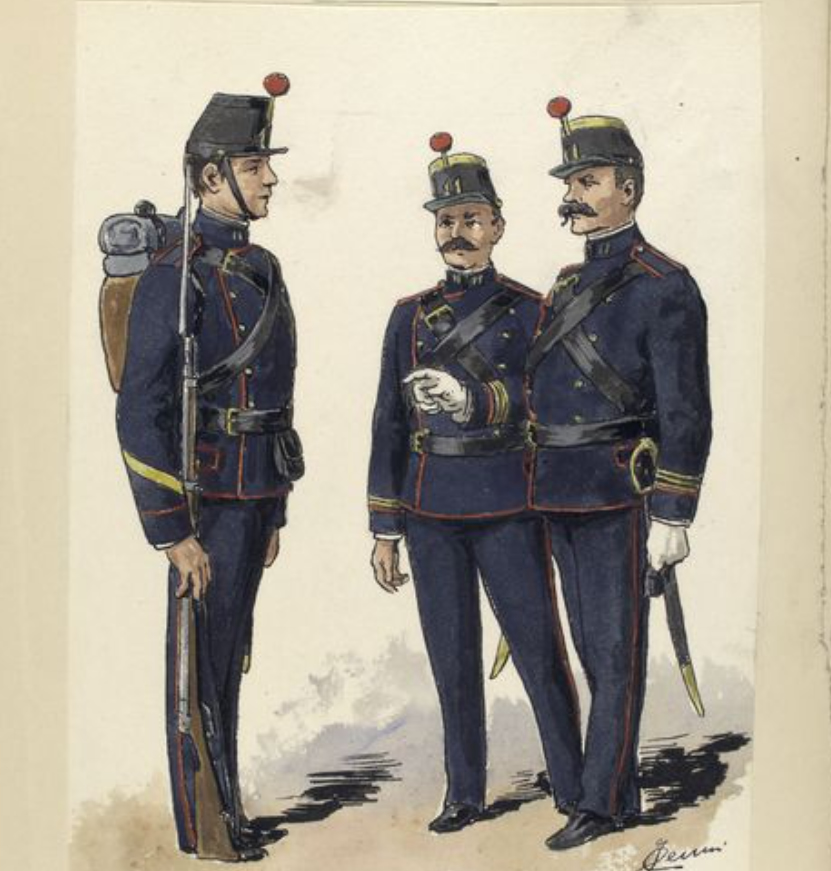
Cadet

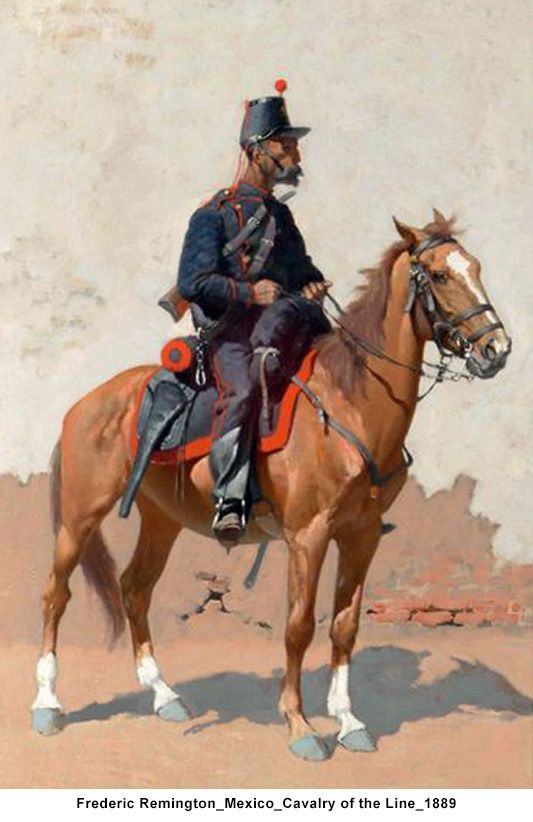
Enable The Light Cavalry at the Stables; this new unit is 5% faster and features a saber charge attack. Upgrades Dragoons to Vanguard Dragoons, which offer +20% melee attack and +2.0 range. Ships 5 Light Cavalry units and 5 Vanguard Dragoons.
Light Cavalry
Vanguard Dragoons

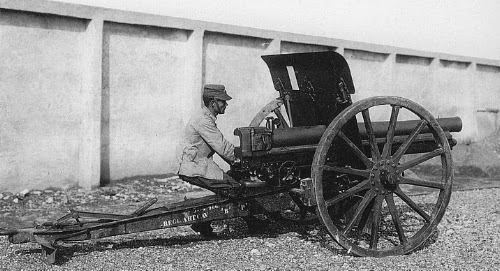
Due to U.S. incursions into national territory and American expansionism in the late 19th century, Mexico commissioned Artillery General Manuel Mondragón to manufacture modern cannons to counter the U.S. military. General Mondragón became the father of modern Mexican military weaponry after creating the lethal Mondragón cannon, which featured technology ahead of its time. Upgrade all your cannons to modern cannons at the Artillery Foundry. Sends 2 Mondragón Mountain Howitzer and 1 Saint-Chamond-Mondragón Cannon. Cost: 700 Gold.
Mondragón Mountain Howitzer:
A powerful cannon that replaces the old falconets. It features +20% attack, +15% health, and +5% speed.

Saint-Chamond-Mondragón Cannon:
Flagship Cannon featuring mechanical parts imported from France; it replaces horse artillery and culverins. It boasts +25% attack, +10% health, and a 3.5 bonus against artillery.
Mondragón Mortar:
A legendary Mexican mortar capable of shooting down aircraft. It features a +30% attack bonus against buildings, +15% health, and +5% speed. Mortars of this type used at Salina Cruz shot down several American reconnaissance and scout aircraft in the early 20th century.

Following the expansion of Spanish colonial forces into native territories in Sonora during the 18th century, the Yaqui tribe held a council with the region’s most important tribes to form an alliance against the Spanish; this resulted in the unification of the Yaqui confederation and the establishment of the eight traditional villages. Send a native embassy to ally yourself with one of the three native tribes of Sonora: the Yaqui, the Mayo, or the Cucapá.

Yaqui people:
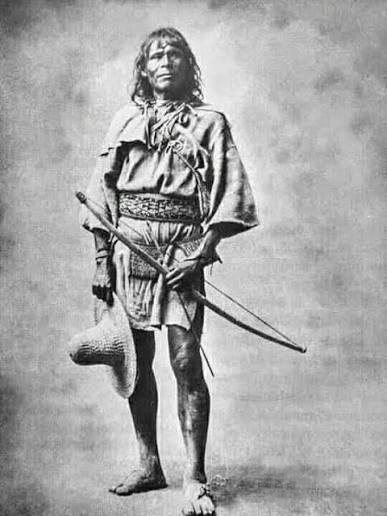
Originating from the Altar Desert in Sonora, the Yaqui tribe settled in the Sonoran valleys, establishing regional hegemony through their ceremonial and martial prowess and occupying vast territories across northern Mexico and parts of the United States. A deeply spiritual people, the Yaqui live in harmony with nature, expressing this bond through music and ceremonial dances—most notably those performed by the renowned Maaso dancers. Years of foreign encroachment drove this peace-loving people to rise up against Spanish colonialism; this sparked a fervent indigenous nationalism that culminated in the Yaqui Rebellion, during which they evolved from simple bow-wielding skirmishers into a force that traded for firearms and seized horses to level the playing field against the Spanish conquistadors. Ultimately, the tribe was never conquered, and they have endured to the present day. Yaqui settlements:
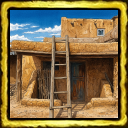
Increases the limit of Yaqui warriors you can create, and they are created 25% faster. Pascola Masks:
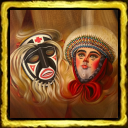
Maaso Dancers immerse themselves in the arts of shamanism; donning their masks, they gain the ability to heal units through their dances. The Maaso Dancer can now slowly heal military units while performing these dances. Traditional Garments:
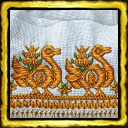
Yaqui Warriors receive +15% health points and 1.0 melee armor. Border Trade:

Yoeme Archers and Rifleman gain +15% ranged attack and +1.0 range.
Yaqui Units:
Maaso Dancer:
Yaqui Dancer who, through his ritual dances, grants an aura that increases movement speed and an aura that boosts resistance to gunpowder attacks (muskets and cannons).

Yoeme Archer:
Yaqui archer that is effective against infantry.
Send more Yoeme Riflemen; the longer you wait before using the ability…
Yoeme Riflemen:
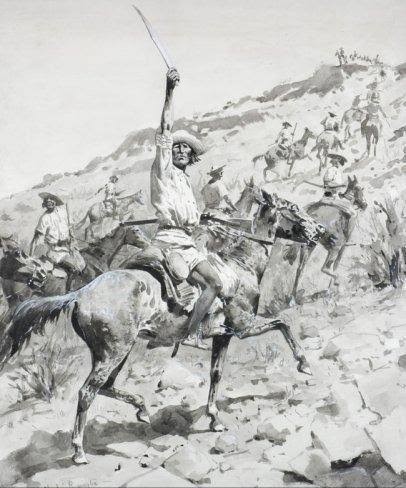
Mounted rifleman who can use a machete to counter enemy cavalry.
Mayo people:
Hailing from southern Sonora, the Mayo tribe was a pioneer in agave extraction and the production of aguardiente (a type of agave spirit). This tribe was more peaceful than the Yaqui people. Their society was centered on agriculture and farming; the Mayos were the first to establish a robust mixed economy based on the agricultural sector, the garment trade, and aguardiente production, enabling them to prosper as a nation. Among their most significant contributions to the tequila industry is the creation of the iconic Sonoran spirit known as Bacanora; with a history spanning over 300 years, it stands as one of the oldest alcoholic beverages in the Americas. Mixed Economy:

Yoreme peasants gain a +20% gathering bonus for all resources. Agave Cultivation:
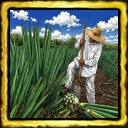
Yoreme peasants generate gold by gathering resources from the haciendas. Capomo Flower:

Yoreme peasants and the Garroteros can heal slowly. Indigenous Insurgency:
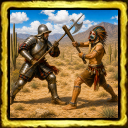
The Garroteros gain +20% attack and move 5% faster.
Mayo Units:
Yoreme peasant:
Native peasant who can gather any resource and raise deer. Uses a rifle to defend against raiders.

Garrotero:
Yoreme Warrior who uses a club to attack enemies; he benefits from attack promotion upgrades.
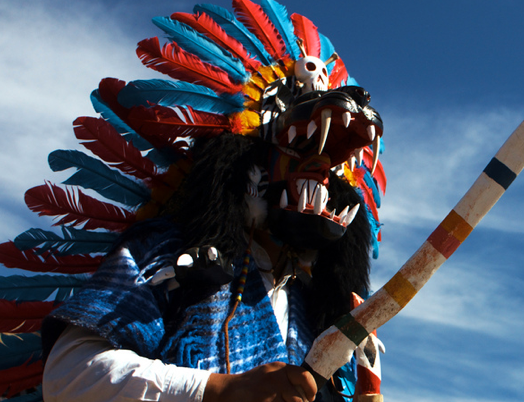
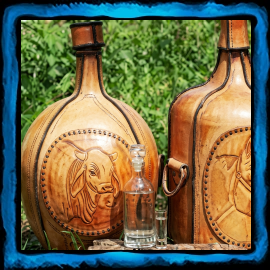
Yoreme Warriors intoxicate themselves with Bacanora, entering a trance state in which they feel no pain for a brief period; enemy damage against the garroteros is nullified when the Bacanora trance ability is used.
Cucapá Nation:
Originating from northern Mexico—specifically the areas now known as Mexicali, Tecate, and Sonora—the Cucapá nation referred to themselves as the “People of the River.” Their seat of power, or indigenous capital, was located along the banks of the Colorado River Delta, where they established a magnificent network of cultivated fields irrigated by the river’s waters. This agricultural system was complemented by their legendary fishing practices using canoes and rafts crafted from tule reeds—techniques the Cucapá pioneered in Baja California—as well as the production of handicrafts for trade with other tribes. In the 19th century, the Cucapá nation mounted fierce resistance against the Mexican government to protect their heritage and lands, joining forces with other Yuman tribes from the Tijuana, Ensenada, and Hardy River regions. Ultimately, however, superior military force and the use of modern firearms rendered their resistance futile, forcing them to cede a large portion of Yuman territory to the Mexican government. Yuman Crafts:
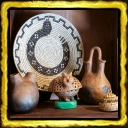
Yuman tribes share their knowledge of clay craftsmanship to foster Indigenous trade; native trading posts slowly generate a small amount of experience. Altar Cucapá:

Cucapá native warriors refund a small portion of their cost when they fall in battle. Rio Colorado Delta Fishing:
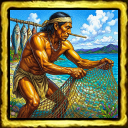
Xawitt Rafts gain +25% fish and whale harvesting speed, as well as +15% attack. Aljaba:
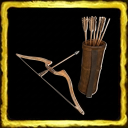
Cucapá Archers gain +20% attack and +5% attack speed.
Units Cucapá:
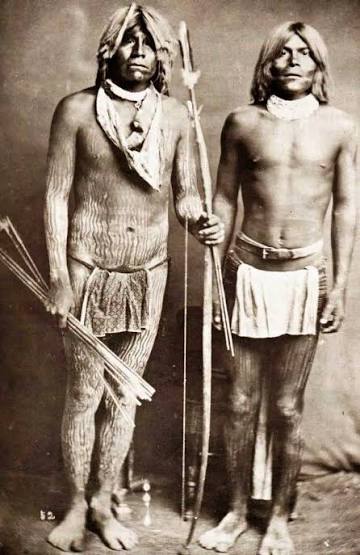
Cucapá Archer:
It has a bonus against infantry.
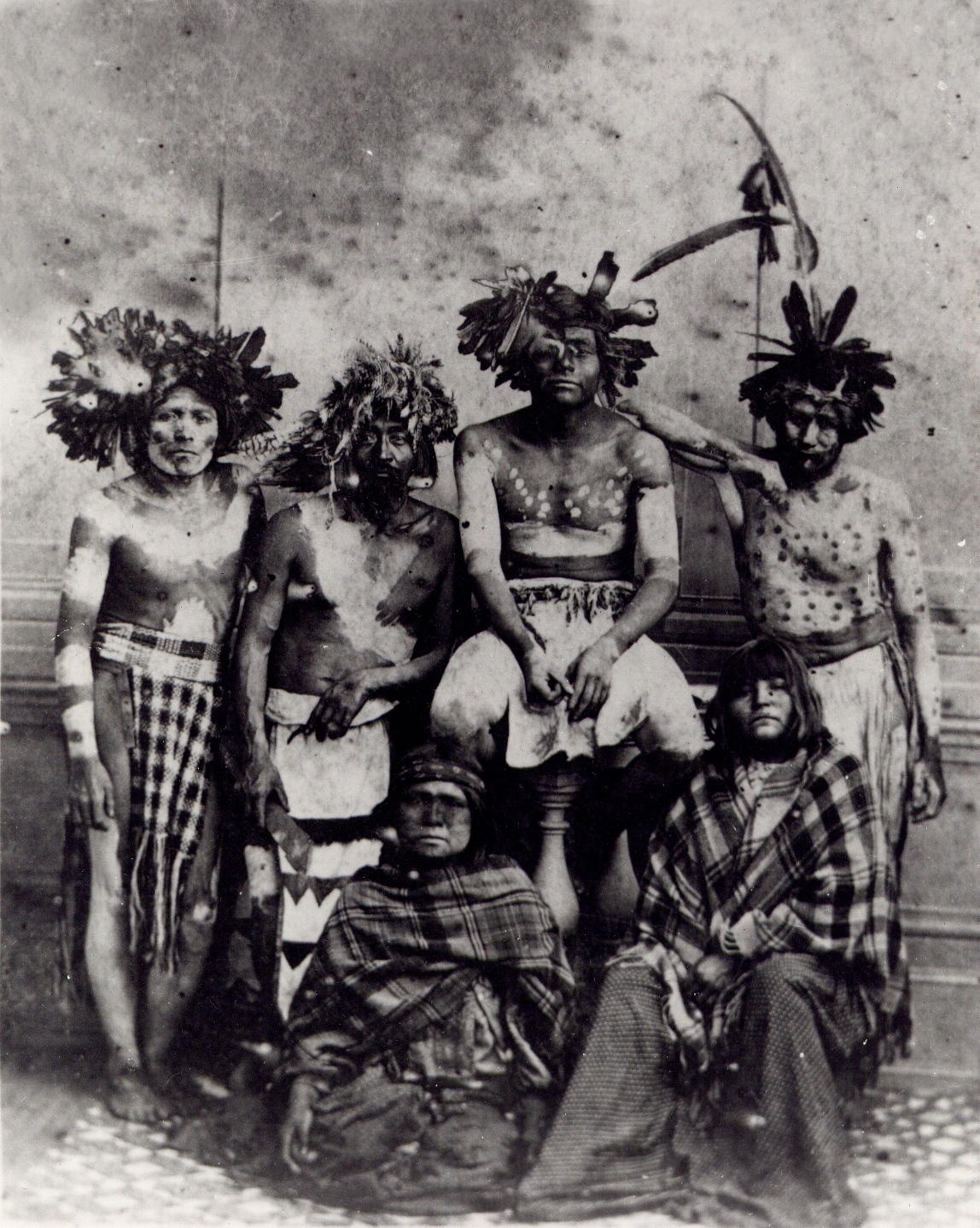
Kumiai Lancer:
It has a bonus against cavalry.
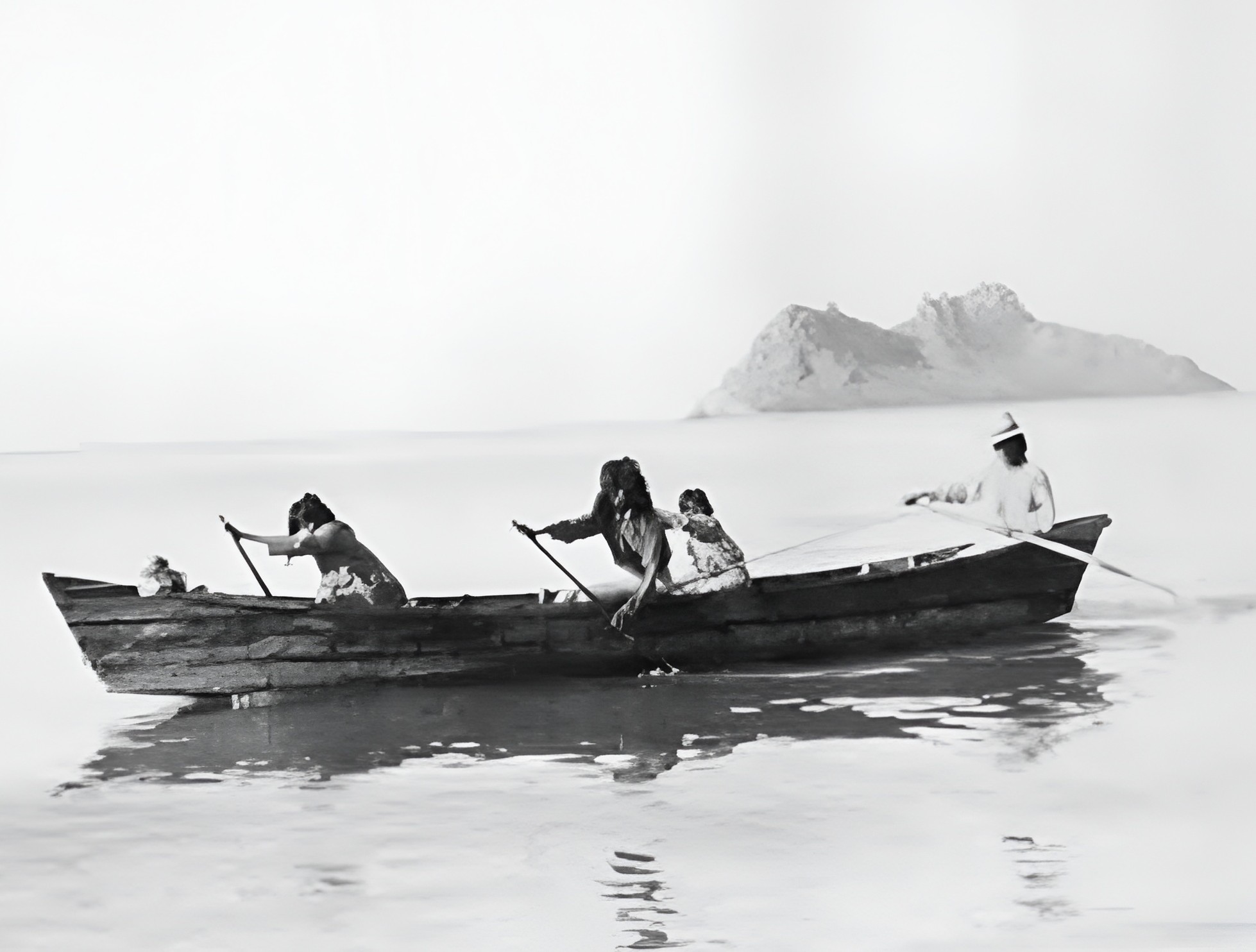
Xawitt Raft:
A lightweight raft that gathers food from fish and gold from whales faster than a fishing boat, and also features an arrow attack against ships.
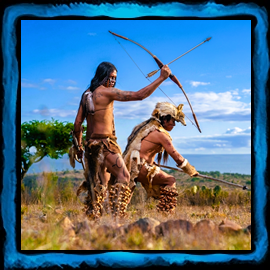
Significantly boosts the attack and defense of Cucapá warriors in combat, and allows them to deal double damage to buildings for a short period of time.
