Viceroyalty of Peru
Unlike Mexico and the United States, this civilization begins with a 16th-century theme and progresses through the different ages by means of cities belonging to the Viceroyalty of Peru, rather than using federal states.
The civilization begins in the First Age with a Cathedral, similar to Mexico’s. Upon advancing to the Second Age, the player must choose one of five major cities:
-
Lima
-
Potosí
-
Santiago
-
Bogotá
-
Asunción (It also has the option to advance to the Third Age, like Buenos Aires)
Each city represents an important region of the Viceroyalty and provides a different Native settlement when advancing to the next age, giving the civilization different strategic possibilities from the beginning of the game.
Flag
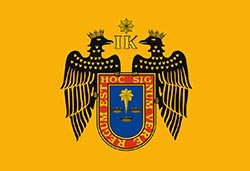
The idea for the flag is to use the coats of arms of the main cities of the Viceroyalty, starting with the coat of arms of Lima and changing it as the player advances through the ages and chooses new cities.
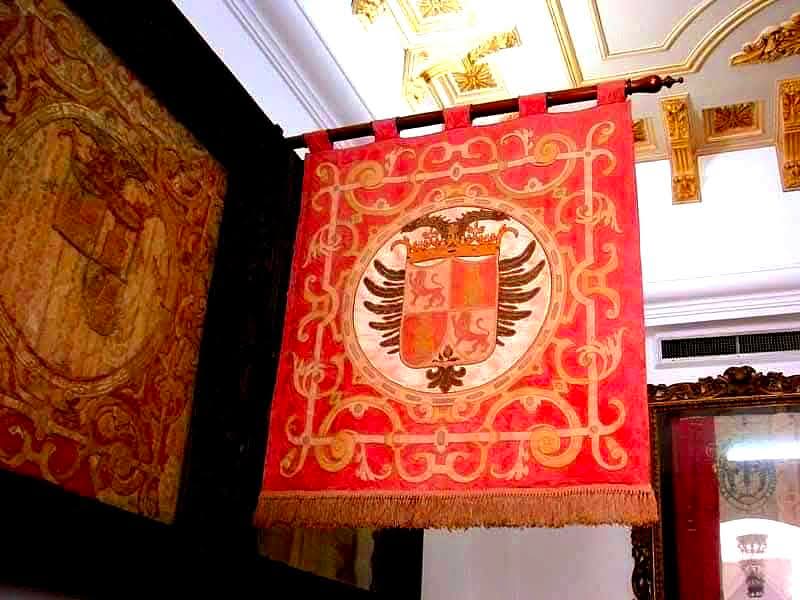
Another option would be to use the banner of Francisco Pizarro, although it may be too detailed to work well as an in-game flag.
Buildings
1. Cathedral
The civilization begins with a Cathedral, which functions as one of its main buildings. At the beginning of the game, the player can choose between different religious orders, each providing unique benefits and units.
-
Jesuits: allows the player to train missionaries and keep up to a maximum of 15 conquistadors in the Cathedral. Conquistadors cannot be upgraded to veterans.
-
Franciscans: allows the player to train a Catholic priest, similar to the one used by the Aztecs and Incas. This priest can work at the Plaza Mayor to activate its benefits.
-
Dominicans: allows the player to train missionaries and keep up to a maximum of 15 veteran rodeleros in the Cathedral. Rodeleros cannot receive any further upgrades.
2. Plaza Mayor
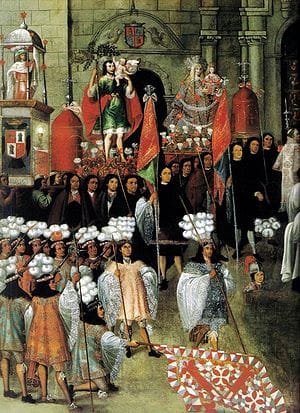
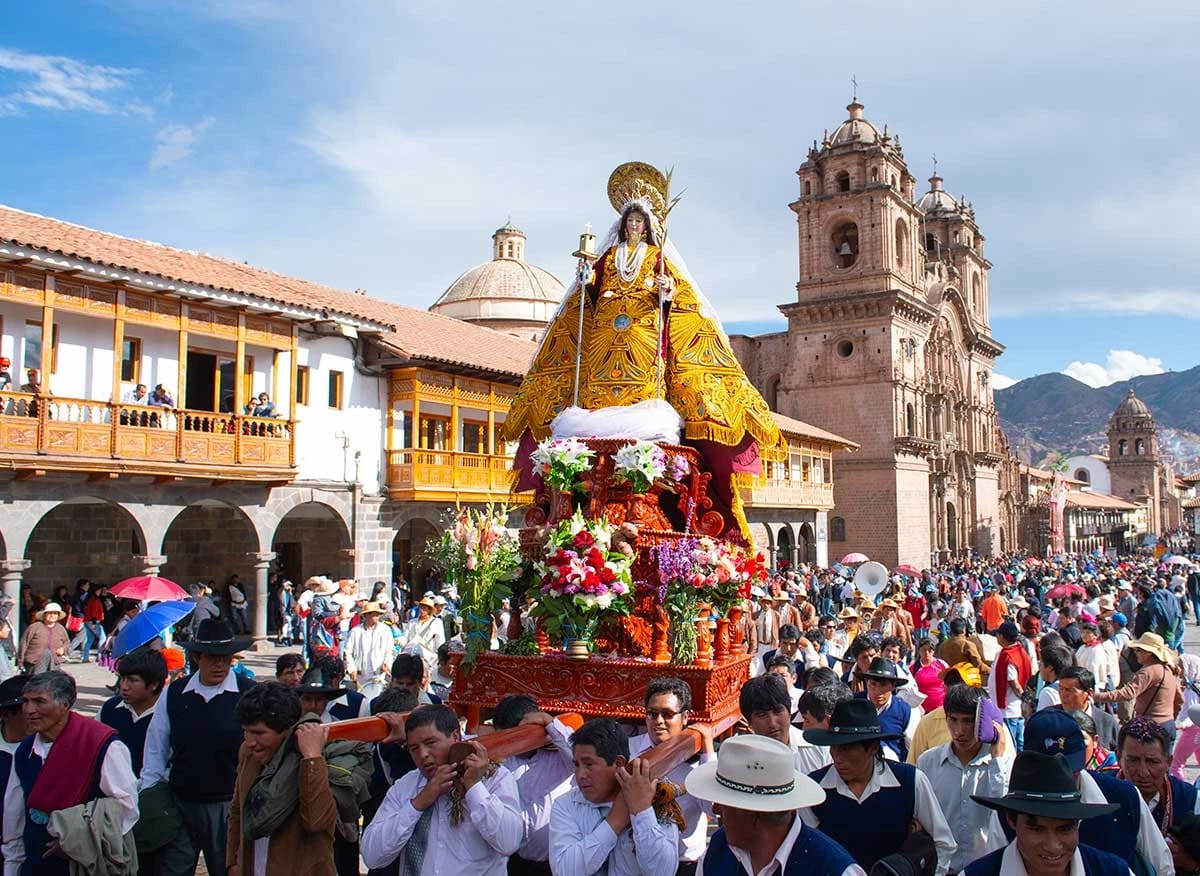
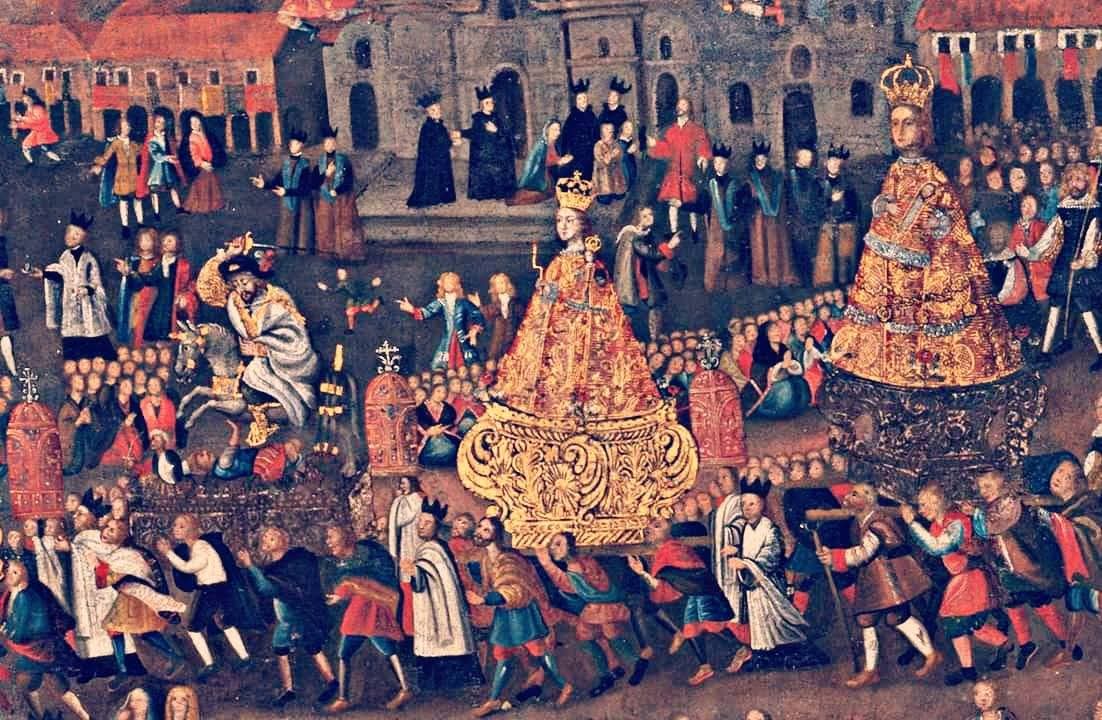
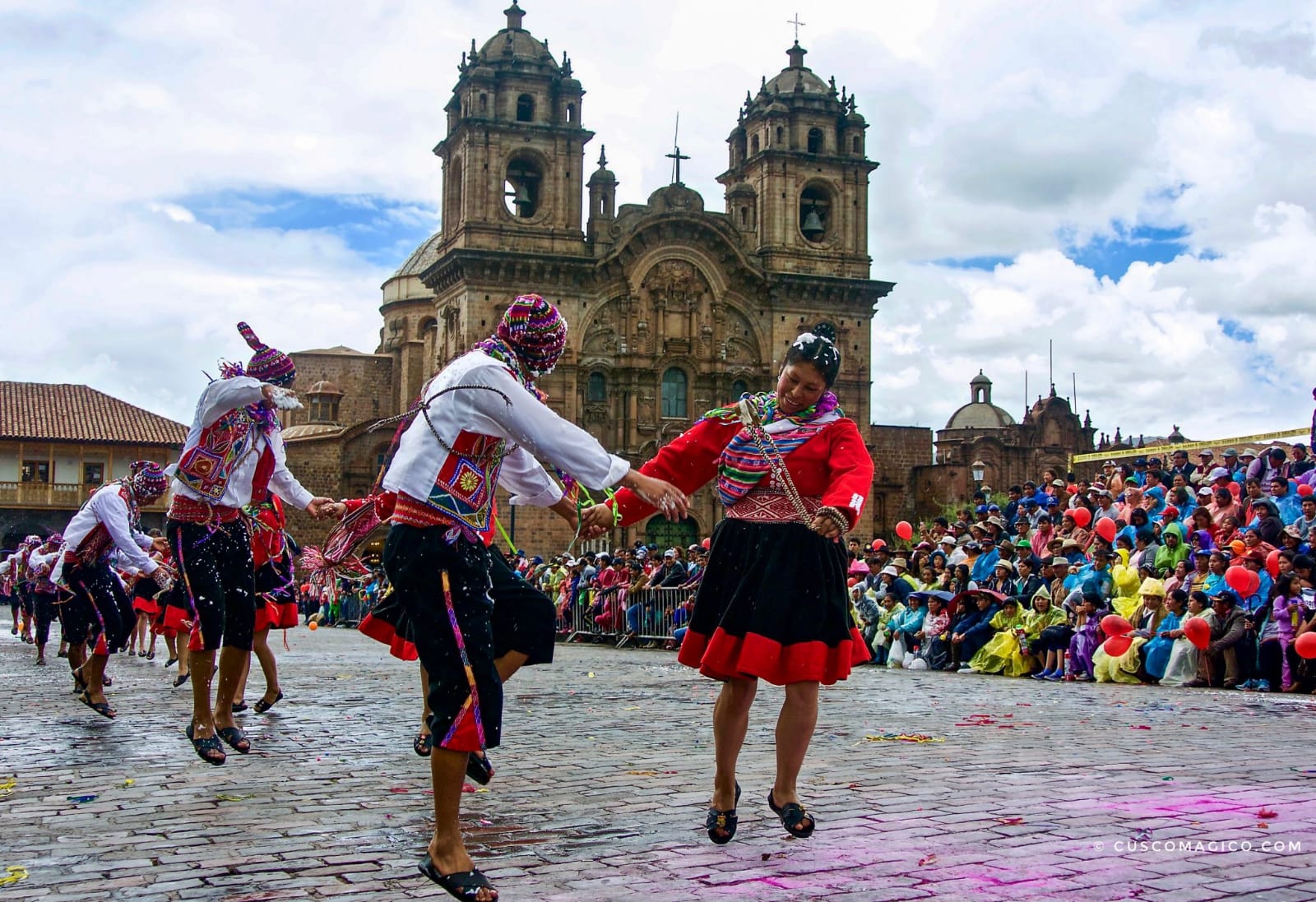
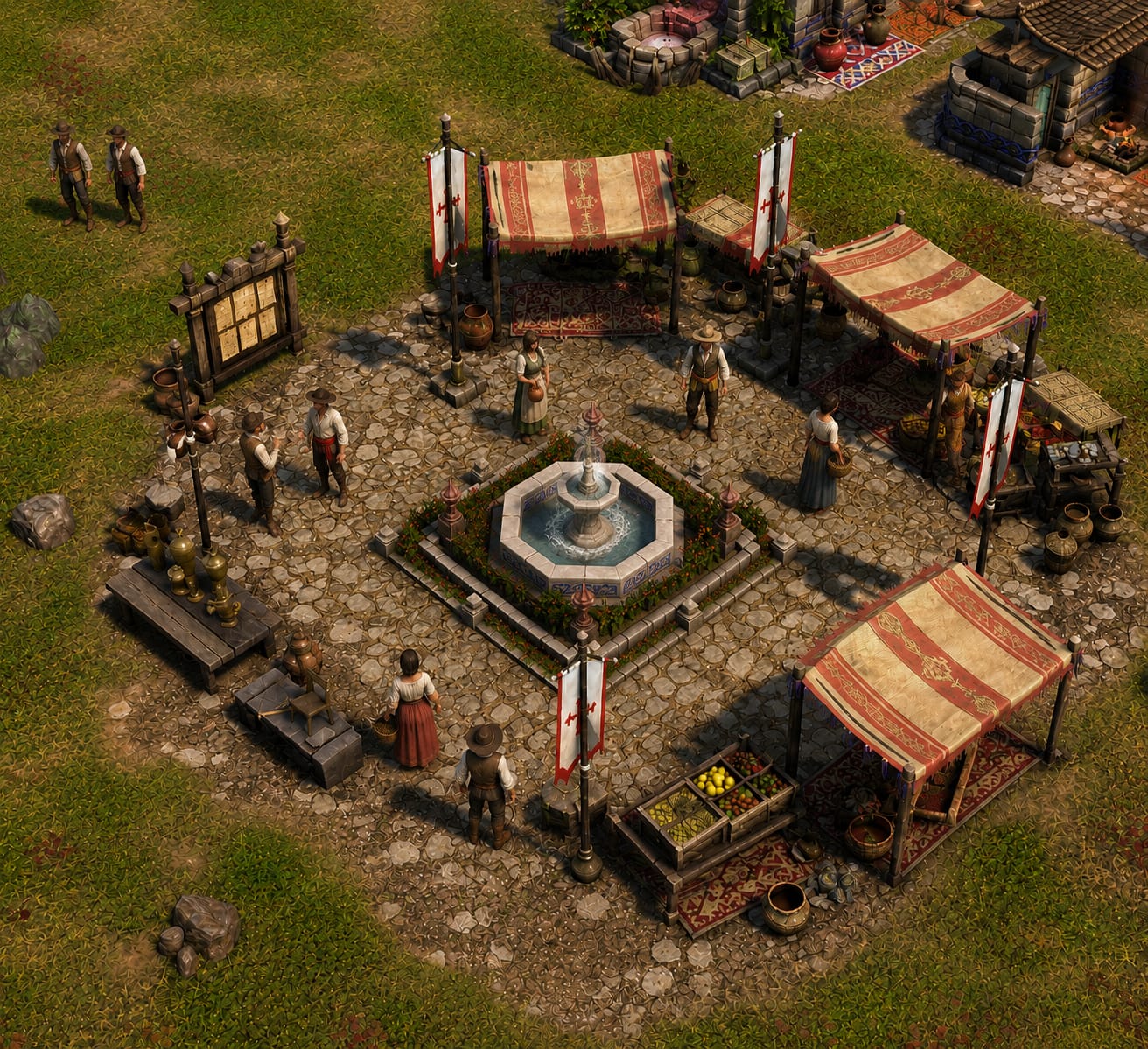
The Plaza Mayor functions similarly to the Community Plaza used by Native American civilizations, but is based around religious festivities and celebrations. Its purpose is to represent the religious syncretism characteristic of colonial society.
Available festivities would include:
-
Semana Santa: increases fishermen’s gathering rate.
-
Santiago Apostol: increases cavalry damage.
-
Carnaval: generates experience.
-
Corpus Christi: heals units.
The Franciscan priest can work at the Plaza Mayor to contribute to its effects.
3. Fortín
This civilization does not have a conventional Barracks or Stable. Instead, it uses the Fortín, a military building costing 300 wood that can train both infantry and cavalry and also has an attack capability.
In the Second Age, the Fortín has two units:
-
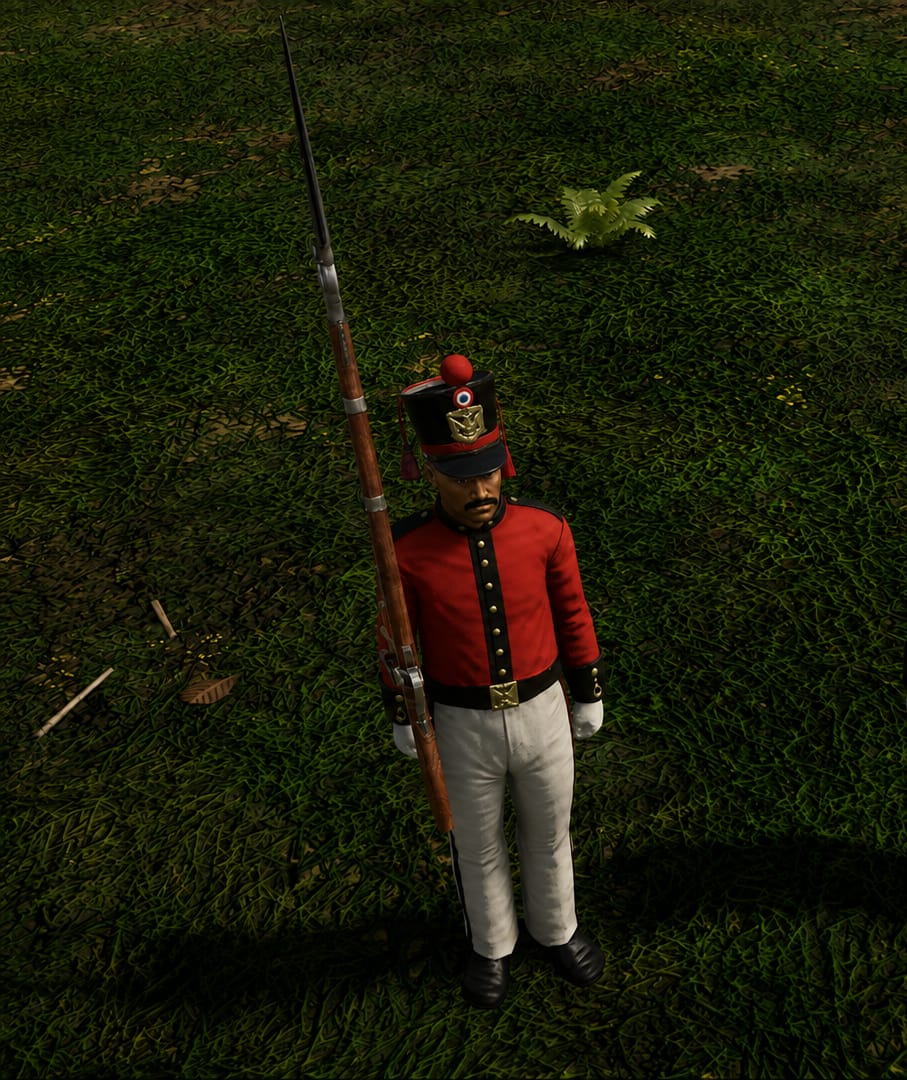
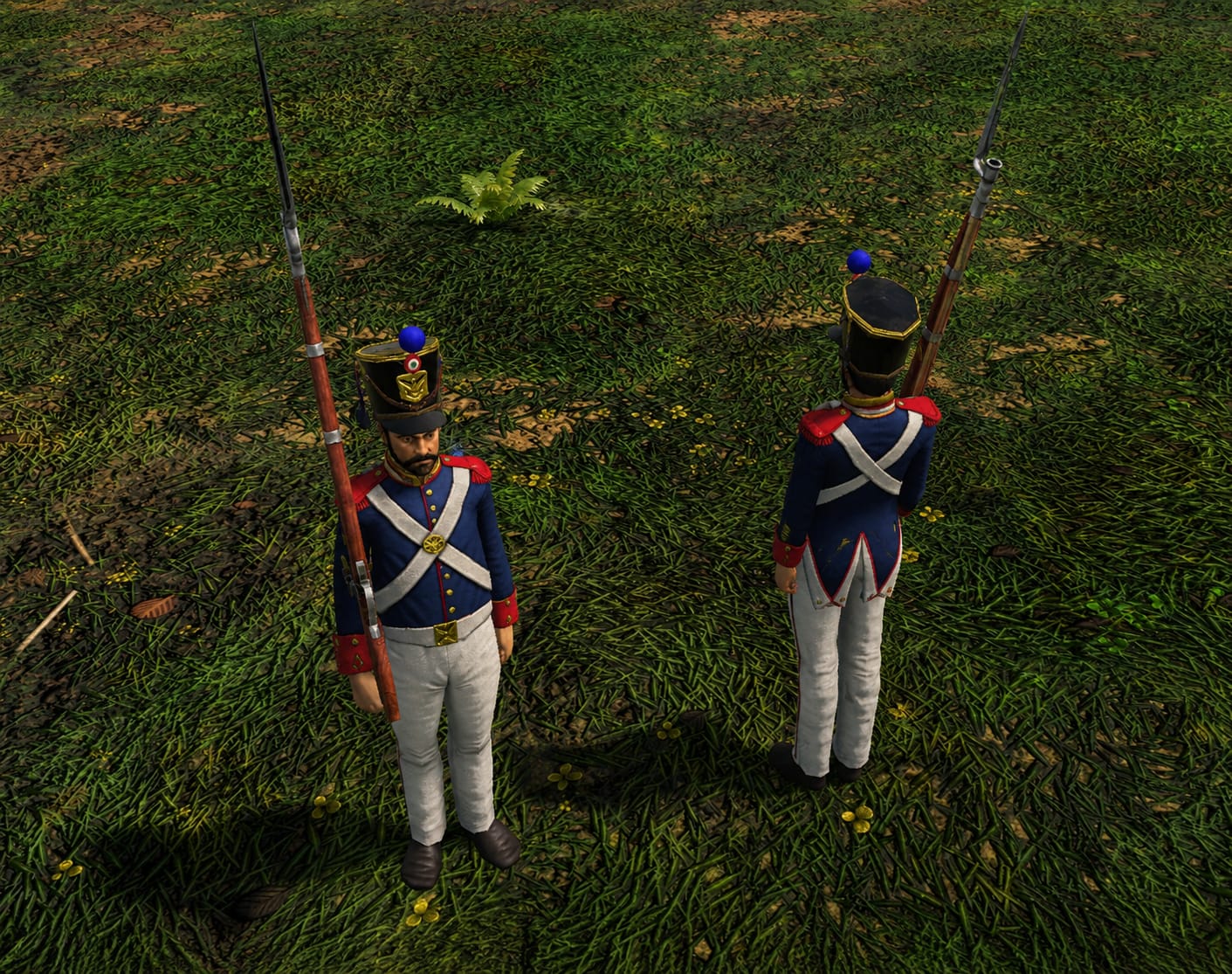
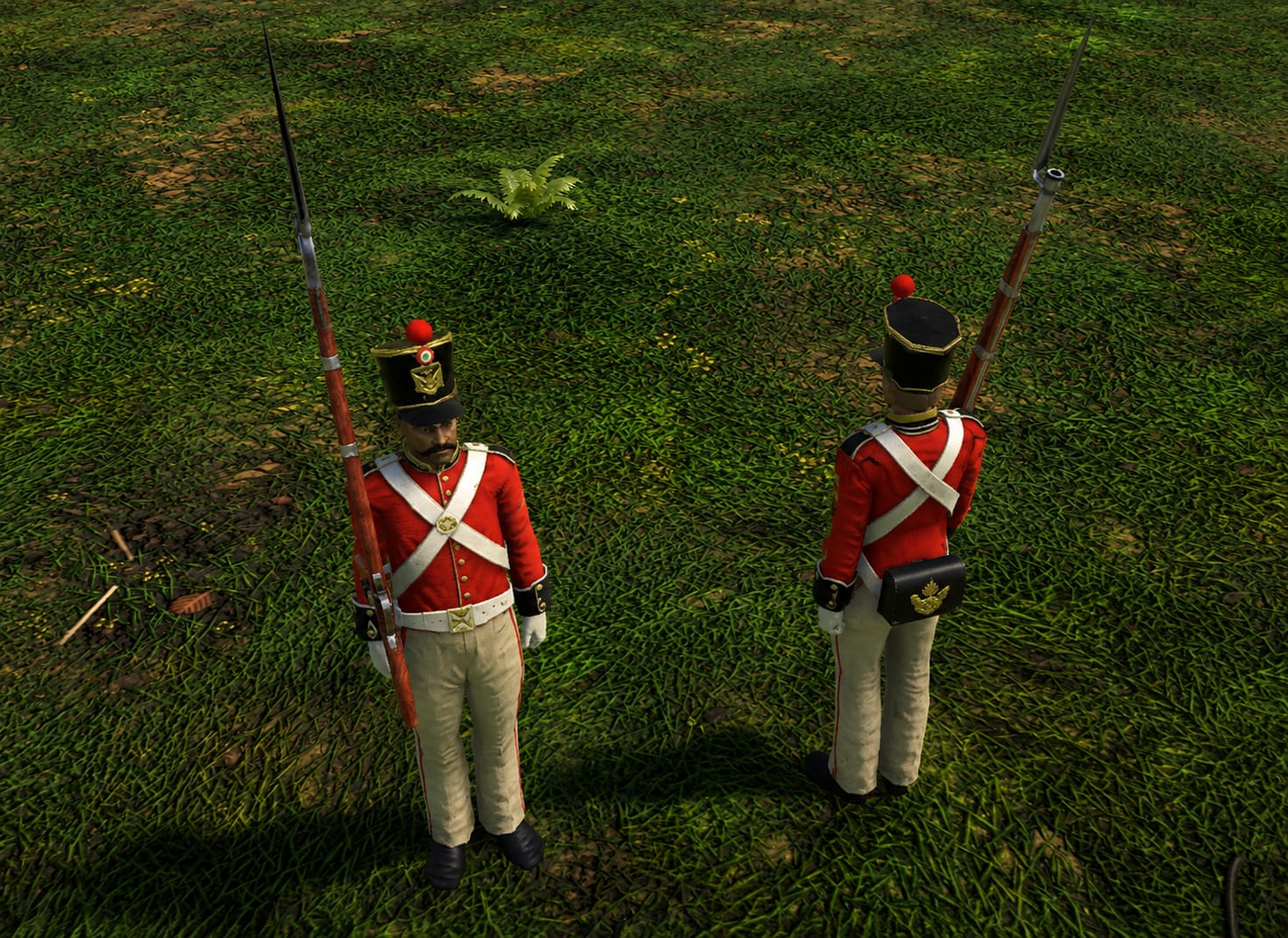
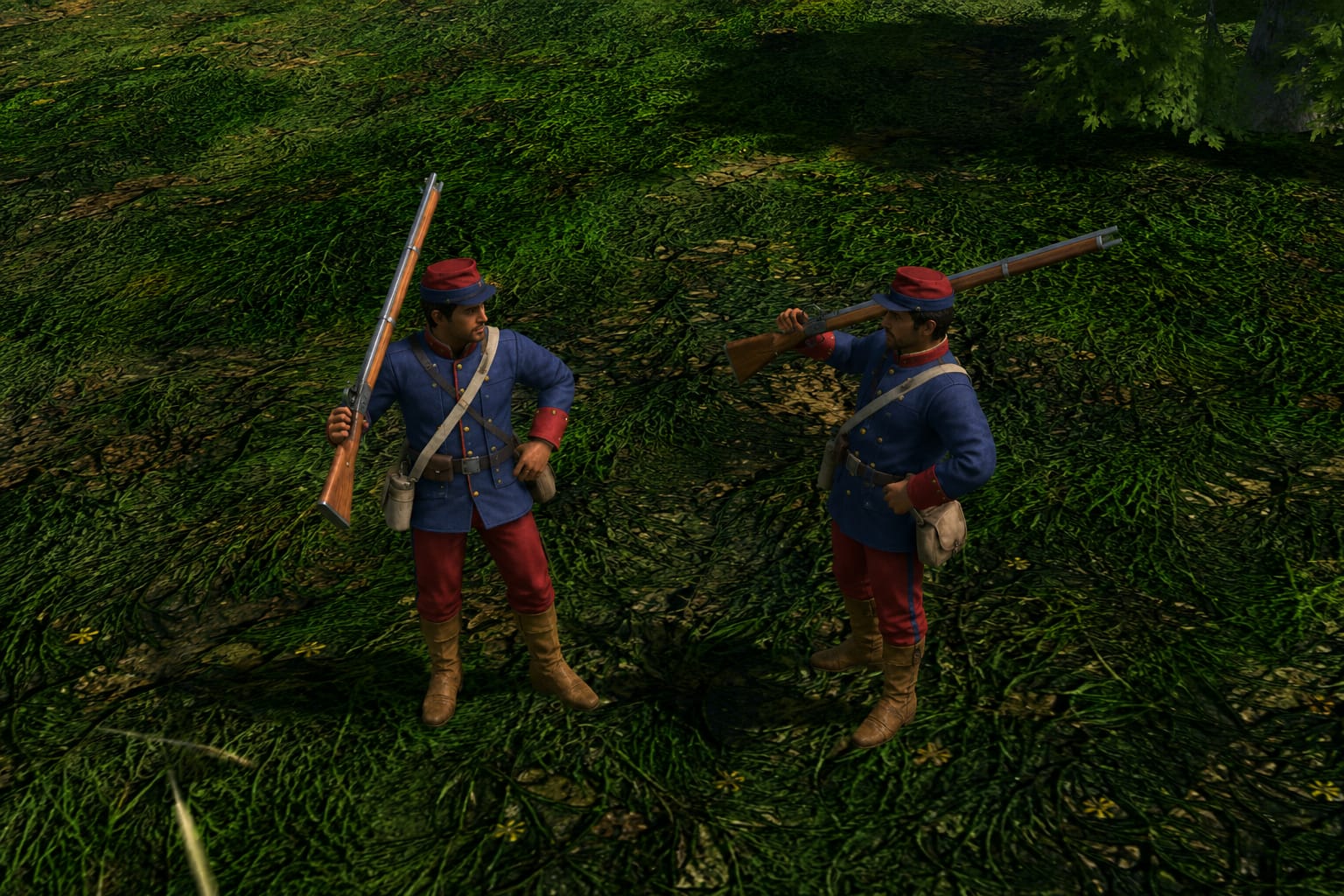
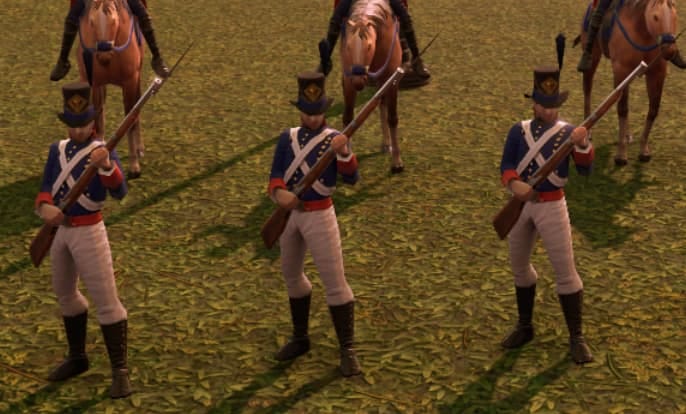
Soldado: similar to the Mexican Soldado. Represents the Fixed Regiments established in Spanish America.
-
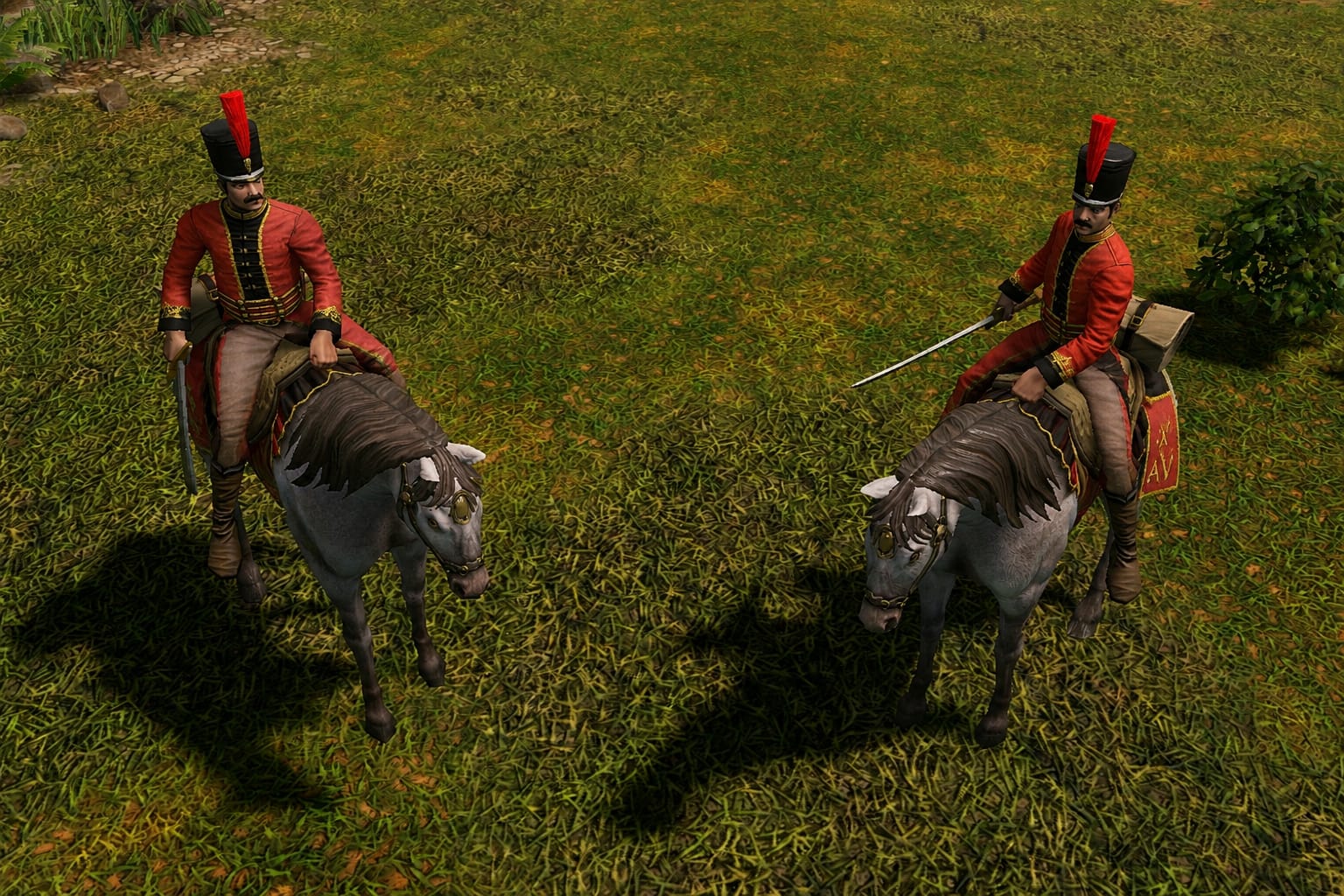
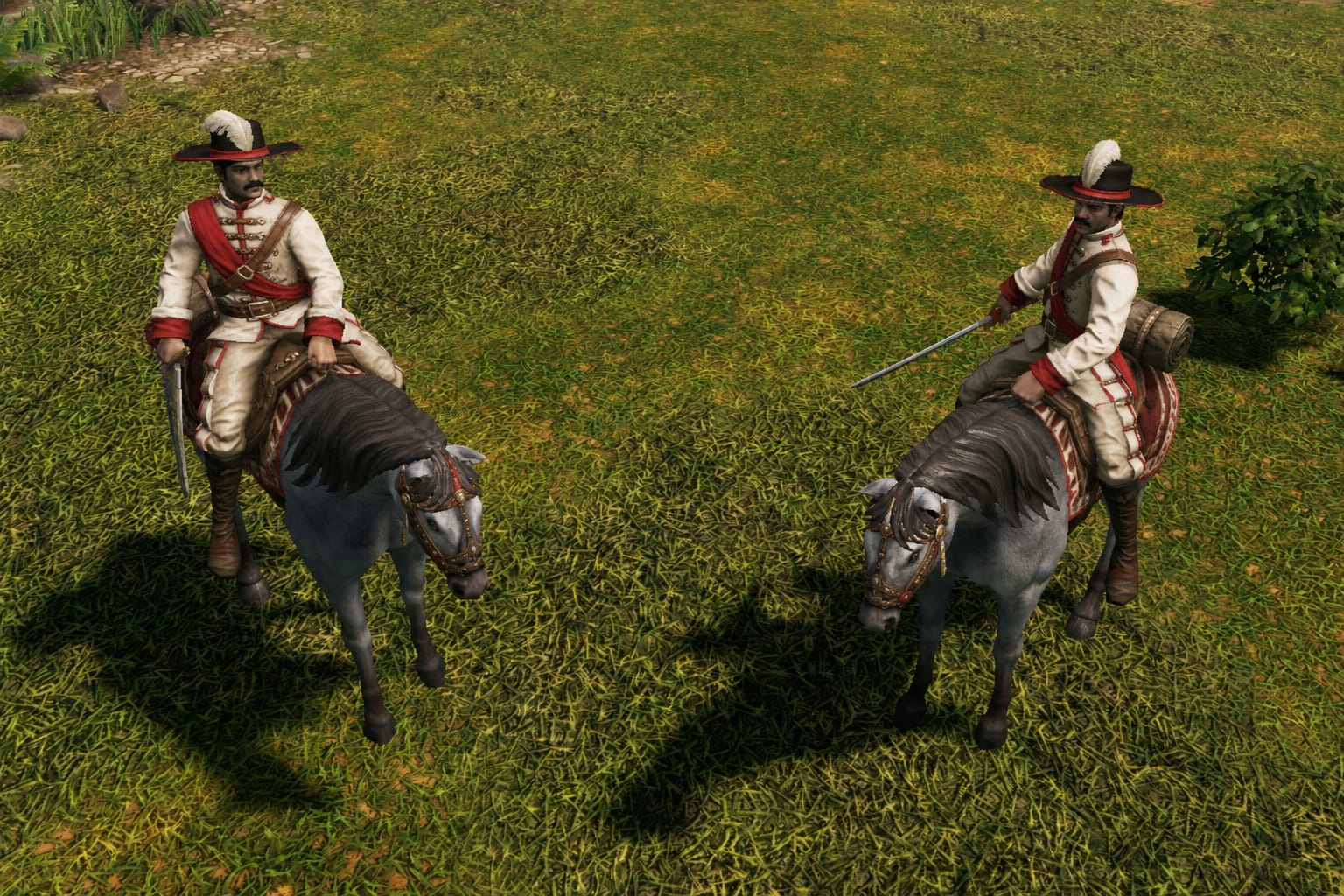
Criollo Hussar: cavalry unit whose name and abilities change through the Guard upgrade, depending on the chosen city.
Upon reaching the Third Age, the Fort unlocks additional units depending on the selected city.
4. Native Poblado
Upon advancing to the Second Age, the chosen city provides a Native Poblado. Each settlement allows the player to train different Native units, which consume population space and have a maximum unit limit.
Lima — Quechua
-
Huaminca: maximum 26.
-
Bolas: maximum 20.
Asunción — Guaraní
- Uses the new Guaraní natives included in the DLC.
Santiago — Mapuche
-
Clubman: maximum 16.
-
Bolas Rider: maximum 16.
Bogotá — Muisca
- Uses new Native units based on the Muisca from Age of Empires II.
Potosí — Aymara
-
Uses new Aymara natives.
-
Allows the player to train a specialized villager who can only work in mines.
5. Cabildo
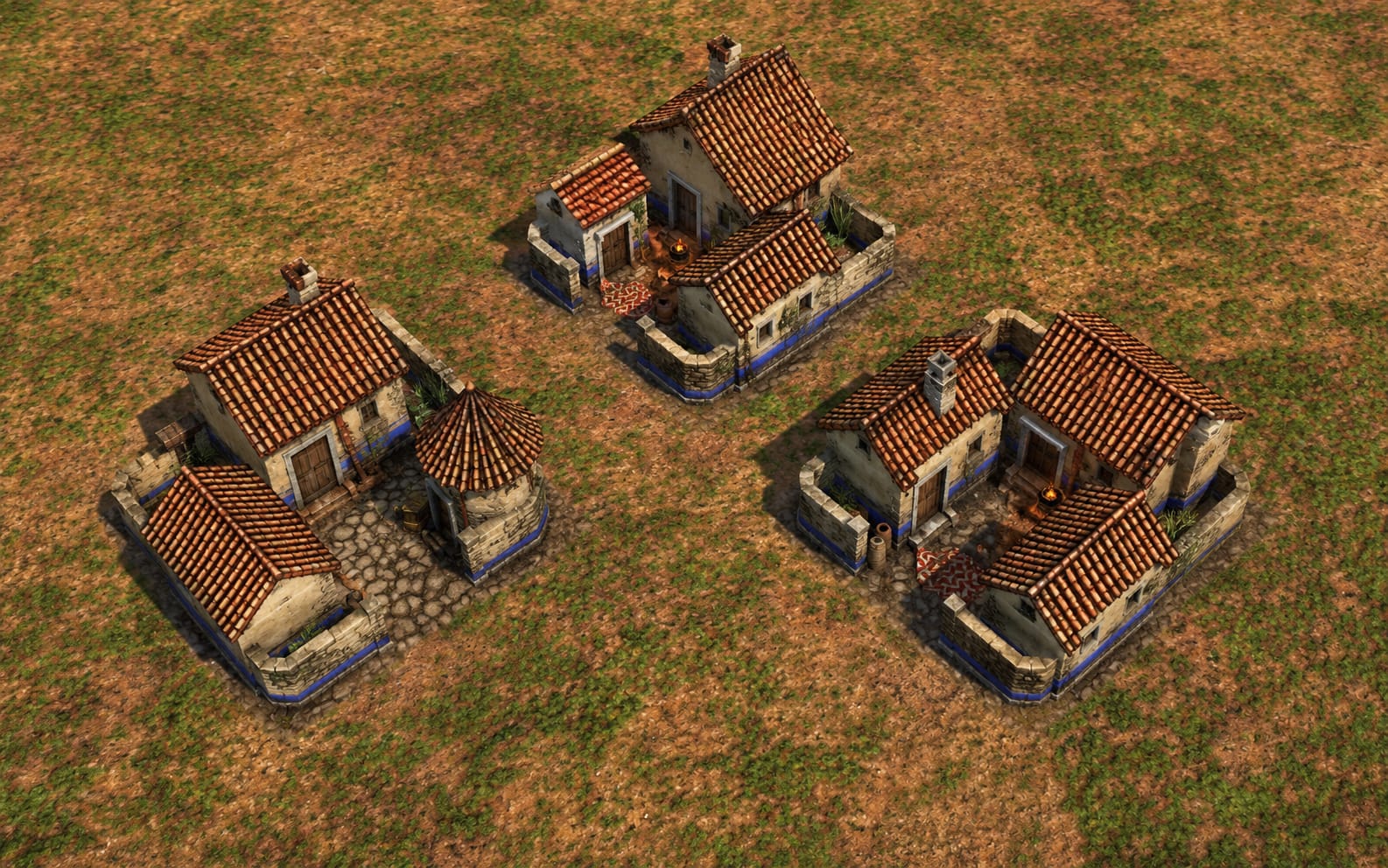
The Cabildo is unlocked in the Third Age and functions similarly to the U.S. Capitol. It is the main building for developing the unique characteristics of each city and allows the player to obtain different wagons, technologies, and unique upgrades.
Lima
-
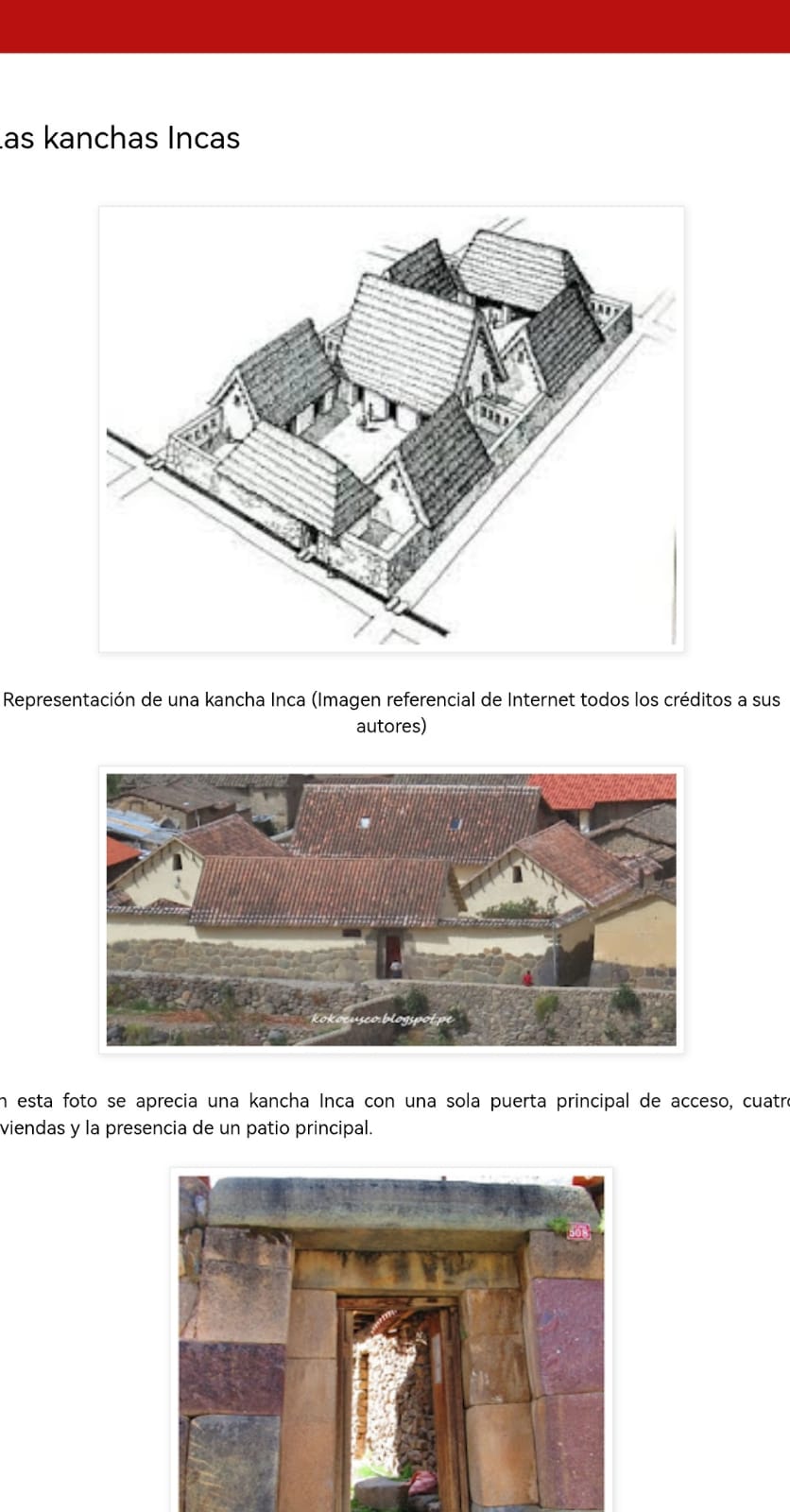
Colonial Kancha Wagon: maximum 7. Cost: 150 wood.
-
5 Llamas: unlimited. Cost: 500 food.
-
Town Center Wagon: maximum 2. Cost: 500 wood.
-
Fortress Wagon: maximum 1. Cost: 600 wood + 500 gold.
-
Also has access to the Chicha Beer card.
Potosí
-
Silver Prospector Wagon: unlimited.
-
5 Llamas: unlimited. Cost: 500 food.
-
Town Center Wagon: maximum 1. Cost: 500 wood.
-
Mint — Bank Wagon: maximum 1.
Asunción
-
5 Cows: unlimited. Cost: 700 food.
-
Town Center Wagon: maximum 3. Cost: 500 wood.
-
Mango Grove: unlimited. Cost: 500 coin.
-
Plantation Wagon: unlimited. Cost: 600 wood.
Buenos Aires
-
5 Cows: unlimited. Cost: 700 food.
-
Hacienda Wagon: unlimited. Cost: 600 wood.
-
Town Center Wagon: maximum 2. Cost: 500 wood.
-
Dock Wagon: unlimited. Cost: 200 wood.
Santiago
-
Town Center Wagon: maximum 2. Cost: 500 wood.
-
Dock Wagon: unlimited.
-
Fortín Wagon: maximum 7. Cost: 300 wood.
-
Mill Wagon: unlimited. Cost: 400 wood.
Bogotá
-
Town Center Wagon: maximum 2. Cost: 500 wood.
-
Fortress Wagon: maximum 1.
-
Fortín Wagon: maximum 7.
-
Hacienda Wagon: unlimited.
Units
Each city unlocks different units upon reaching the Third Age. Upon advancing to the Fourth Age, the city evolves into its corresponding republican nation and unlocks new units, upgrades, and historical figures.
Lima
Third Age
-
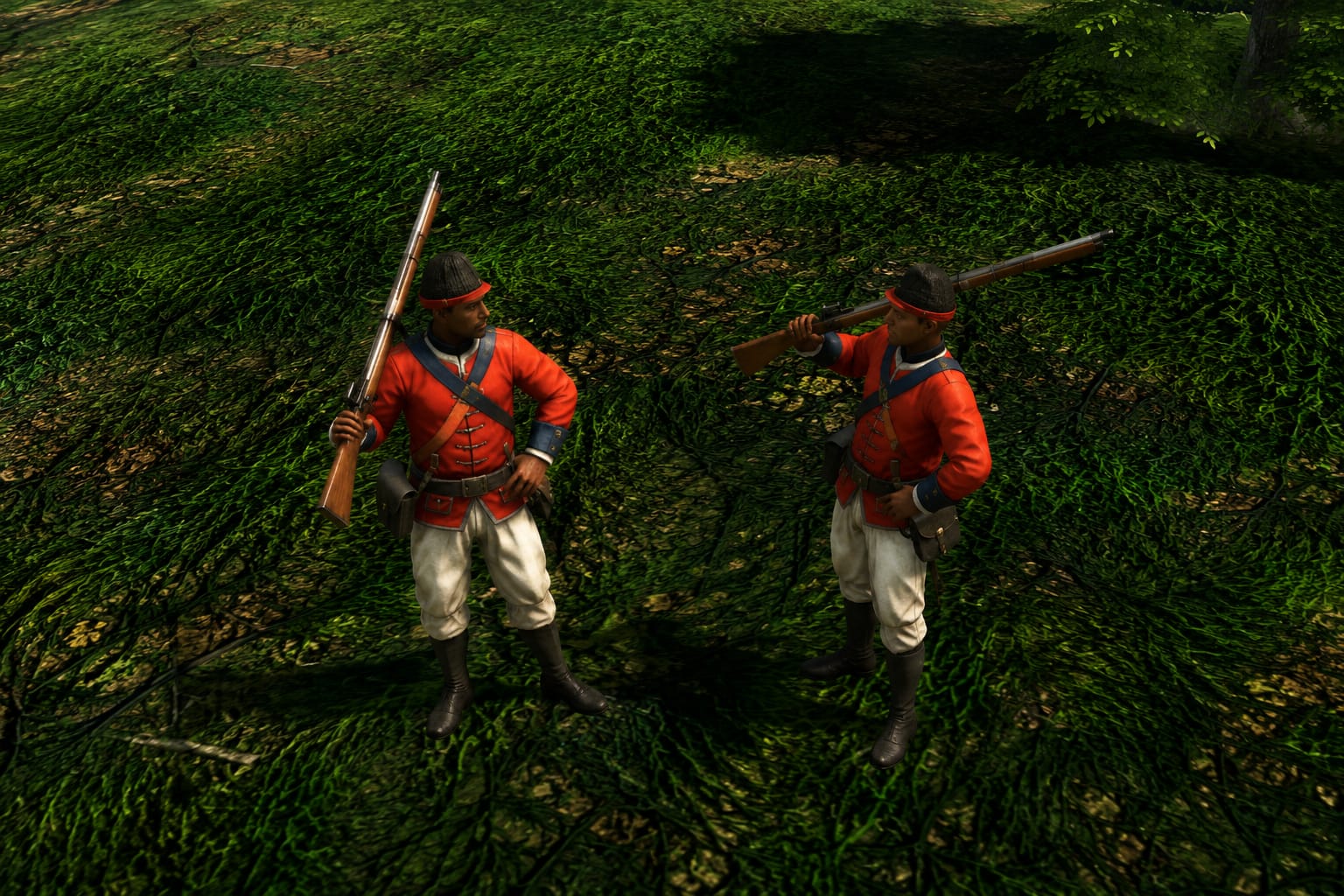
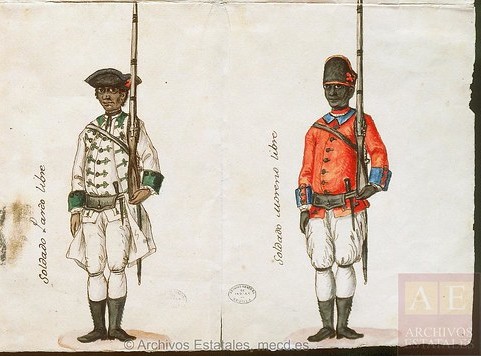
Pardos: inexpensive light infantry. Costs food and coin.
-
Dragón: unlocks the standard Dragón.
-
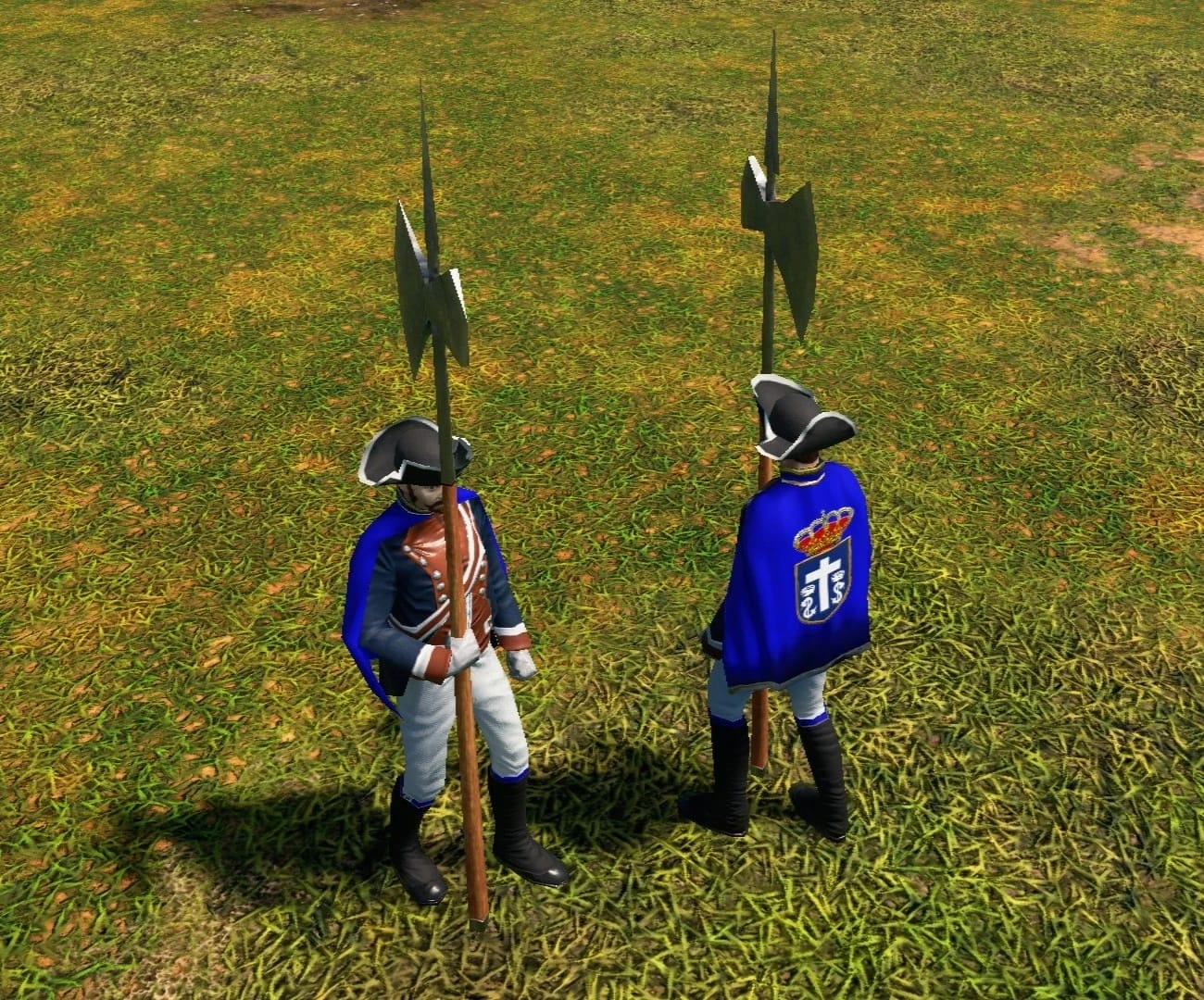
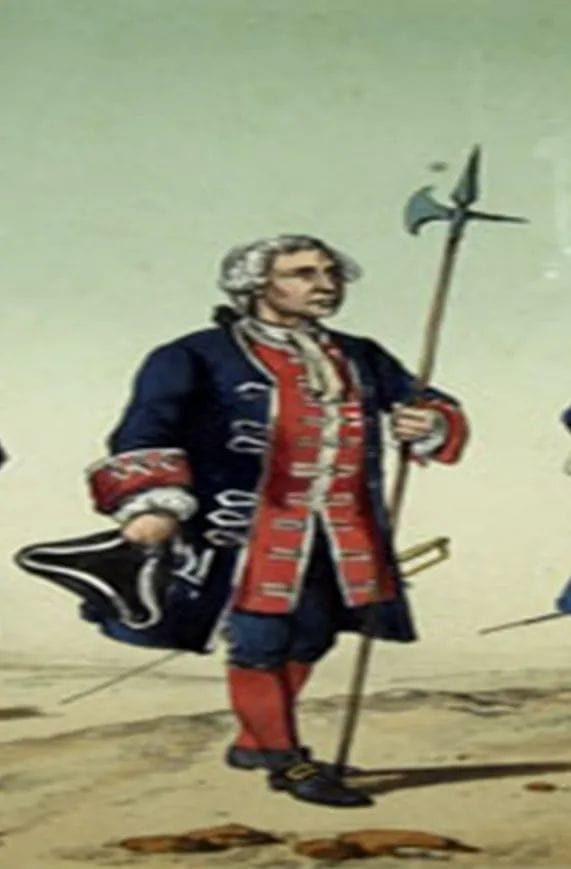
Alabarderos del Virrey: heavy infantry with stats similar to the Inca Maceman.
Fourth Age — Republic of Peru
-
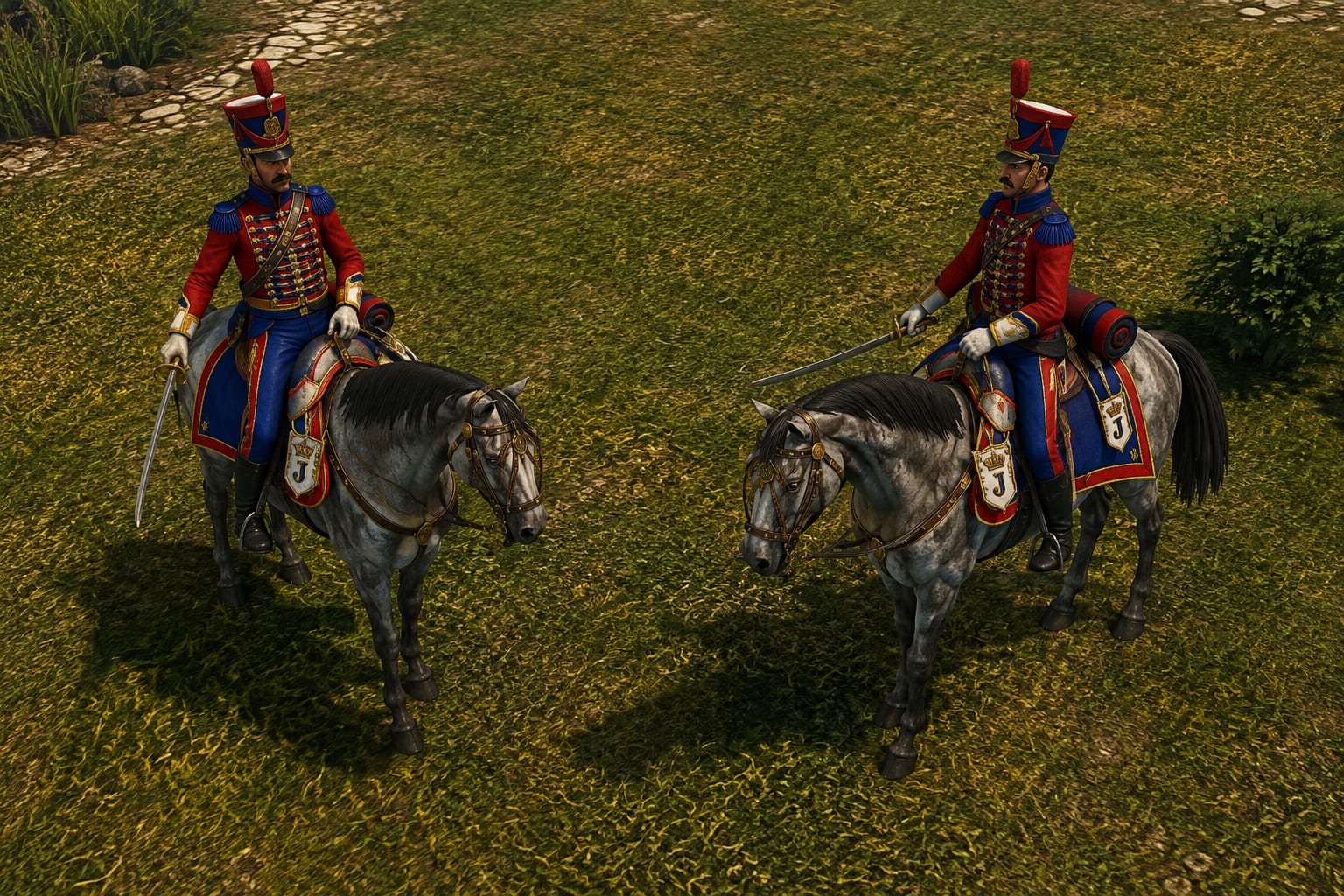
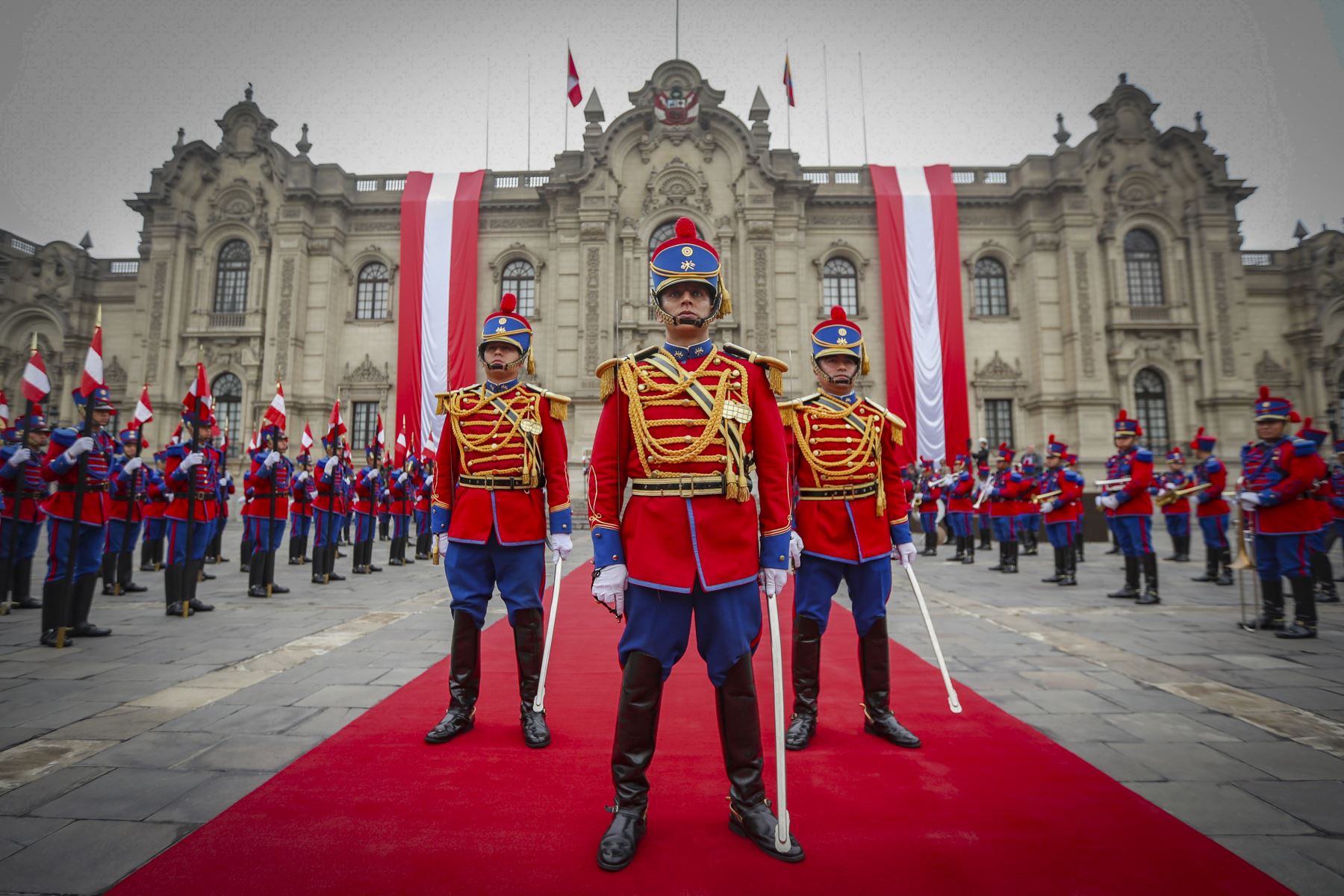
Húsar criollo → Húsar de Junín: gains additional hit points.
-
Soldado → Legión Peruana: gains additional attack with grenades.
-
Morochucos: become available at the Saloon.
Santiago
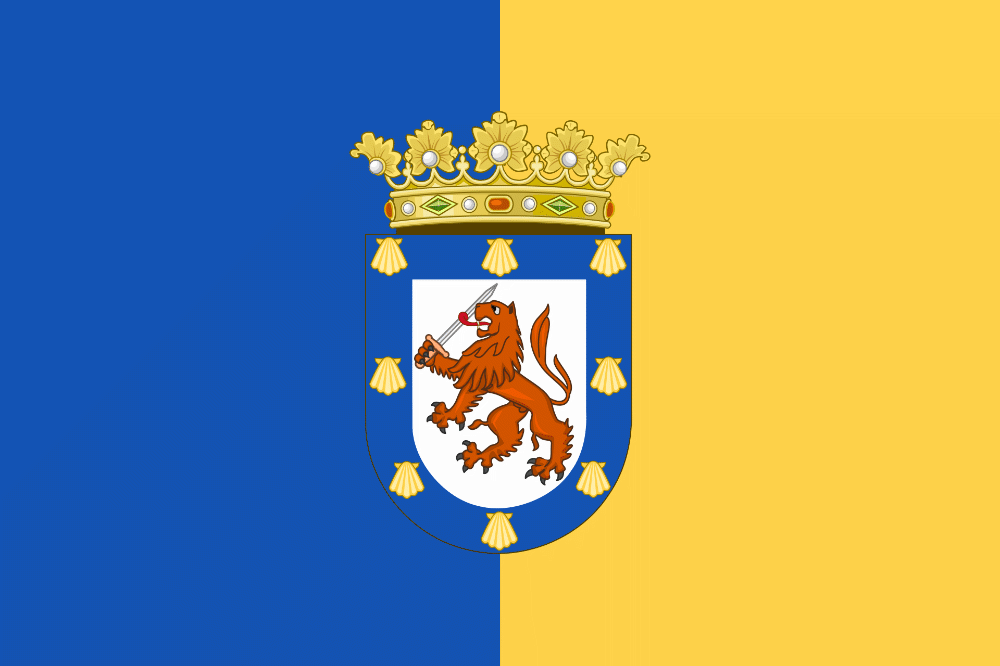
Third Age
-
Dragón: unlocks the standard Dragón.
-
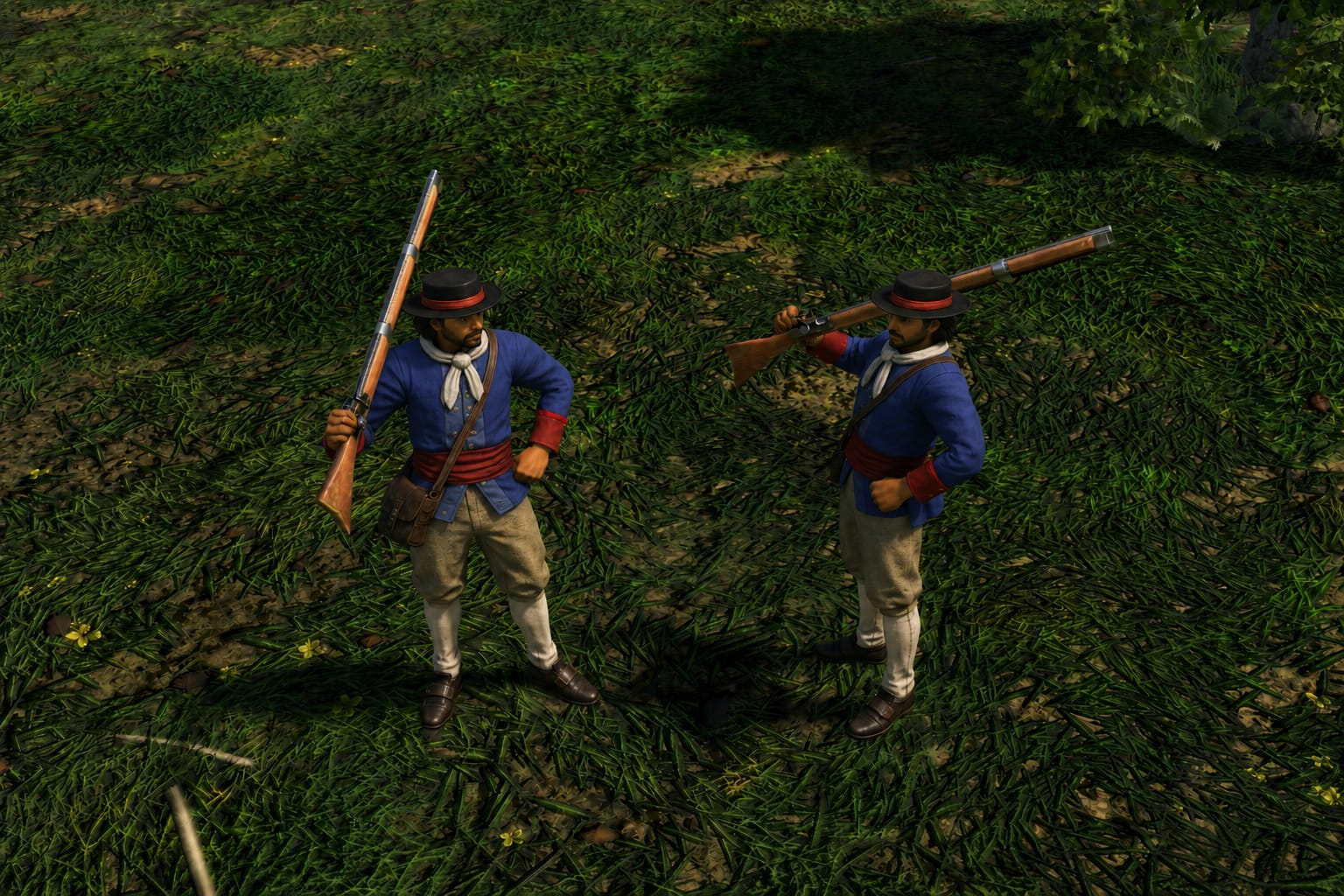
Cívicos: light infantry made up of semi-professional civilian militias. Costs wood and can chop wood at a rate of 0.10 per second.
Fourth Age — Republic of Chile
-
Acorazados: available through a shipment.
-
Infantería de Marina: can be trained from Acorazados. Functions similarly to the American Marine.
-
Húsar criollo → Húsar de la Muerte.
-
Granaderos: become available at the Artillery Foundry.
-
Gatling: becomes available at the Artillery Foundry.
Buenos Aires
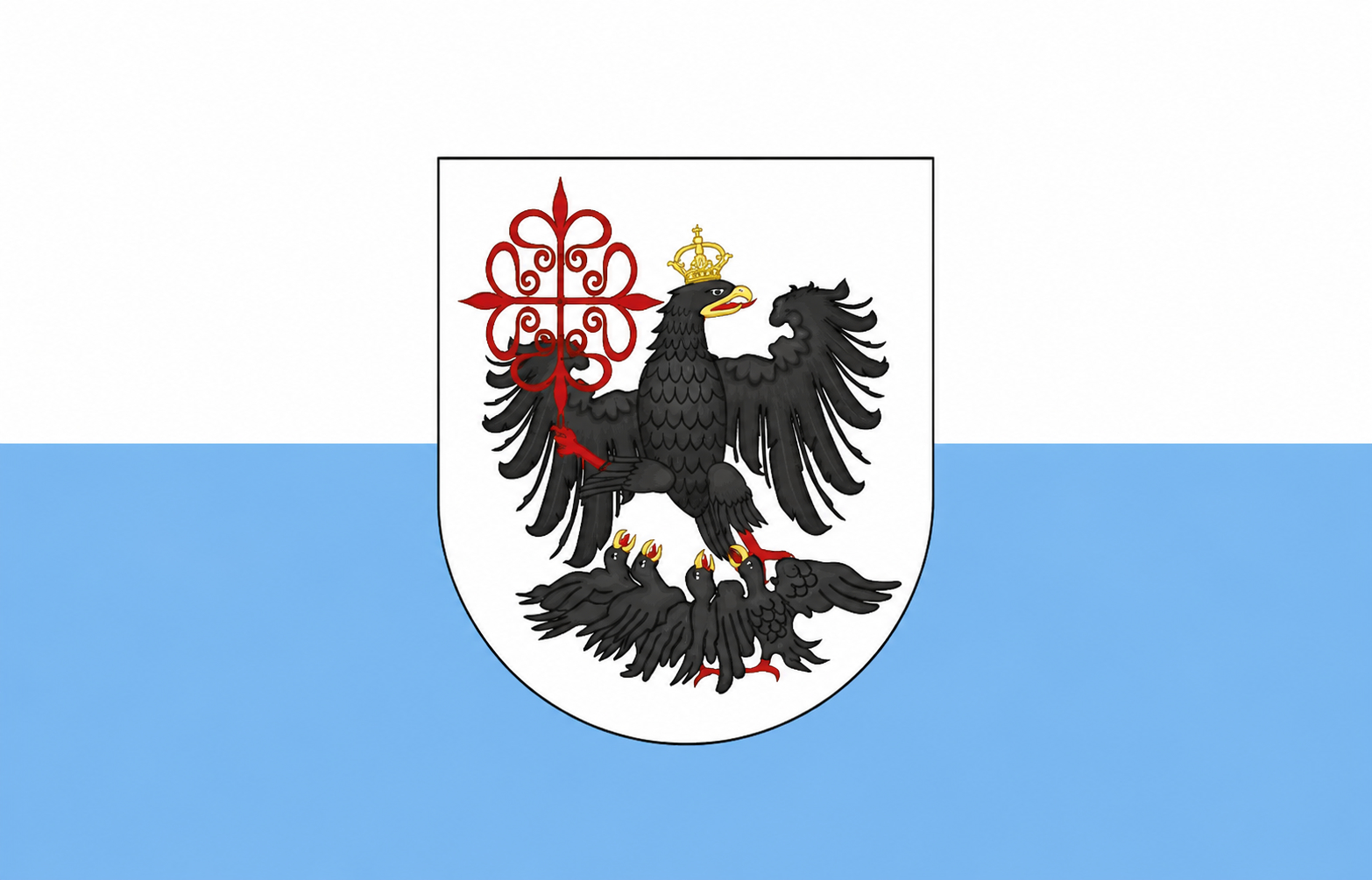
Third Age
-
Gauchos: light cavalry that can gather resources from livestock. Costs only food.
-
Patricios: specialized infantry effective against skirmishers. Costs food and coin.
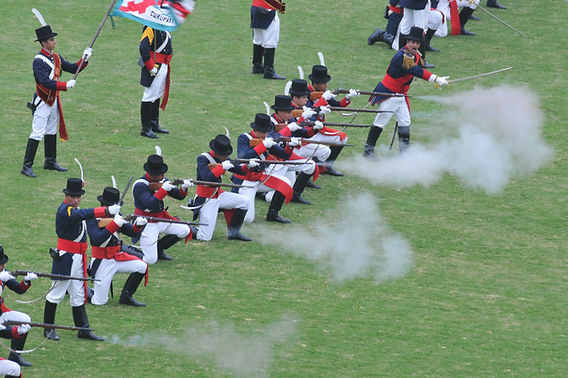
Fourth Age — Republic of Argentina
-
San Martín: available through a shipment.
-
Granaderos Montados: become available.
-
Húsar criollo → Infernales: Hussar with a damage multiplier against all types of cavalry.
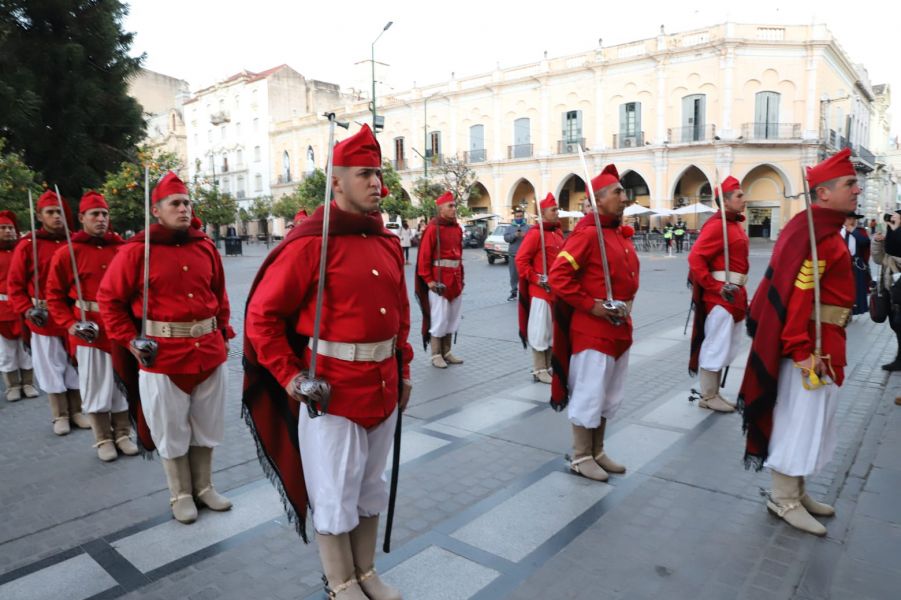
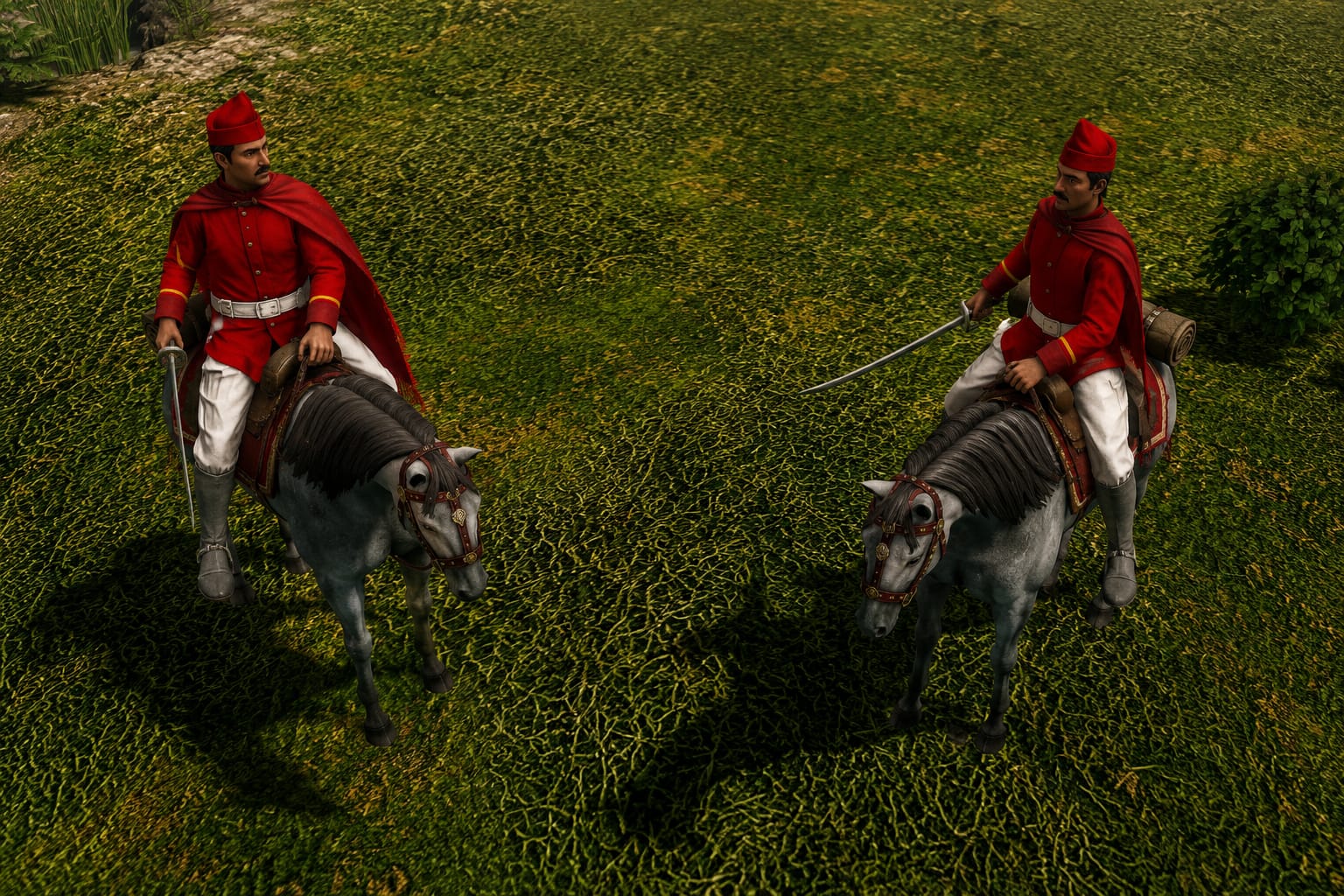
- Malevo: new outlaw available at the Saloon. Melee infantry armed with knives, similar to the Rodelero.
Bogotá
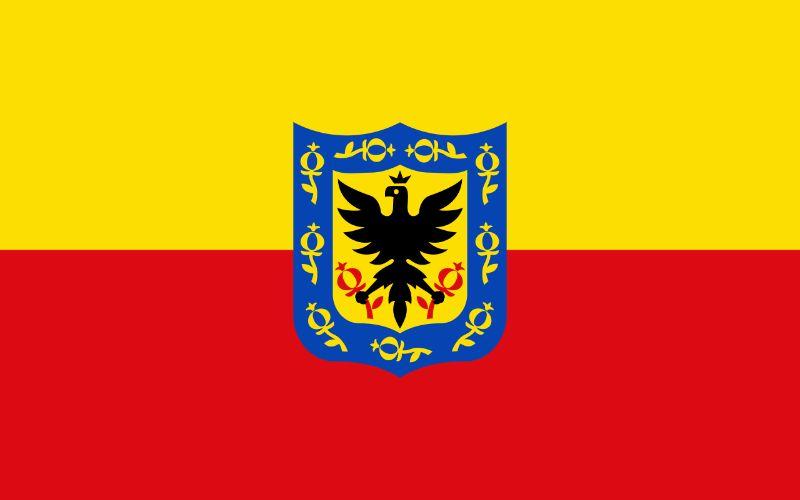
Third Age
-
Pardos: become available as light infantry.
-
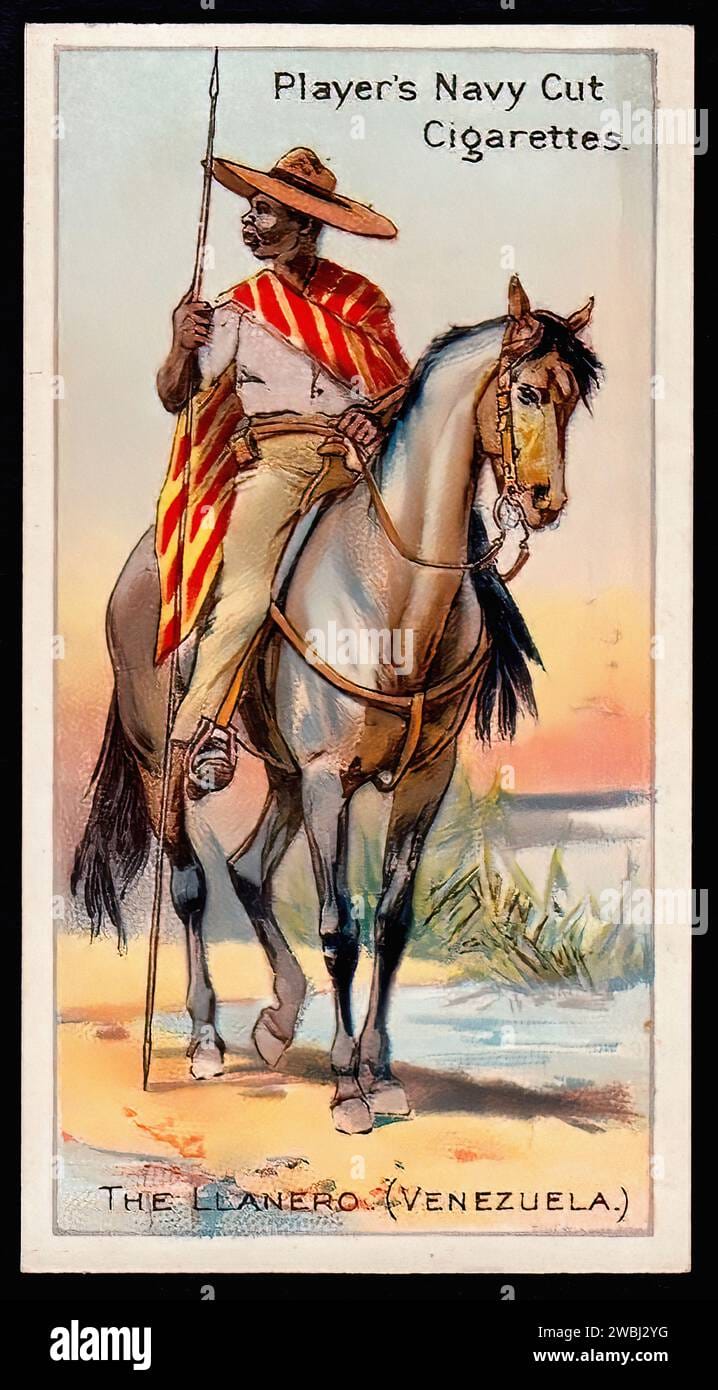
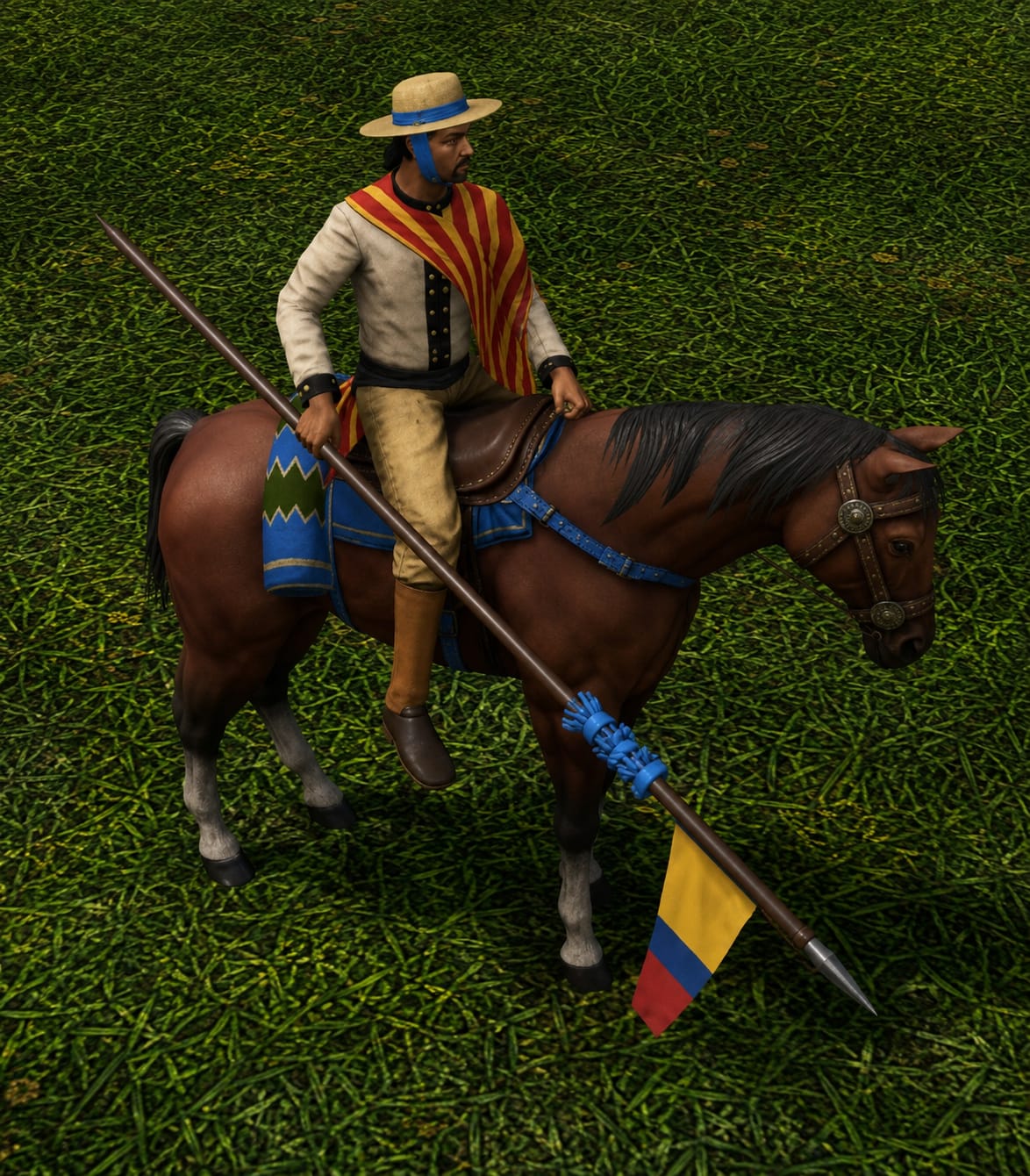
Llanero: light melee cavalry that uses 1 population. Particularly effective against heavy cavalry and light infantry.
Fourth Age — Gran Colombia
-
Bolívar: available through a shipment.
-
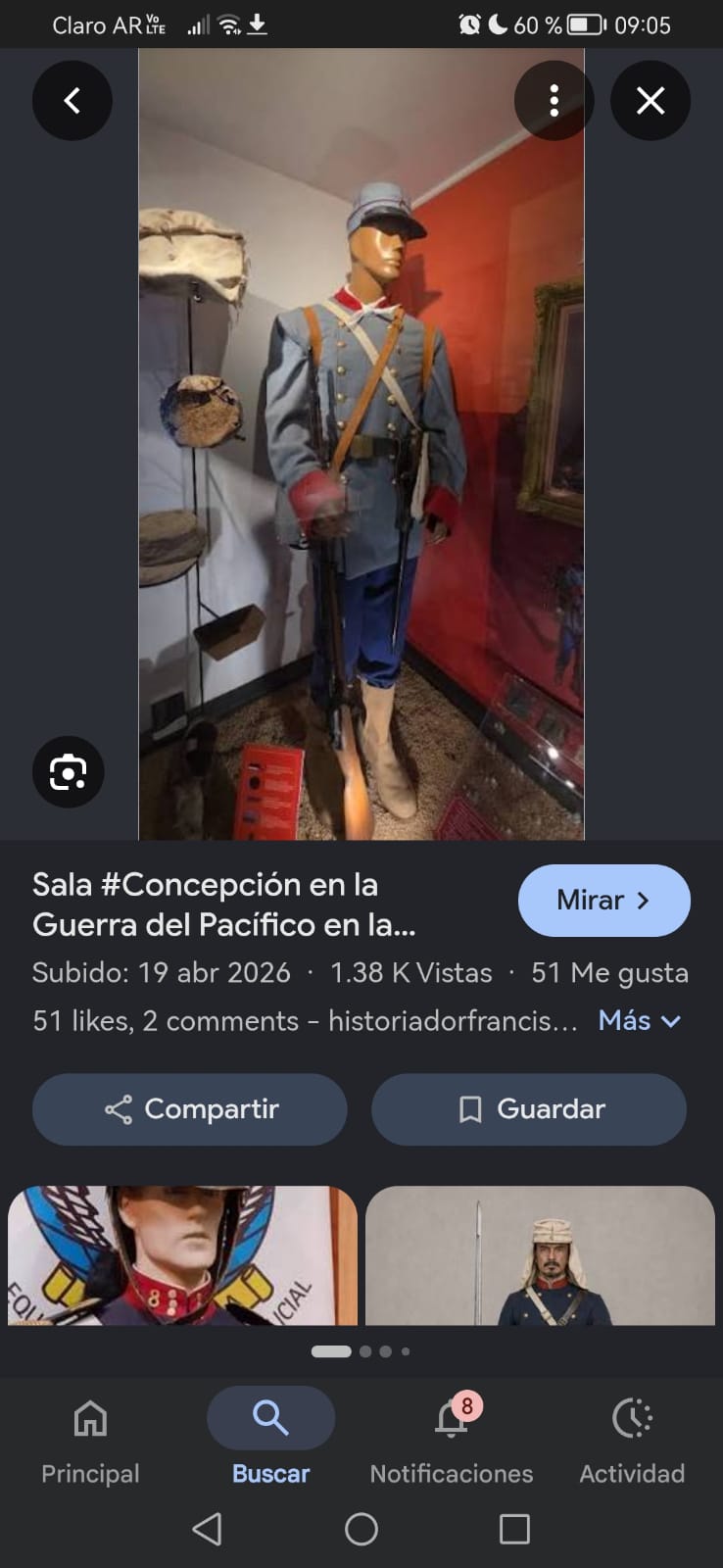
Soldado → Guardia Independiente: gains a ranged damage multiplier against cavalry.
-
Húsar criollo → Húsar de Junín: gains the same upgrade used by Peru.
-
Infantería de Marina: becomes available to be trained from Acorazados.
Asunción
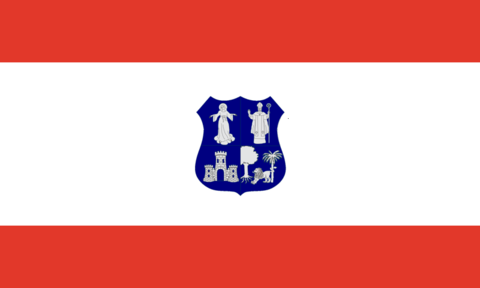
Third Age
-
Cívicos: light infantry of a civilian nature.
-
Dragones Tapuá: Dragón specialized against heavy infantry. Costs food and wood.
-
Malevos: become available at the Saloon.
Fourth Age — Republic of Paraguay
-
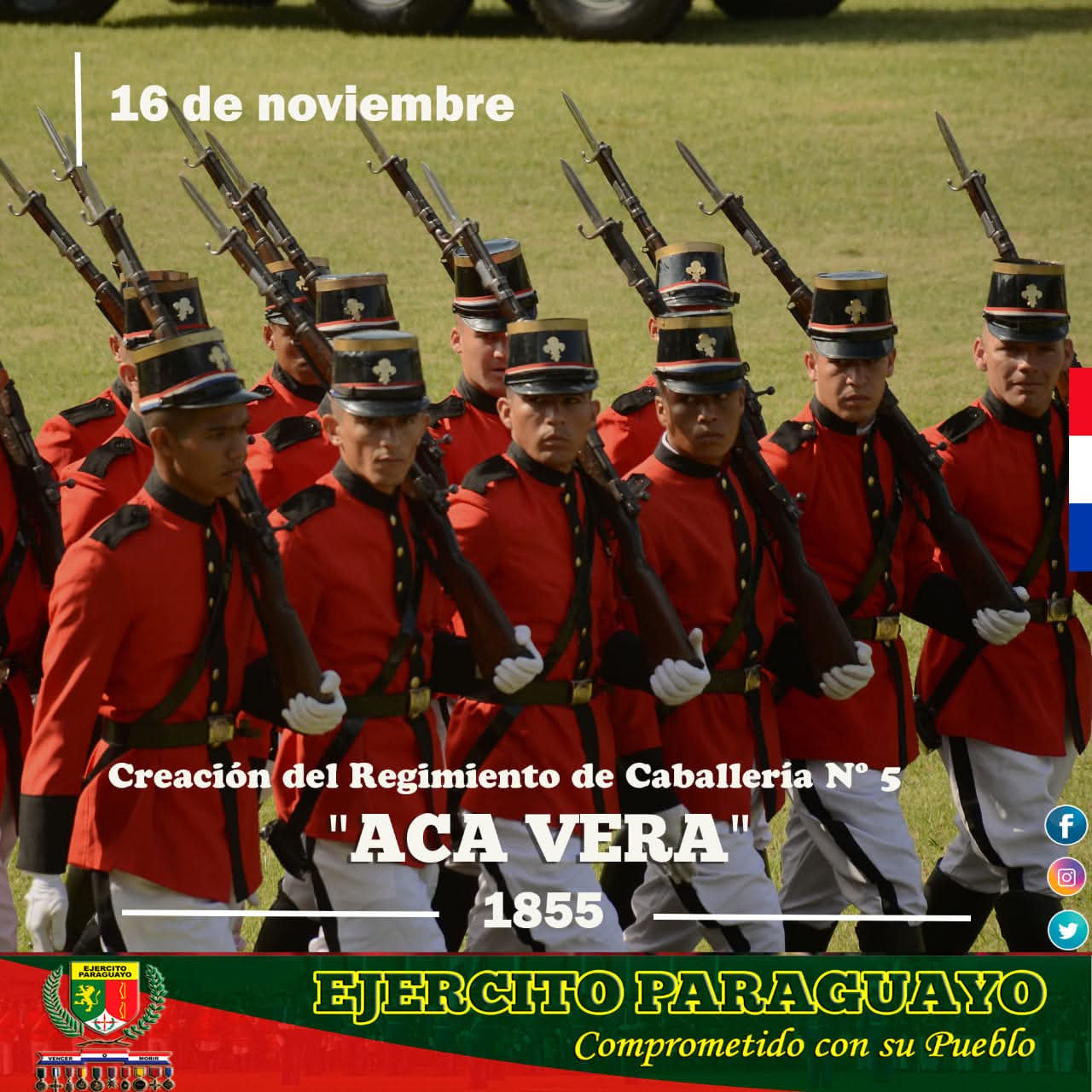
Húsar criollo → Húsar Akã Verá: reduced cost and increased speed.
-
Soldado → Soldado Akã Verá: reduced cost and increased speed.
Potosí
Third Age
-
Pardos: become available as light infantry.
-
Dragón: unlocks the standard Dragón.
-
Alabarderos del Virrey: heavy infantry with characteristics similar to those used by Lima.
Fourth Age — Republic of Bolivia
-
Húsar criollo → Húsar de Junín: receives the upgrade used by Peru.
-
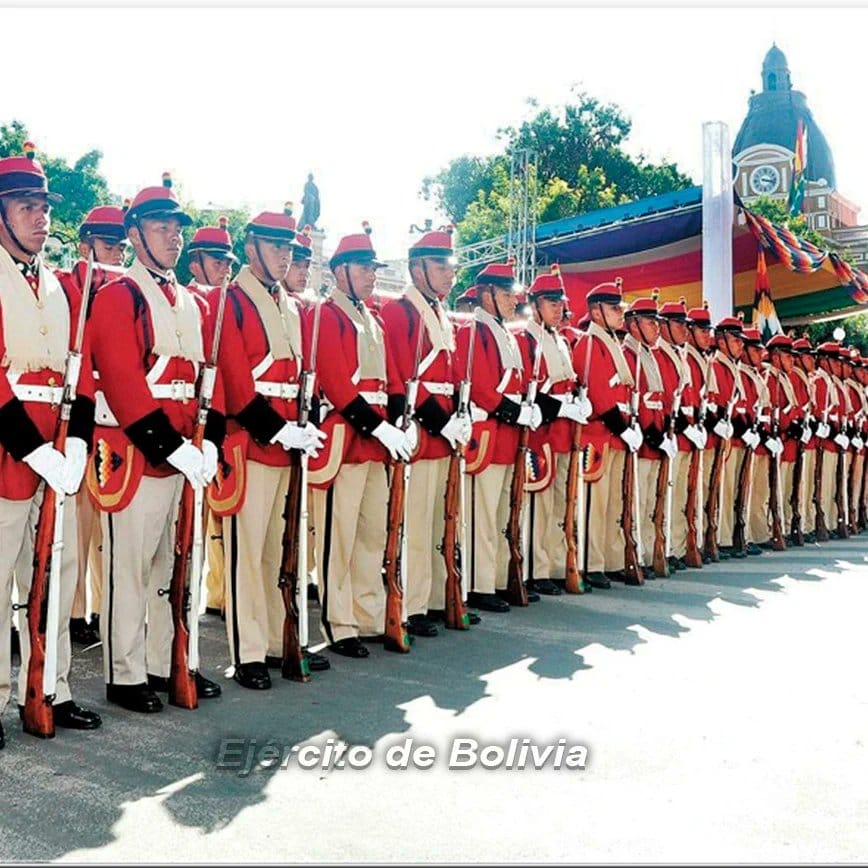
Soldado → Soldado Colorado: gains a damage multiplier against heavy infantry.