What do you think of the Aztecs?

Which mechanic do you think would be overpowered? What would you add, remove, or change? Do you like the concept?

Hello everyone! Here’s my concept for the Aztecs in Age of Empires IV.

:sun: The Aztec Calendar (Core Civilization Mechanic)

The Sun Stone guides the empire through sacred cycles. After building 5 Huey Teocalli, the Aztec Calendar activates and automatically rotates every 90 seconds between four divine blessings:

  • :ear_of_corn: Sun of Abundance – boosts food economy and Chinampa production.
  • :crossed_swords: Sun of War – increases military production and Favor generation from combat.
  • :shield: Sun of Warriors – improves infantry mobility, armor and ranged support units.
  • :folded_hands: Sun of the Gods – increases Favor generation, religious power and temple healing.

The Aztec player must constantly adapt their strategy to the current cycle, making timing and battlefield decisions a key part of gameplay.


:classical_building: Favor of the Gods

  • Huey Teocalli replaces both Castles and Monasteries.
  • Research Flower Wars to gain Favor by defeating enemy units.
  • Spend Favor to recruit military units directly from temples.
  • Building 3 nearby temples creates healing zones for your army.
  • Temples can host Tzompantli Towers, which gain bonuses and automatically attack when placed nearby.

:ear_of_corn: Economy

  • Milpas replace Farms.
  • Chinampas upgrade Milpas and gain bonuses when connected to water canals.
  • Canals extend from the Town Center, increasing food production and generating passive gold.
  • Pochtecas serve as both scouts and traders.

:crossed_swords: Military

The Aztecs have no cavalry, relying instead on specialized infantry and army composition.

  • Eagle Warrior – fast anti-cavalry infantry.
  • Jaguar Warrior – elite shock infantry.
  • Coyote Warrior – replaces light cavalry.
  • Cuachicqueh – anti-gunpowder and anti-siege warrior.
  • Atlatl Thrower – anti-ranged specialist.
  • Otomi Slinger – support unit that slows and disrupts enemies.
  • Infantry can deploy spike traps to hinder enemy advances.

:folded_hands: Priests

  • Buff attack or armor of nearby units.
  • Can capture Sacred Sites after researching Heart Ritual.

:castle: Landmarks

Age II

  • Cuauhcalli
  • Great Altar of Sacrifice

Age III

  • Tlachco
  • Market of Tlatelolco

Age IV

  • Calmécac
  • Nezahualcóyotl’s Albarradón

details: https://www.reddit.com/r/aoe4/comments/1u8n8ig/propuesta_de_aztecas/

3 Likes

That sounds good to me…although I have a feeling they’re going to end up adding like 10 UUs to the Aztecs, similar to AoM…

1 Like

Some feedback points:

1) Huey Teocalli and Wonder Main Temple
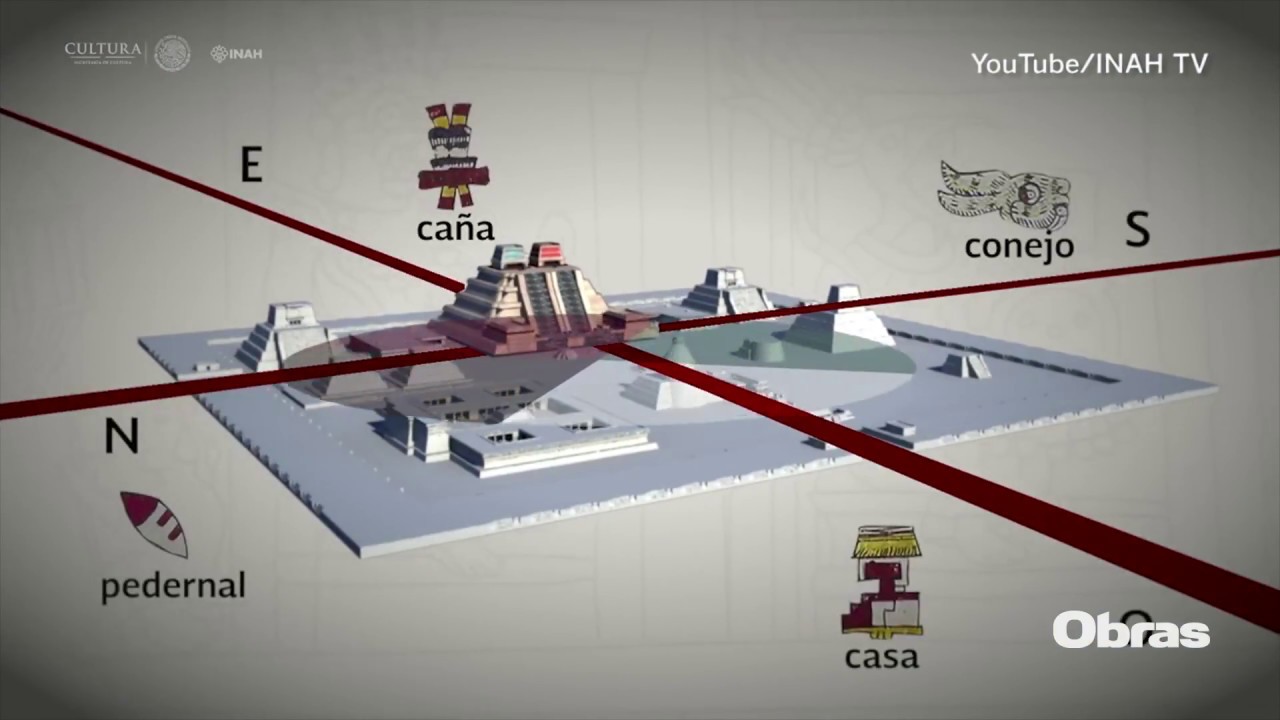
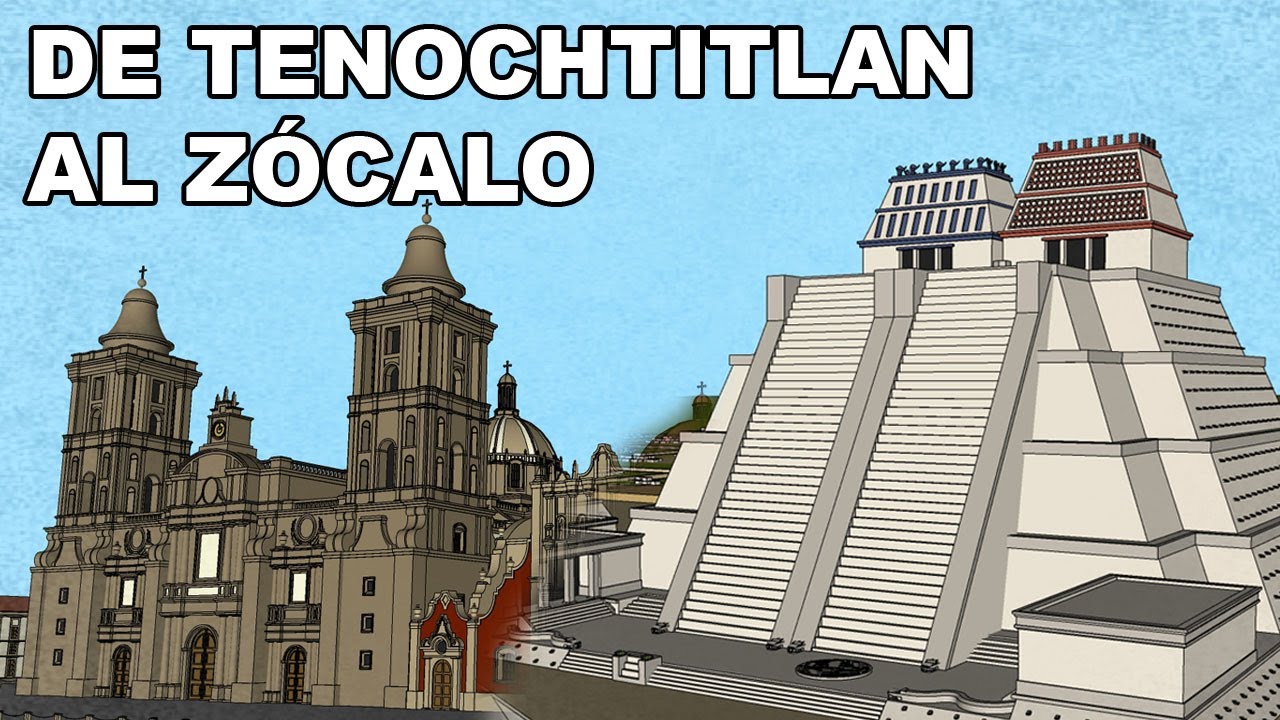
Regarding the Templo Mayor, we must consider etymology and construction:

  • Huey Teocalli actually means “Main Temple,” so you’re writing the same thing.

Teocalli is the name of the temple they had. Every Nahuatl city always had a main shrine (Huey Teocalli = Main Temple) to its two major gods. For the Aztecs, these were Huitzilopochtli, god of war, and Tlaloc, god of weather. The Aztecs believed in cosmic dualism, which is why they had two shrines at the top of the temple instead of one.

Now, about this giant structure, it wasn’t always so big. It was small and grew larger as the city expanded and they could use more resources to build one on top of it.

What could be done is to have a main temple (Huey Teocalli) that acts as a 1st Age landmark (Like GoldenHorde Tent or Abba Wisdom House), where rituals or festivals are chosen, and which grows with age; and “Teocallis” as temples to produce warrior priests, sacrifice people, and other things.

On the other hand, the Nahuatl tended to separate their temples from the urban or rural area of ​​the city. There could then be some mechanic to allow one to build temples and university-level calpullis near the Huey Teocalli, perhaps an influence bonus.

Regarding the Wonder, well, as I already mentioned, the main temple is the same as the Huey Teocalli. In my own concept, since technically you always build a Huey Teocalli and expand it from the beginning of the game, I chose Moctezuma II’s mansion, which was also colossal.

But hey, these are just concepts; the point is to give ideas, so it’s fine.


2) Aztec Calendar and Festivals
I mean, yes, there were four periods of suns, but as far as I know, the story of the four suns isn’t about rituals celebrating them, but rather a memory of the past. That’s what the stone was for, to remember.

On the other hand, the rituals you chose aren’t related to their gods:

  • Technically, the four ancient suns were Quetzalcoatl (Life, Wind), Tezcatlipoca (Tricks, magic, war), Tlaloc (Weather, fire), and Chalchiuhtlicue (Water, rivers), and they have nothing to do with what you’re proposing. Moreover, there weren’t just four suns; there was a fifth, supposedly from the Aztec era, the Sun of Movement, which depended on constant human sacrifice.

  • The rituals have confusing names: Sun of War and Sun of Warriors sound almost the same.

The rituals are different, and if they are documented, here is more information on the Russian Wikipedia, translated into English (because the English one is a disaster):

There are mainly 19 principal Aztec festivals. Then there were others for specific gods, but these didn’t last a month; instead, they lasted a day or a few days, or there were others with longer durations, like the New Fire Ceremony every 52 years.

Among some of the most interesting festivals:

  • Kecholli.- Festival of the hunting god Camaxtli. Men would go hunting in the mountains to sacrifice deer to the hunting god. Then they sacrificed someone who wore a deer mask.

  • Tlacaxipehualiztli - Festival of the god of renewal, Xipe Totec. Captives were made to fight against eagle and jaguar warriors in a ritual combat on a circular stone platform. They usually lost and were sacrificed. Afterward, the priests skinned the captives and wore the skins, keeping some for other occasions.

  • Panquetzalistli - Festival of the god of war, Huitzilopochtli. Mass sacrifices were made, and houses and trees were decorated with paper ornaments.

  • Toxcatl - Festival of the god of deception, Tezcatlipoca. The ixiptla of Tezcatlipoca was sacrificed, although the ritual was complex: For a year, the ixiptla pretended to be an incarnation of Tezcatlipoca, was given four women who represented his four wives, had to perform certain rituals in the temples, and on the appointed date, was sacrificed, but not before breaking a flute. Then another ixiptla was chosen to be sacrificed the following year.

1 Like

my main concern with this is, how do you work around aztec reality with siege side of things

3 Likes

Same thing Im thinking out loud
How Aztecs with Siege?
Maybe following the same approach as Malians but with Sappers, Rams and Captured Cannons?

1 Like

Let’s hope not. What I’m proposing is a civilization with unique mechanics that can compete against others. See the link for more details.

Thanks for commenting. You’re right, the translation wasn’t quite right, but I think the Templo Mayor should remain as a wonder, and the other temples should be part of the main mechanics along with the Aztec Sun. You’re absolutely right in your observations, but if you visit the link, you’ll see how the calendar is explained in more detail. I only summarized it here, but on Reddit, it’s all broken down and much easier to understand. Its main mechanics should be the temples and the Aztec Sun. Visit the link and give me feedback and help me refine this proposal. I think you’ll like it. Cheers.

Ultimately, it’s a game, and it can be complemented with basic siege weapons like battering rams, but with reduced health, which would be interpreted as the Aztecs lacking battering rams. The Templars also lack siege weapons; however, this could be compensated for with other fortresses. The same applies to the Aztecs; therefore, my proposal is for anti-siege infantry and slowing infantry in the Imperial Age.

1 Like

En definitiva, se trata de un juego, y puede complementarse con armas de asedio básicas como arietes, pero con menor resistencia, lo que se interpretaría como la falta de arietes por parte de los aztecas. Los templarios también carecen de armas de asedio; sin embargo, esto podría compensarse con otras fortalezas. Lo mismo ocurre con los aztecas; por lo tanto, mi propuesta es incluir infantería antiasedio y ralentizar a la infantería en la Edad Imperial.

Mesoamerican Siege replacement units

========================================

In the feudal age (II), with battering rams and siege towers, there would be no problem. Mayan murals tell us that Mesoamerican peoples also used them, and Aztec texts show that they at least used ladders to climb walls.

Now, for the Castle Age (III) siege, they fulfill very specific roles. Certain units could theoretically replace them. Here’s my idea:

  • Slinger - a substitute for the Springdale + Little Cannon. Low siege damage. Good against melee infantry and somewhat effective against siege units and buildings. Its rocks can hit an additional unit after impact.

  • Dart Thrower - a substitute for the Mangonel. Technically like the Javelin Thrower, it fires darts and is good against ranged units.

  • Fire Archer - a substitute for the Rock Thrower. They have a “siege arrow” mode which has little siege damage and long range against buildings (11) but is poor against everything else. Bonnus vs buildings. In normal mode, they deal normal arrow damage.

If there’s one thing that South American and Mesoamerican civilizations had in common, it’s the presence of Slingers and Dart Throwers (Stolica/Atlatl/Venablo), as well as some kind of fire archer corps, in addition to regular or professional archers.

The Slinger would essentially take on the light anti-building and little anti-siege role of the Mangonel and Cannon, but with the agility and role of the Springdale. The Dart Thrower, on the other hand, only fulfills the anti-range role of the Mangonel, with good ranged resistance (some shield or padded armor). The fire archer would be effective against fortified Keeps and Outposts. Recaptured Cannon also is a possibility, but Templars exist without Cannons, and i suppose vikings too, so, dont problem with that.

In fact, several unique features, technologies, or bonuses could emerge depending on the Mesoamerican civilization. Some ideas include:

  • Incas: They have unique slingers (Andean Slinger) and a unique fire archer replacement (Siege Slinger).
  • Mayas.- Unique dart thrower (Noble dart-thrower) rituals improve special range units.
  • Aztec.- Unique dart thower (Otomitl dart-thrower, 2 population) rituals improve special range units.
  • Mapuche.- nothing in particular. They even gain access to gunpowder units if the enemy civs have access to those (Copy mechanic).
1 Like

Yes, I was thinking that the Aztecs could have cannons, but I don’t know about siege towers… The cannons would be called “captured cannons” (similar to how Native Americans have captured cannons in AoE 3) and would cost twice as much and be created twice as fast as normal cannons… So for siege, they would only have battering rams and cannons (but not trebuchets), and the rest would be taken up by shock and siege infantry…

a ladder unit to scale walls would be a fun thing to see in action

almost odd no game in series tried this

aoe3 did use slingers for building takedowns for example, i’m sure there are other ways too

any solution for the ships?

unique dirt cheap rafts and canoes are my bet for authenticity, basically you couldn’t take most navies 1 to 1, but with numbers balancing around value for resource cost, so equal value of resources would perform equally well

Basically canoes, like the Malians or their AoM and AoE 3 versions:

Hunting Canoe=Archer Ship

War/Siege Canoe=Springald Ship

Tlaloc Canoe = War Ship

Well, they would be canoes, like the Mali have. Now, since they don’t have springalds, they couldn’t have a Springald Ship, but the Byzantines have their replacement in Dromons, which attack at close range.

So they could have:

  • Canoe (Arrow Ship)
  • Ram/Boarding Canoe (Springald replacement)
  • Fire Canoe (Fire Ship)

They would also have a special canoa for Imperial (IV) or Castle age (III), like “Tlaloc canoa (Aztec)” or “Pachacutec Canoa (Inca)” that work like a Super-Arrow ship, with more HP and arrows and cost population (5 maybe).

Their canoas could also cost les population (1) to be more intereresting.

I don’t think they had the Fire Canoe because the Aztecs didn’t know about Greek fire…and they didn’t have the Demolition Canoe either because they wouldn’t have had gunpowder…

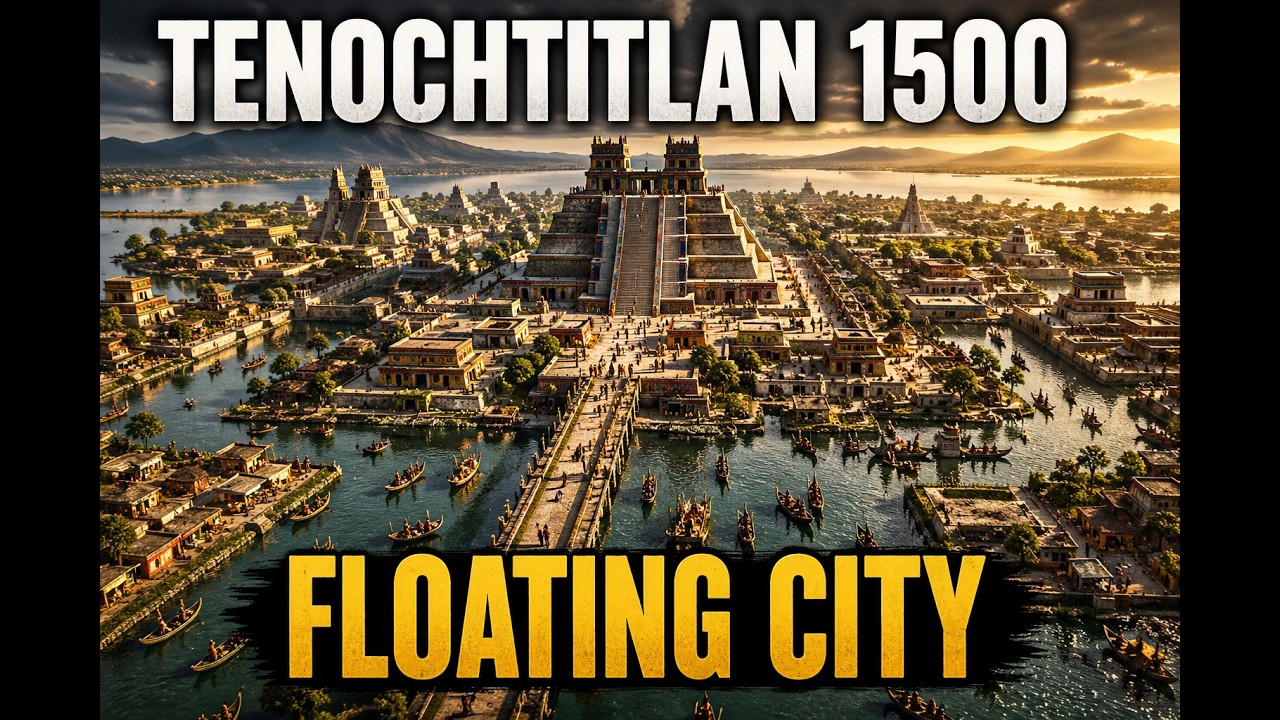
Why not go “crazy” with their tenochtitlan = floating city
just let the build stuff on water, like farms, walls, temples and defense towers

so example
chinampas = water tech to build foundations on water, to place there units and buildings
Causeway = wall / bridge for defence, units can walk on it, enemy ships cant pass it

The Coatepantli (Serpent Wall): A massive architectural boundary wall carved entirely with reliefs of interlocking snakes. It completely enclosed the Sacred Precinct, acting as both a sacred barrier and a defense wall

While Tenochtitlan did not have military watchtowers, it did feature prominent cylindrical towers.
Pyramid Shrines (The “Cues”)
The Spaniards frequently referred to the twin shrines sitting atop the Templo Mayor as towers (torres or cues) because of their sheer height.

  • The entire pyramid complex reached a towering height of 40 to 45 meters (130 to 147 feet) above the plaza floor.
  • Because the island city was entirely flat and sat at sea level, these massive pyramid peaks functioned as the city’s primary high-altitude lookout points for military defense.

The city did not literally float on water, but it appeared to due to an ingenious agricultural invention called chinampas.

  • Artificial Islands: Aztecs built rectangular plots using layers of mud, reeds, and decomposing organic matter.
  • Willow Trees: They planted ahuejotes (water willows) along the edges to anchor the plots to the lakebed with their roots.
  • Constant Irrigation: Crops had continuous access to water, allowing up to seven harvests a year.
  • Main Crops: The empire survived on maize, beans, squash, tomatoes, and chili peppers grown on these plots.

At its peak in the early 16th century, Tenochtitlan housed around 200,000 people and featured advanced urban planning:

  • Causeways: Three massive raised roads connected the island city to the mainland. They featured removable wooden bridges for flood control and defense.
  • Canals: A complex network of waterways served as the primary transit system for canoes.
  • Aqueducts: A double-channel stone aqueduct brought fresh spring water directly from Chapultepec.
  • Twin Cities: The northern part of the island housed Tlatelolco, home to the largest commercial market in Mesoamerica.
1 Like

When I say fire canoe, I’m referring to the incendiary ship, like the Mali demolition ship.

They didn’t need gunpowder to explode, because you can make them in Feudal Age II for other civilizations, even Templars, and they didn’t have gunpowder.

The point of the unit is to set a boat on fire and then launch it to crash into something. It’s a strategy that existed since the Three Kingdoms period in China, and gunpowder hadn’t been developed there yet.

The American peoples did have incendiary materials; that’s how they burned enemy cities, and the Aztecs burned their main temples.

Maybe for the last age, we could discard that technology (explosives) and use other technologies.

Well then, that could be it… the thing is, I didn’t have anything to compare it to since there are no demo ships in AoE 3 (except for the Maltese Fire Ship and the Chinese Fire Junk) and I don’t recall any records of Aztecs clashing ships in the Flower Wars or against the Spanish…