The Celts are a people native to the British Isles who use the Gaelic language and the ancient Ogham writing system. They utilize small settlements to house large family groups and employ a forging system within them. Their religion is based on ancient Celtic paganism. Druids perform rituals to connect deeply with nature and honor the cycles of the earth, ancestral magic, and the gods of the Celtic pantheon. The Celts do not use siege weapons; instead, they rely on their courage and valor to generate a trance-like state that increases their strength, allowing them to destroy anything in their path for a short time. This state is known as Furor Celtic. Finally, their mythical units are powerful beasts that summon magical attacks, partially damaging enemies and forming the backbone of the Celtic army.
Major Gods:
Archaic Age:
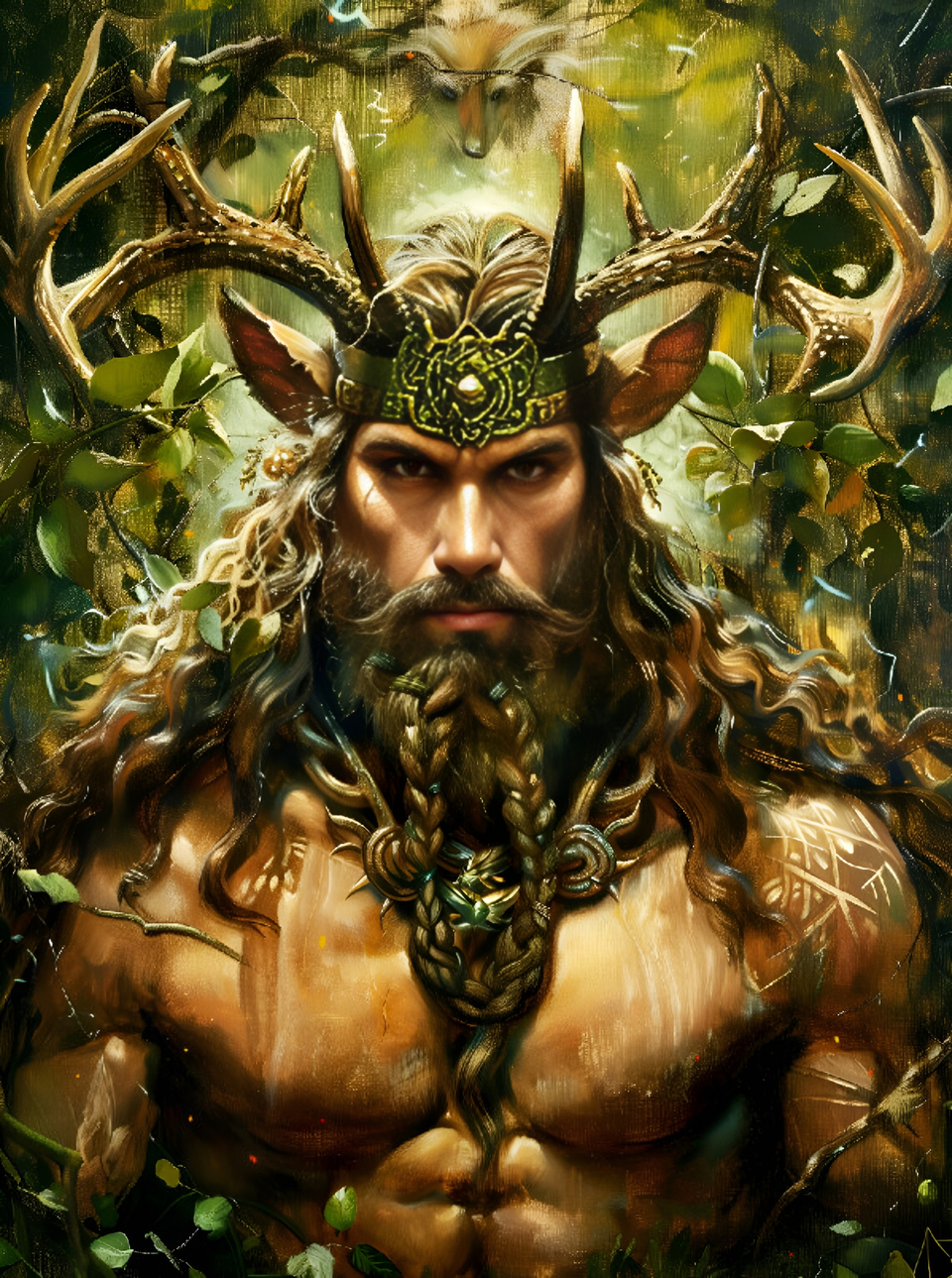
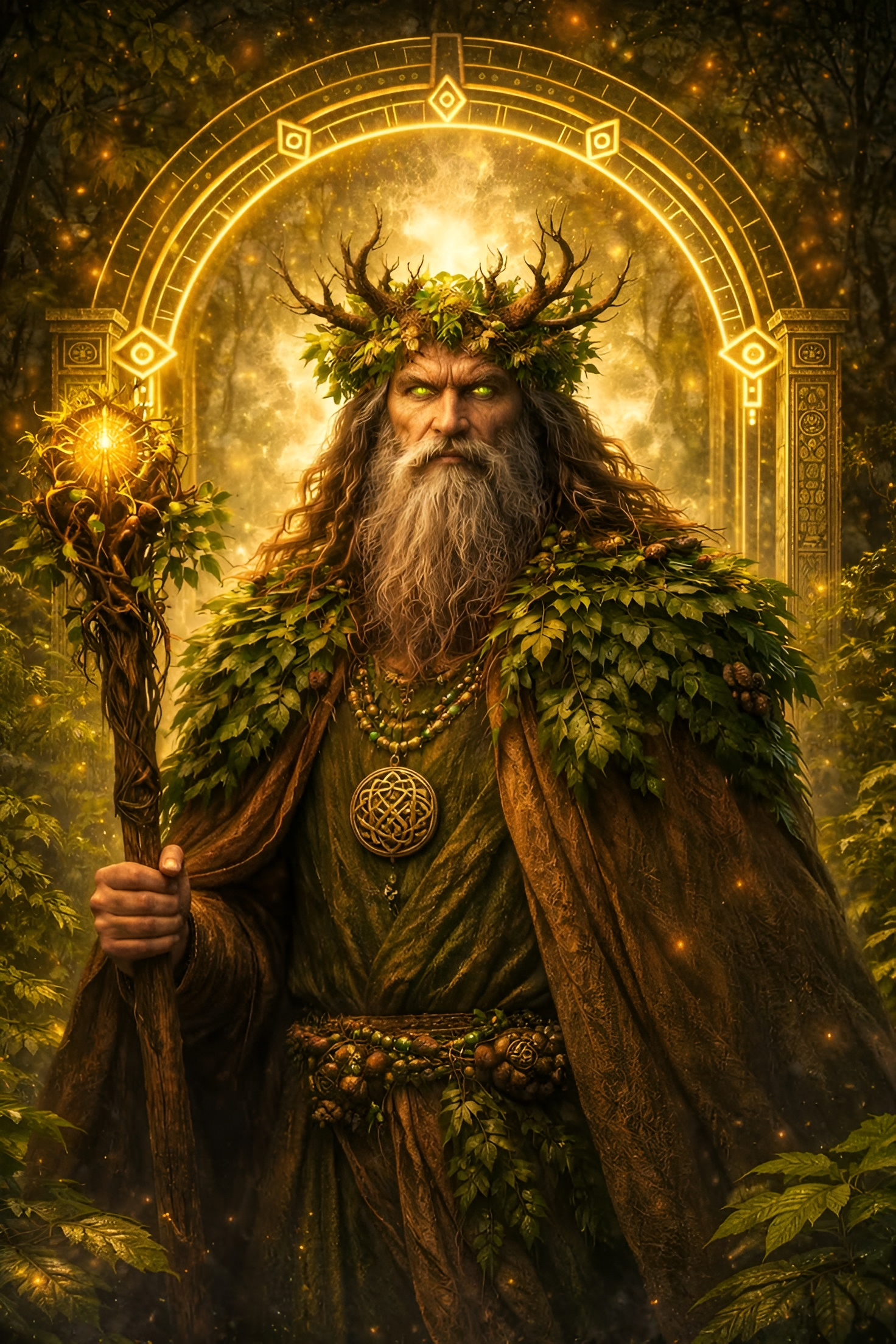
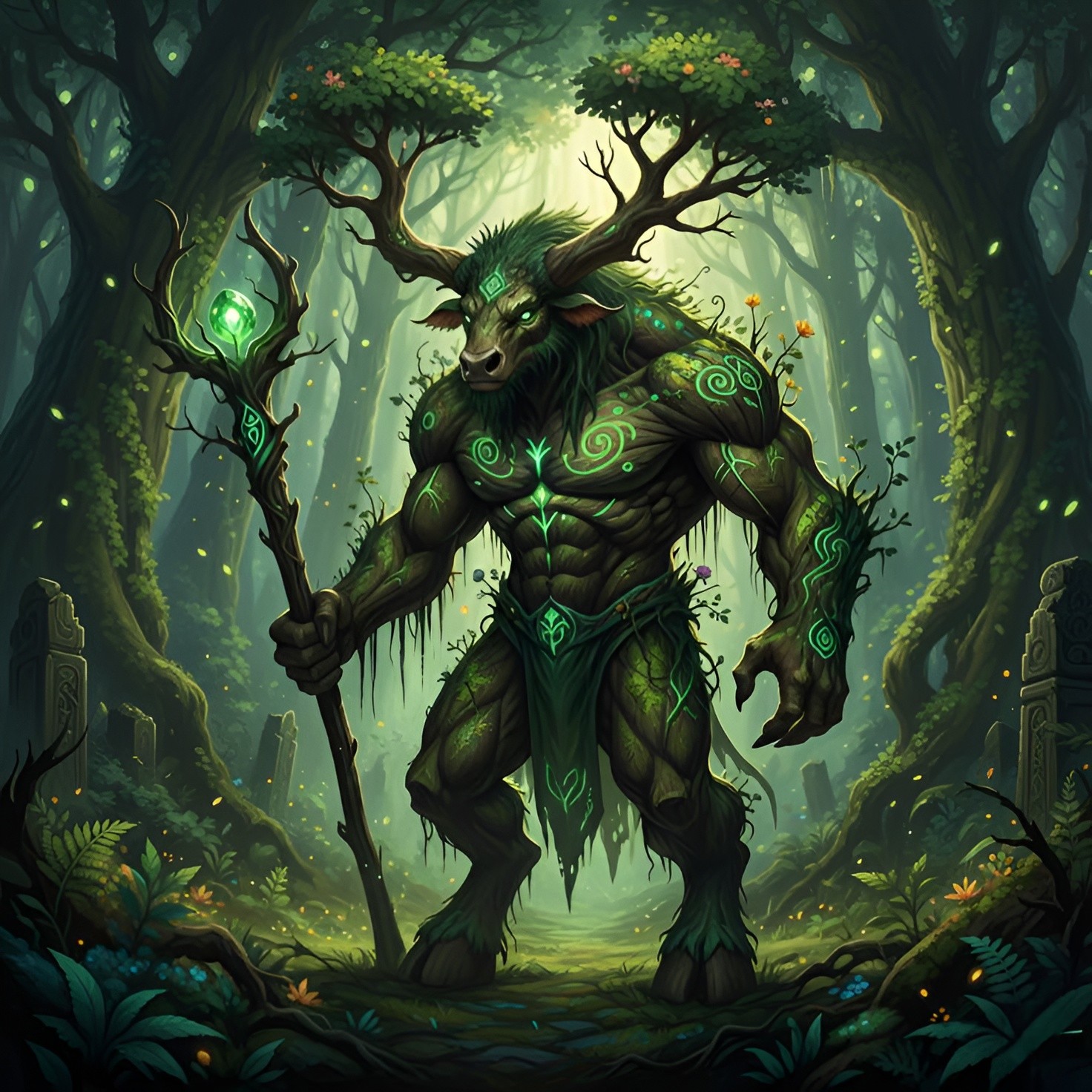
Cernunnos (God of Nature and the Hunt): Recognizable by his stag antlers. He represents fertility, animals, the cycle of life, and the abundance of the forest.
Divine Power:
Whispers of Nature: Reveals the location of all tameable animals and sends 3 deer to be hunted; the number of deer increases the next time this divine power is cast.
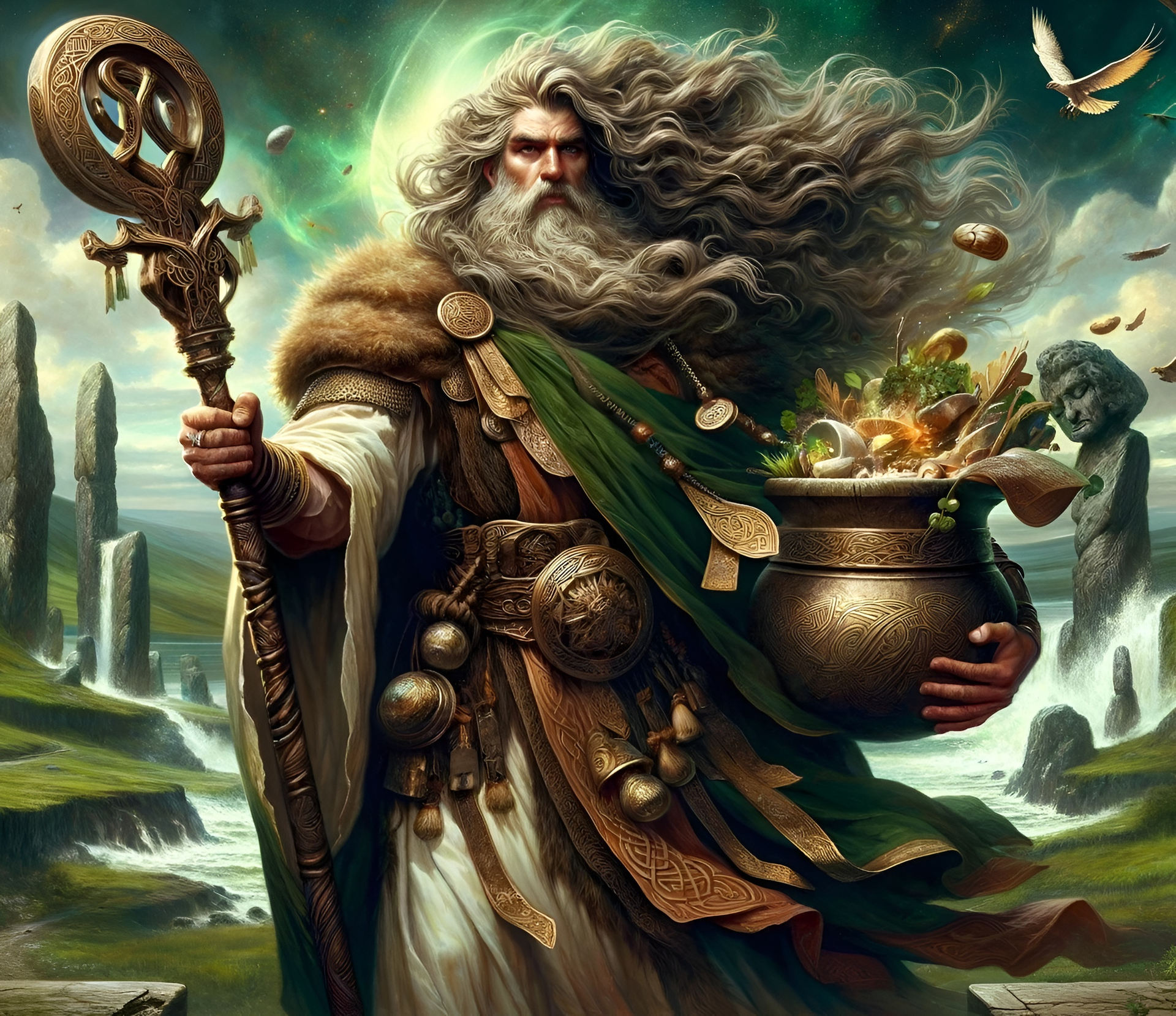
Dagda (Supreme God): Known as “The Good God” or the Druid god. He controls the weather and fertility and possesses an inexhaustible cauldron.
Divine Power:
Inexhaustible Cauldron: Creates a special gold mine (400 gold) that lasts twice as long as a standard map gold mine; the gold yield increases each time this god power is cast.
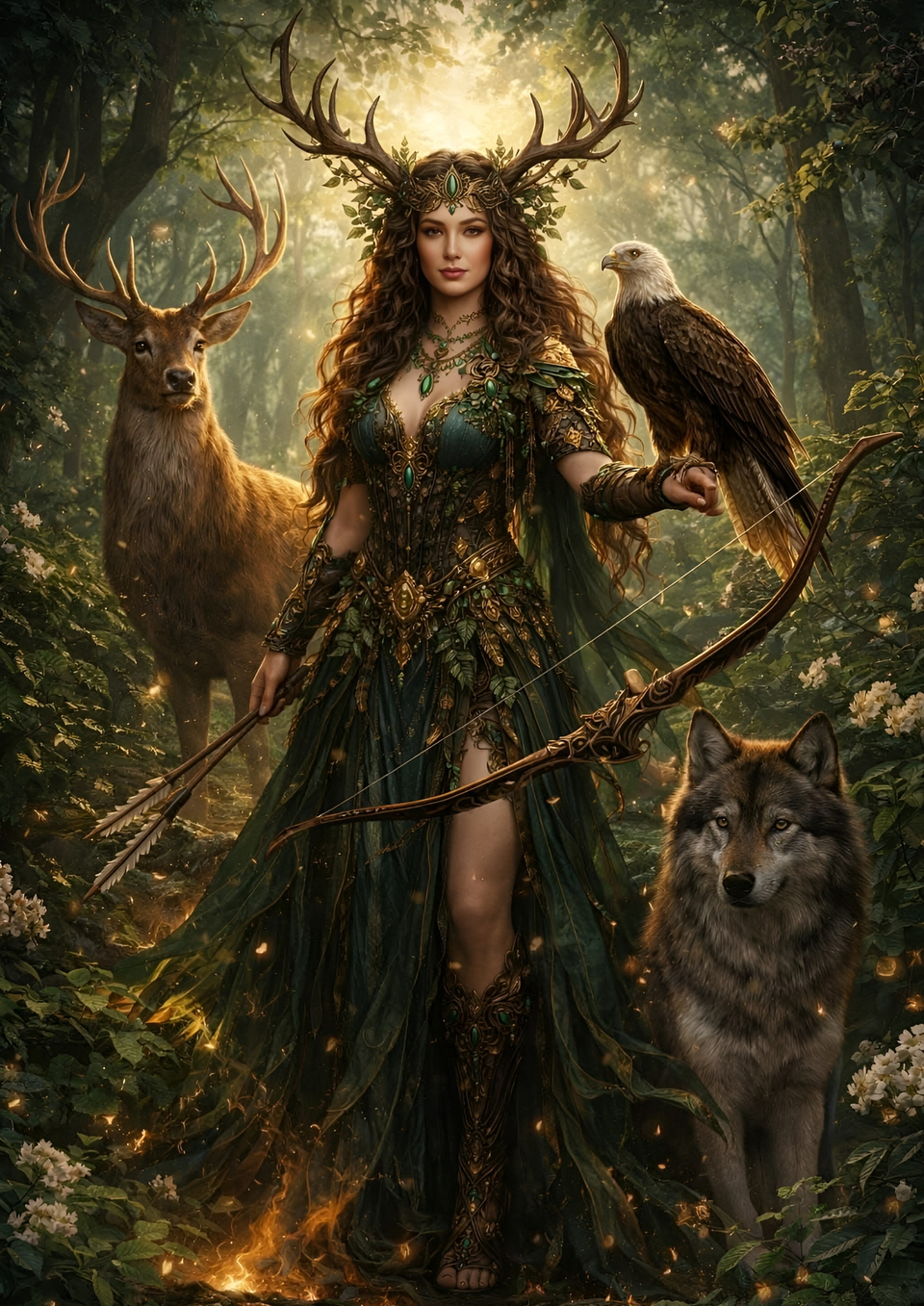
Danu (She is the primordial mother goddess in Celtic mythology): She represents the earth, fertility, wisdom, and primordial waters. She is considered the ancestral creator of the gods and the soul of nature.
Divine Power:
Wild Lands: Summons wild animals from Gaia; the animals vary depending on the selected map, and they grow stronger with each age.
Minor Gods:
Classical Age:
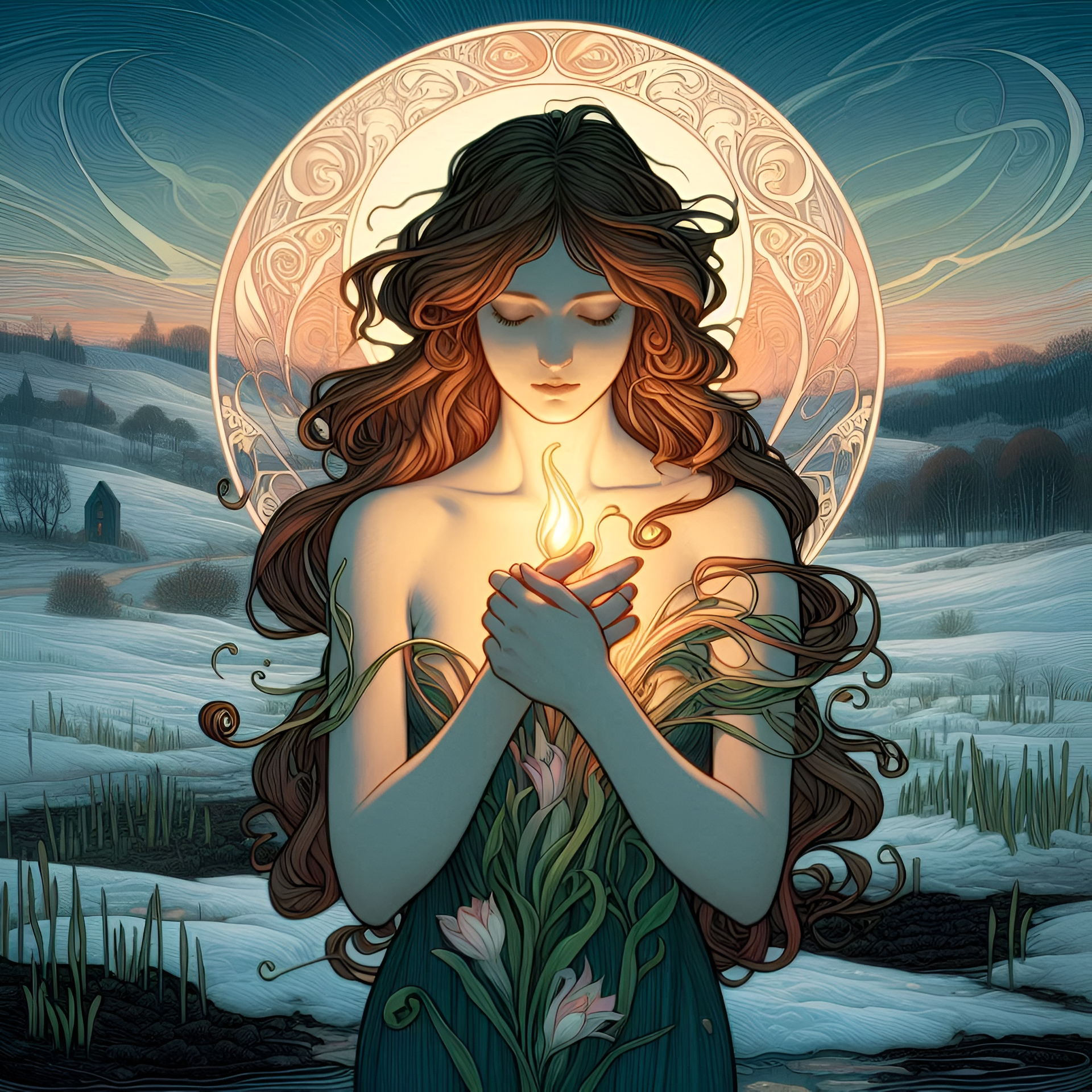
Brigid (Goddess of Sacred Fire and Healing): A triple deity venerated for her connection to poetry, blacksmithing, and medicine. She represents spring and rebirth.
Divine Power:
Divine Rebirth: Heals your military units and envelops them in sacred fire, making them invulnerable for a brief period.
Lugh: He is one of the most revered deities in Celtic mythology, known as the god of the sun, light, and knowledge. He was a master of all the arts —which is why he was nicknamed Samildánach (“the skilled in many trades”)— and a legendary warrior with unparalleled skill.
Divine Power:
Menhir Giant: Summons a powerful, living stone statue that defends your city against enemy incursions for a brief period.
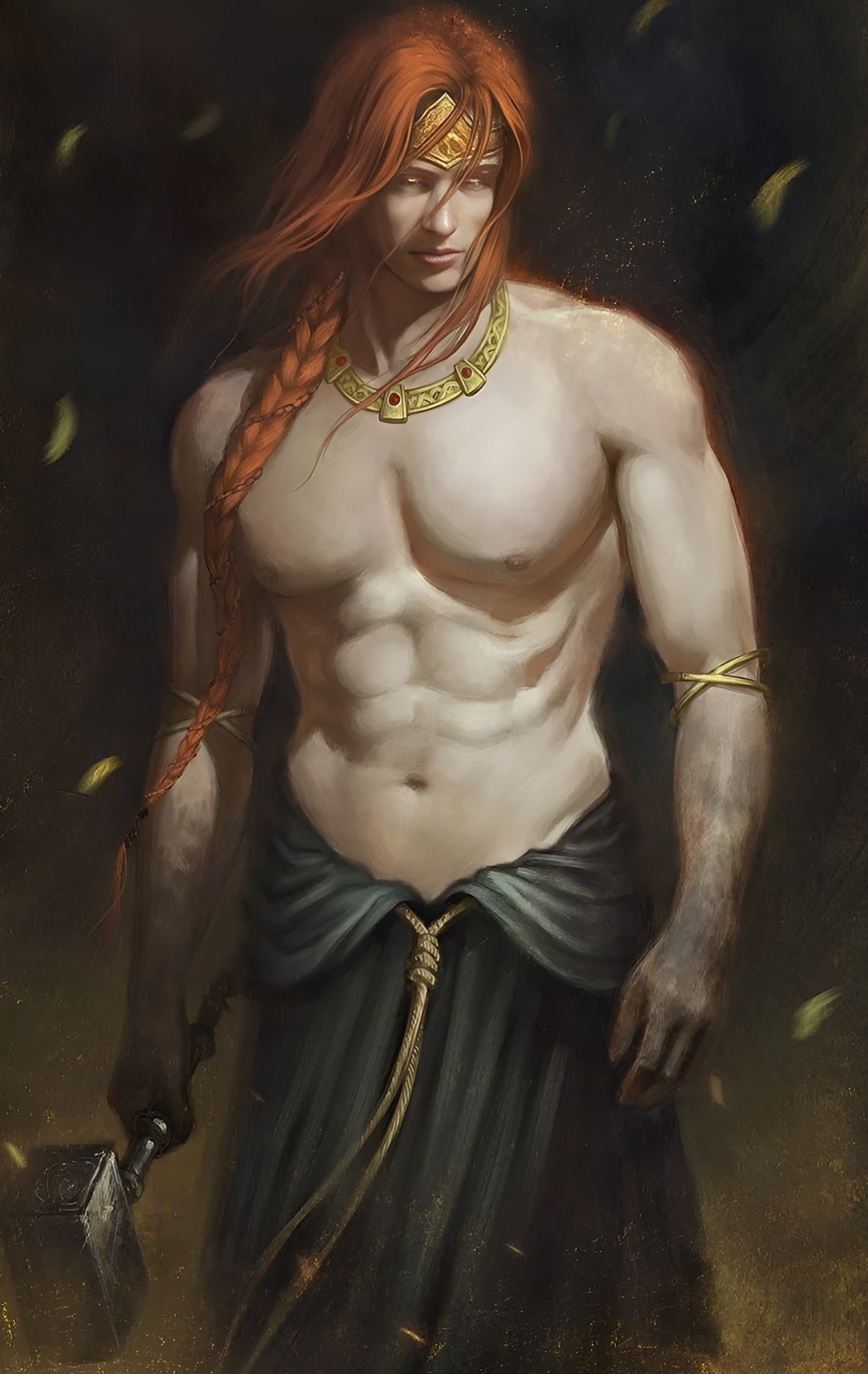
Ériu: She is the eponymous matron goddess of Ireland in Celtic mythology, from whose name the modern word for this nation is derived. Considered a goddess of sovereignty, she forms a powerful trinity with her sisters Banba and Fódla.
Divine Power:
Great Famine: All enemy food production halts for 25 seconds.

Heroic Age:
Aengus: He is the Irish Celtic god of love, youth, beauty, and poetic inspiration. A member of the Tuatha Dé Danann, he is the son of the god Dagda and the goddess Boann. He is often compared to Eros or Apollo and is famous for his great beauty.
Divine Power:
Ominous Fog: A thick fog that prevents the enemy from seeing what is happening. The enemy cannot attack or move until the fog dissipates. (Lasts 30 seconds).
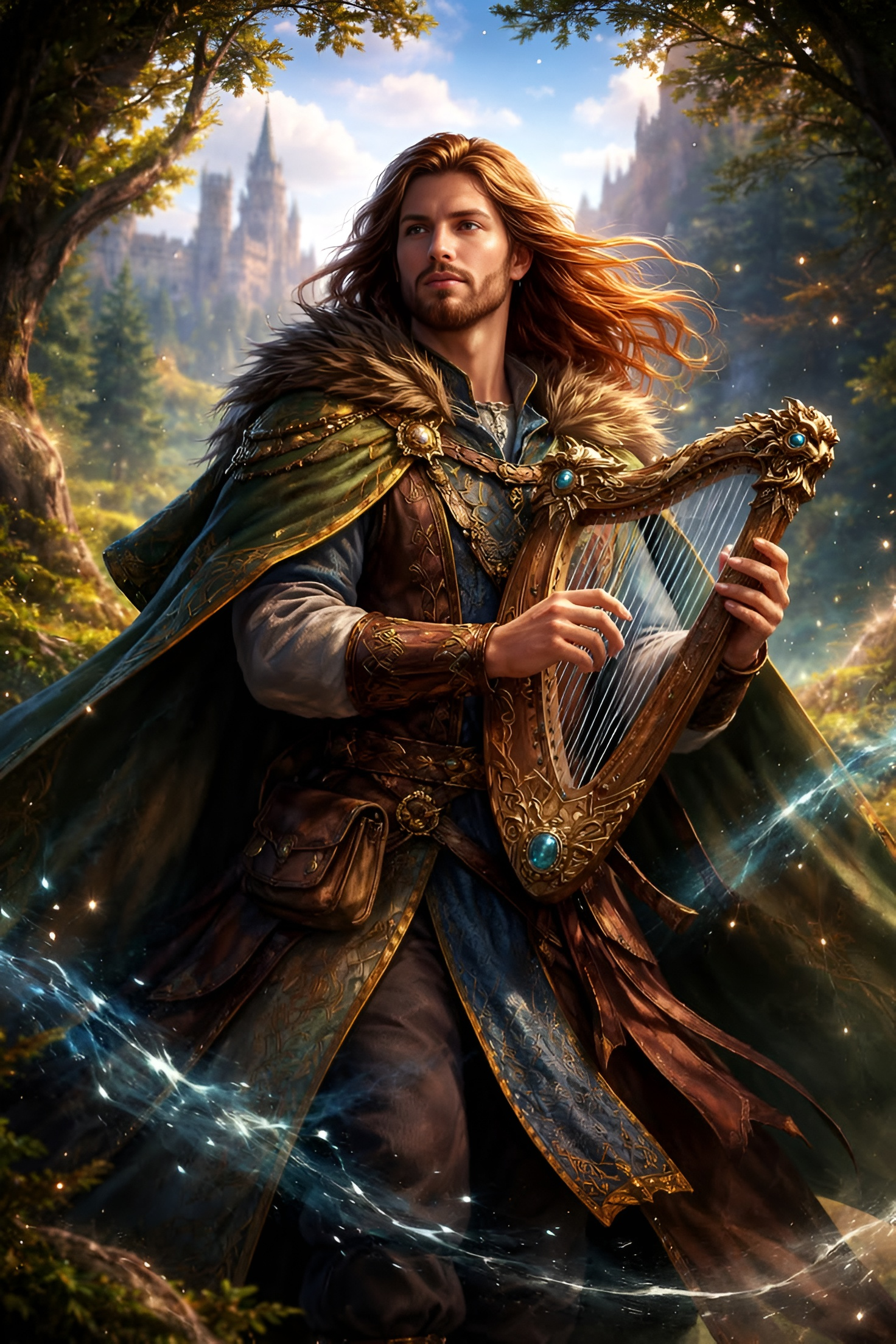
Epona: She is the revered Celtic goddess of horses, fertility, and nature. Her name comes from the Gaulish word epos (horse). She is also associated with equine protection, making her the patron saint of riders, cavalry, and horse breeding.
Divine Power:
Equine Might: grants your cavalry an aura that increases their strength and movement speed for a brief period.
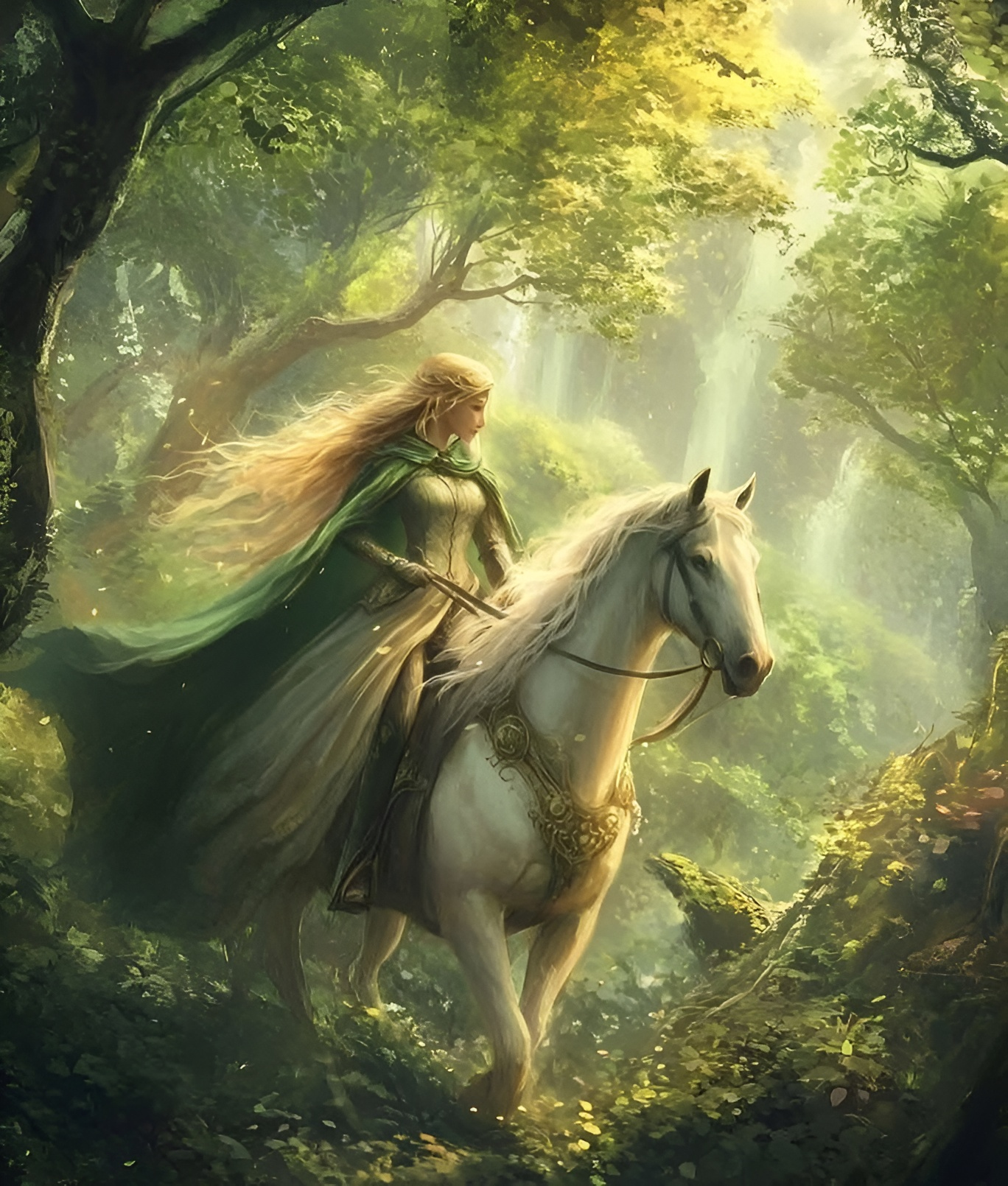
Belenus: He is the Celtic god of the sun, light, fire, and healing. Known as “the resplendent one,” he was one of the oldest and most revered deities in Celtic mythology. He was deeply associated with summer, the fertility of the land, agriculture, and shepherding.
Divine Power:
City of Trees: Select a forest or grove to summon the City of Lost Trees. If an enemy moves or fights near this forest, their units immediately lose their sanity and begin attacking one another, causing confusion among all enemy units passing nearby. This forest can only be destroyed by ranged units positioned outside the spell’s range or by mythical units, which are immune to the forest’s spell.
Mythic Age:
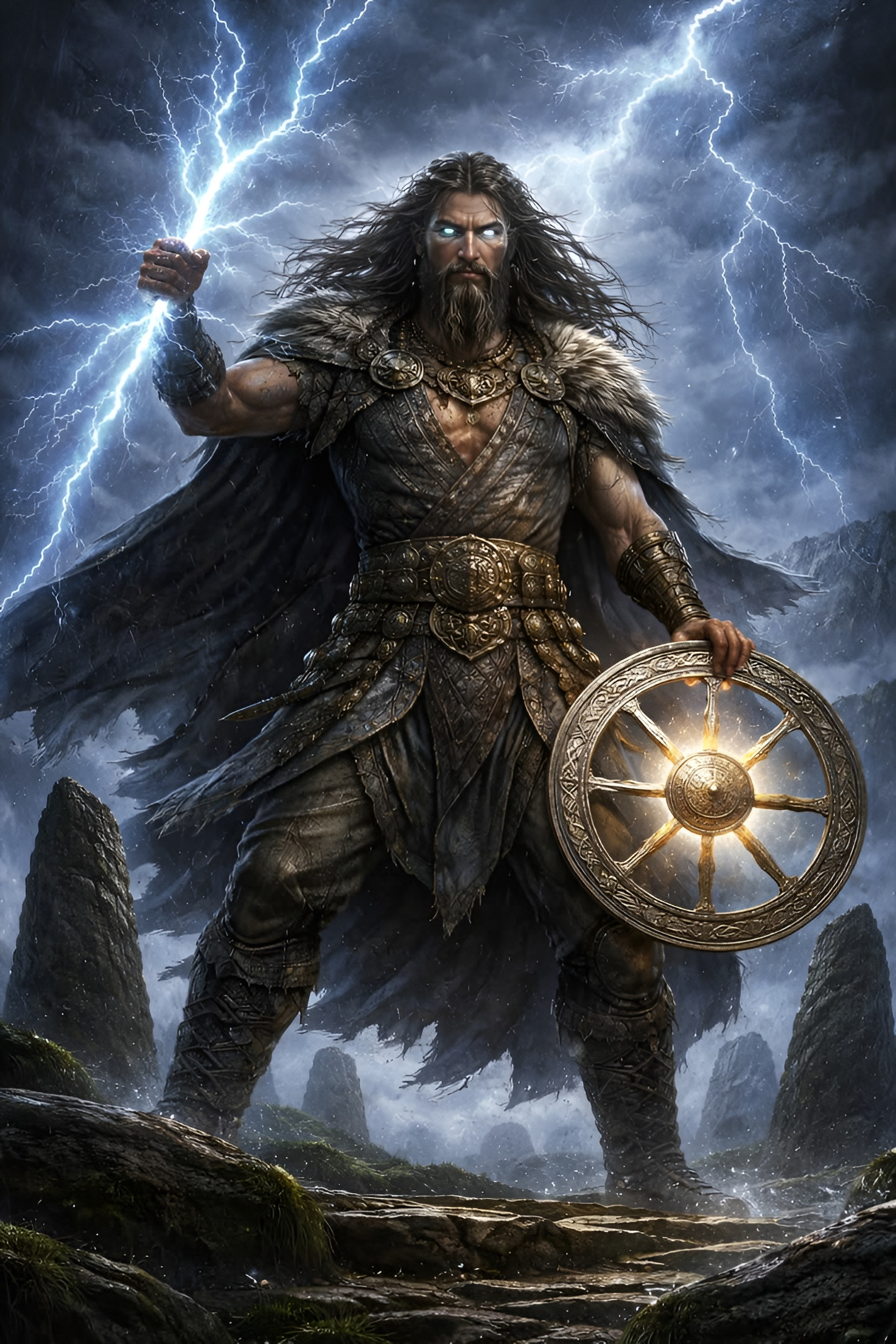
Taranis: He is one of the principal gods of Celtic mythology, worshipped mainly in Gaul, Britain, and parts of Hispania. Known as “the thunderer,” he is the god of thunder, lightning, and storms, and is often compared to deities such as Jupiter, Zeus, or Thor.
Divine Power:
Lightning Storm: Creates a lightning storm that devastates everything in its path—both units and buildings—instilling panic in the enemy.
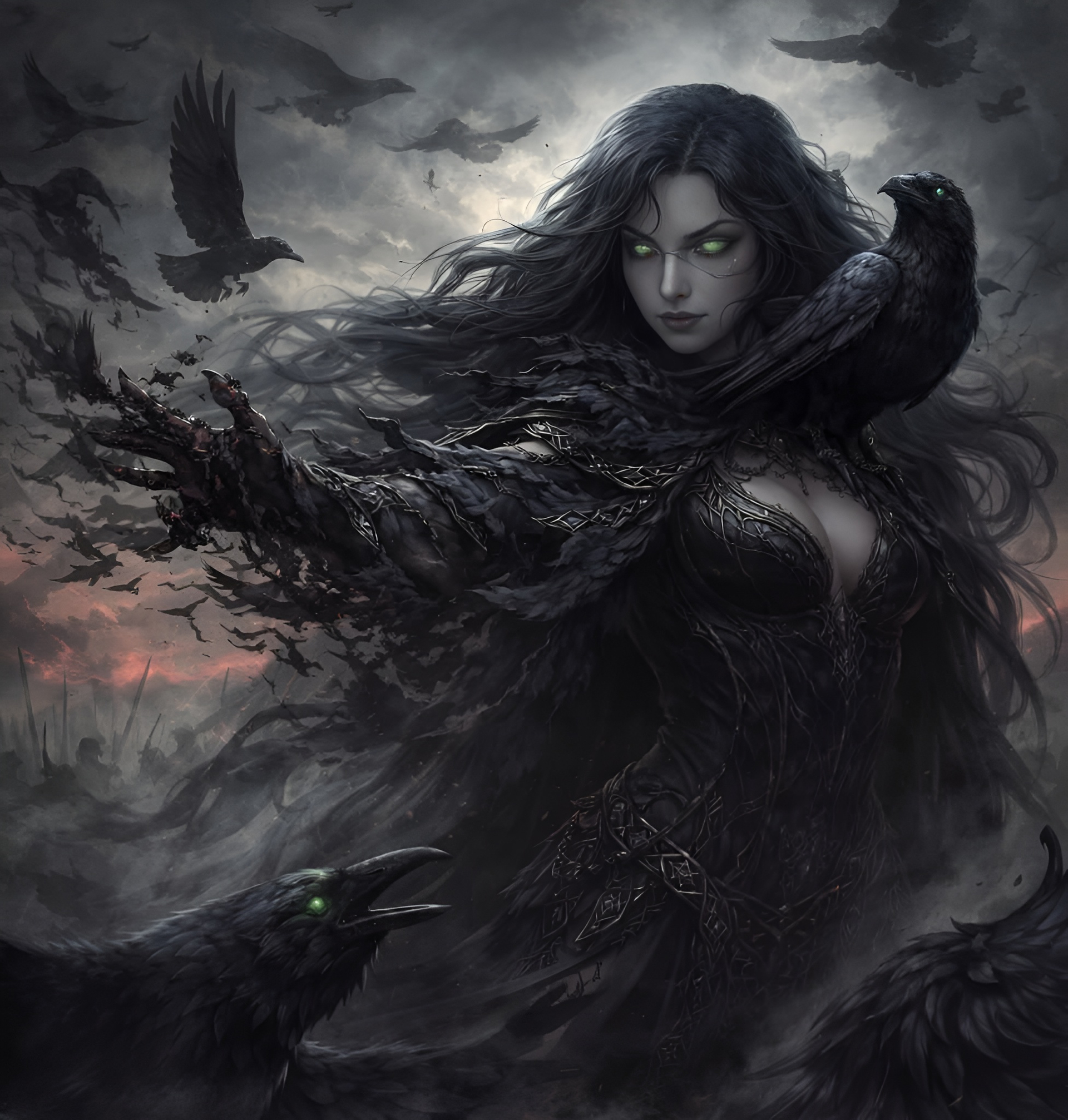
Morrígan (also known as the Ghost Queen): She is one of the most powerful and complex deities in Irish Celtic mythology. Primarily associated with war, fate, and death, she also symbolizes fertility, sovereignty, and rebirth.
Divine Power:
Cranium: A flock of ravens descends from the dark sky, dealing heavy damage to villagers and enemy units. (Lasts 25 seconds)
Camulos: He is the ancient Celtic god of war. His name translates as “mighty” or “champion.” He was primarily worshipped by the Belgic tribes in Gaul and the Celtic peoples of southeastern Britain.
Divine Power:
Acid Rain: Deals great damage to enemy units and buildings, for a brief period of time.
Celtic Buildings:
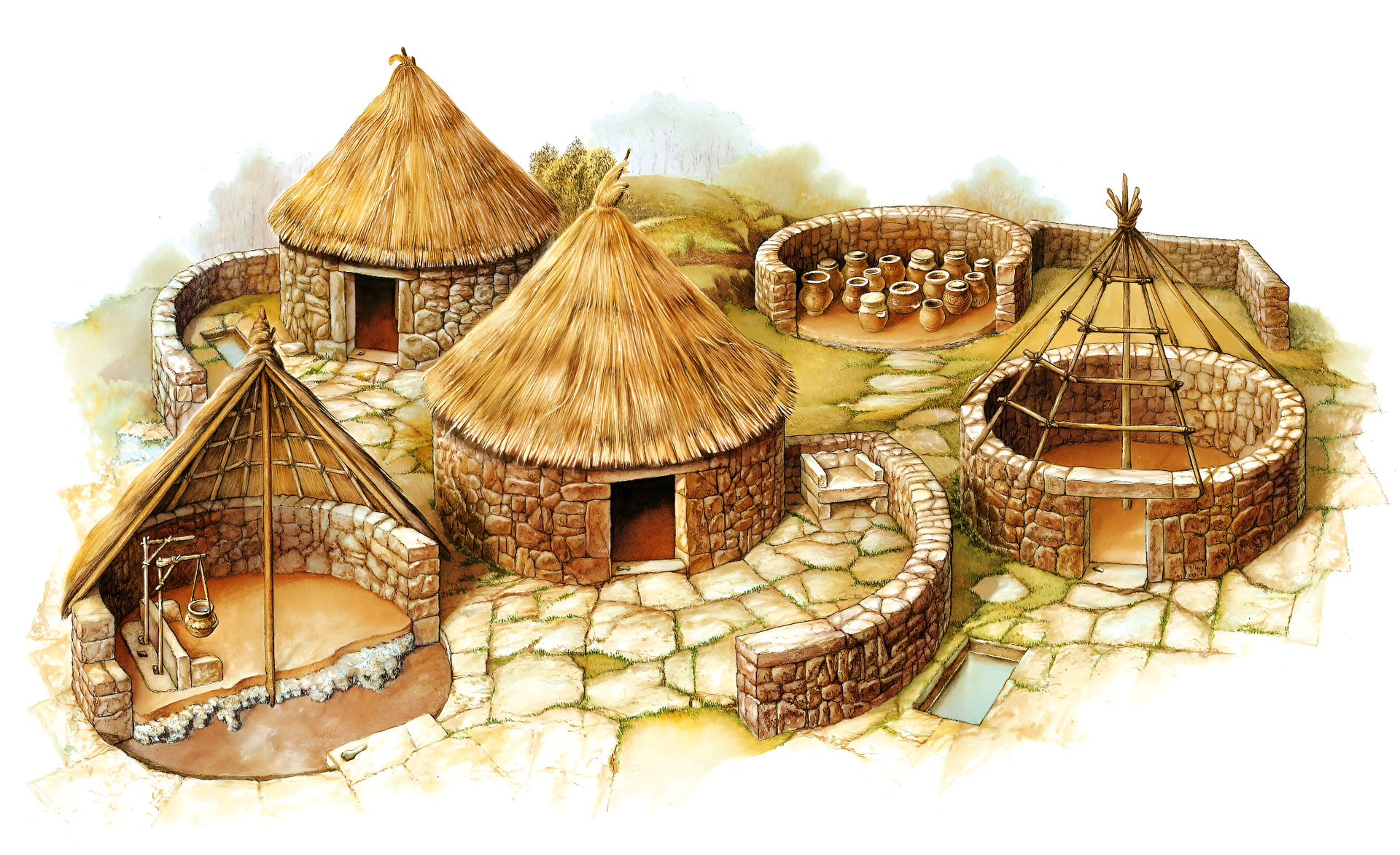
Castrum: Small settlement that grants 25 population space and also has a blacksmith inside, allowing you to create armory upgrades, limit of 6 castrum.
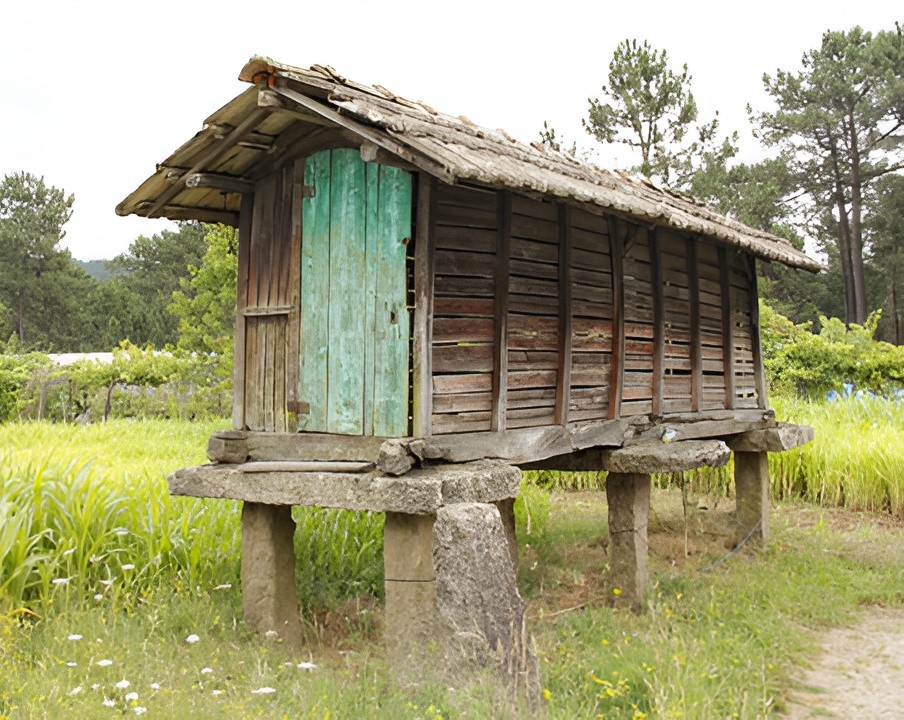
Hórreo: a raised storage structure on stilts that protects crops, wood, and minerals from ground moisture; you can store all natural resources here.
Exchange Center: Functions like a marketplace; you can also create pony caravans to trade resources with your allies.
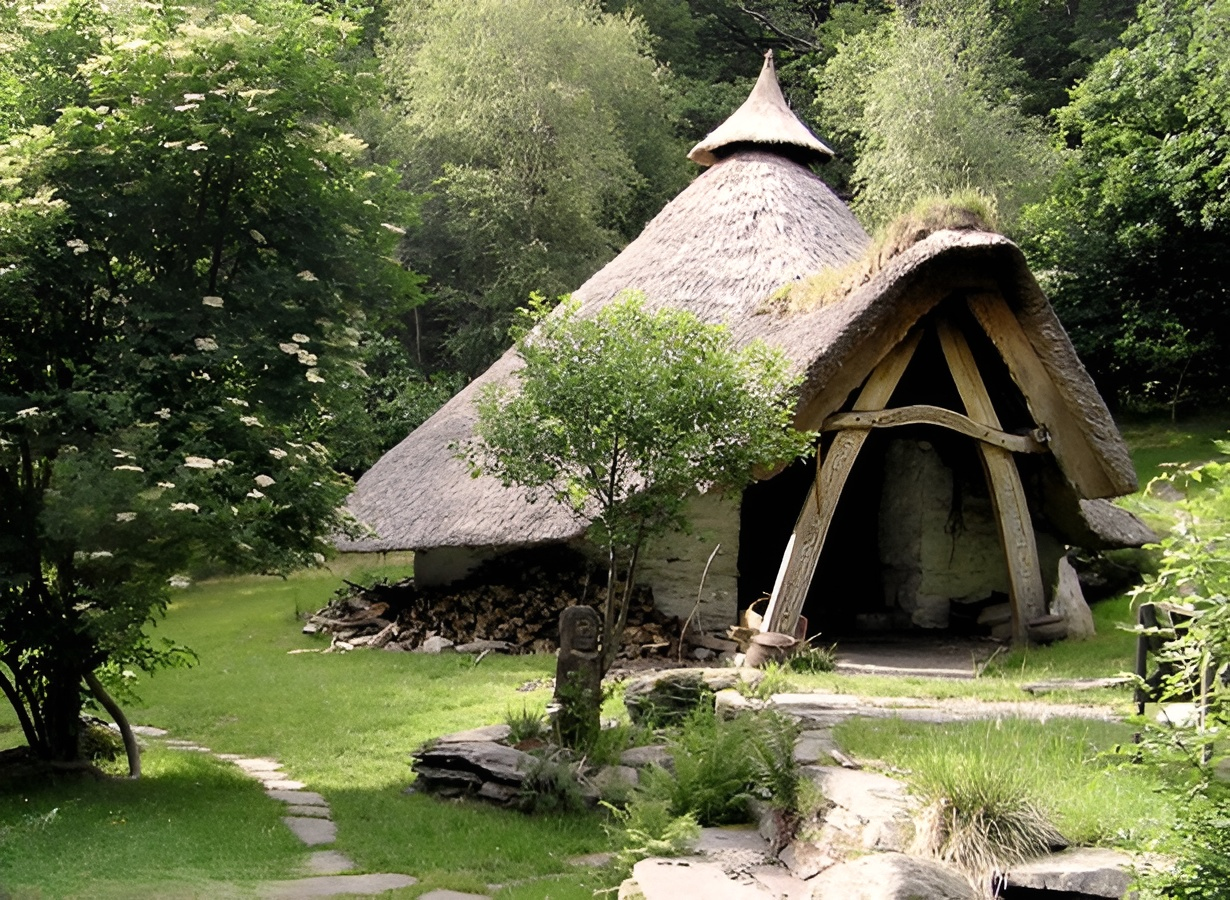
Pony Caravan: A small but sturdy horse with great endurance; it can cover long distances while pulling a small cart containing goods for trade.
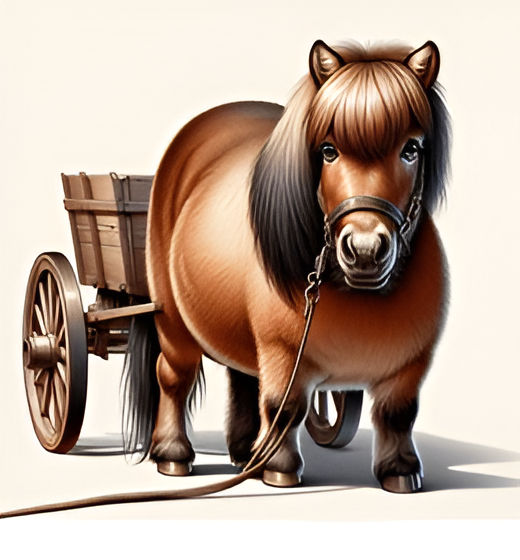
Broch: Circular stone tower used for the defense of Celtic settlements.
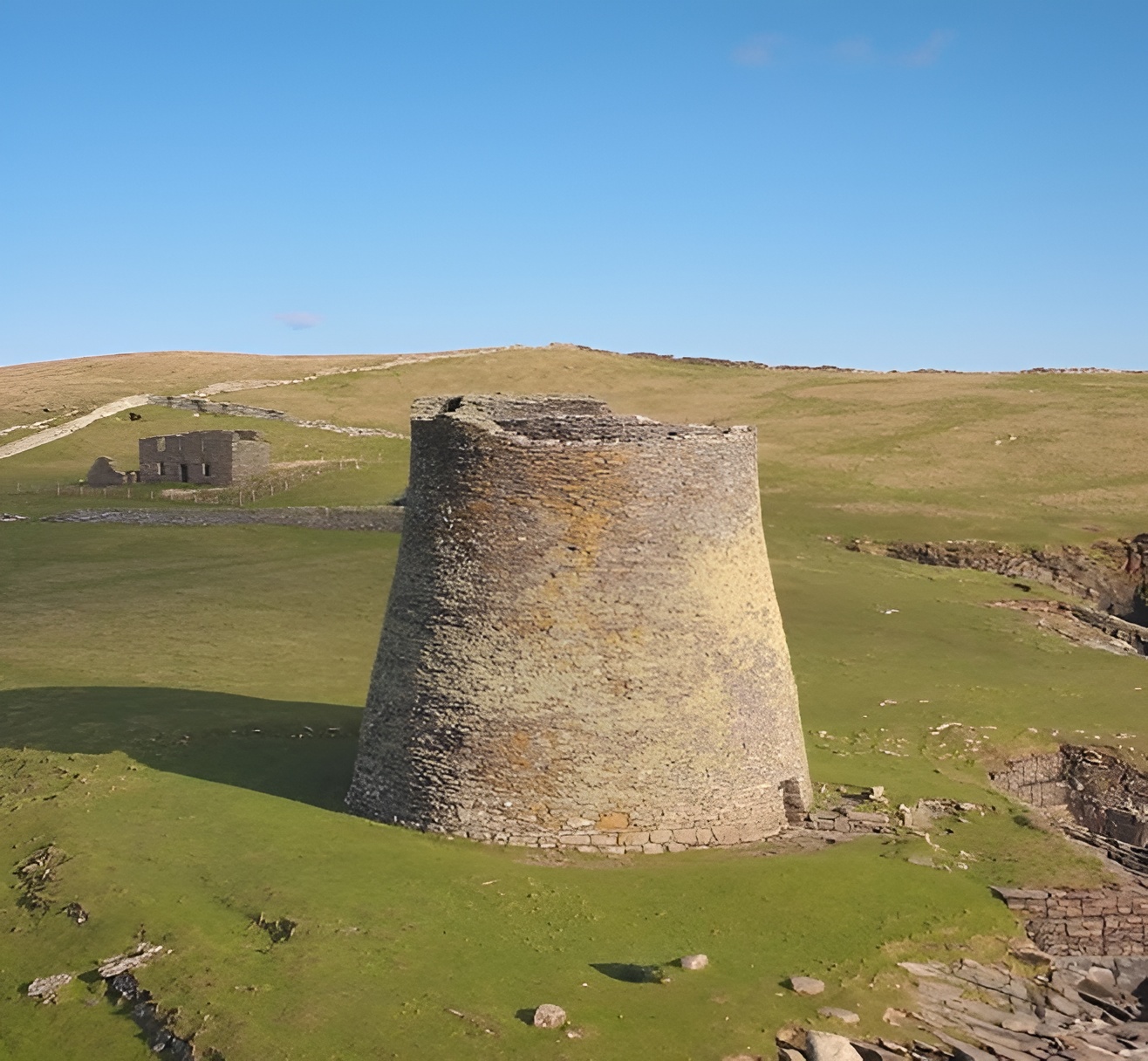
Military Camp: building where you can create your infantry units on foot.
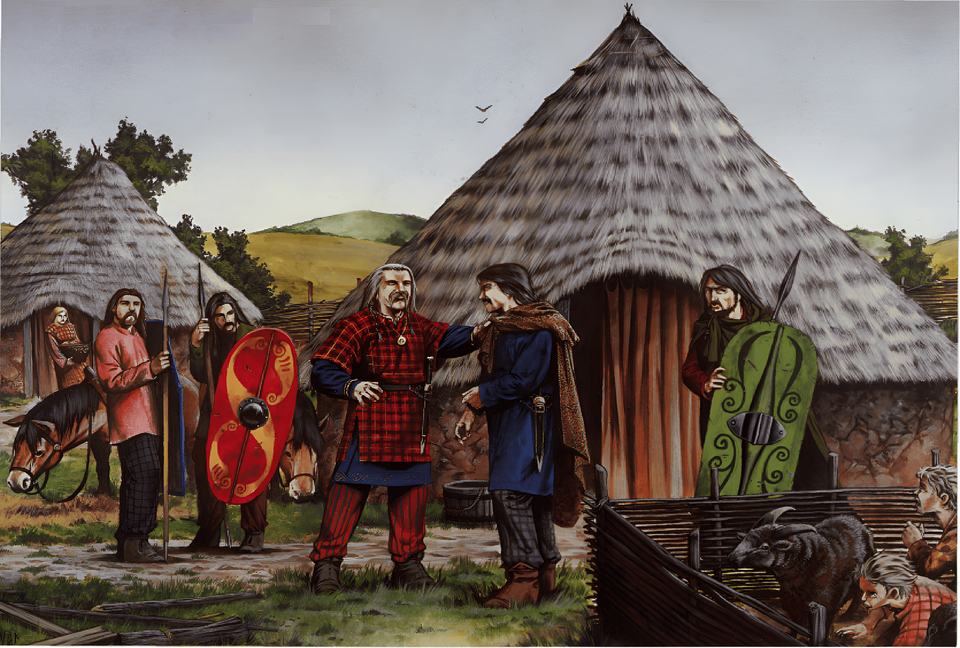
Corral: an equine building where you can create cavalry.
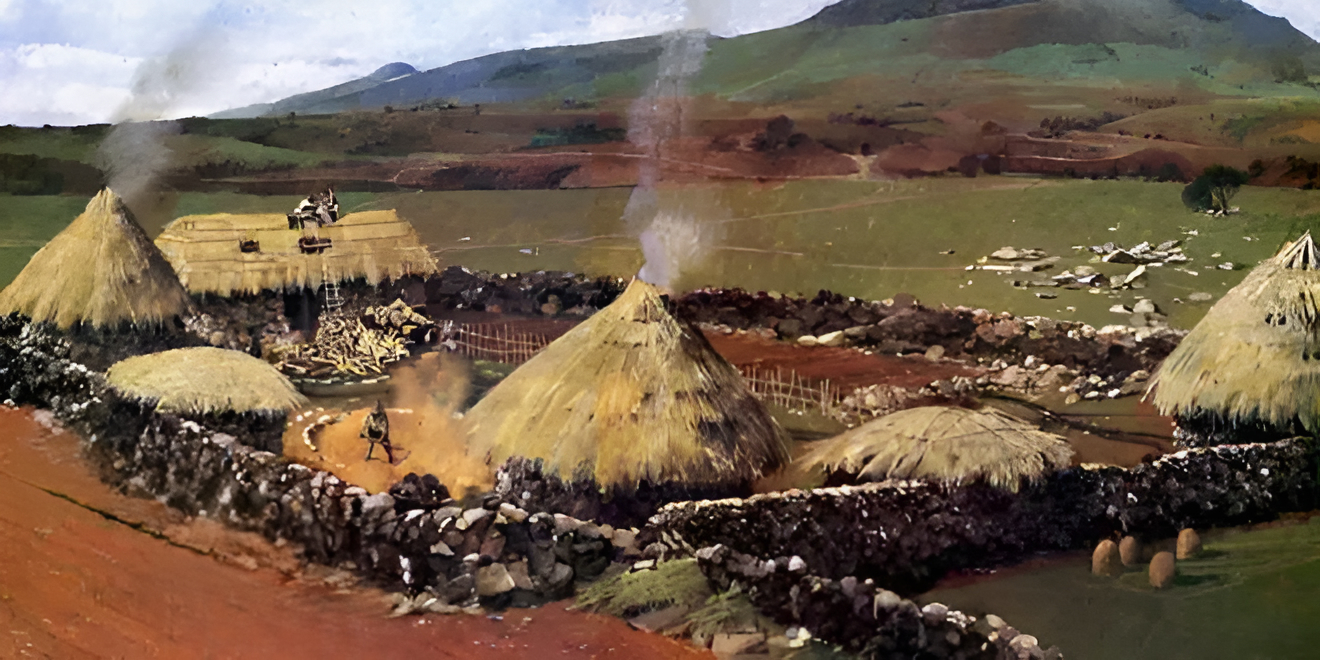
Pagan Temple: A sacred building where you can recruit mythic units. You can also perform pagan rituals with druids to generate favor. Each temple can accommodate 3 druids. With each age you advance, the creation of more pagan temples is unlocked, as these are limited to a certain number per age (1 in the archaic age/ 2 in the classical age/ 2 in the heroic age and 3 in the mythical age). Pagan temples have exclusive technologies to improve favor generation which are unlocked with each age, Creation of pagan temples limited to 8.
Unique Technologies:
(Age II) Forest Rites: Grants your druids 8% increased favor generation speed when performing rituals in the pagan temple.
(Age III) Shamanism: grants your druids the ability to slowly heal your units.
(Age III) Sages of the Oak: The druids’ bond with nature was celebrated through ceremonies in sacred forest glades. This ritual grants your druids 10% faster Favor generation.
(Age IV) Duir: Allows druids to create small oak groves where villagers can gather wood; these small magical groves are harvested 10% faster than normal forests, and creating them costs 20 Favor.
(Age IV) Celtic Runes: Runes—known in esoteric practices as “whispers of the gods”—are used to make decisions, resolve dilemmas, meditate, and channel energies; this grants your druids a near-perfect ability to channel divine powers, resulting in 12% faster favor generation.
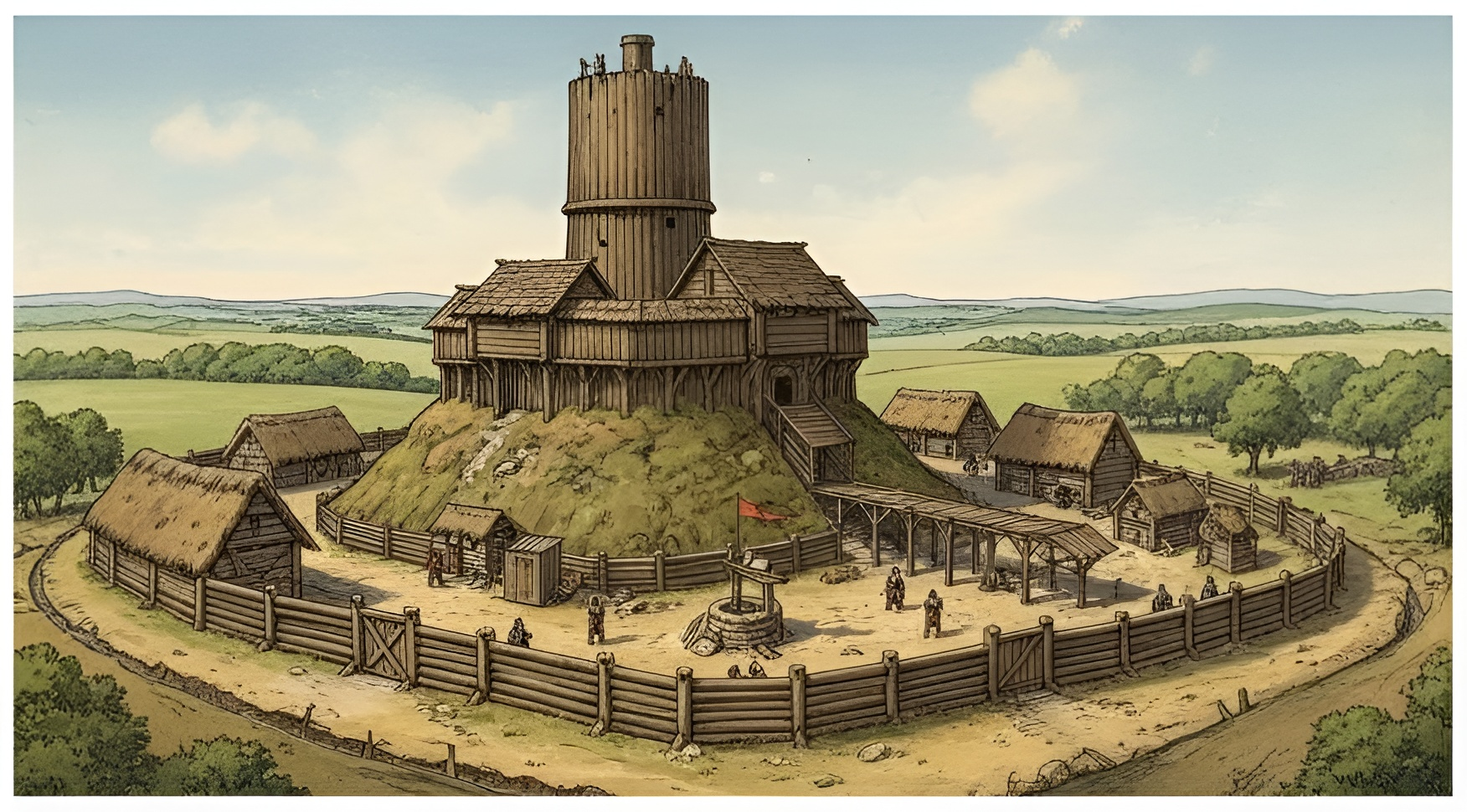
Oppidum: a huge settlement that functions as a fortress, here you can summon the Pict Warrior and the Essedum War Chariot, it also has unique technologies that increase the siege damage of your infantry units.
Unique Technologies:
(Age III) Incendiaries: All cavalry and infantry military units gain a 25% bonus against buildings.
(Age III) Carnyx Trumpets: Breton riders gain the Carnyx Trumpets ability, which stuns enemies for a few seconds with a deep sound resembling the howl of a terrifying monster.
(Age IV) Essedum Tactics: The Essedum War Chariot gains the ability to fire volleys of javelins to sow chaos and break enemy lines; your war chariots will now launch two javelins at enemies while in ranged mode, inflicting greater damage on the opponent.
(Age IV) Furor Celtic: Unlocks the Furor Celtic ability. Foot military units rely on their courage and valor, entering a trance-like state that increases their strength, allowing them to destroy everything in their path for a short time. During this time, the attack power of all military units against buildings increases considerably.
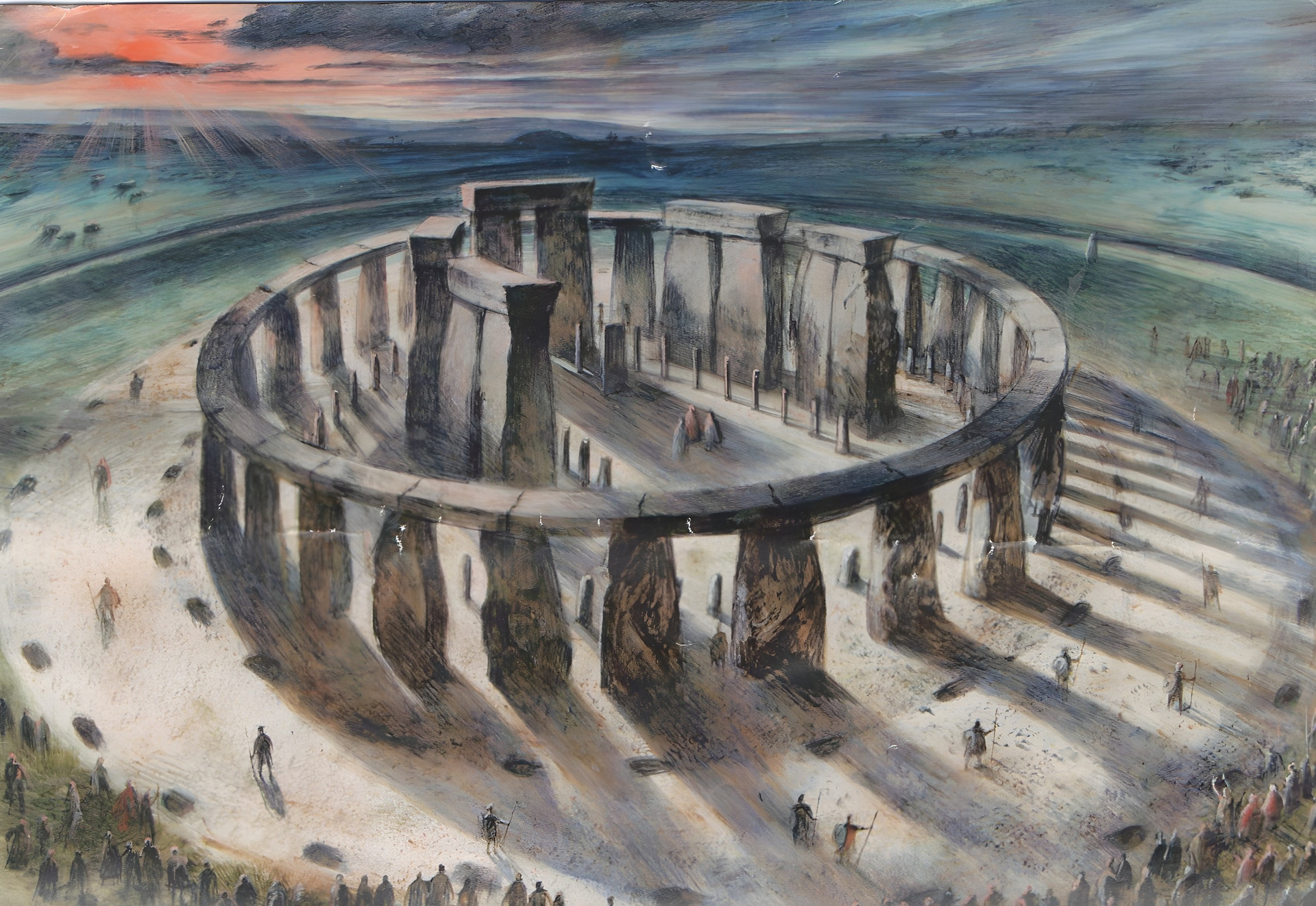
Dólmen (Wonder): a megalithic funerary structure used by the Celts as a sacred site imbued with supernatural energies and serving as a spiritual gateway between life and death.
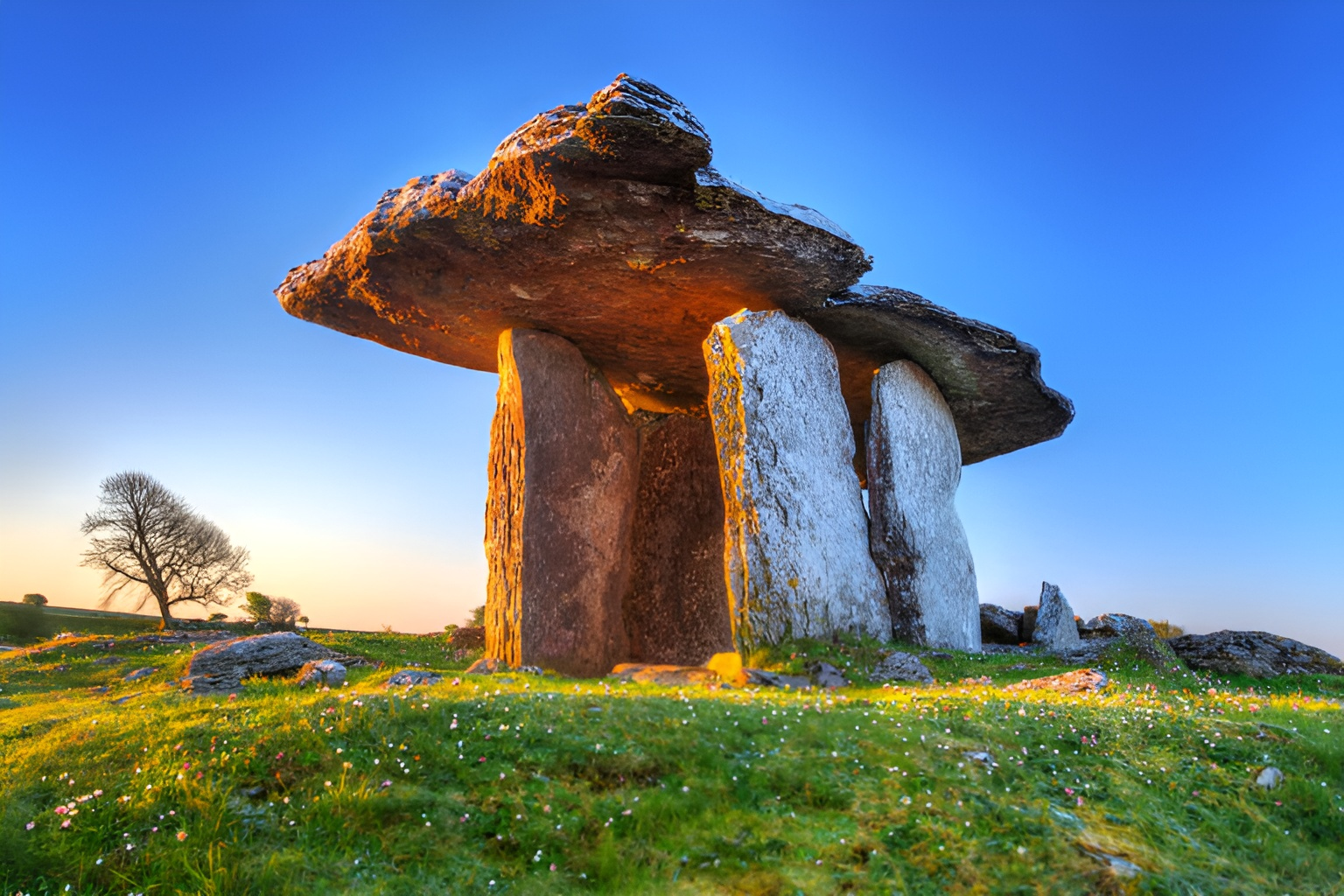
Military Camp Units:
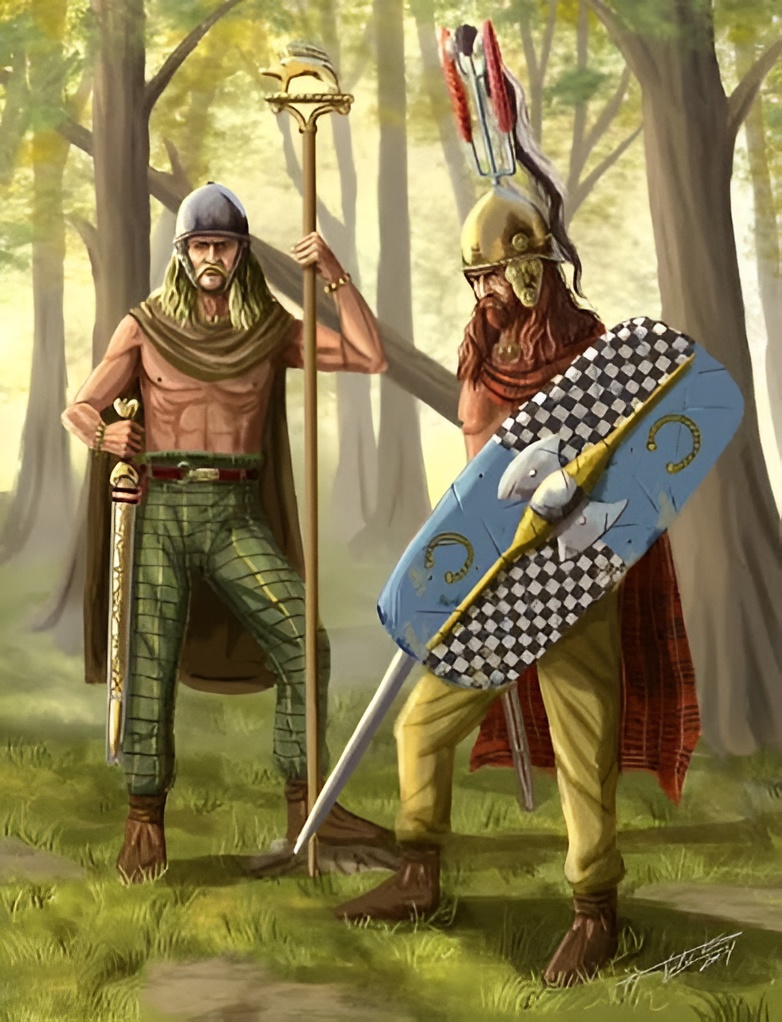
Fianna Hunter: The Fianna are mercenary warriors who operate as an independent militia during the summer; however, in times of war, they can be summoned by local kings. These warriors are effective against infantry the weapon used is the antenna-hilted sword.
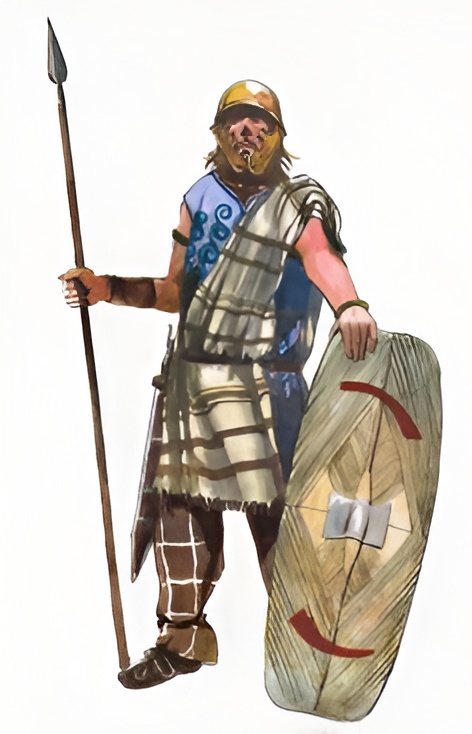
Ambaxtos: a Celtic vassal armed with a spear and shield; effective against cavalry.
Ceatharn: the ceatharn are Celtic infantry troops that use a javelin to attack from a distance. they are effective against ranged units.
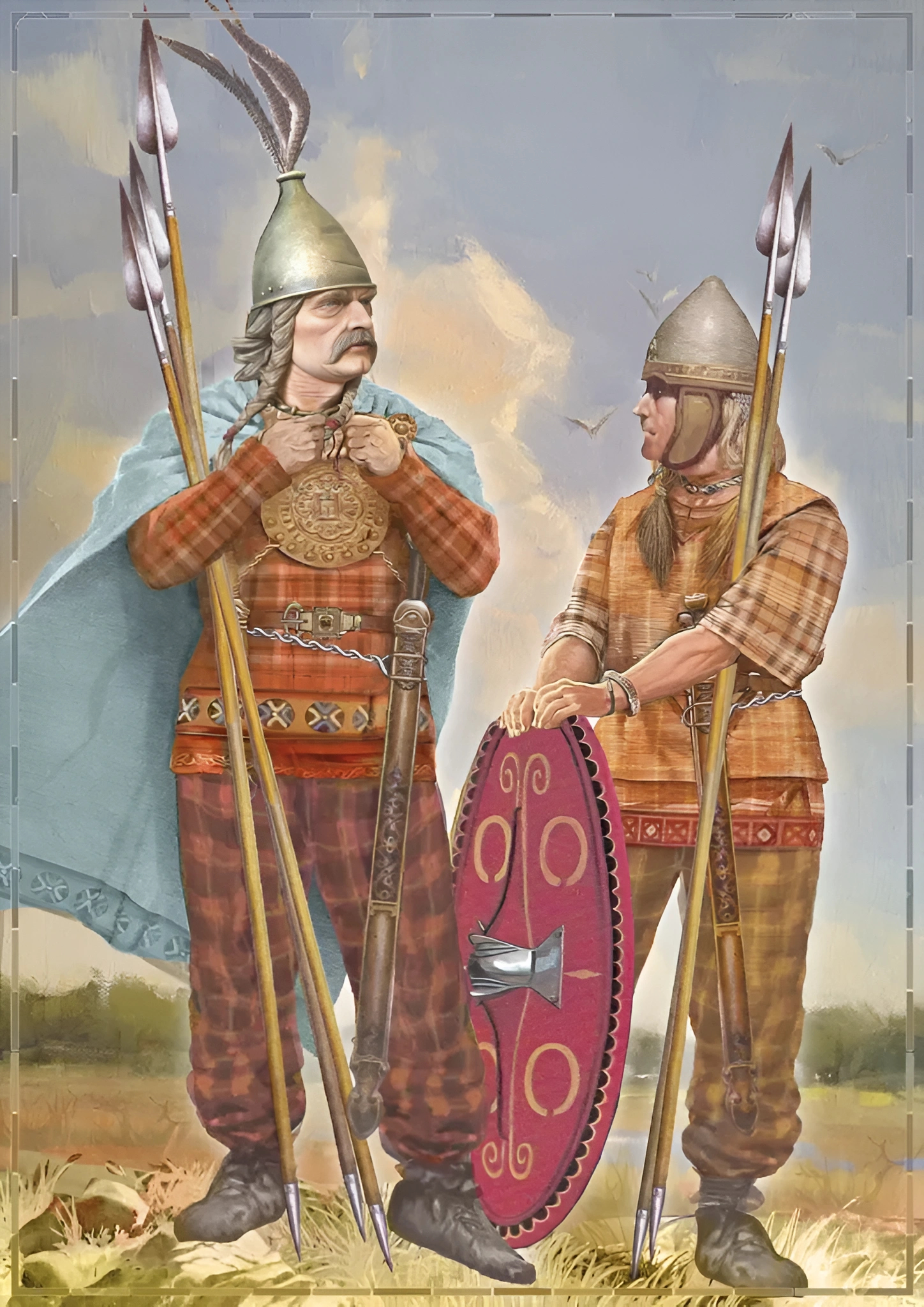
Corral Units:
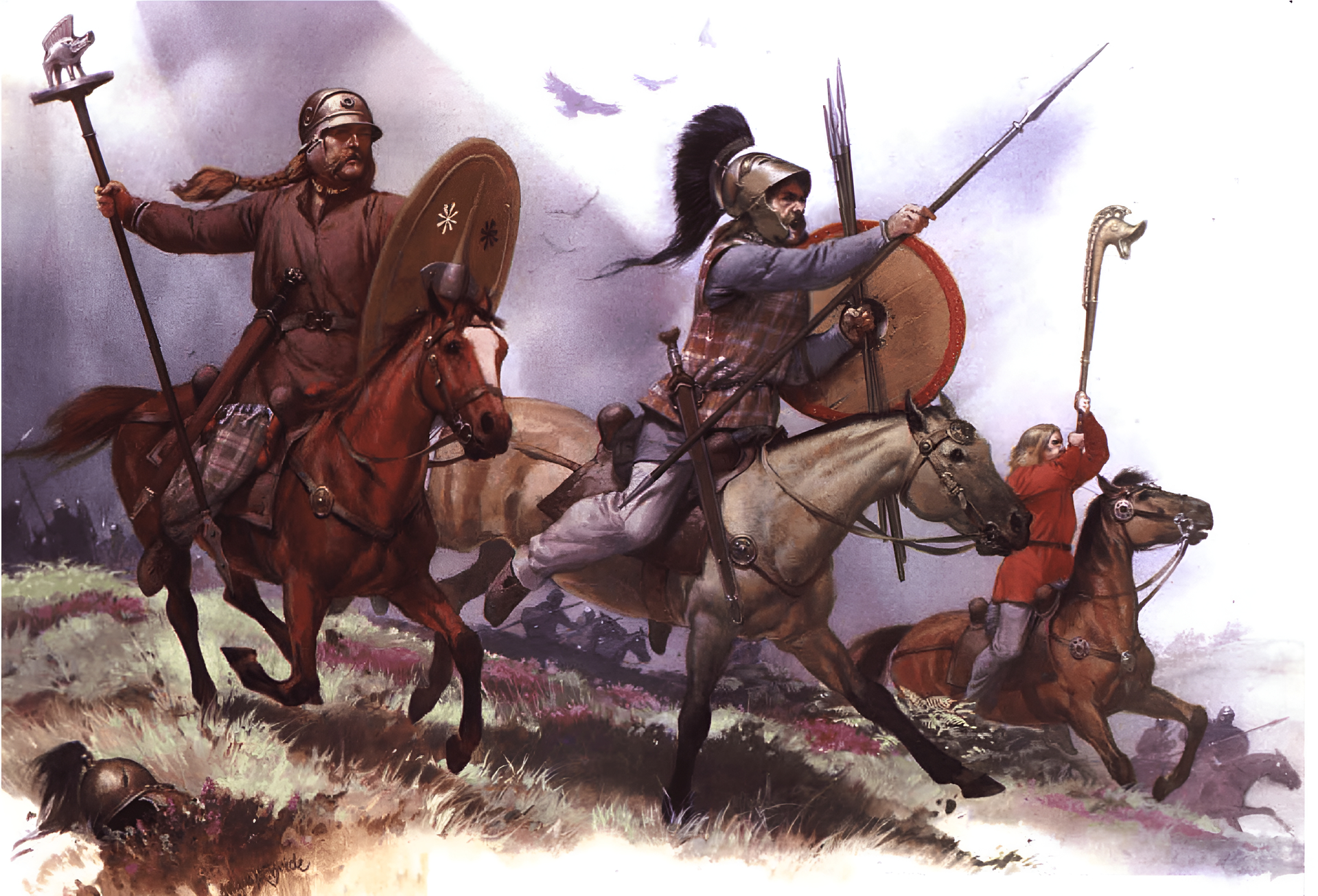
Breton Rider: Celtic light cavalry armed with a sword and shield; they sometimes use a war trumpet known as a carnyx to frighten their enemies and lower enemy troop morale. Celtic cavalry is effective against both infantry and heavy cavalry.
Mounted Skirmisher: Cavalry armed with javelins and a shield; effective against light cavalry and possessing a bonus against ranged units.
Units of the Oppidum:
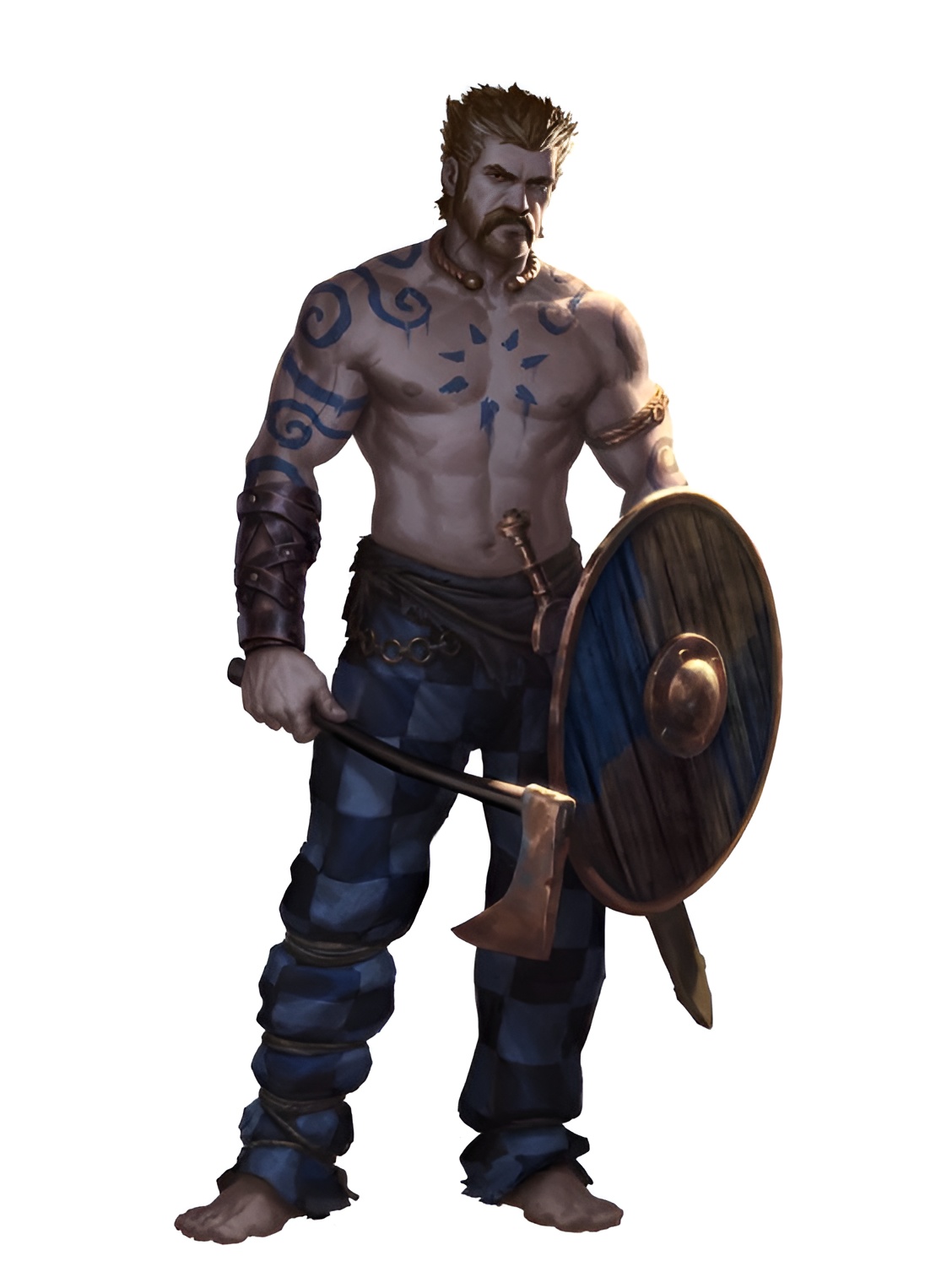
Pict Warrior: Elite Celtic infantry; wields an axe and shield and is effective against everything. Its only weakness is ranged units, as it has very little protection against projectiles.
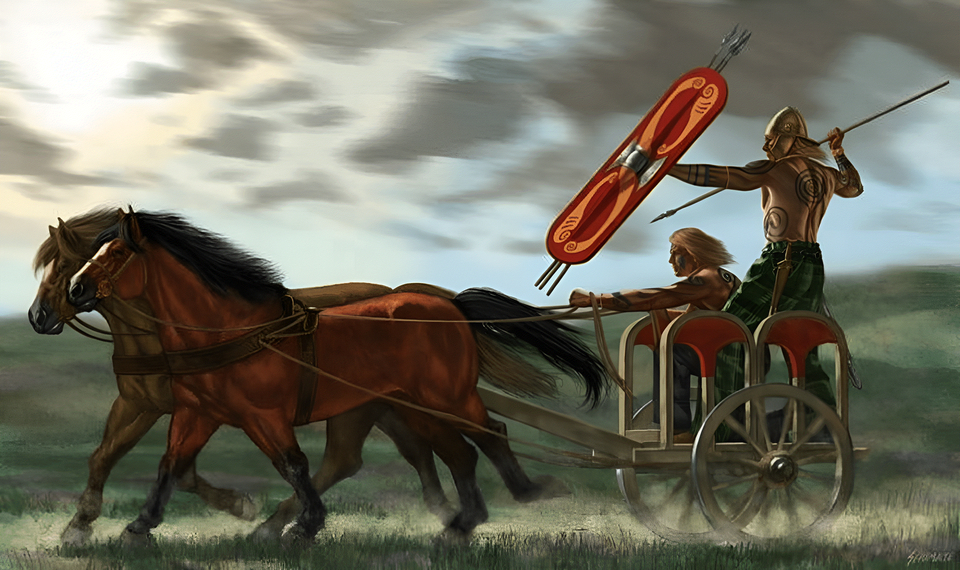
Essedum War Chariot: A powerful elite cavalry unit used to harass the enemy. It carries two crew members: one drives the chariot while the other attacks enemy units. The roles can be swapped, as one crew member uses a spear for melee combat and the other uses javelins for ranged attacks. Effective against infantry and distance units, but weak against mythical units.
Pagan Temple Units:
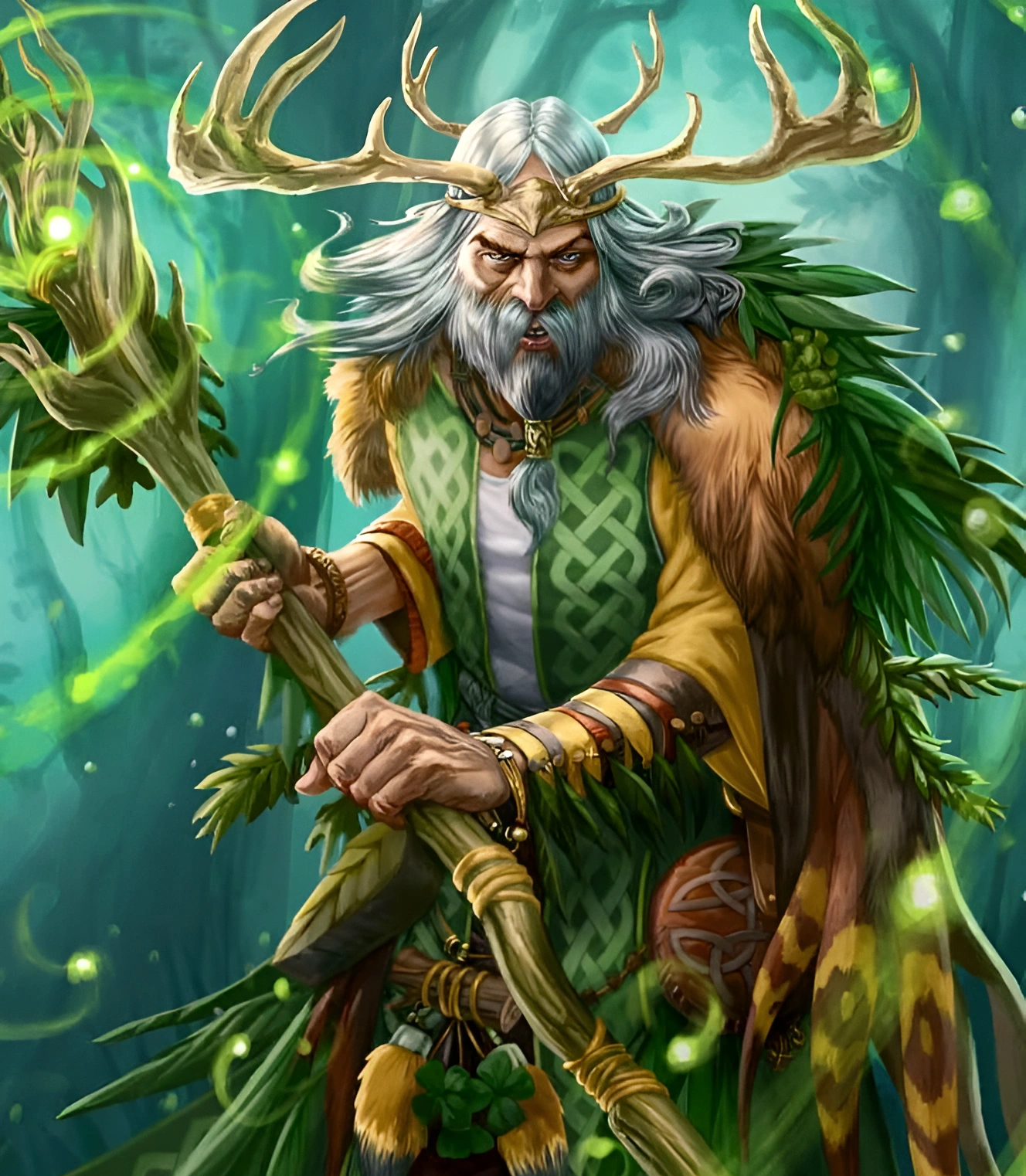
Druid: A priest capable of gathering relics and performing pagan rituals at the temple to generate favor (Druids generate favor more slowly than Greek villagers, so it is crucial to research their temple technologies to increase the favor generation rate). Effective against myth units.
Myth Units:
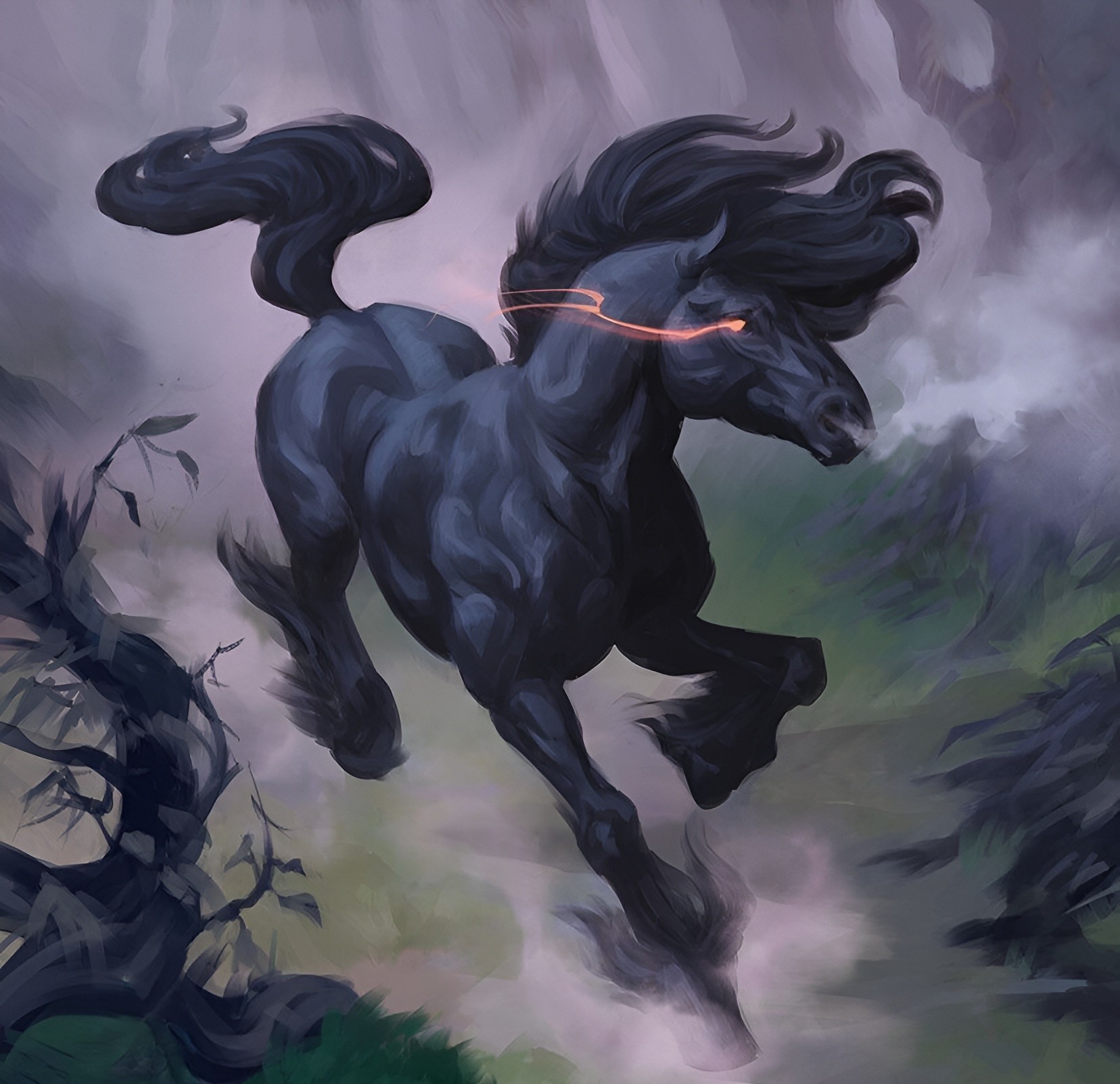
Kelpie: A Celtic mythological equine beast that carries its unfortunate riders to the depths of a lake, where they drown; Kelpies deliver powerful kicks against their enemies that unleash blasts of water. Their special ability is the Sea Charge, in which they gallop toward foes while releasing a potent aquatic blast that damages nearby enemies.
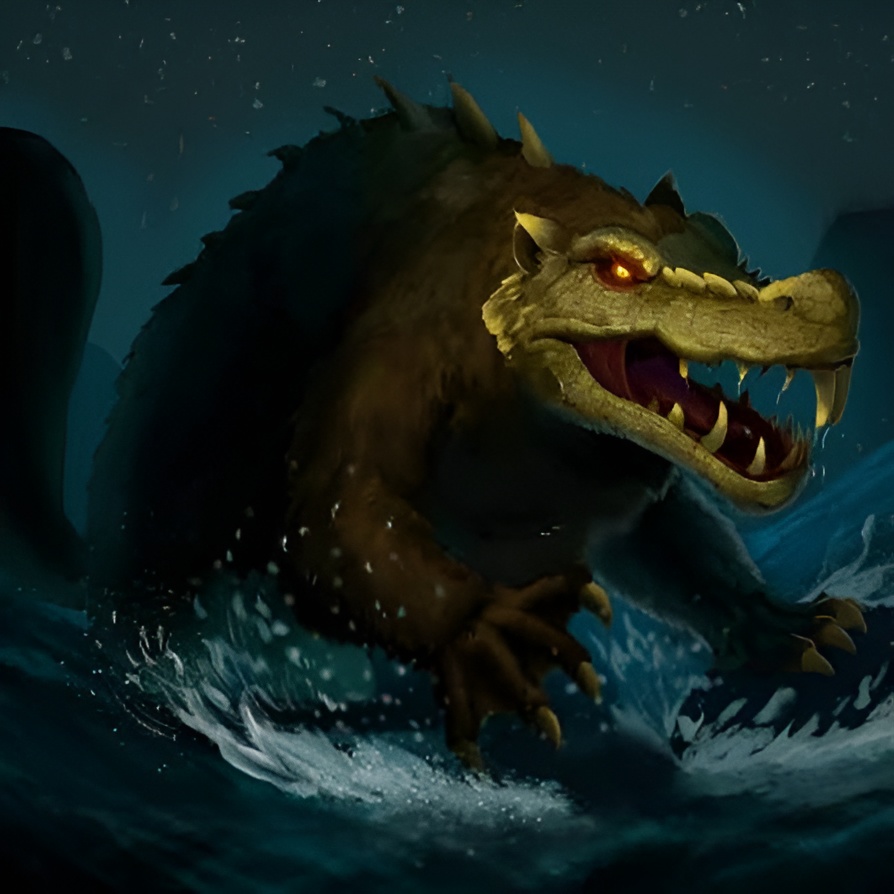
Afanc: An amphibious beast that is half-crocodile and half-beaver, it inhabits deep, dark, cold lakes and attacks its enemies with massive hands featuring crocodile-like claws. Its special ability is Deadly Jaws, in which it snaps at the enemy with its huge maw; after gnawing on the target, it hurls them through the air, inflicting severe injury.
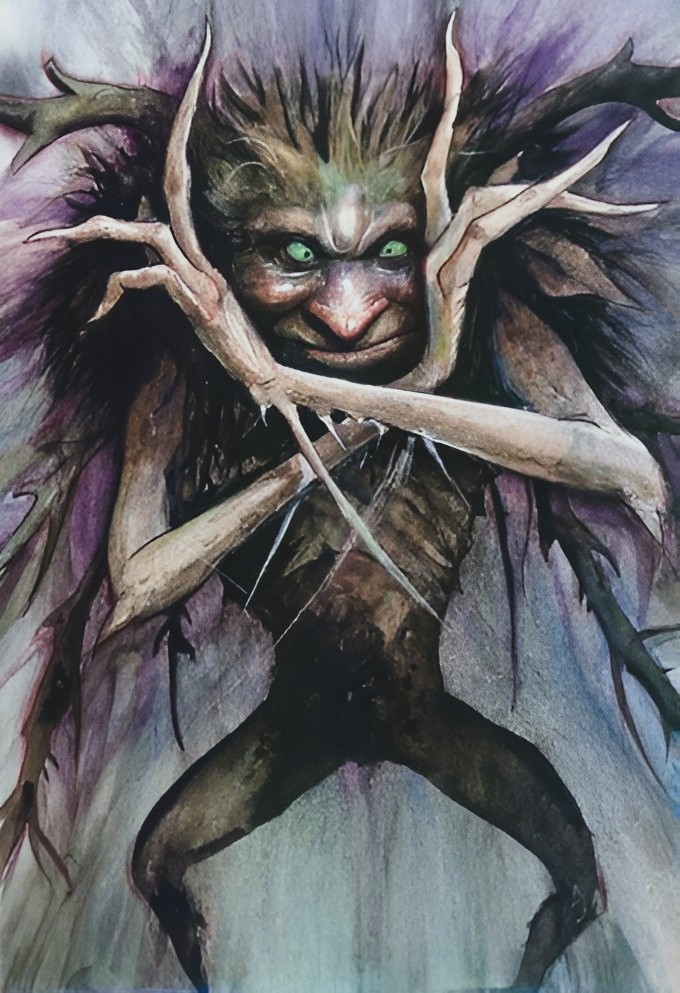
Bugul Noz: It is a fey spirit that dwells in the forests of Brittany. It is the last of its kind and is said to be incredibly ugly—a fact that causes it great distress. It attacks its enemies by hurling balls of energy; its special ability is the Magic Rune, which involves performing a series of hand gestures before launching a large energy sphere shaped like a magic rune.
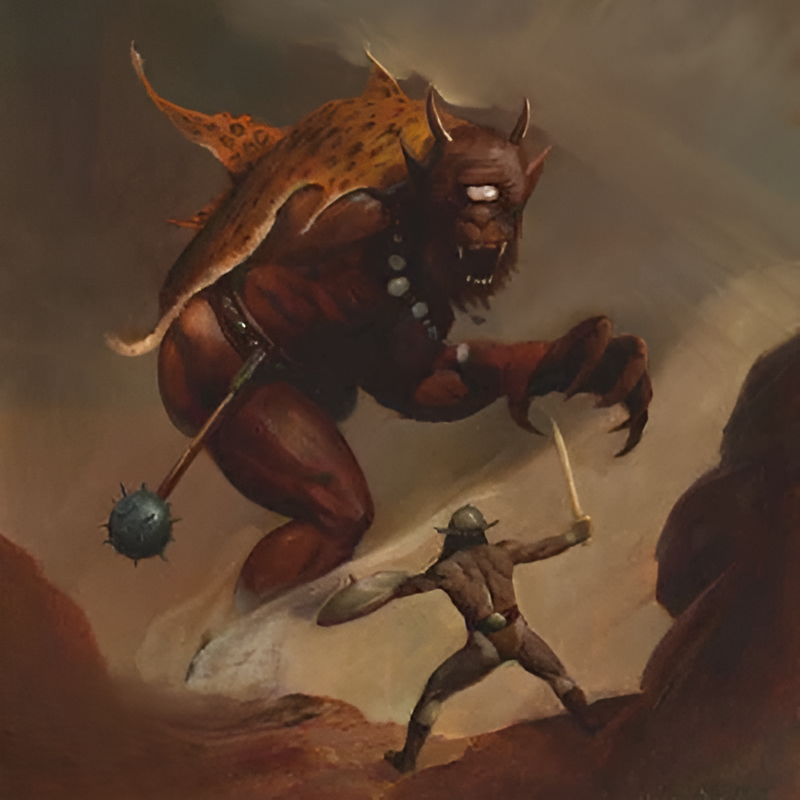
Fachan: It is a terrifying and grotesque creature from Scottish and Celtic folklore. It is described as a solitary giant with a single eye in the center of its forehead, one leg, and a single arm protruding directly from its chest. It often wanders carrying a massive mace that it wields against its enemies; its special ability is called Destroyer, a powerful charged mace attack that deals area-of-effect damage to enemies.
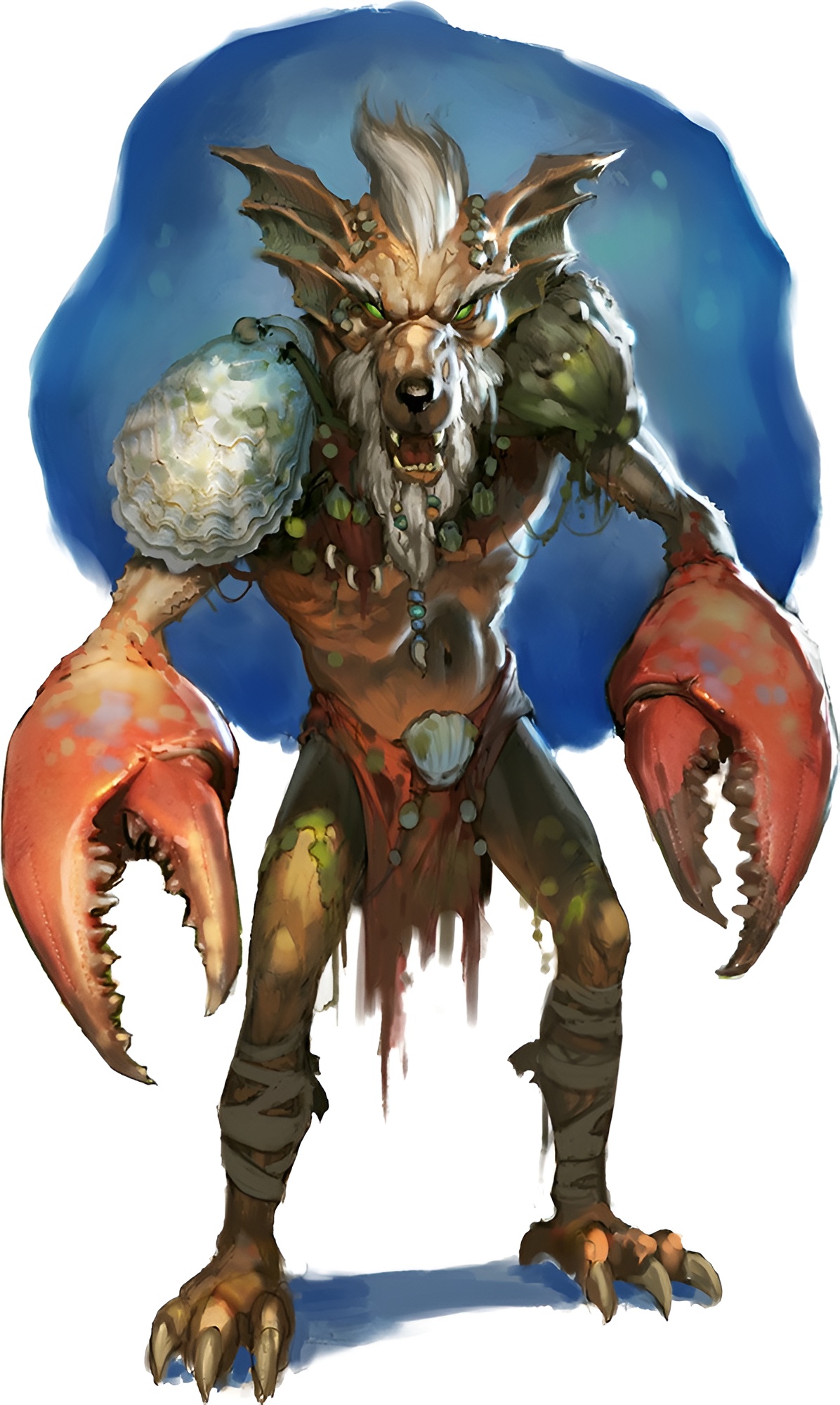
Fuath: Its name means “hatred”; it is a type of malevolent spirit that uses its pincers to tear apart anyone who approaches it. It tolerates absolutely no one and nothing. attack enemies by striking them with its claws. Its special ability is called Repulsion: when annoyed or enraged, it uses its pincer to pierce its enemies’ skin in a fit of fury, severely wounding the adversary.
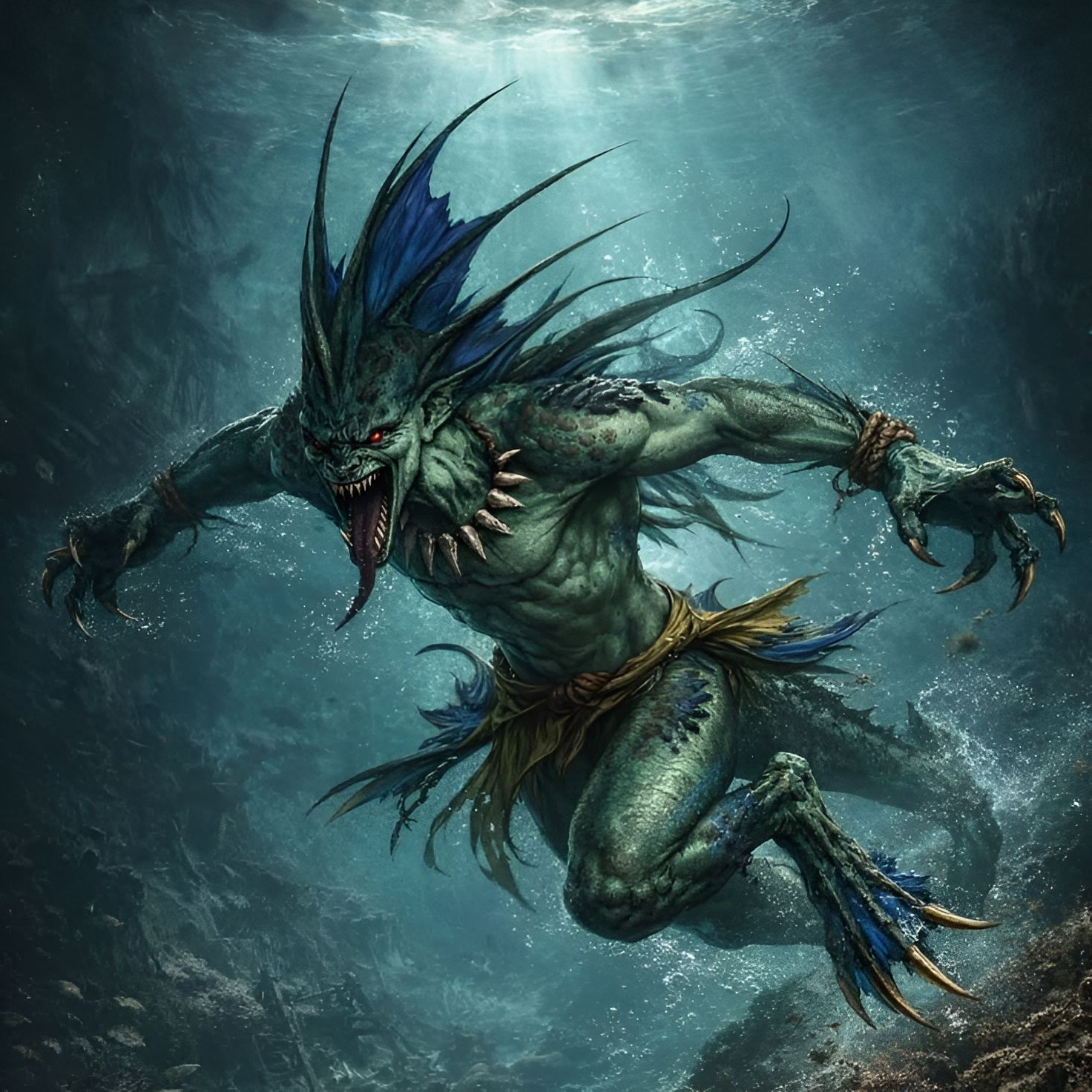
Merrow: A mythical merman-like beast that assumes a human guise to avoid detection. When engaging an enemy, it shifts into a truly repulsive, monstrous form. It ruthlessly attacks victims with its claws until they are dead; its special ability is the Siren’s Trance, which hypnotizes and paralyzes an enemy, leaving them at the Merrow’s mercy for several seconds while the beast relentlessly attacks until the victim regains consciousness.
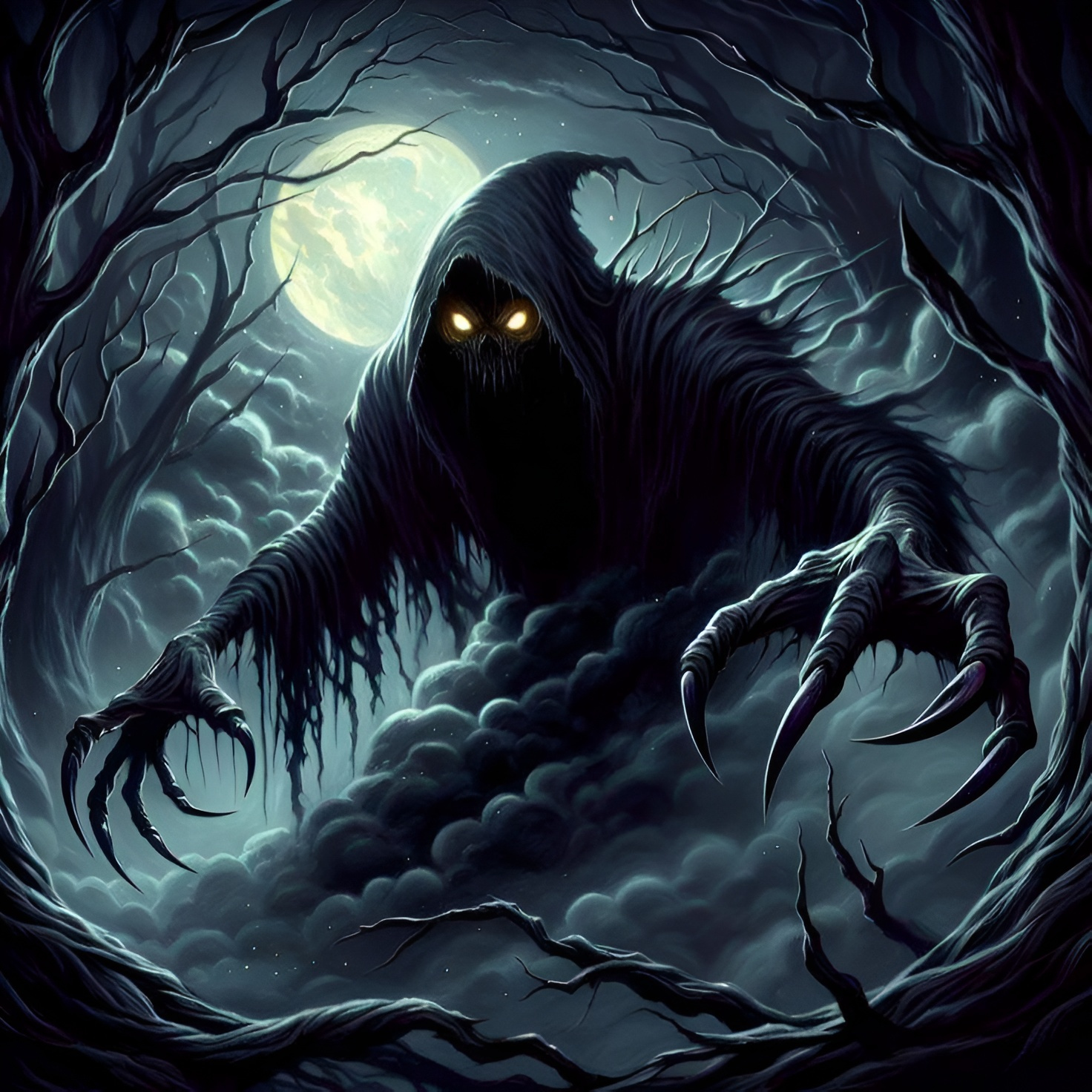
Sluagh: A demonic host from Celtic mythology, they are known for being aggressive, vengeful, and destructive. It is said that they gather near the dying to try to steal their souls and add them to their horde. They attack their enemies with blood-red energy spheres; their special ability is Final Destiny, which involves opening their robe to absorb the enemy and drag them into a dimension of terror for a few seconds. Upon returning, they spit the victim out, leaving them in a state of shock and severely wounded.
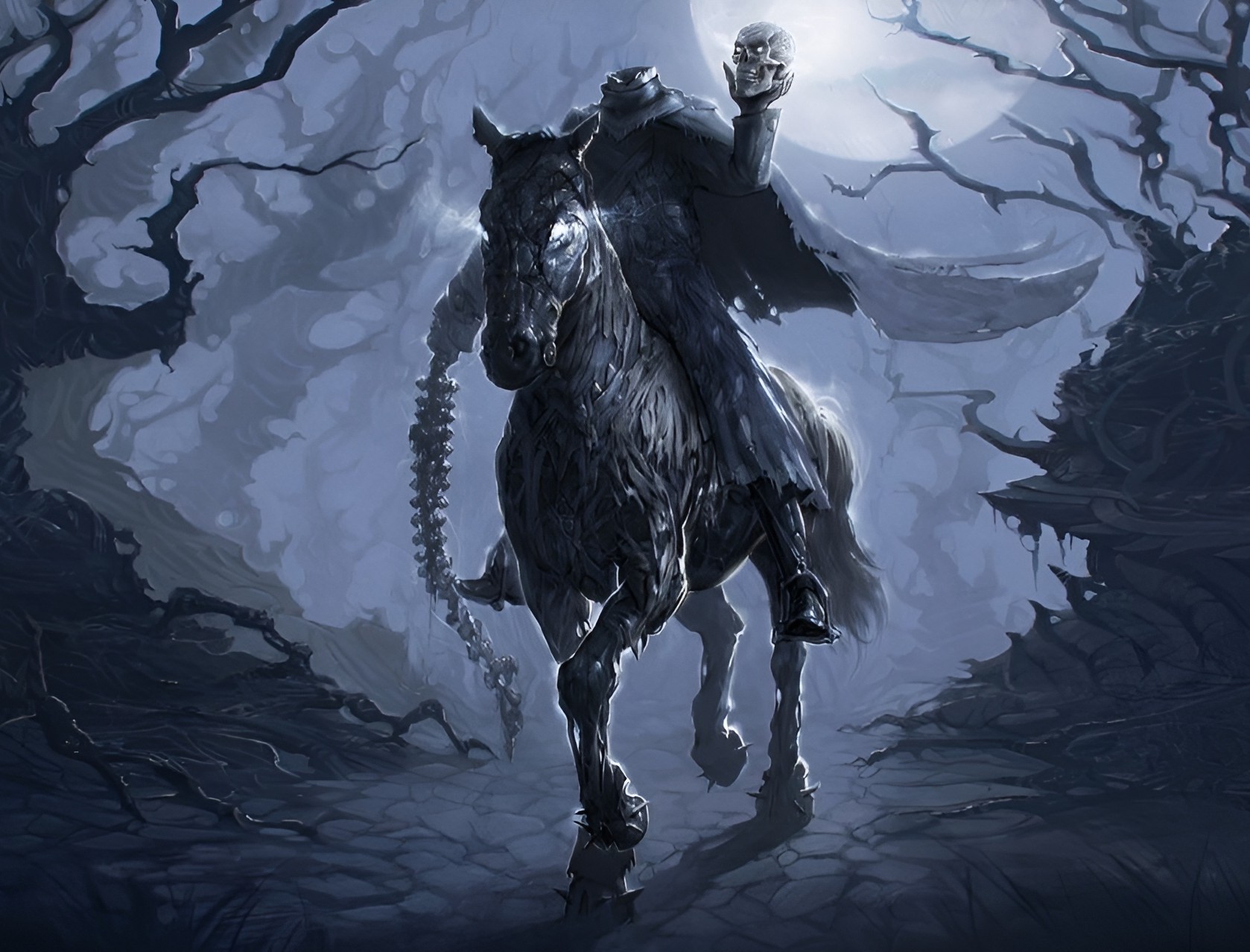
Dullahan: He is depicted carrying his own severed head under his arm or impaled on his saddle horn. The head typically features skin resembling moldy cheese and a wide grin stretching from ear to ear. His eyes, burning like fire, can see for miles in the darkness. He wields a human spine as a whip to attack his enemies; his special ability, The Headless Horseman, involves hurling his fiery head at the foe—striking with a sinister impact that triggers a massive explosion, burning and severely wounding the enemy while inflicting additional burn damage.
Wyrm: These dragons are direct descendants of serpents—sacred animals associated with rebirth, the earth, and wisdom. Instead of breathing fire, they exhale toxic gases and possess lethal venom. Their special ability is called Toxin; it releases a toxic vapor that damages multiple enemies, inflicting poison damage.
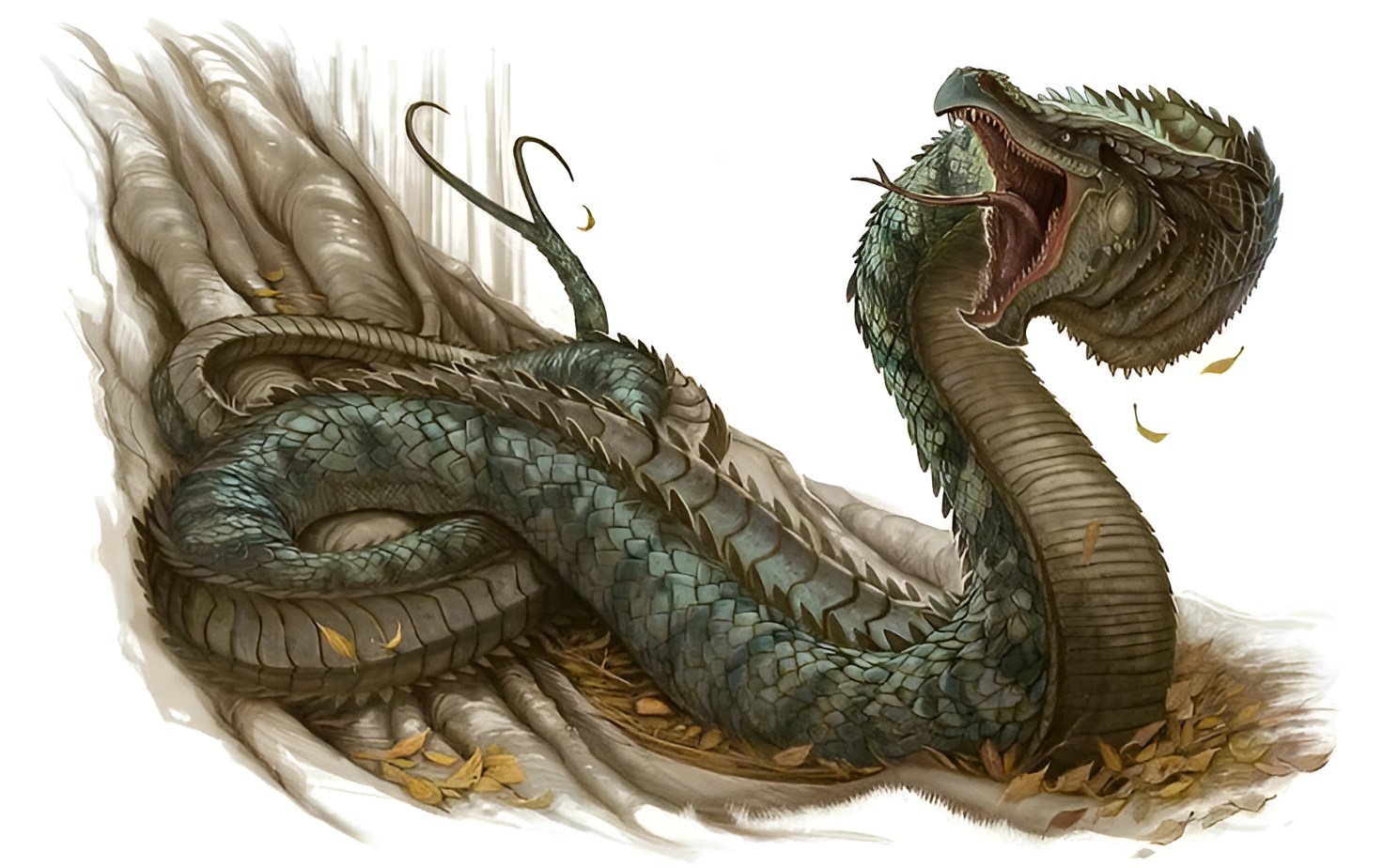
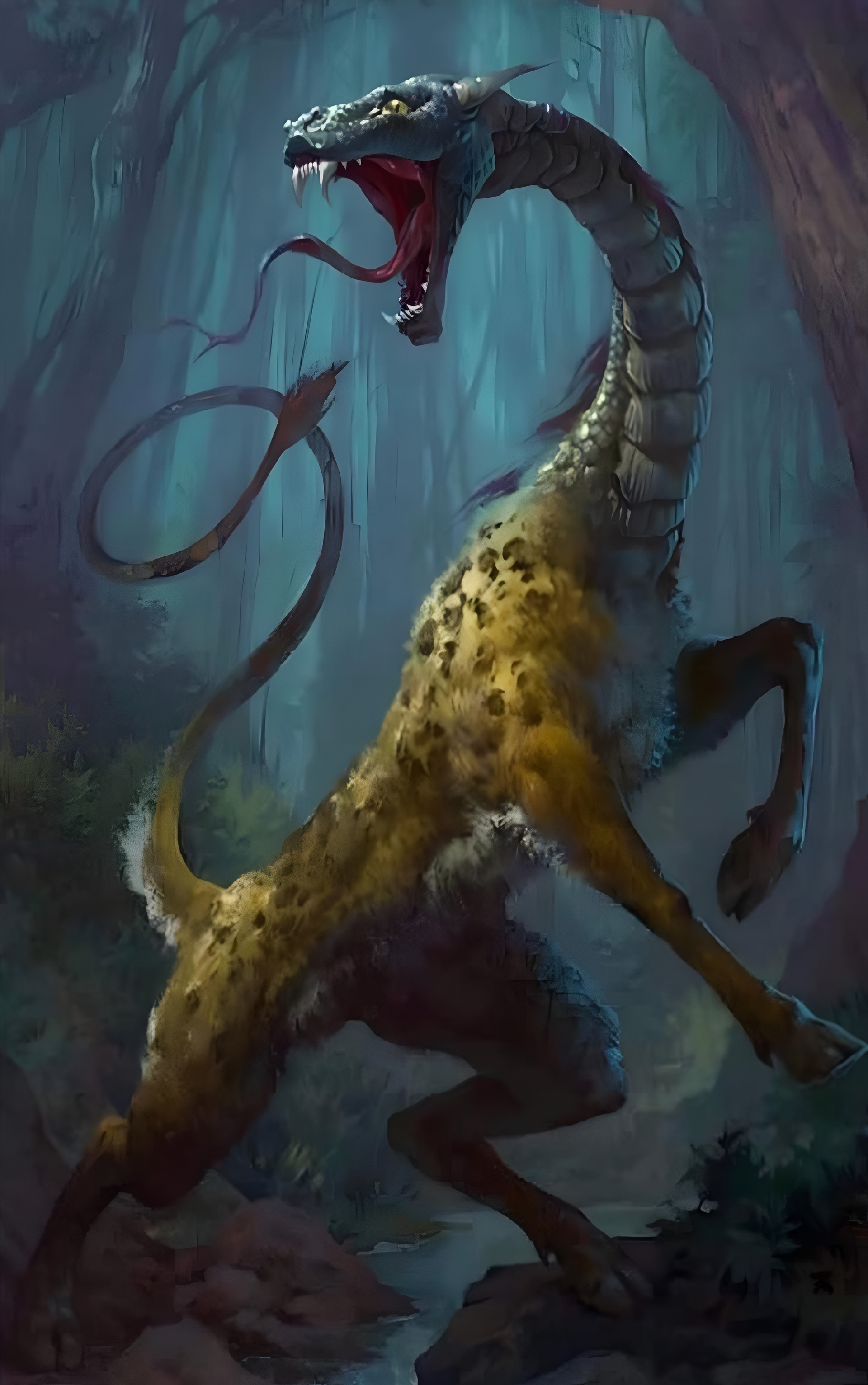
Glatisant: A legendary monster from the Arthurian cycle within Celtic mythology, it is renowned for its bizarre hybrid appearance—part serpent, part tiger. It attacks enemies with its maw, tearing their flesh with massive fangs. Its special ability, known as Piercing Howl, involves unleashing a powerful cry from its belly—a sound described as the baying of thirty hounds. This roar is so loud and thunderous that it ruptures enemies’ eardrums, causing them to lose their balance and become utterly disoriented by the agonizing pain in their skulls and the sudden, total loss of hearing (for there is no worse fate than losing the sense of hearing). It deals massive area-of-effect damage to enemies and stuns them for a few seconds.
Heroes:
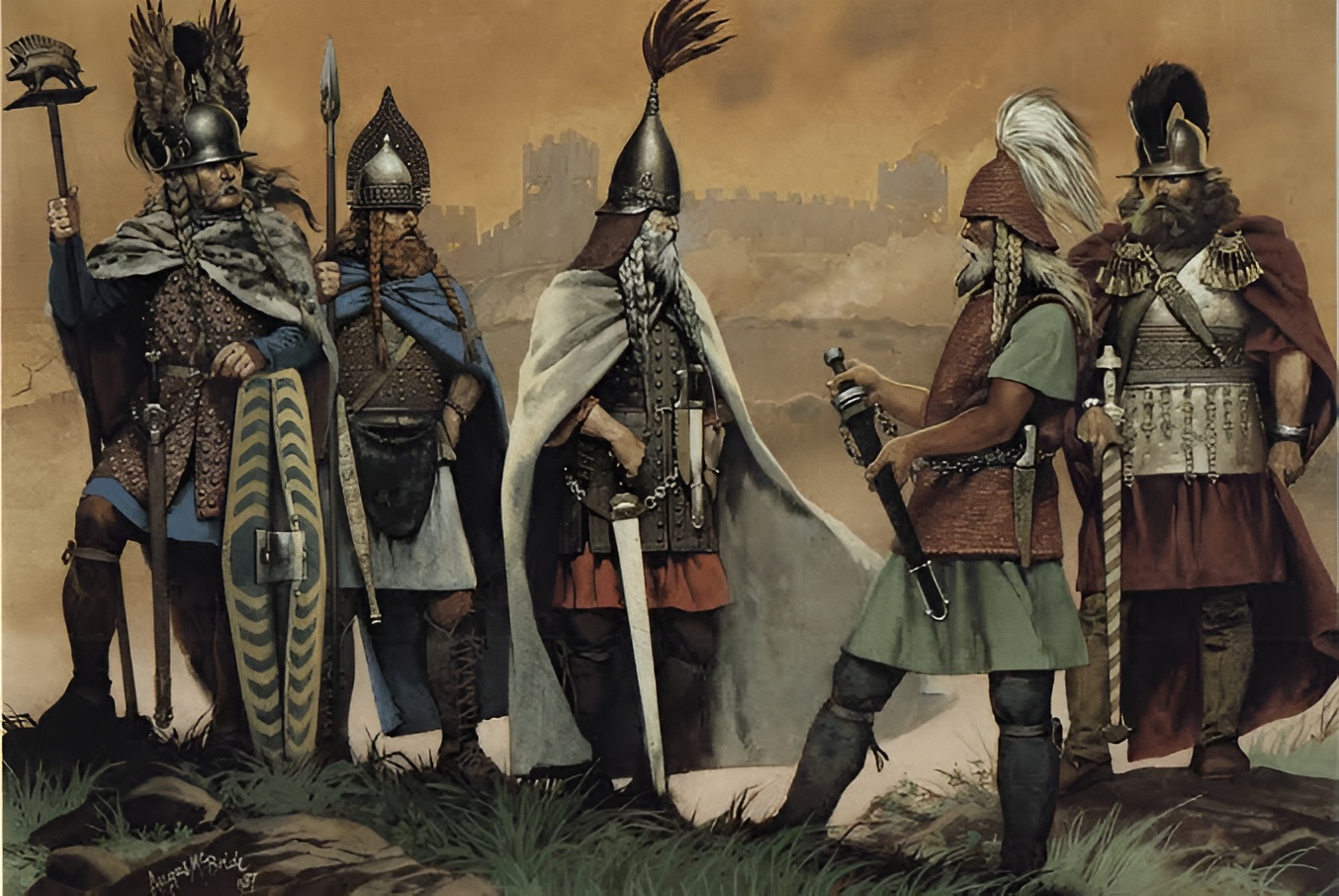
Instead of heroes, the Celts can create generals in urban center, which generate an aura that increases the attack and defense of military units. You can only create one general per age.
Dock:
Raider Boat Currach: Boat featuring a melee attack, effective against ranged boats.
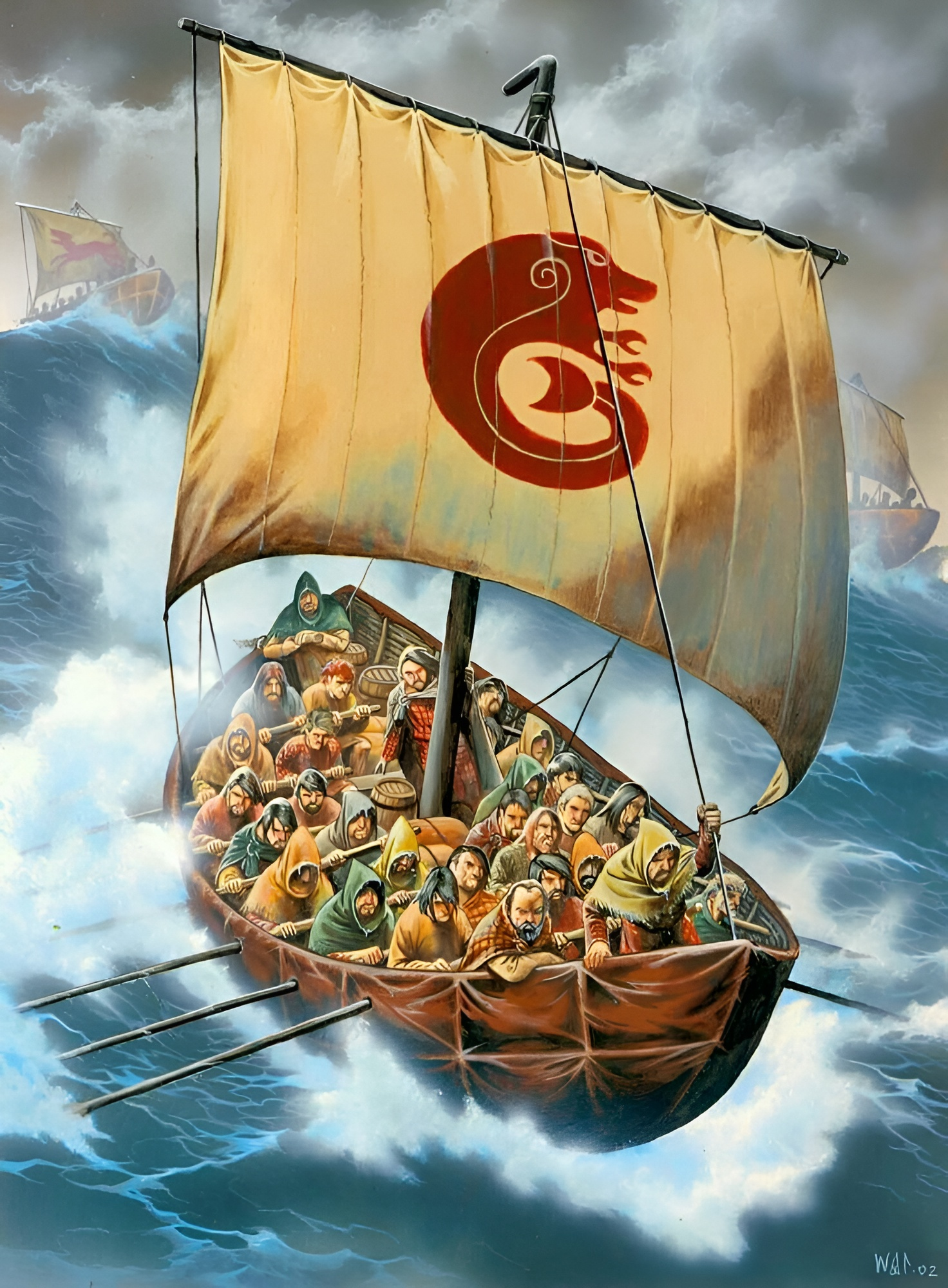
Birlinn Boat: Heavy warship equipped with a ballista; effective against mythical units.
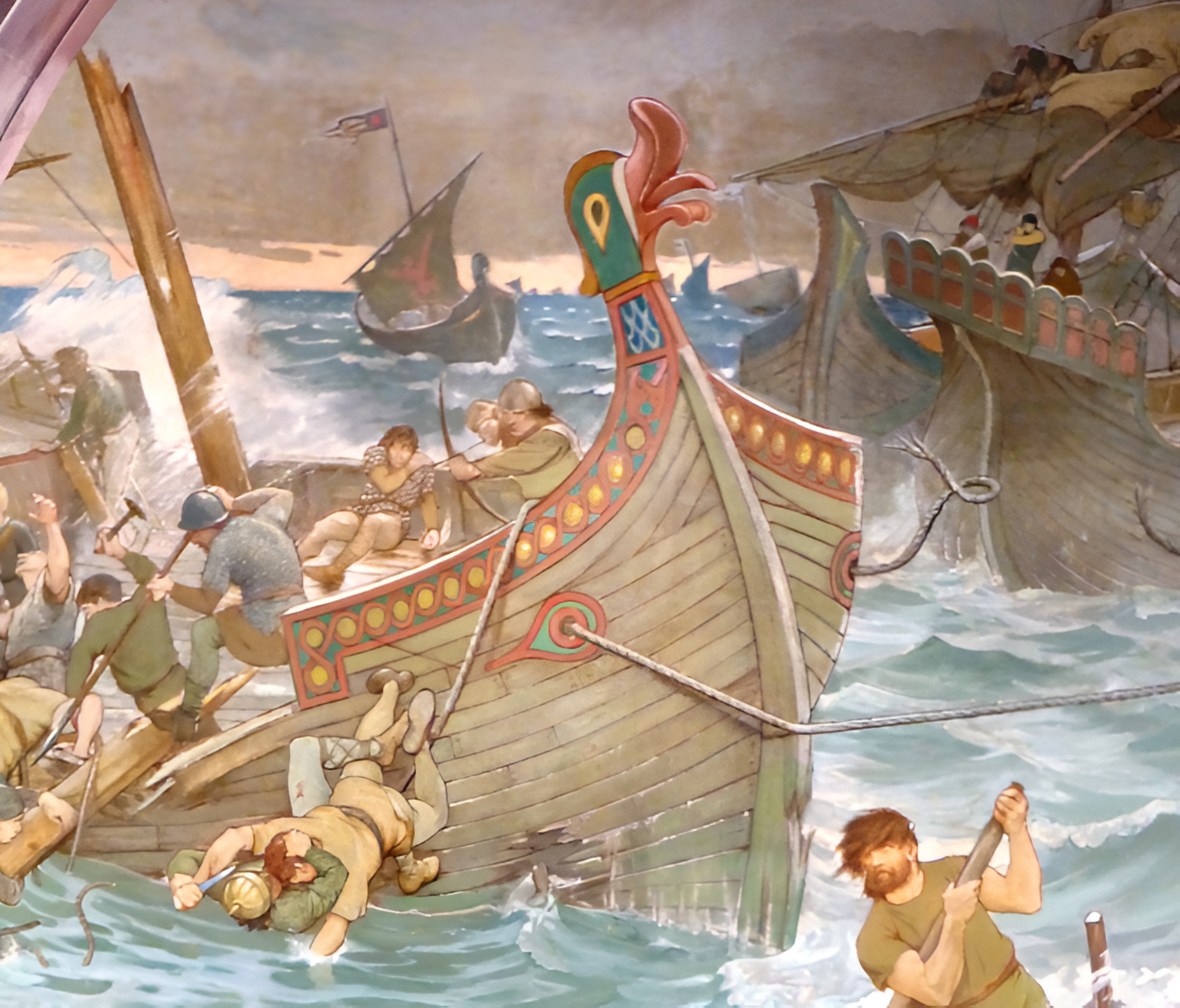
Veneto Arrow Ship: Arrow-firing ship, effective against heavy ships.

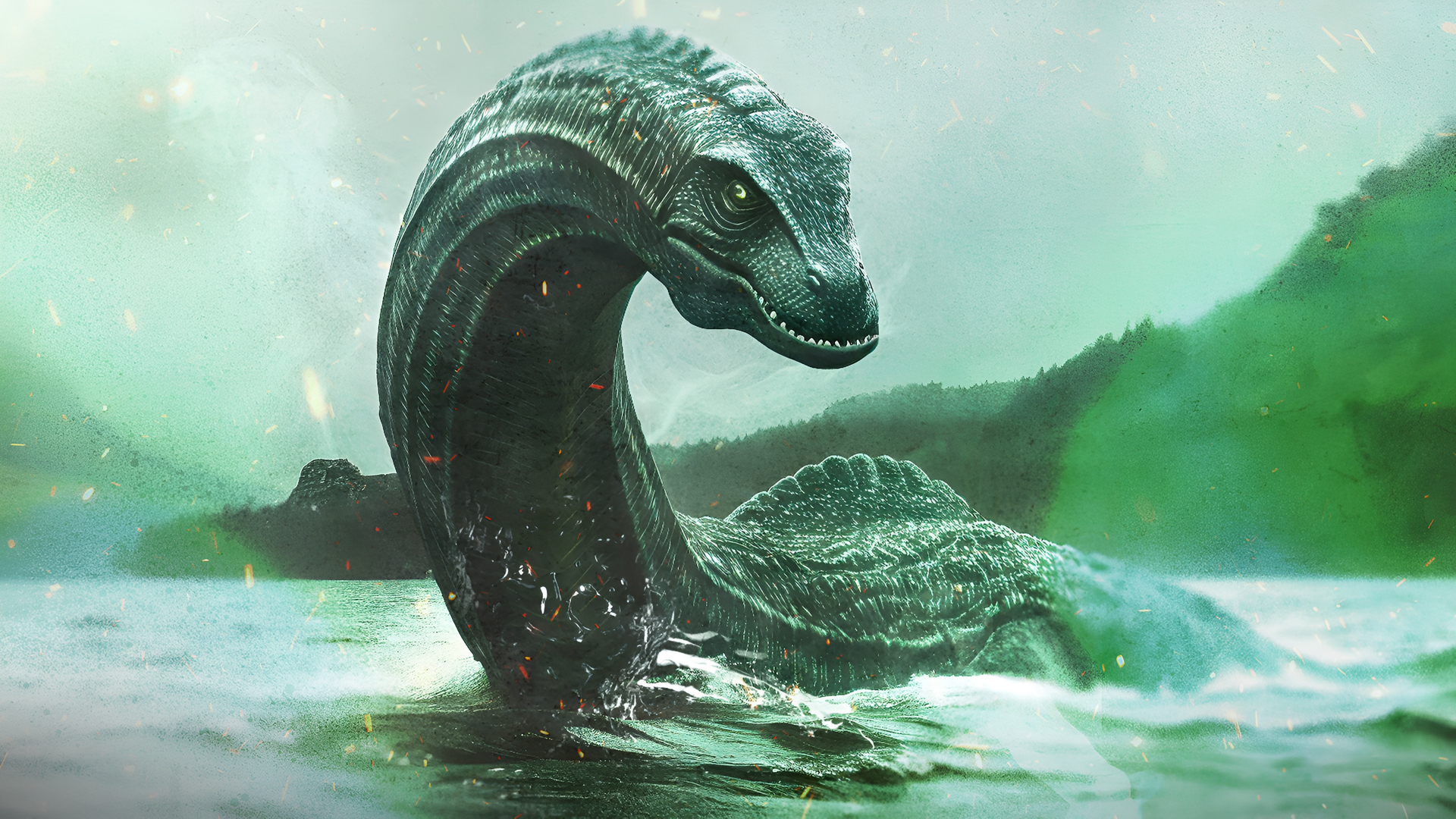
Nessie: Mythological beast from Scottish legend about the long-necked aquatic animal that inhabits the deep Loch Ness, attacks ships until they are destroyed and devours their crews. (This mythical unit is created in the docks).

 Interesting information. Can you provide more specific details on the pagan ritual favour mechanic? How would it be different to Miko/ Shrines or Greek villager praying? What about MU special abilities? God powers?


