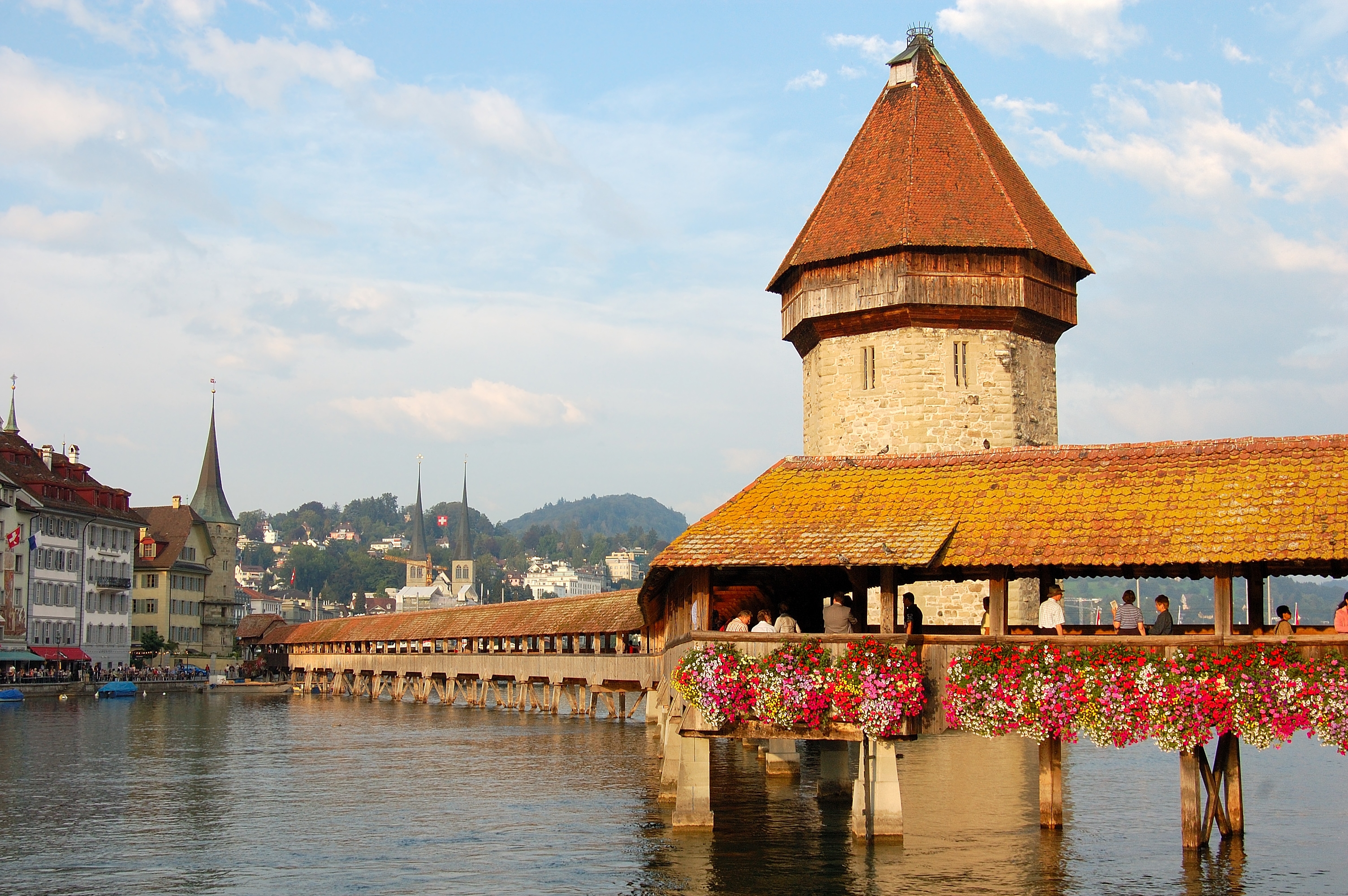
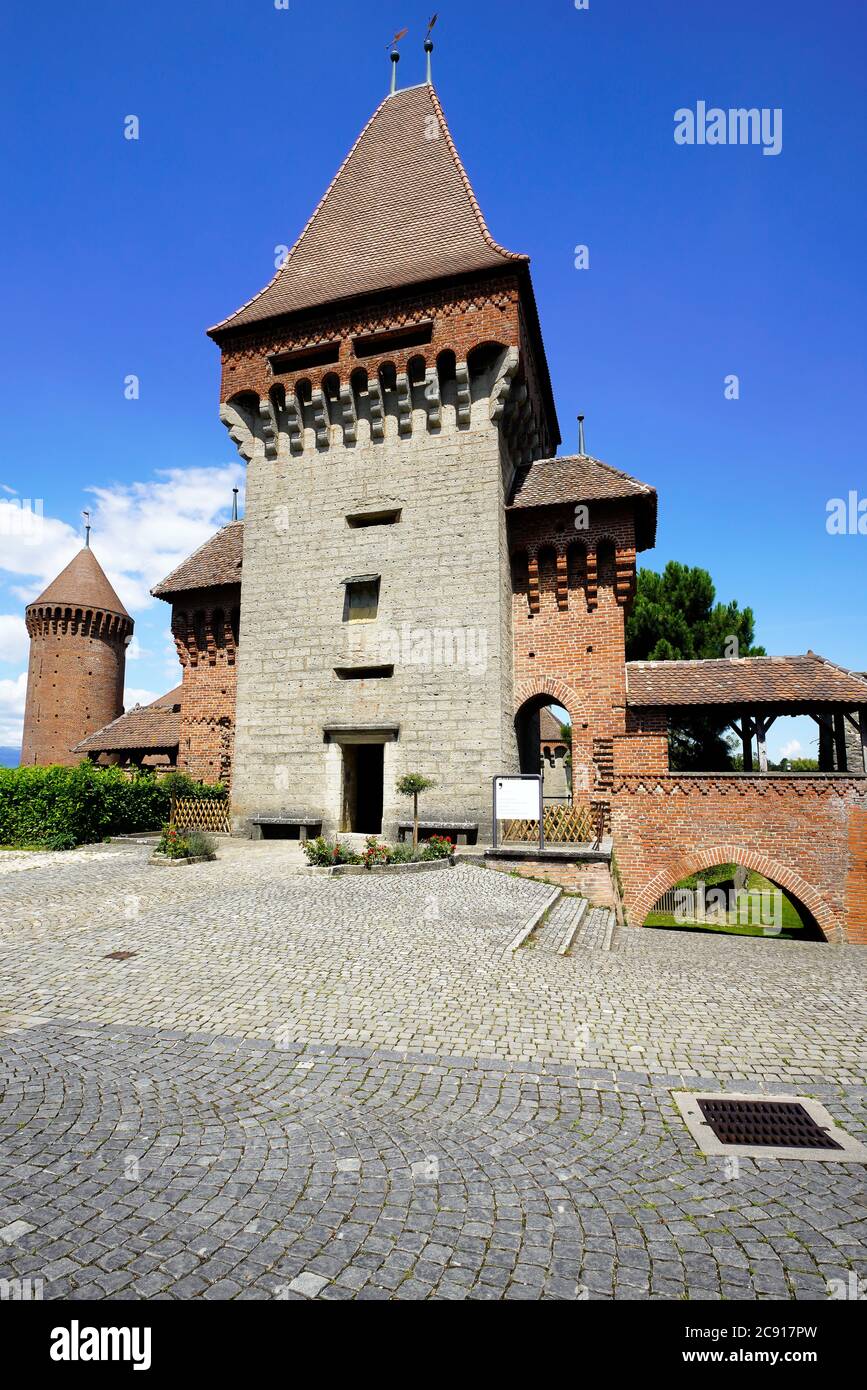
Welcome to my post!
I’ve been following AoE2 for quite a while, and more and more new civilizations have been introduced to the game. As a Swiss player who is interested in both history and AoE2, I think the Swiss are a notable omission and would fit the game perfectly. I’ve had this idea for a long time.
Around this time last year, I tried to implement the civilization using the Advanced Genie Editor, but I wasn’t able to make it work. The closest I came to implementing the civ can be seen in the picture below. I would have loved to playtest my theorycrafted civilization!
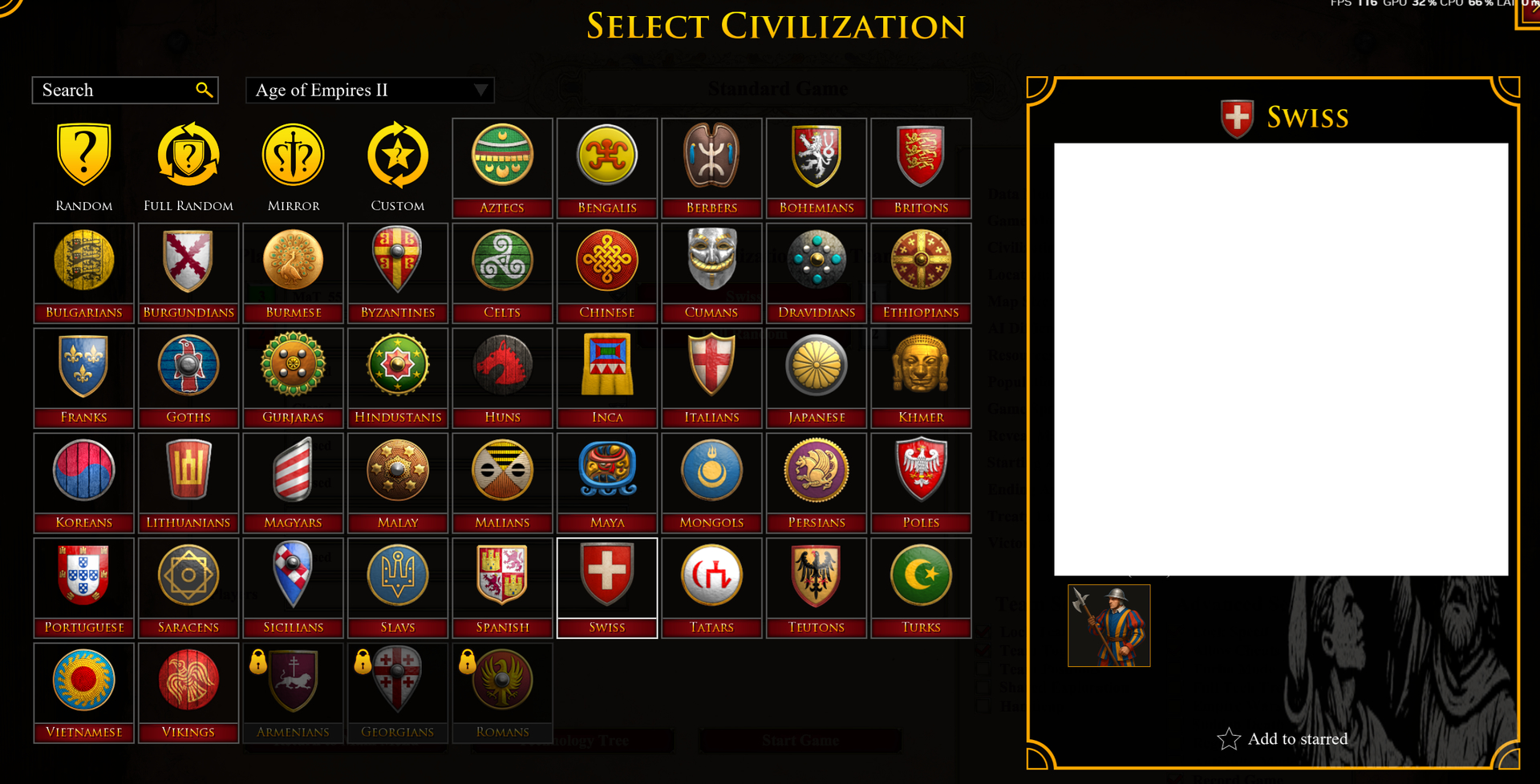
After creating the Swiss Civ out of my head I wanted to compare to others who also created a Swiss civ. Ideas about the Swiss civ are already present since several years or now even decades. Interestingly some of those guys came up with similar concepts as I do. Firstly I want to mention the guys who had already contributed to a Swiss civilization:
MantisAoE (youtube) (https://www.youtube.com/watch?v=nHL1VilPp_g)
RobbyLAVA (youtube) (https://www.youtube.com/watch?v=ham8lfy-cOg)
@Apocalypso4826( Civilization Idea: Swiss )
@Zero17893( New civ concept: The Swiss )
Alastan (reddit) (https://www.reddit.com/r/aoe2/comments/12ylxf0/civilization_concept_the_swiss/)
Alechemist1330 (reddit) (https://www.reddit.com/r/aoe2/comments/bckshu/swiss_civ_idea/)
mafeefam (reddit) (https://www.reddit.com/r/aoe2/comments/87uv9i/swiss_civ_idea/)
General thoughts about the Swiss Civ Design
The Swiss….
should be stronger in team games than in 1v1
should have one of the best infantry in the game
should excel at defensive play while having limited offensive options
should have limited access to cavalry and archers
should have multiple ways to win the game besides relying on infantry (e.g tower rush)
Military perspective:
So, why do the Swiss so perfectly in this medieval themed game? The history of Switzerland begins in the antique with the Celtic tribes, the Roman settlement of the region, and the influence of the Alemanni. During the Early Middle Ages, the territory of present-day Switzerland belonged to various realms outside the modern country, including the Frankish Empire and later the Holy Roman Empire. Self-governance was unthinkable at that time.
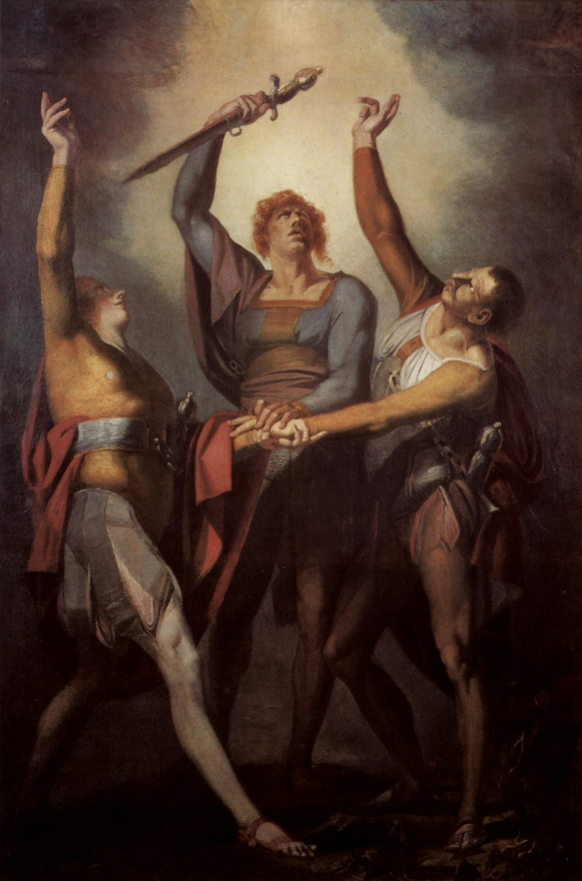
Figure 1 «Rütlischwur», engl: «Oat of the Rütli” Hnery Füsli 1780, Image source
In the 13th century, resistance grew against the expanding power of the Habsburgs. In 1291, the three founding cantons formed the Federal Charter (Fig.1) (although historically not proven), pledging mutual support against outside powers. In 1315, they proved themselves in the Battle of Morgarten, where they defeated the Habsburg forces. Another major victory followed on 9 July 1386 at the Battle of Sempach, further strengthening the position of the Swiss Confederacy.
Over time, additional cantons joined the Confederacy. During the Burgundian Wars, the Swiss won several decisive victories. One of the most famous was the Battle of Murten (1476), where they decisively defeated the forces of Charles the Bold, inflicting devastating losses on his army. The Swiss relied on disciplined infantry formations known as the “Gewalthaufen” (Fig.2) dense squares of pikemen and halberdiers that could withstand and overwhelm heavily armored cavalry. Combined with aggressive offensive tactics and close coordination, these formations demonstrated that well-trained infantry could defeat even Europe’s most prestigious mounted knights, cementing the Swiss reputation as the strongest infantry of the late Middle Ages.
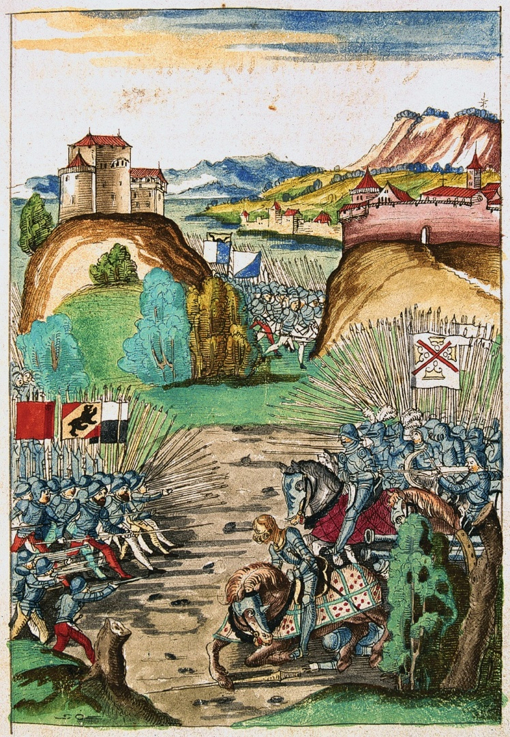
Figure 2 Encounter between the Swiss Confederates’ troops and those of Charles the Bold at the Battle of Grandson on 2 March 1476. Illustration from the Swiss Confederation Chronicle by Werner Schodeler, copied and hand-colored in 1572 by Christoph Silberysen (Aargau Cantonal Library, Aarau, MsWettF 16:2, fol. 172r; e-codices). Image source
As previously mentioned, for centuries, the Swiss Confederates successfully defended themselves against foreign powers and earned a reputation as some of the best infantry soldiers in late medieval and early modern Europe. Their military excellence made Swiss mercenaries highly sought after by rulers across the continent. These soldiers, known as the Reisläufer (Reis → Reisen engl. Travel, Läufer= runner) emerged from the Swiss militia tradition and served in the armies of many European kingdoms and principalities. The most famous surviving example of this tradition is the Pontifical Swiss Guard (Fig.3), which continues to protect the Pope in the Vatican City to this day.
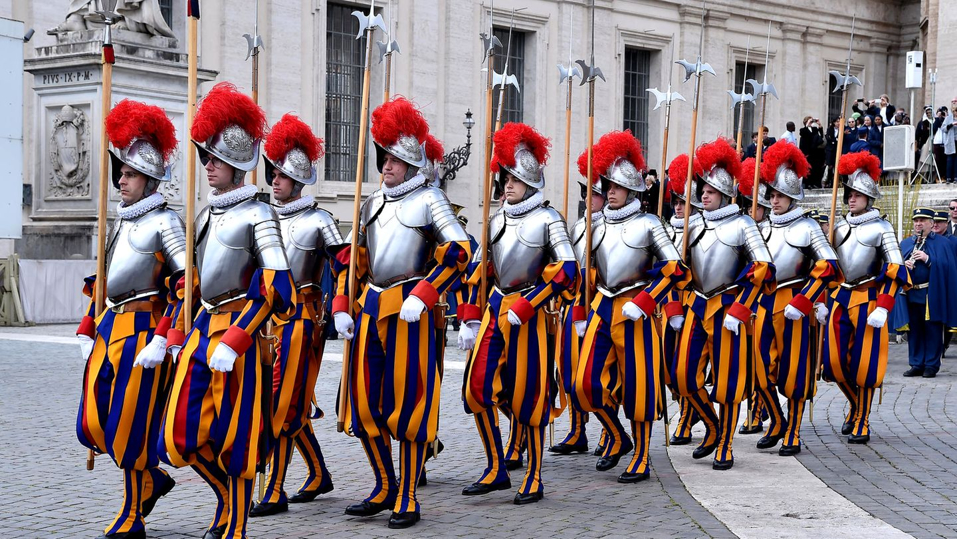
Figure 3 Pontifical Swiss Guard. Pressefoto ULMER/ / Picture Alliance, Image source
Economic perspective:
Switzerland also played an important economic role. Thanks to its location in the Alps, vital trade routes passed through its territory. The growing commercial centers of northern Italy, especially Milan, were connected to the markets of northern and western Europe, such as Frankfurt, via the Alpine passes (Fig.4). From the Late Middle Ages onward, these mountain routes became one of the lifelines of European long-distance trade and contributed greatly to the prosperity of many Swiss regions.
So, from an economic perspective, we can conclude that they earned money by transporting goods and by building and maintaining bridges and roads across the Alps .
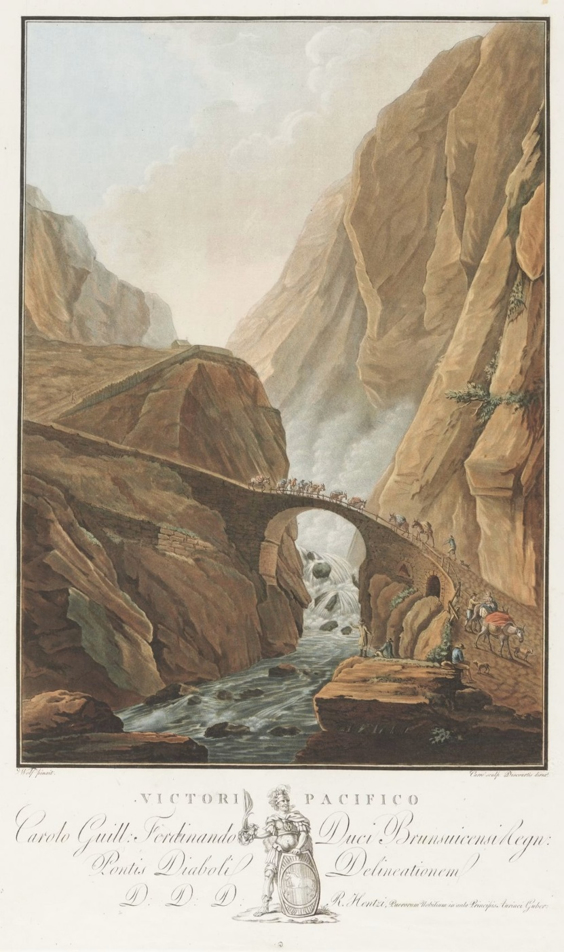
Figure 4 C. Wolf, C.M. Descourtis, [A.] Carré, « [Teufelsbrücke] », ca. 1787-1788, Image source
Heritage:
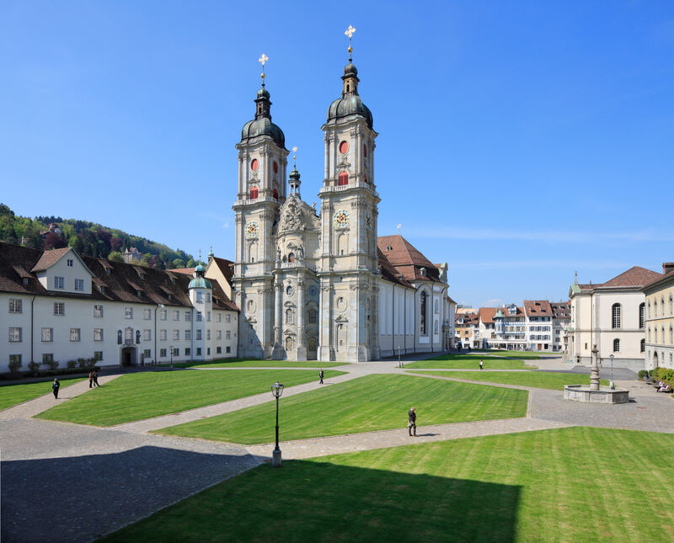
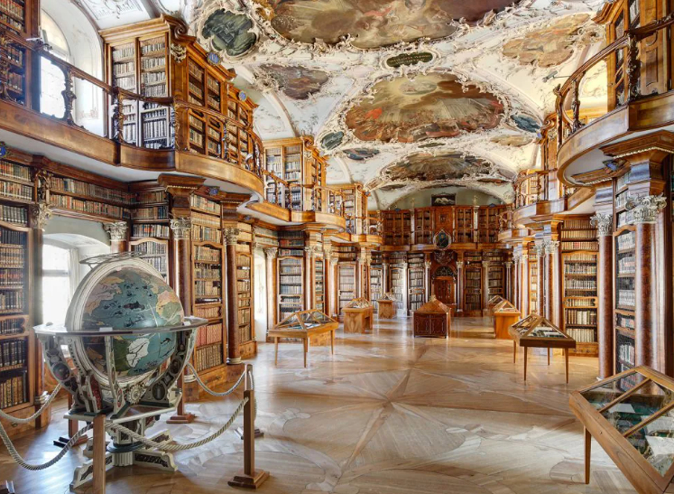
Figure 5 The Abbey Library of St.Gall, Image source
The Abbey Library of St. Gall (Fig 5.) is one of the oldest continuously operating libraries in the world and one of the greatest monuments to medieval scholarship. Founded in the 8th century, it became one of Europe’s leading centers of learning, where monks copied and preserved thousands of manuscripts on theology, medicine, astronomy, music, philosophy, and classical literature. Many ancient works survived only because they were safeguarded within its walls. Its collection has also enabled historians to better understand the history of other regions, including the Christianization of Ireland through manuscripts preserved by Irish monks. The library also houses the famous Plan of St. Gall, the only surviving architectural blueprint of an ideal medieval monastery. Today, it remains one of Switzerland’s greatest cultural treasures and a symbol of Europe’s intellectual heri t age.
The church shown in the picture would symbolize the Wonder (Library and Monastery) but was build in the 17th century.
Church :
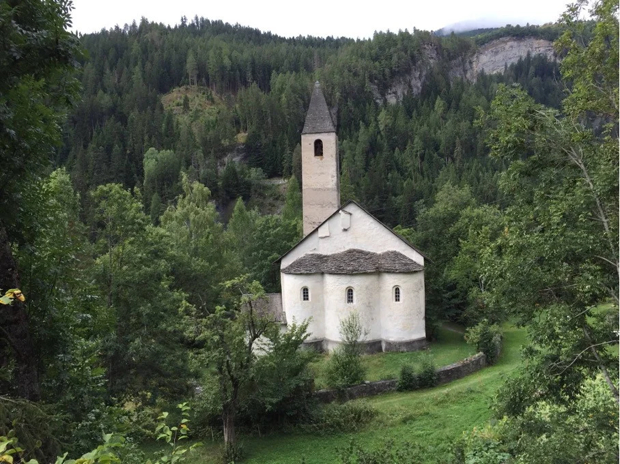
Figure 6 Church and former nunnery of St. Peter, Mistail Image source
St. Peter Mistail (Fig. 6) is one of the oldest preserved churches in Switzerland, dating to around 800 AD during the Carolingian era. Remarkably intact for over 1,200 years, it features rare early medieval frescoes and original architecture. As one of the few surviving Carolingian churches in Europe, it represents the spread of Christianity and the cultural foundations of medieval Switzerland, making it an ideal landmark for a Swiss civilization focused on heritage, resilience, and Alpine history.
Castle:
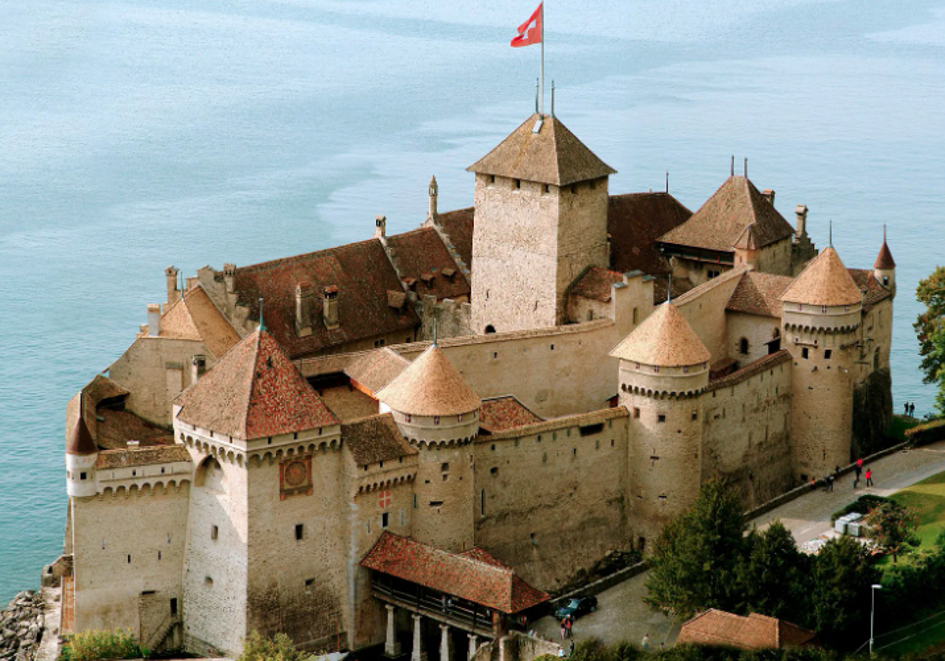
Figure 7 Château de Chillon, Image source
A lakeside fortress on Lake Geneva, Château de Chillon (Fig. 7) guarded the vital Alpine trade route between northern Europe and Italy. Originally expanded by the House of Savoy in the 12th–13th centuries, it combined strong military defenses with an aristocratic residence, controlling commerce through tolls while protecting the western approaches to the Alps.
If you’re interested in learning more about how Switzerland was formed:
History of Switzerland. Terriorial expansion (gif made out of this Video)
With this introduction let’s go to the actual tech tree of the civilization:
Tech tree:
you can read the text below or see the Tech Tree.
Infantry civilization
Features:
- Farmers generate stone in addition to food (Similar tech to Poles/Shu)
- Stone Buildings are built 60% faster except for Wonders. (Similar tech to Sicilians)
- Repair costs are reduced by 30%
- Buildings take 15% less damage from siege (Similar tech to Persians)
- Barrack upgrades don’t cost gold (Similar tech to Bulgarians)
Unique Unit:
Reisläufer (Infantry), Imperial Halberdier (Infantry)
Unique Techs:
Mountain fortress (Stone buildings repair automatically)
Gewalthaufen (Infantry Units receive additional bonus damage against units)
Team Bonus:
Coinage free
Not available Techs:
Arbalester, Hand cannoneer, Heavy Cavalry Archer, Parthian Tactics, Bloodlines, Hussar, Paladin, Heavy Scorpion, Bombard cannon, Siege Ram, Ring Archer Armor, Plate Barding Armor, Cannon Galleon, Fast fire ship, Elite Cannon Galleon, Siphons, Siege Engineers, Dry Docks, Incendiaries, Bombard Tower, Redemption, Atonement, Illumination, Theocracy, Gold Shaft Mining
Details:
Farmers generate stone in addition to gold: This is a similar feature like the Poles and Shu have. Collecting rates of stone must be play tested. But the basic idea behind this is that you can Castle drop/Tower rush much more efficiently (with the right build order ofc) or that you are able to have more efficient boom. (So as a Swiss no 6 in the in-game chat 11)
Stone Buildings are built 60% faster except for Wonders: This means one Swiss villager builds as fast as three generic villagers or 4 Swiss villagers as fast as 7 (roughly) generic villagers since it is a diminishing return function. Idea behind is that you can wall or build castle faster or that you have a eco advantage by building TCs faster.
Repair costs are reduced by 30%: The building cost of a castle is 650 stone. So hypothetically repairing the castle at 0 hp would cost you 325 stone. For the Swiss civ the costs would be 30% less so 228 Stone. Reduces repair costs is in my opinion needed that the unique tech “Mountain fortress” can work. Idea behind this that you can hold longer.
Buildings take 15% less damage from siege: This Bonus is more generic than the one form the Persians as it effects all buildings.
Post-Imperial setting:
The Byzantian castle has 8131 HP. A hit from a trebuchet (celts) does 482 damage. This means it needs 16.9 ≈17 shoots to get down.
The Persian castle has 7028 HP. A hit from a trebuchet (celts) does 403 damage. This means it needs 17.4 ≈18 shoots to get down.
The Swiss castle has 7028 HP. A hit from a trebuchet (celts) does 402.9 damage. This means it needs 17.4 ≈18 shoots to get down.
The basic idea behind this that the Swiss are superior in defending.
Barrack don’t cost gold: There are Civs like the Spanish who have a similar bonus. E.g Blacksmith upgrades don’t cost gold.
Spanish: With a fully researched Blacksmith they save 1695 gold.
Swiss: With a fully researched Barracks they save 1370 +300 (Imperial Halberdier)= 1670 gold
The idea behind is to syngerize eco bonuses for their infantry since the heavily rely on them.
Unique Units
Reisläufer (30 wood 50 gold), Versatile Anti-Archer Unit with +1 Range like the Kamayuk. Mobility similar to the Eagle Warrior/ Elite Eagle Warrior. Dies Hard to infantry and Knights. Armor could also be Shock infantry

Reisläufer

Elite Reisläufer
HP: 60,70
Melee attack: 5/6
Attack bonus: +6 +8 vs. Archer
+8, +12 vs. Cav. Archer
+6, +8 vs Elefant Units
+5, +8 vs Cavalry
+5, +8 vs Camel Units
+4, +6 vs. Siege Units
Reload time: 2
Range: 1
Melee armor: 0/1
Pierce armor: 4/6
Speed: 1.15/1.3
Line of Sight: 6/7
Training time: 11 seconds
Upgrade to Elite Reisläufer: 800 Food, 700 Gold
Upgrade time: 50 seconds
Imperial Halberdier:

HP: 65
Melee attack:7
Attack bonus: +36 vs. Cavalry
+32 vs. Elephant Units
+30 vs Camel Units
+20 vs Ships
+10 vs Mameluk
+3 vs Shock infantery
+3 vs Standard Buildings
Reload time: 3
Range: 0
Melee armor: 1
Pierce armor: 0
Speed: 1
Line of Sight: 7
Upgrade cost: 1000 Food, 300 Gold
Upgrade time: 50 seconds
Mountain fortress:
Available in Castle Age. Stone buildings (Town centers, Castle, Outpost, Tower, Stone wall, Gates) are being repaired automatically with 750 hp/min which corresponds to one villager. This function can be toggled off/on. When villagers repair the building, this function acts as n+1. This means if 2 Villager repairing the building and tech is researched the repair rate is like 3 villagers.
Gewalthaufen:
Available in Imperial Age.
I put the most thought into this technology. To me, Gewalthaufen should primarily serve as a buff for infantry. Historically, the Gewalthaufen made disciplined infantry formations, the dominant force on the battlefield, and I wanted to reflect that in-game.
I designed the technology around the three core infantry units: the Champion as the anti-shock infantry, the Imperial Halberdier as the anti-cavalry unit, and the Reisläufer as the anti-archer unit.
With that in mind, my final idea is:
Infantry units deal additional bonus damage against enemy units. This makes infantry stronger and more versatile, providing a meaningful power spike in the Imperial Age. The technology also offers plenty of room for fine-tuning and balance adjustments.
Champions gain +5 Attack bonus vs. Infantry (You can keep up with the best Infantries in the game)
Halberdier gain +5 Attack bonus vs. Skirmisher or Handcannoner (You can win trash wars more easily)
Reisläufer gain +10 Attack bonus vs. Buildings (Becomes even more versatile)
Old idea about Gewalthaufen but an honorable mention
Militia and Spearman line gain +1 range. I think if this tech would apply without a conditions this tech would simply be too strong (see Elite Kamayuks vs Champions). Both infantry units the Champion and the Halberdier would massively profit form this tech.
However, other strong Infantry techs in the game exists and there are ideas to balance the Swiss tech. One simple solution is to give them less armor or attack upgrades. But since AOE2 tries recently to implement new game mechanics I would go for that. An option is to give this +1 range only in a certain condition when the unit is e.g near castle (LOS=Aura) This would force the player to castle drop to push the opponent. Another possibility for such a condition could be a specific ratio infantry to opponent units where you get these +1 ranges only if you are outnumbered (ratio tbd). Finally, a third option could be that the buff applies only to Champion and Halbs if they are surrounded by own units this would significantly reduce the number of units affected by the +1 range (see the picture below, sorry for the colors I could not reupload the pic…). However, those are ideas and I don’t know how feasible this would be to implement into the game.

Trade bonus:
Coinage free is heavily focused on Team games as the bonus in 1vs1 don’t help you. Upon Market placement and reaching Castle age you and your teammates can sling each other more efficiently.
Wonder: Abbey Library of St. Gall
Castle: Chillon Castle
Church: St. Peter Mistail
Language: I would suggest a High Alemannic dialect.
Other ideas for Features/Unique techs:
Mercenaries: Infantry units can be transferred to an ally (respecting the ally’s population cap). The Swiss receive resources equal to 50% of the unit’s total cost, paid in the resource type not used to train the unit.
Swiss player allocates:
Champion: Resources costs 50 Food and 20 gold = 70 total. He receives 35 wood
Halberdier: Resources costs 35 Food and 25 wood = 70 total. He receives 35 gold
Reisläufer: Resources costs 30 Wood and 50 gold= 80 total. He receives 40 food.
Saumgebühr (Pack toll)
Whenever an enemy player trades with a Market, the Swiss receive 10% of the traded resources.
Refugium
Units can be garrisoned in and ungarrisoned from Stone Walls. Each Stone Wall segment can garrison 1 unit, allowing units to cross walls without the need for a Gate.
I have campaigns in mind as well but this would make the post even longer. Let’s how the response s to this post and then I could make a separate only with the campaigns.
Please let me know what you think about this.
This theory crafted civ are mostly my ideas however I want also to give credits to @Aragorn949 who gave me a lot of feedback/input and other ideas to this Swiss Civ.
Thank you for reading my post!