What makes you say this?
New unit showcase on their youtube: https://www.youtube.com/shorts/aRM9AOragDw
2 Likes
To arms, Brothers!
The Templar Brother is expensive but worth every bit! This armored cavalry unit has high damage and melee armor. With their skills, they become very effective against melee units.
High armor and high damage with an expensive cost. Looks like a cataphract style shock cavalry without the trample. Their elite units look like they’ll pack a punch.
Now I want to see the economy that sustains Knights Templar. Might be a tempo kind of civ, with early aggression necessary to keep them in check.
Speaking of elite units…
-
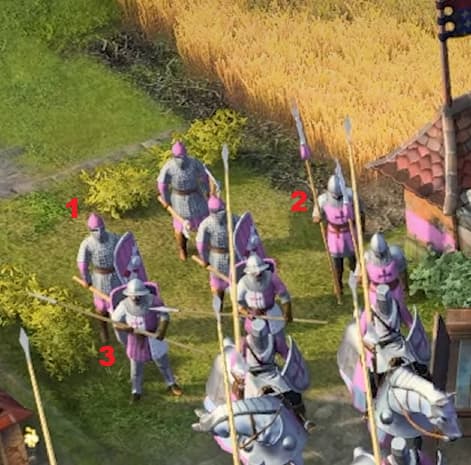
Antioch unique unit? Throwing axe

-
Standard French style spearman, nothing special here.
-
Angevin unique unit? Limitanei style ranged damage reduction ability perhaps?
Edit:
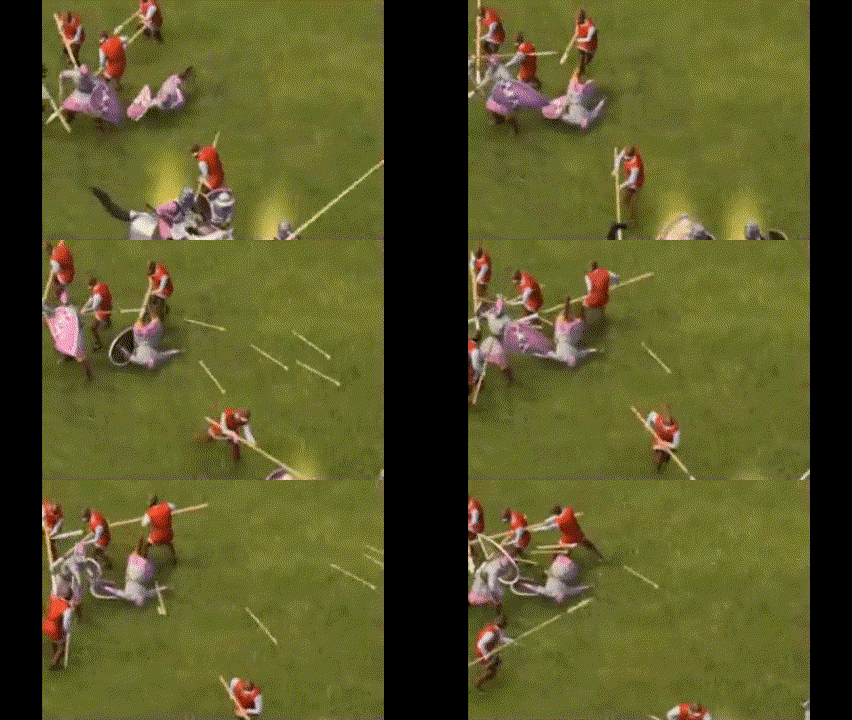
Okay, now we’re cooking!
3 Likes
Pink templars discusting
2 Likes
Why? What’s wrong with choosing your team colour?
Wasn’t it bad when we couldn’t pick our own colour?
1 Like
I like color picking but i never chose the pink colour and when zoomed in like that units look like a little girl dressed them.Its good for girls playing this game tho.
1 Like
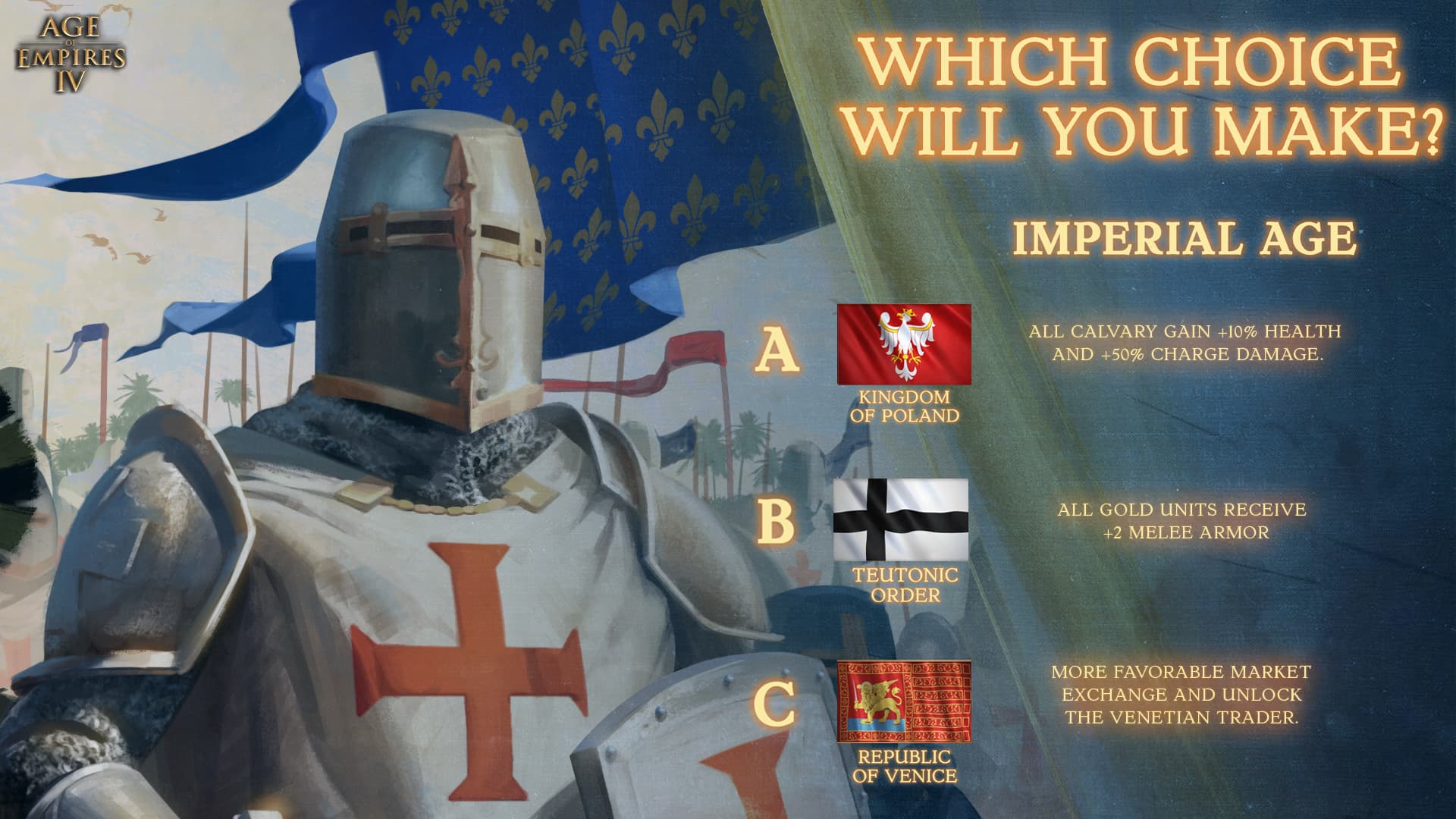
%50 charge damage might be broken and it gives %10 health too.I hope it tested.
That’s because you were told girls needed to wear pink and boys blue when you were young, so you associate it with that. It’s a stupid tradition that causes this perception.
1 Like
I think the same.
In fact, is there any army that historically ever used PINK as its main color? I don’t think so.
Precisely because it’s a color that evokes calm and love, you’d hardly use it for war heraldry.
In Age of Empires 2, as far as I remember, there were other colors for the 8 main ones. Checking the Fandom wikia, they were:
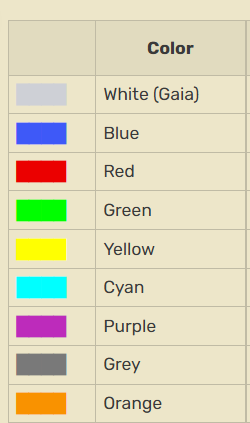
Instead of Gray in AoE 2, in AoE IV we have Pink; I suppose so as not to confuse it with Gaia units, but who knows. They could have also used Brown.
I generally only use Pink when playing Joan of Arc; the color suits her well.
1 Like
It’s a reference to the charges of the Winged Hussars of the Polish heavy cavalry, who used desmocunal lances for their charges, so that not even pikes could reach them.
Since the Crusaders (1000-1300) couldn’t have them due to timing (historically, they only appeared after 1500), they were given another unique Polish Imperial Age unit and the special bonus, as a tradition, of Polish charges; which were presumably also powerful before the Winged Hussars.
In fact, if this is a Polish Hint in the game, I’m afraid to even think about how much Polish Husar charge attack damage will do: 70?, 80? Revienta? Hehe (Peruvian joke).
Nope, colors as they are have a psychological effect; it’s been scientifically studied. Red evokes fury and danger, blue calms, and pink also calms.
That’s why certain animals and plants also evolved to use certain colors to hide them or evoke emotions in their predators.
Humans are no exception, which is why you won’t find historical examples of pink heraldry or pink-clad armies; it’s calming, not evocative of war; it’s not ideal for war.
Now whether you like pink and want to dress your children in pink, is up to you.
In the medieval era pink was associated with strength and endurance, this was because the red color in fabric and armor would wear during the course of a campaign giving it a lighter “pink” hue.
Up until the mid 20th century it had gone in and out of men’s fashion, with marketing to the boom in population offering gendered colors for baby products. It’s actually kind of interesting, because in the 1920s people considered red a color for men and pink a color for boys (a lighter hue, and being seen as having more strength), and blue was meant for girls because it was seen as being more delicate, or dainty.
The funny part of this is it’s the ability to wash clothing in a way that doesn’t destroy their dye that allows us to have a wide color pallette in clothing in more contemporary times. Red, yellow, ochre, and other earthy colors were more common because it was hard to field an army and keep their uniform looking bright and clean. Bold colors would be used for banners because of the visibility that they needed (and their lack of daily wear), so it isn’t common to find pastels in heraldry.
At the end of the day, how people feel today about color being associated with anything is all based in their culture.
There’s a technical answer to this, actually.
In the year the original AoE 2 was released computers were limited graphically. Most computers couldn’t display more than 8 bits of color, leading to a limited pallette of 256 colors in each channel (RGB).
You could technically render pink by using 255 red 0 green 255 blue, but this is what that would have looked like:
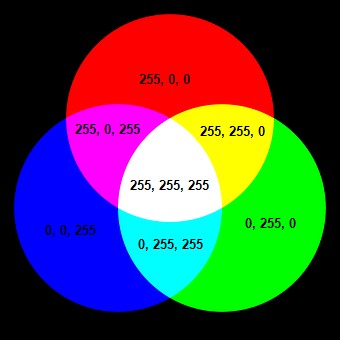
That magenta is too close to the purple you can see referenced in the player color selection. In an effort to keep player colors distinct they had to make all colors clearly distinguishable.
It was simply a hardware limitation, not a stylistic choice.
4 Likes
If it was going to be camel lancer charges its ok direct %50 damage brokes the balance.
Winged hussars only accomplisment is hitting Ottoman army from back other than that what do they known for. They are just the copy of Ottoman cavalry by its look.
Be careful with some of your statements.
-
Pink really “didn’t exist” etymologically in the past, and it wasn’t until after 1400 that the term began to be used in English to compare it to the pink plant, but it didn’t become popular until after 1600.
-
In that regard, any definition of rose before those years is actually various shades of red, not the pastel pink we know now, and this is due to a translation after the time of the original record.
-
This is confirmed by paintings that survive to our times. You won’t find heraldic roses in any army, even if they try to describe them as pink, you’ll see red, and that’s precisely why, annacronisms.
-
People used the colors that were available in the dyes of their respective communities, and pink was a rare and difficult combination to produce; shades of red, blue, and yellow were more common. Over time, colors fade, so I don’t see it as unusual for some red suits to turn pink with age, but since it was a rare color, it’s unlikely anyone would attribute anything other than a “light red” to it.
-
That being the case, the phrase that pink was a masculine color in the Middle Ages isn’t true; it was simply seen as a slightly tinted red or purple. Any attribution to pink was an attribution to red; since, as I said, pink suits were rarely made, and there wasn’t even a word to describe it.
-
Now, in the Anglo-Saxon world, England and the USA from 1850 to 1900, the idea of giving children pink suits began to be sold because it was a light shade of red, a virile color for men. But hey, that was “the mercantilist slogan.” Consider that we were at the very beginning of market capitalism, and there they could sell you anything, as long as it sold. So when they discovered a new dye they looked for an excuse to spend it on, the “invent a false neccesity”, and this was the real reason.
-
That being the case, it is true that the use of color can vary with culture, but it also has social, economic, capitalist, or psychological reasons; it is not relative, but a sum of causes.
Now, for the game, I can accept that Pink is a necessary color because armies must be differentiated, and rulers accept it because otherwise they would attack their own troops; and I can also accept that it’s a mild and rare version of red, at least in that time would be seem as that.
1 Like
Wow, who would have thought it?
Yes, it is interesting.
I’ll be honest, “Templars is going to be a very Broken Civ”
So, I expect several subsequent changes for balance in a patch the month after its release.
I haven’t read enough Polish hussar battles to comment on that, so I’ll leave that for another day. Take care.
1 Like
Huh? This is so weird.
Pink is just a color dude. Don’t worry, it can’t actually hurt your masculinity.
It looks like one of the Templar Brothers takes 11 hits from spearmen.
If it were standard spears and knights with full castle upgrades that would be 308 damage I believe.
These guys must have quite a bit of ranged armor and/or health.
1 Like
3 Likes